

Commentary
Maha Yahya
{
  "authors": [
    "Maha Yahya"
  ],
  "type": "other",
  "centerAffiliationAll": "dc",
  "centers": [
    "Carnegie Endowment for International Peace",
    "Malcolm H. Kerr Carnegie Middle East Center"
  ],
  "collections": [
    "Coronavirus"
  ],
  "englishNewsletterAll": "menaTransitions",
  "nonEnglishNewsletterAll": "",
  "primaryCenter": "Malcolm H. Kerr Carnegie Middle East Center",
  "programAffiliation": "MEP",
  "programs": [
    "Middle East"
  ],
  "projects": [],
  "regions": [
    "Middle East",
    "North Africa"
  ],
  "topics": [
    "Economy",
    "Education"
  ]
}
Source: Getty
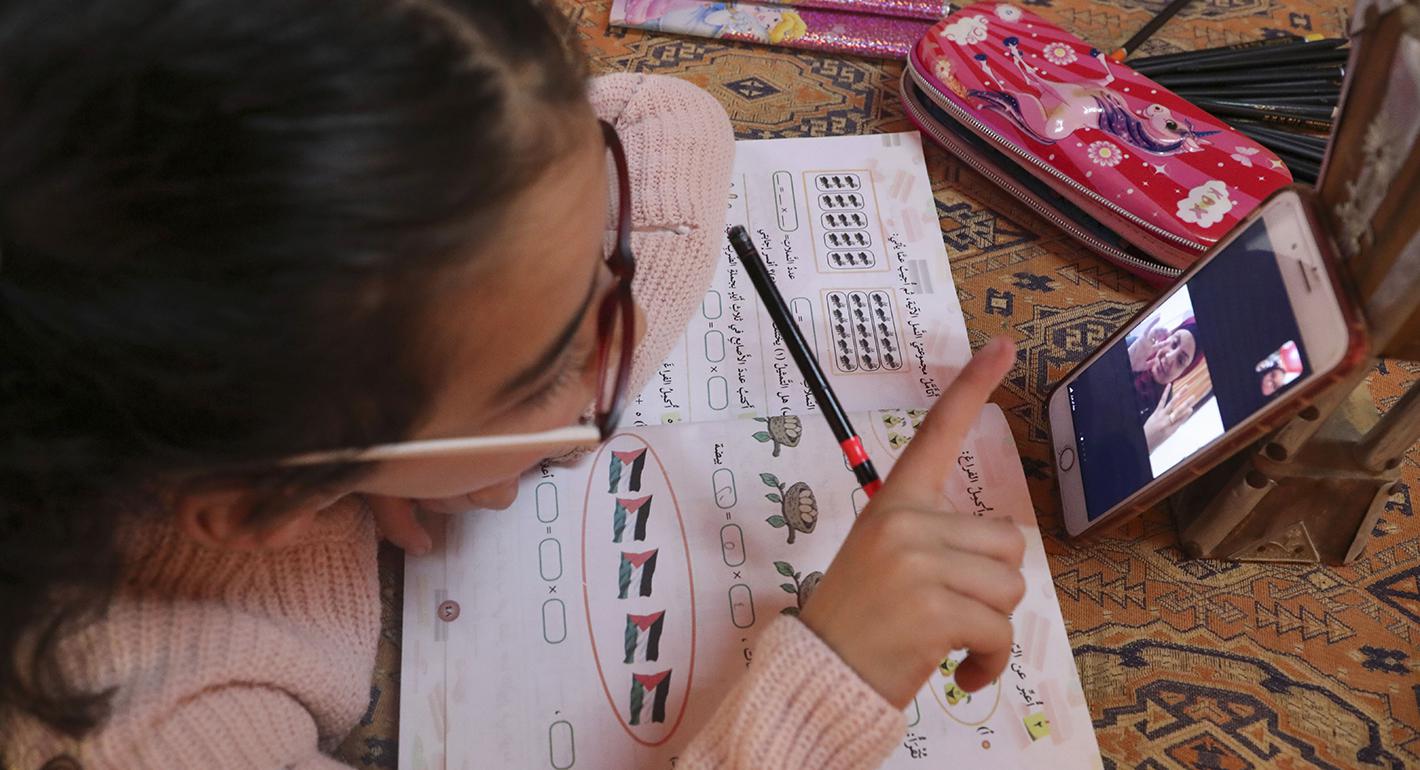
School closures have highlighted the digital gap between those who can access remote learning and those without the basic means to do so.
Source: International Commission on the Futures of Education
Covid-19 has brought existing structures of inequality into sharp focus. This is not an issue of a global North and underdeveloped South. Rather it is within regions and countries and between classes of citizens. Access to urgent healthcare within countries between resource rich and resource poor regions is just the tip of the iceberg. School closures have highlighted the digital gap between those who can access remote learning and those without the basic means to do so. And pandemic related social distancing measures are impossible to implement for the 2 billion informal workers and 70 million refugees and internally displaced people around the world who have no basic social protection (with no health or unemployment benefits). For them the choice is to die of Corona or die of hunger.
This article was originally published on UNESCO's Digital Library.

Director, Malcolm H. Kerr Carnegie Middle East Center
Maha Yahya is director of the Malcolm H. Kerr Carnegie Middle East Center, where her research focuses on citizenship, pluralism, and social justice in the aftermath of the Arab uprisings.
Recent Work
Maha Yahya
Maha Yahya
Carnegie does not take institutional positions on public policy issues; the views represented herein are those of the author(s) and do not necessarily reflect the views of Carnegie, its staff, or its trustees.

As geopolitical rivalry weaponizes global supply chains, the EU’s true vulnerability lies in emerging-risk imports. For these goods, suppliers are growing more concentrated, substitution more difficult, and political risk is looming.

Sinan Ülgen

The EU is putting together a new security strategy to meet today’s myriad challenges. But for any proposal to be effective, the union needs to grapple with its identity and ambitions.

Pierre Vimont

The EU’s new migration policy is not suited to today’s realities. With climate change increasingly becoming a driver of displacement, Europe needs to rethink its deterrence-focused approach.

Shana Tabak
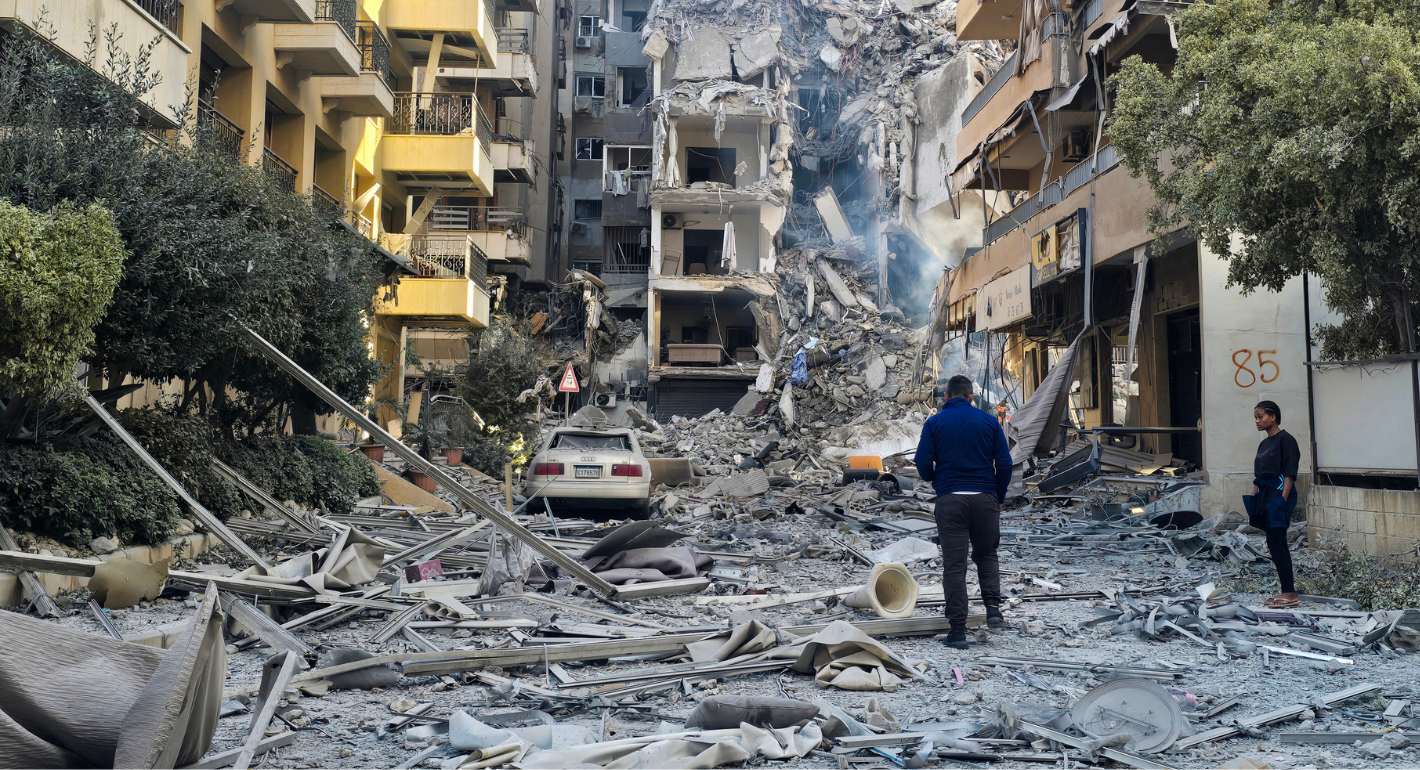
Europe seems to have accepted its sidelining in the Middle East. The EU must reassert its support for the international rules-based order and step up engagement.

Rym Momtaz
Between the United States’ market-driven approach and China's state-led industrial strategy, Europe is reckoning with how it can remain competitive in the global economy. But is Europe in danger of becoming a U.S. or China colony?
Noah Barkin, Anu Bradford