

Q&A
Dara Massicot, Aaron David Miller, Andrew S. Weiss
{
  "authors": [
    "Aaron David Miller"
  ],
  "type": "legacyinthemedia",
  "centerAffiliationAll": "",
  "centers": [
    "Carnegie Endowment for International Peace"
  ],
  "collections": [],
  "englishNewsletterAll": "",
  "nonEnglishNewsletterAll": "",
  "primaryCenter": "Carnegie Endowment for International Peace",
  "programAffiliation": "",
  "programs": [],
  "projects": [],
  "regions": [
    "Middle East",
    "Israel"
  ],
  "topics": [
    "Political Reform"
  ]
}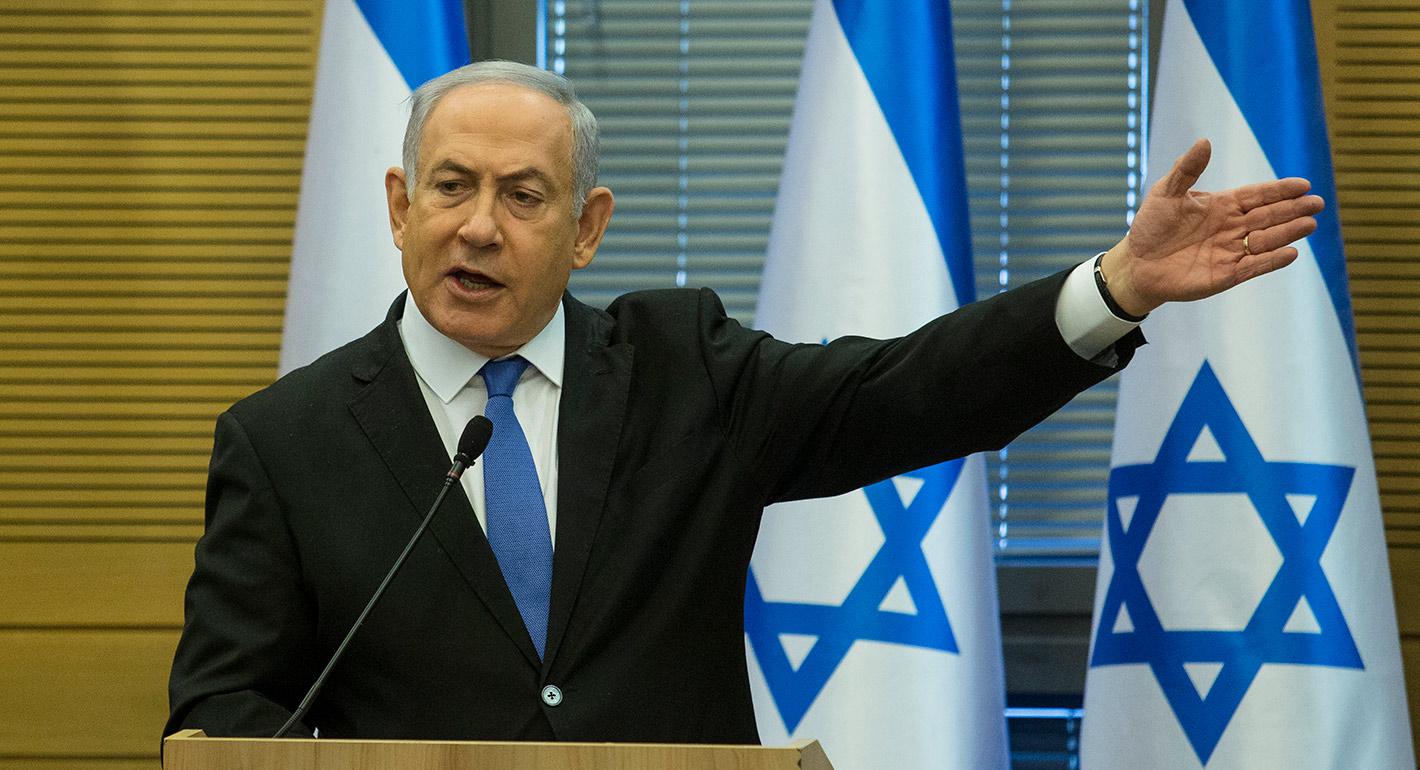
Source: Getty
To move forward with annexation Netanyahu will need to persuade himself no matter how alluring and attractive the upsides that the downsides are manageable.
Source: TIME
To annex or not to annex, that is indeed the question
Like a modern day Hamlet, Benjamin Netanyahu is pondering his next most critical decision.
Already the longest governing Prime Minister in Israel’s history and on the verge of starting a fifth term, Netanyahu appears to have made his choice. He recently told a group of Christian evangelicals that he was “confident” he’d be able to annex large parts of the West Bank. Indeed, the terms of his coalition agreement with his rival turned partner Benny Gantz allow him as of July 1 to introduce proposals to do precisely that.
But will he? He’s been Prime Minister now for almost a decade and a half and his support for annexation—which not coincidentally reappeared in April 2019 shortly before the first Israeli elections—has remained largely rhetorical. Netanyahu is preternaturally accomplished as a politician; and in many respects as a Prime Minister, too. But when it comes to major decisions in peace or war, he is no bold leader like Menachem Begin, Yitzhak Rabin, or Ariel Sharon...

Senior Fellow, American Statecraft Program
Aaron David Miller is a senior fellow at the Carnegie Endowment for International Peace, focusing on U.S. foreign policy.
Recent Work

Dara Massicot, Aaron David Miller, Andrew S. Weiss


Sophia Besch, Eric Ciaramella, Steve Feldstein, …
Carnegie does not take institutional positions on public policy issues; the views represented herein are those of the author(s) and do not necessarily reflect the views of Carnegie, its staff, or its trustees.

A notable degree of participative democracy has firmly arrived in Europe. But to have more far-reaching impact, democratic deliberation needs to move into a radically new phase.

Richard Youngs

Before the next wave of EU enlargement takes place, the union needs to grapple with thorny questions of how power is distributed among its members.


Emil Sondaj Hansen, Ditte Brasso Sørensen

As the EU confronts profound challenges, several leaders have called for fundamental reform to the union’s model—but only modest, superficial changes have resulted. What if Europe really could be reimagined from zero today: What should such a redesigned European order look like?
Richard Youngs, ed.
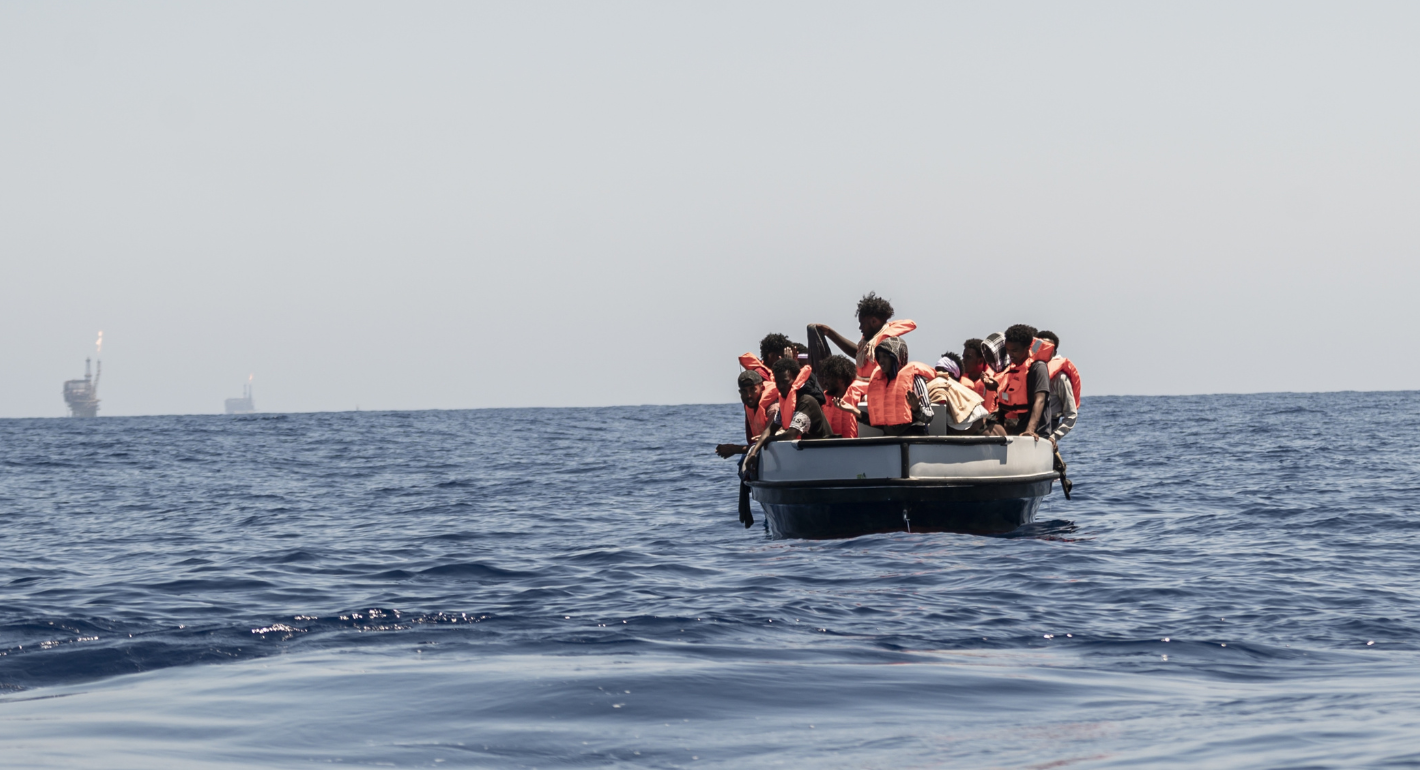
The EU’s new migration policy is not suited to today’s realities. With climate change increasingly becoming a driver of displacement, Europe needs to rethink its deterrence-focused approach.

Shana Tabak
Europe seems to have accepted its sidelining in the Middle East. The EU must reassert its support for the international rules-based order and step up engagement.

Rym Momtaz