

Article
Dan Baer
{
  "authors": [
    "Dan Baer"
  ],
  "type": "legacyinthemedia",
  "centerAffiliationAll": "dc",
  "centers": [
    "Carnegie Endowment for International Peace"
  ],
  "collections": [],
  "englishNewsletterAll": "ctw",
  "nonEnglishNewsletterAll": "",
  "primaryCenter": "Carnegie Endowment for International Peace",
  "programAffiliation": "EP",
  "programs": [
    "Europe"
  ],
  "projects": [],
  "regions": [
    "North America",
    "United States",
    "Iran"
  ],
  "topics": [
    "Political Reform",
    "Democracy"
  ]
}
Source: Getty
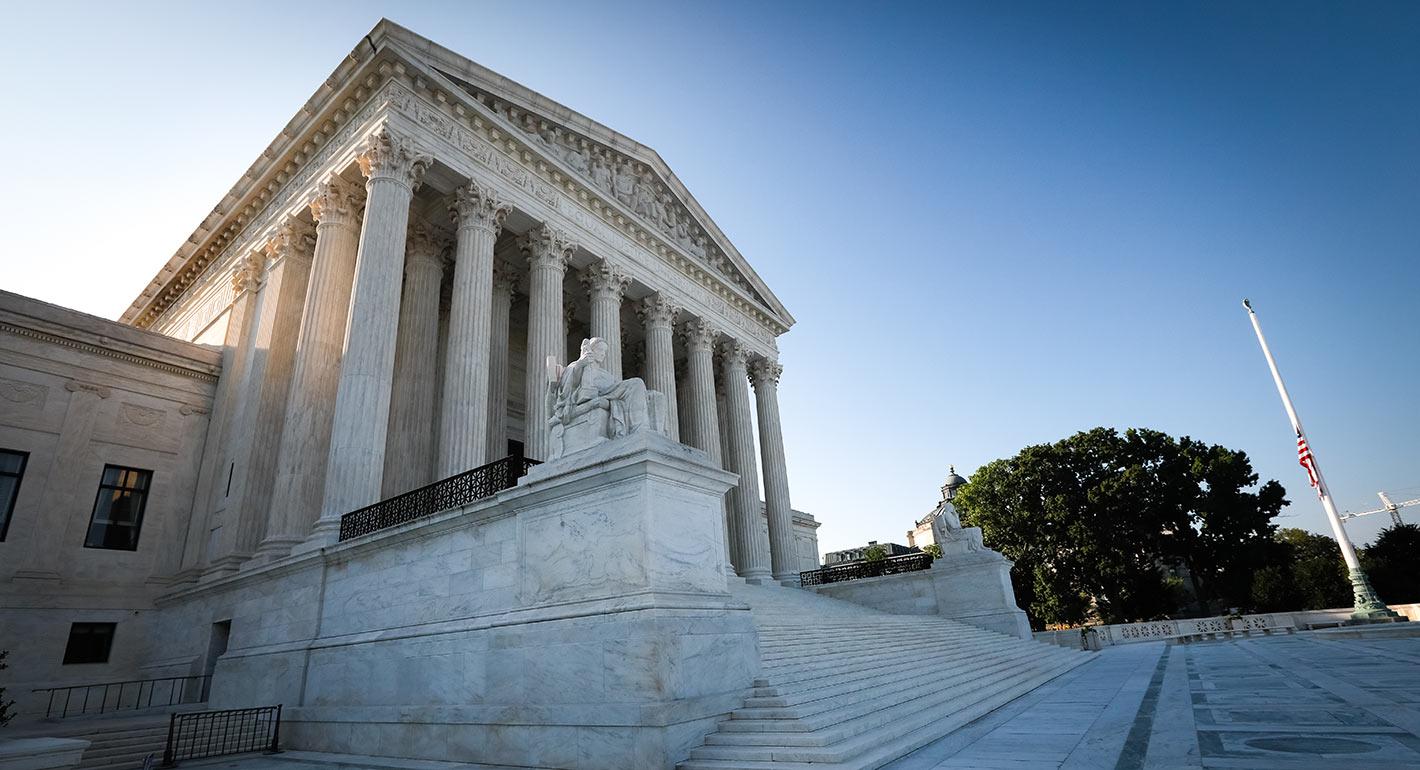
Alone in the Americas and among NATO members, the United States continues to execute tens of prisoners each year and to send dozens more to death row.
Source: Foreign Affairs
On January 22, 2009, his second full day in office, U.S. President Barack Obama signed an executive order prohibiting the use of torture by the U.S. government and revoking legal interpretations from President George W. Bush’s administration that denied protections under international law to certain overseas detainees. Few Americans outside of national security policy circles took note of the executive order. But it sent a clear message to U.S. partners and allies that Obama was breaking with his predecessor and recommitting the United States to the shared values of the democratic world.
As a deputy assistant secretary of state in the early years of the Obama administration, I heard frequently from U.S. allies about the importance of Obama’s ban on torture. My counterparts sometimes also raised concerns about U.S. surveillance, detention, and use of drones. But those enduring concerns didn’t change the perception that Obama believed in universal values—and believed they should apply universally, including to the United States. The torture ban became a kind of metonym for U.S. recommitment to these shared values, and because it addressed a shortcoming that had been criticized by allies and partners, it signaled U.S. commitment to repairing those relationships, too.
Senior Vice President; Director, Europe Program
Dan Baer is a senior vice president of the Carnegie Endowment for International Peace and director of the Europe Program. Under President Obama, he was U.S. ambassador to the Organization for Security and Cooperation in Europe (OSCE) and he also served deputy assistant secretary of state for the Bureau of Democracy, Human Rights, and Labor.
Recent Work


Richard Youngs, Erik Jones, Dan Baer, …
Carnegie does not take institutional positions on public policy issues; the views represented herein are those of the author(s) and do not necessarily reflect the views of Carnegie, its staff, or its trustees.

The EU can impose sanctions but struggles to enforce them without the United States. With Washington increasingly disinterested in backing European interests, the bloc must now fend for itself.


Nicu Popescu, Tiago Antunes

Ahead of a tough winter for Ukraine, Donald Trump’s swing back toward Russia bodes ill. But instead of panicking, Kyiv’s European allies are focusing on action.

Rym Momtaz

While the EU and European governments are embracing the much-lauded middle-power moment, this entails three difficult conundrums.
Richard Youngs

Europe is facing rising populism internally as well as external pressures from Russia, China, Turkey, and the United States.

Dimitar Bechev

A notable degree of participative democracy has firmly arrived in Europe. But to have more far-reaching impact, democratic deliberation needs to move into a radically new phase.
Richard Youngs