

Commentary
Jamie Kwong, Toby Dalton
{
  "authors": [
    "Toby Dalton"
  ],
  "type": "commentary",
  "centerAffiliationAll": "dc",
  "centers": [
    "Carnegie Endowment for International Peace"
  ],
  "collections": [
    "Korean Peninsula"
  ],
  "englishNewsletterAll": "ctw",
  "nonEnglishNewsletterAll": "",
  "primaryCenter": "Carnegie Endowment for International Peace",
  "programAffiliation": "NPP",
  "programs": [
    "Nuclear Policy"
  ],
  "projects": [],
  "regions": [
    "East Asia",
    "North Korea"
  ],
  "topics": [
    "Nuclear Policy"
  ]
}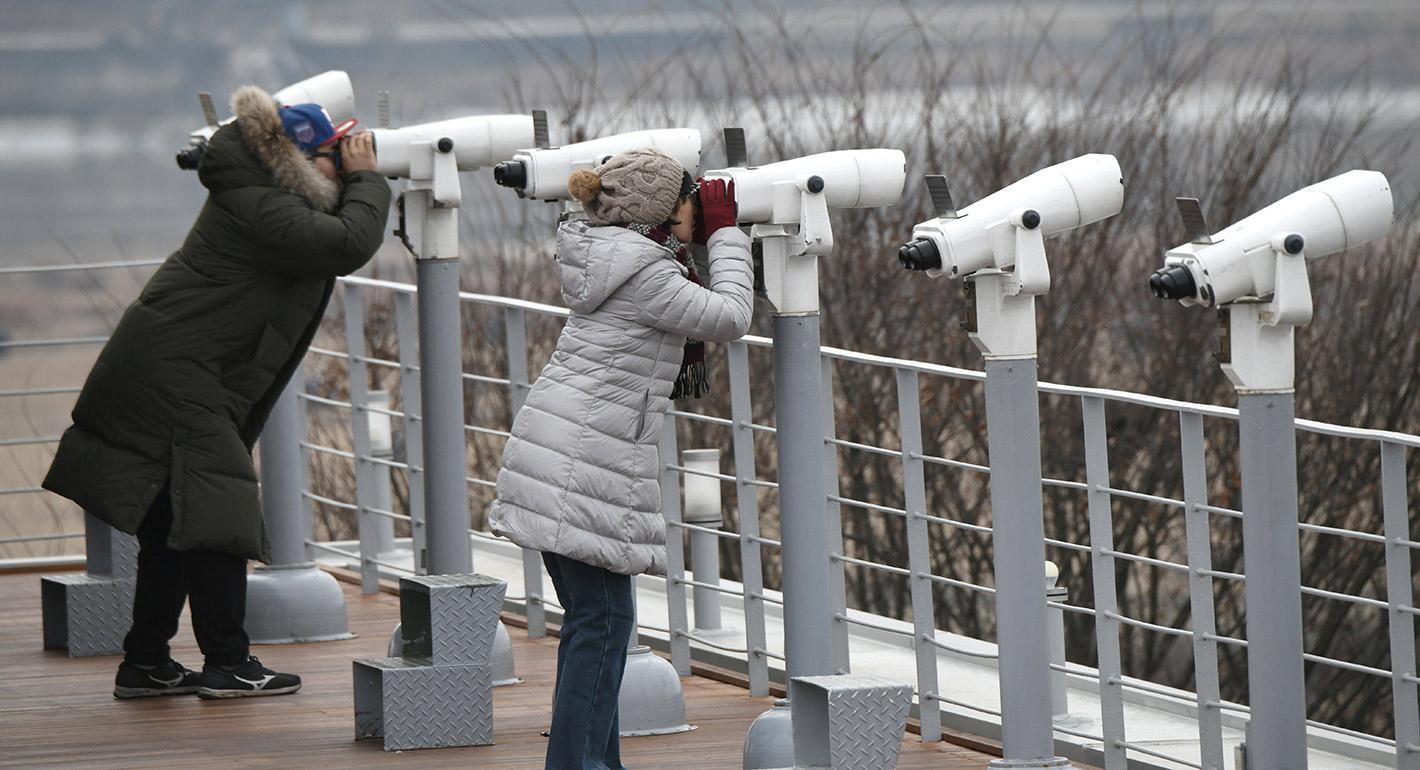
Source: Getty
The most likely nuclear risk Pyongyang poses is spreading WMD technology in the Middle East.
North Korea’s resumed nuclear missile testing generates understandable hand-wringing in Seoul, Tokyo, and Washington. Such tests demonstrate Pyongyang’s growing prowess with nuclear weaponry and are a frightening reminder that a crisis on the Korean Peninsula could erupt at any time.
Yet, as troubling as missile tests are, the chances of a war on the Korean Peninsula remain very low. Policymakers should be more concerned about the likelier possibility of North Korea selling nuclear and missile technology to countries in the Middle East.
For three decades, neither diplomacy nor increasingly stringent economic sanctions have reversed North Korea’s ambition to possess nuclear weapons. Nor have they diminished North Korea’s illicit trade relationships with Iran, Syria, and other states in the Middle East. Even during the heady days in 2018 and 2019 of North Korean leader Kim Jong Un and former president Donald Trump’s love letter diplomacy, North Korea’s arsenal of nuclear weapons and missiles continued to grow. Over the same period, the UN Panel of Experts, which assesses compliance with economic and trade sanctions on North Korea, reported numerous times when North Korean entities sold technology for missiles or weapons of mass destruction (WMD) to buyers in the Middle East.
The threats from North Korea’s WMD programs have continued to grow despite Washington’s sustained pressure campaign to choke the North Korean economy. Since 2009, the United States has led the UN Security Council to pass eight main resolutions imposing wide-ranging sanctions. These resolutions prohibit, among other items, North Korean exports of coal and seafood and remittances from North Korean overseas workers, while also embargoing North Korean imports of refined petroleum, technology and equipment for its nuclear and missile programs, and a range of other goods. U.S. secondary sanctions also have limited North Korean access to the international financial system.
No doubt the sanctions have damaged North Korea’s economy—and have exacerbated the already perilous living conditions of many North Korean citizens—but they have not come close to forcing Kim to decide to disarm or to curb his WMD trade.
Then the coronavirus pandemic made things far worse for North Korea’s economy. Kim’s decision to seal the country’s borders has resulted in economic pain Washington could never have achieved through sanctions. Recent reports suggest growing alarm among North Korea’s leadership over failed economic programs, with attendant electrical outages, factory closures, and shortages of some food staples. Foreign diplomats have left North Korea over the difficult living conditions and shortages of medicine and basic goods in Pyongyang. It is little surprise that North Korea is increasingly reliant on cyber attacks and cryptocurrency theft to generate revenue.
North Korea’s desperation could make a sustained U.S. pressure strategy still riskier. Kim’s regime remains remarkably resilient, so collapse seems unlikely—even though U.S. officials would be wise to prepare for that unique scenario. The most likely outgrowth of North Korea’s need for cash is an increase in other dangerous behavior. WMD technology represents one of North Korea’s few value-added assets.
North Korea’s proliferation rap sheet is long: missile and nuclear trade with Pakistan; missile sales to Egypt, Libya, Yemen, and others; chemical weapons assistance to Syria; and more. Notably, North Korea clandestinely sought to construct a nuclear reactor in Syria, a facility that might have provided plutonium for a Syrian bomb program until Israel destroyed the partly built reactor with air strikes in 2007. The March 2021 report by the UN Panel of Experts reported ongoing assistance by North Korea with Iran’s ballistic missile and space launch programs. Iranian scientists reportedly went to North Korea to discuss rocket booster technology, while thirteen North Korean experts are believed to have visited Iran to assist with liquid-fueled ballistic missiles. According to the report, the cooperation between North Korean and Iranian entities also extends to illicit shipments of valves, electronics, and other missile-related equipment.
Until now, apart from the reactor project in Syria, North Korea is not known to have transferred more sensitive nuclear technologies—longer-range missiles, nuclear weapon designs, equipment or technology to produce highly enriched uranium or plutonium for a bomb, or those materials themselves. Presumably, North Korean leaders historically have believed that such transfers could cross an implicit red line and result in harsher consequences when discovered. Now, increasingly desperate for cash, Kim could be more willing to risk sales of these items to interested customers in the Middle East, including possibly terrorist groups.
If such sales come to light, it is reasonable to expect that Israel would again take preemptive action. Israel regularly carries out air strikes against missile construction facilities and other weapons-related sites in Syria. It is also suspected of assassinating the most prominent Iranian nuclear scientist, Mohsen Fakhrizadeh, in November 2020 and of causing an explosion that damaged the power supply to Iran’s Natanz uranium enrichment facility in April 2021.
Relying on Israeli counterproliferation strikes to prevent WMD acquisition by adversaries in the Middle East is a fraught strategy. At some point, that approach could fail in any number of ways, with catastrophic consequences. It is bad enough that Washington faces a complex nuclear challenge from North Korea in East Asia. But North Korean proliferation that yields a new nuclear-armed state or catalyzes a wider conflict in the Middle East could be worse.
Sustaining economic pressure against North Korea without creating an offramp through negotiations is increasingly dangerous. It is too late to stop North Korea’s nuclear acquisitions, and pressure will not force Kim to disarm. Yet diplomacy with North Korea could still prevent another nuclear-armed state in the Middle East.
This is the reality of the North Korean threat President Joe Biden and his administration confronts. It is time for a new U.S. policy that mitigates the dangers from North Korea’s WMD programs. Avoiding worse outcomes will require offering sanctions relief and steps toward a peace regime in return for an end to North Korean WMD trade and constraints on its nuclear arsenal. This is the deal Biden should seek before economic desperation brings North Korean nuclear weapons to a volatile Middle East.

Senior Fellow and Co-director, Nuclear Policy Program
Toby Dalton is a senior fellow and co-director of the Nuclear Policy Program at the Carnegie Endowment. An expert on nonproliferation and nuclear energy, his work addresses regional security challenges and the evolution of the global nuclear order.
Recent Work

Jamie Kwong, Toby Dalton

Ariel (Eli) Levite, Toby Dalton
Carnegie does not take institutional positions on public policy issues; the views represented herein are those of the author(s) and do not necessarily reflect the views of Carnegie, its staff, or its trustees.

When the U.S.-Iran memorandum of understanding was announced, the UK, France, Germany, and Italy declared their readiness to help demine the Strait of Hormuz and lift nuclear sanctions on Tehran. But does Europe need new tools to recover a diplomatic role?

Rym Momtaz, ed.

Amid uncertainty caused by the Iran war, the global drive for nonproliferation has stalled. With Europe diplomatically marginalized and countries reassessing their nuclear options, efforts to curb the spread of nuclear weapons risk becoming irrelevant.

Jane Darby Menton
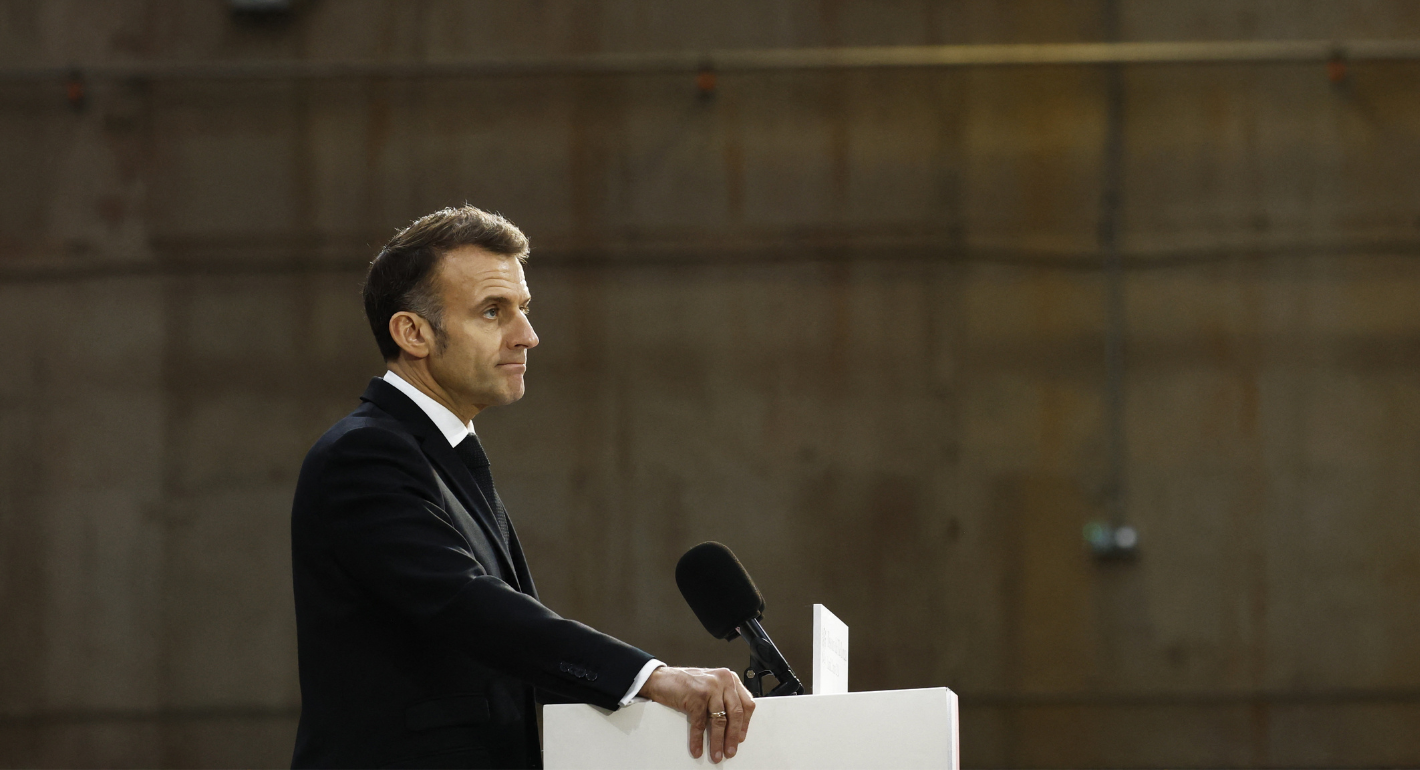
French President Emmanuel Macron has unveiled his country’s new nuclear doctrine. Are the changes he has made enough to reassure France’s European partners in the current geopolitical context?
Rym Momtaz, ed.
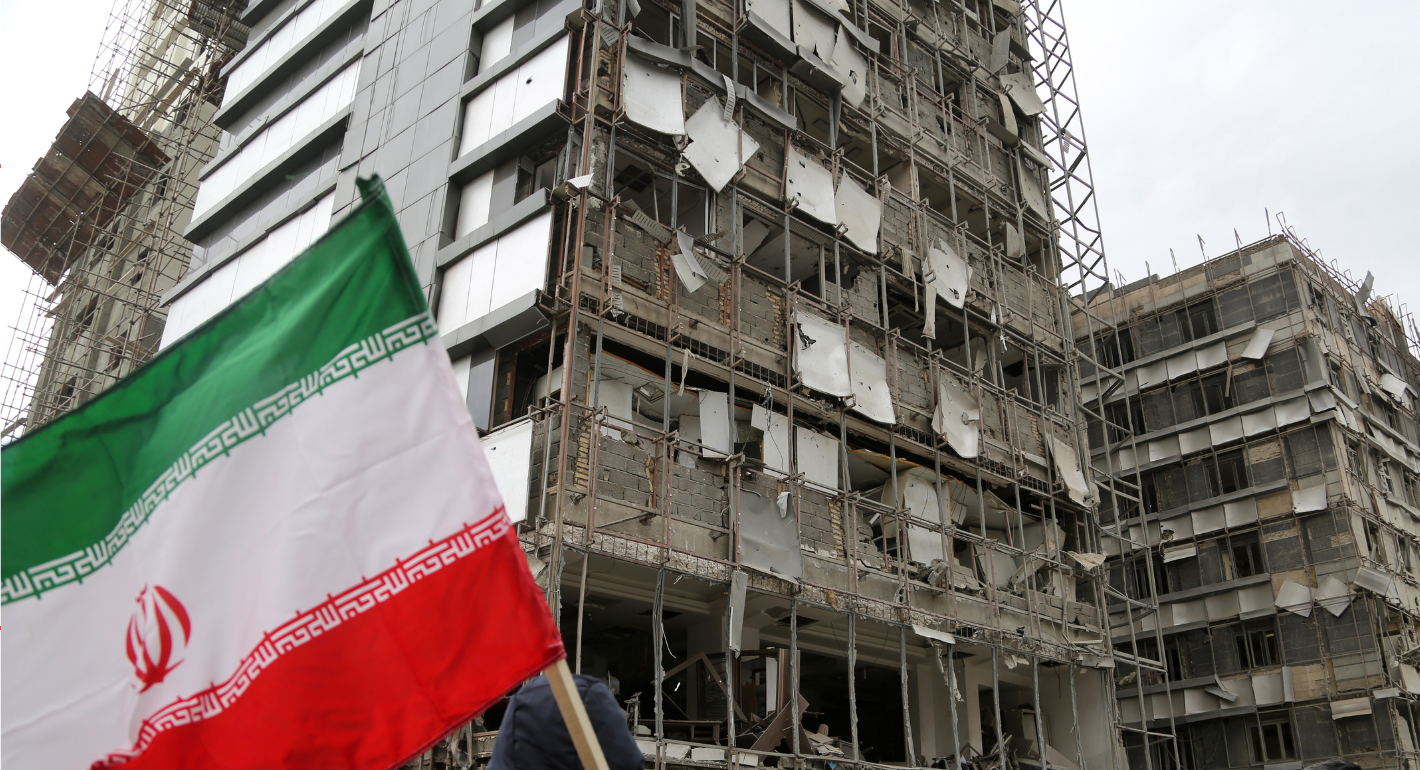
Europe’s reaction to the war in Iran has been disunited and meek, a far cry from its previously leading role in diplomacy with Tehran. To avoid being condemned to the sidelines while escalation continues, Brussels needs to stand up for international law.

Pierre Vimont
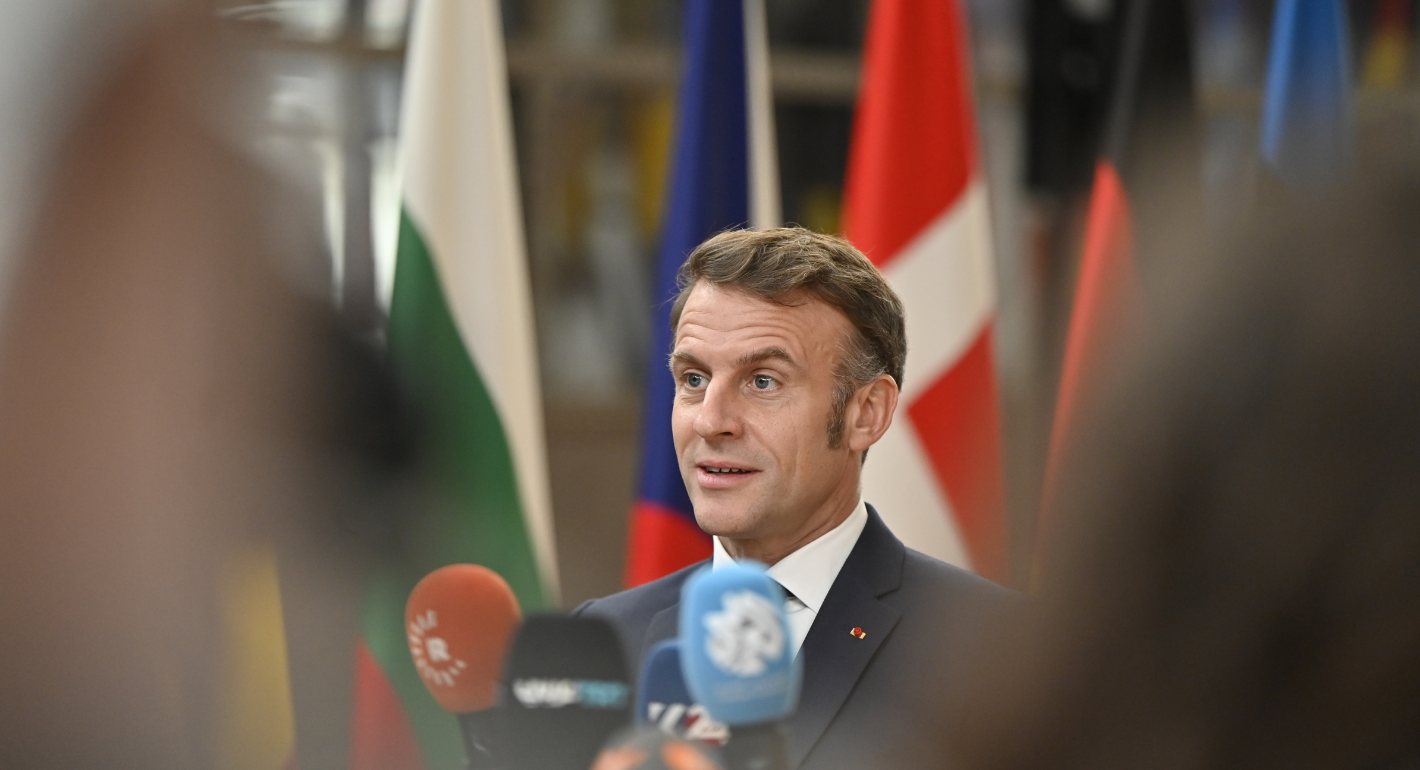
France has stopped clinging to notions of being a great power and is embracing the middle power moment. But Emmanuel Macron has his work cut out if he is to secure his country’s global standing before his term in office ends.
Rym Momtaz