

Research
- +4
Milan Vaishnav, Rahul Verma, Rukmini S., …
{
  "authors": [
    "Christophe Jaffrelot"
  ],
  "type": "legacyinthemedia",
  "centerAffiliationAll": "dc",
  "centers": [
    "Carnegie Endowment for International Peace"
  ],
  "collections": [],
  "englishNewsletterAll": "ctw",
  "nonEnglishNewsletterAll": "",
  "primaryCenter": "Carnegie Endowment for International Peace",
  "programAffiliation": "SAP",
  "programs": [
    "South Asia"
  ],
  "projects": [],
  "regions": [
    "South Asia",
    "Southeast Asia"
  ],
  "topics": [
    "Religion"
  ]
}
REQUIRED IMAGE
The majoritarian inferiority complex is to some extent irrational—in India like elsewhere. The Hindu complex of inferiority vis-à-vis others (including the Muslims) crystallized in the 19th century when the British not only emphasized the division of Hindus along caste lines and sectarian lines but also invented communal stereotypes.
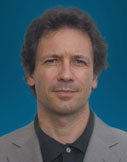
Former Nonresident Scholar, South Asia Program
Jaffrelot’s core research focuses on theories of nationalism and democracy, mobilization of the lower castes and Dalits (ex-untouchables) in India, the Hindu nationalist movement, and ethnic conflicts in Pakistan.
Recent Work

Milan Vaishnav, Rahul Verma, Rukmini S., …
Christophe Jaffrelot
Carnegie does not take institutional positions on public policy issues; the views represented herein are those of the author(s) and do not necessarily reflect the views of Carnegie, its staff, or its trustees.
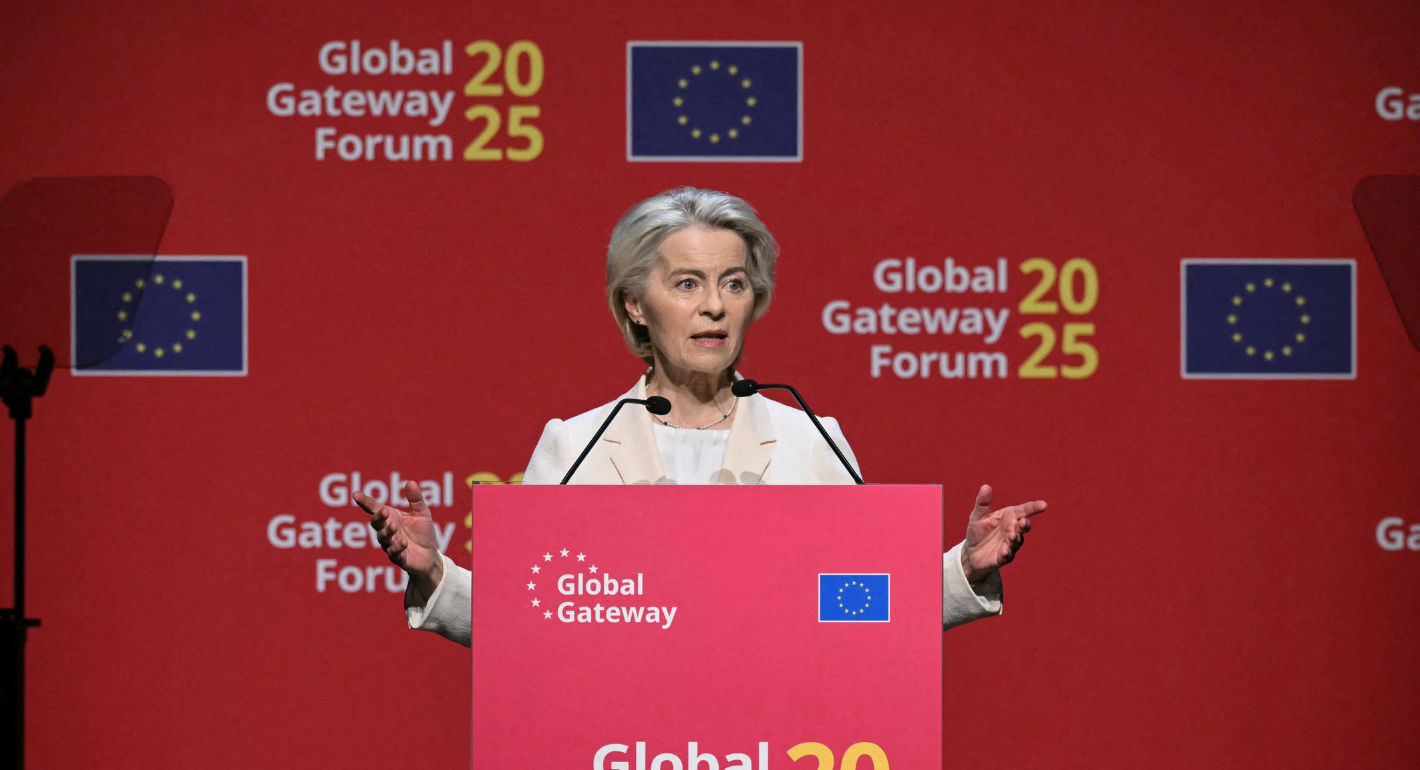
In competition with China’s Belt and Road Initiative, the Global Gateway strategy needs to find an edge. To better promote its interests through investment, the EU’s offer must become more coherent, transparent, and accountable.


Ceren Ergenc, Chaofan Yu
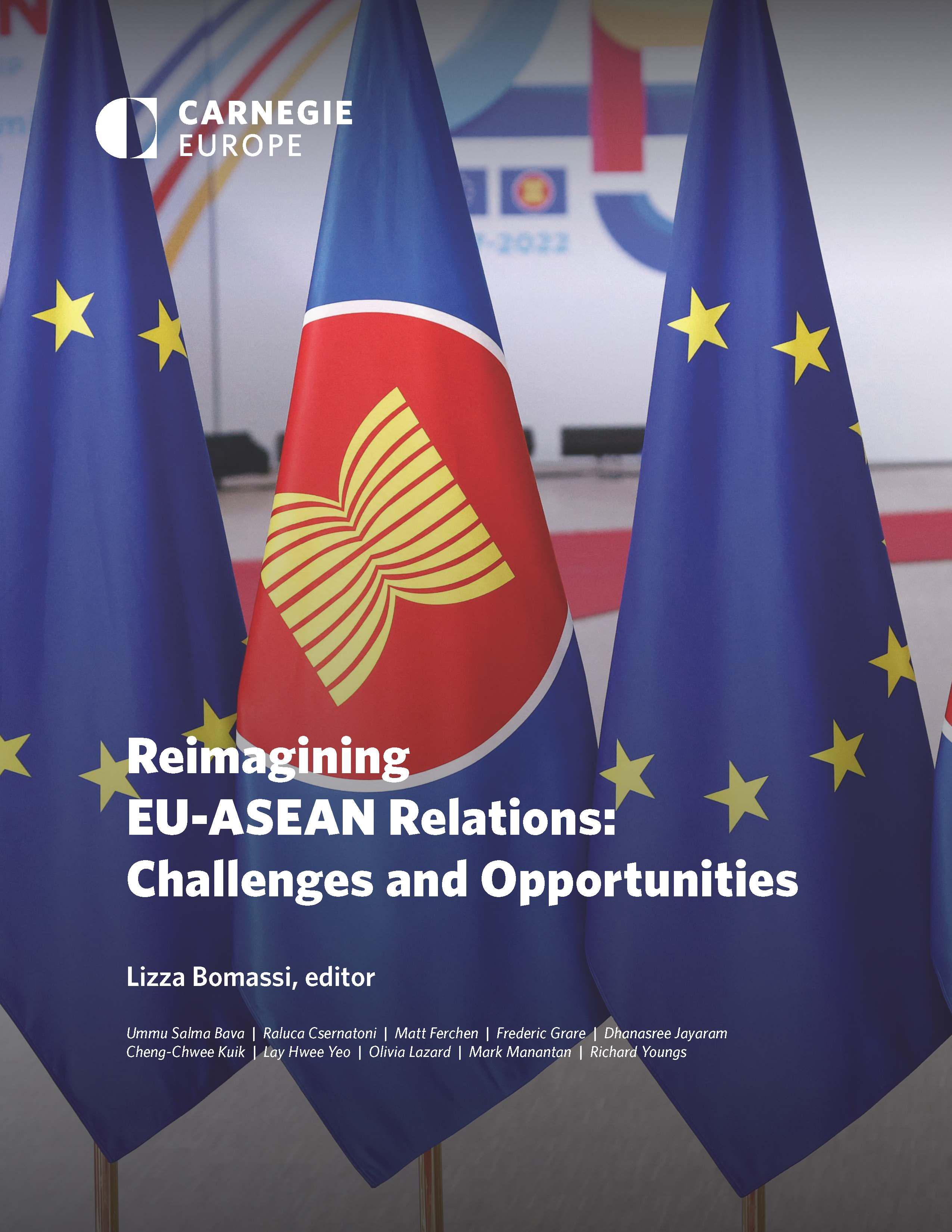
The EU and ASEAN have diverging priorities in climate, security, technology, trade, and democracy. Stronger cooperation in these fields would enable the two blocs to tackle shared challenges and pursue common interests.

Lizza Bomassi
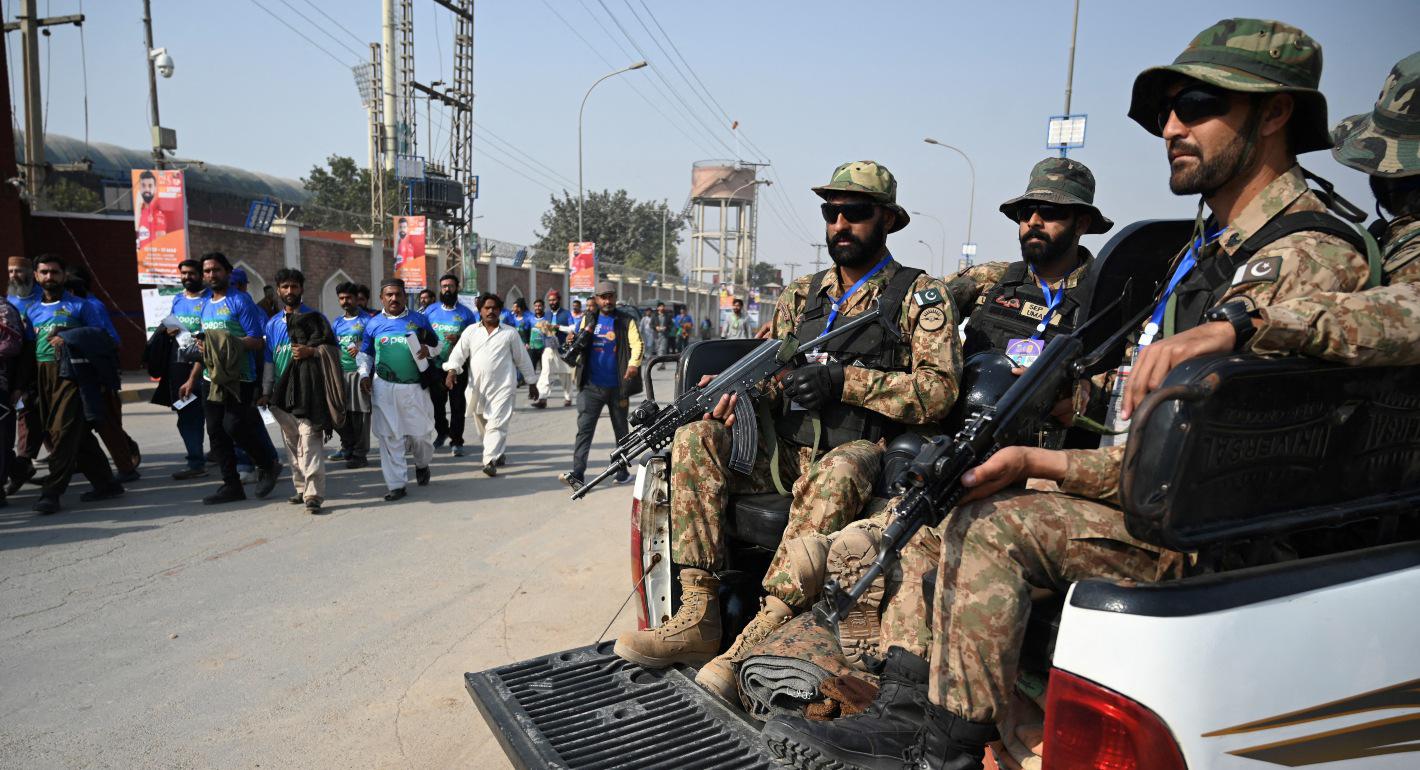
The ways in which democracies interact with autocracies can also play a role in sustaining repressive regimes. Democratic governments must adopt more holistic approaches that offset the negative implications of international engagement.


Nic Cheeseman, Marie-Eve Desrosiers
The first Summit for Democracy succeeded in bringing democratic governments together to discuss a range of issues. But to achieve more effective democratic coordination, the process should move away from its intergovernmental nature and involve more civil society actors.

Richard Youngs
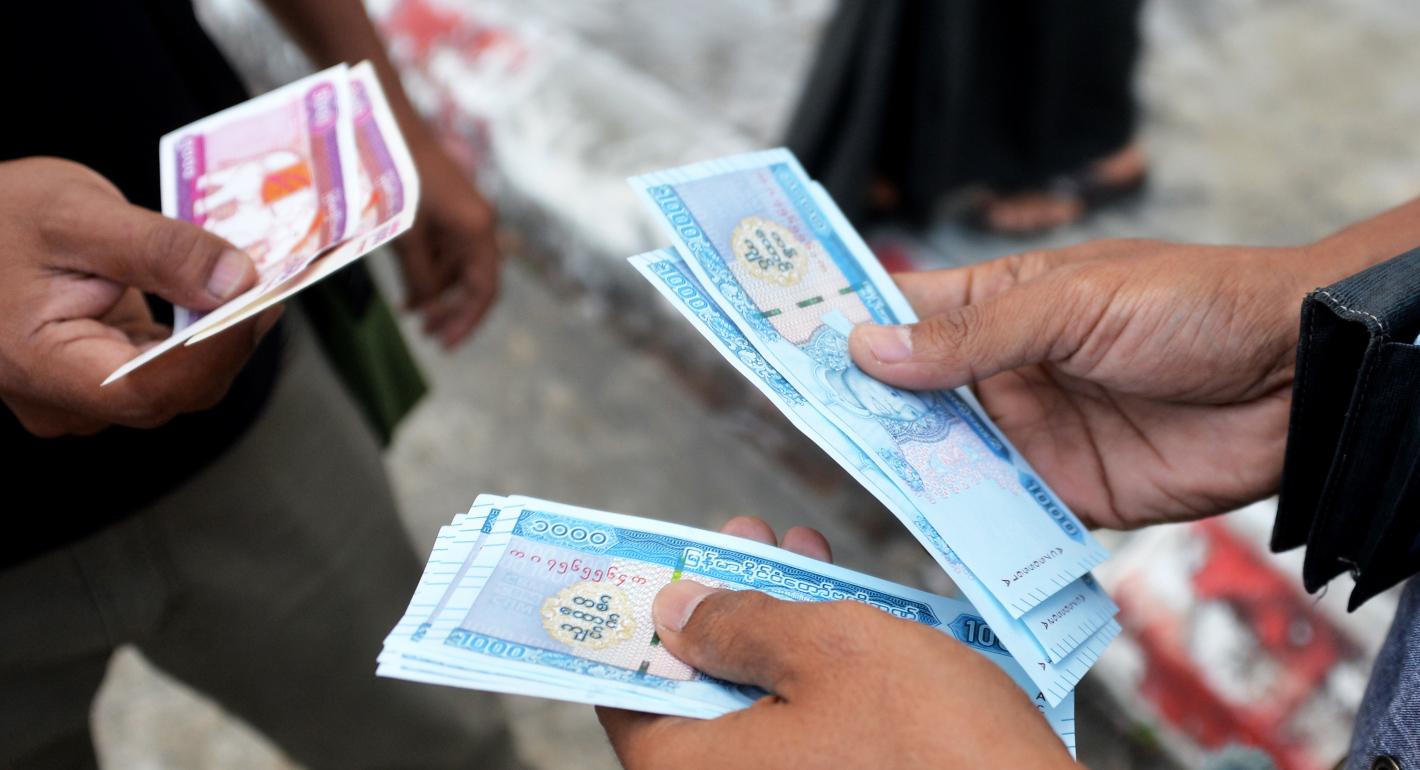
In the last decade, nondemocratic regimes have received more development assistance than democratic countries. This reveals how donors struggle with autocratization despite a rhetorical commitment to democracy.

Marc de Tollenaere