

Paper
Diana Sang, Jane Munga, Nanjira Sambuli
{
  "authors": [
    "Nanjira Sambuli"
  ],
  "type": "legacyinthemedia",
  "centerAffiliationAll": "dc",
  "centers": [
    "Carnegie Endowment for International Peace"
  ],
  "collections": [],
  "englishNewsletterAll": "ctw",
  "nonEnglishNewsletterAll": "",
  "primaryCenter": "Carnegie Endowment for International Peace",
  "programAffiliation": "TIA",
  "programs": [
    "Technology and International Affairs"
  ],
  "projects": [],
  "regions": [
    "Iran"
  ],
  "topics": [
    "Global Governance",
    "Technology"
  ]
}
REQUIRED IMAGE
Digital technologies, given their rapid rate of diffusion through globalisation, have become “glocal” in nature. They are becoming a mainstay of society, with their adoption further accelerated by the COVID-19 pandemic.
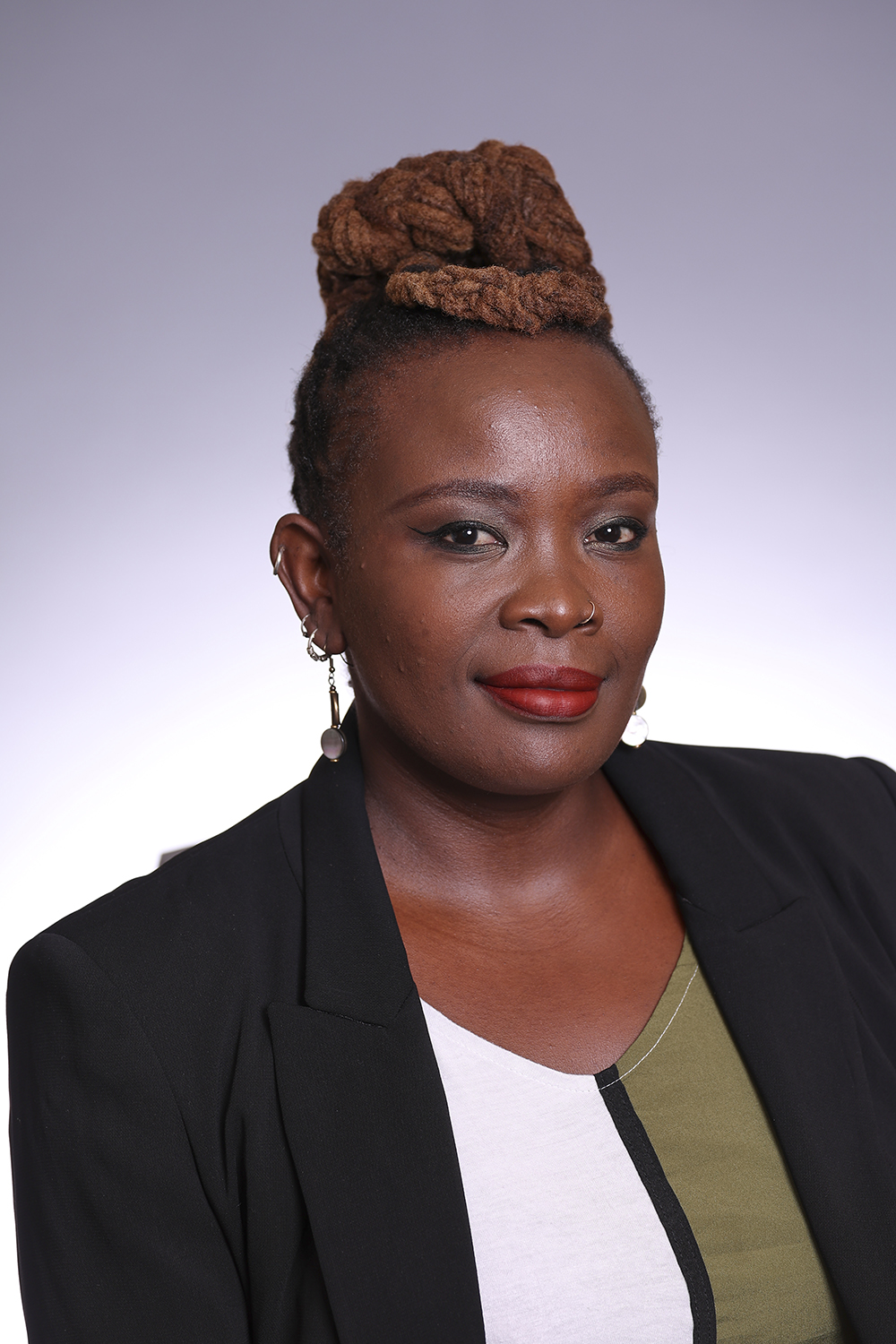
Nonresident Scholar, Technology and International Affairs
Nanjira Sambuli is a nonresident scholar in the Technology and International Affairs Program. She is a researcher, policy analyst and strategist studying the unfolding, gendered impacts of digitalization/ICT adoption on governance, diplomacy, media, entrepreneurship, and culture, especially in Africa.
Recent Work

Diana Sang, Jane Munga, Nanjira Sambuli
Nanjira Sambuli
Carnegie does not take institutional positions on public policy issues; the views represented herein are those of the author(s) and do not necessarily reflect the views of Carnegie, its staff, or its trustees.

While the EU and European governments are embracing the much-lauded middle-power moment, this entails three difficult conundrums.

Richard Youngs

Europe is facing rising populism internally as well as external pressures from Russia, China, Turkey, and the United States.

Dimitar Bechev

The hybrid warfare landscape is evolving rapidly, leaving policymakers without clear strategies. To better inform their work in addressing emerging challenges, governments must dig deeper into the underlying dynamics at play.


Raluca Csernatoni, Alicia Wanless
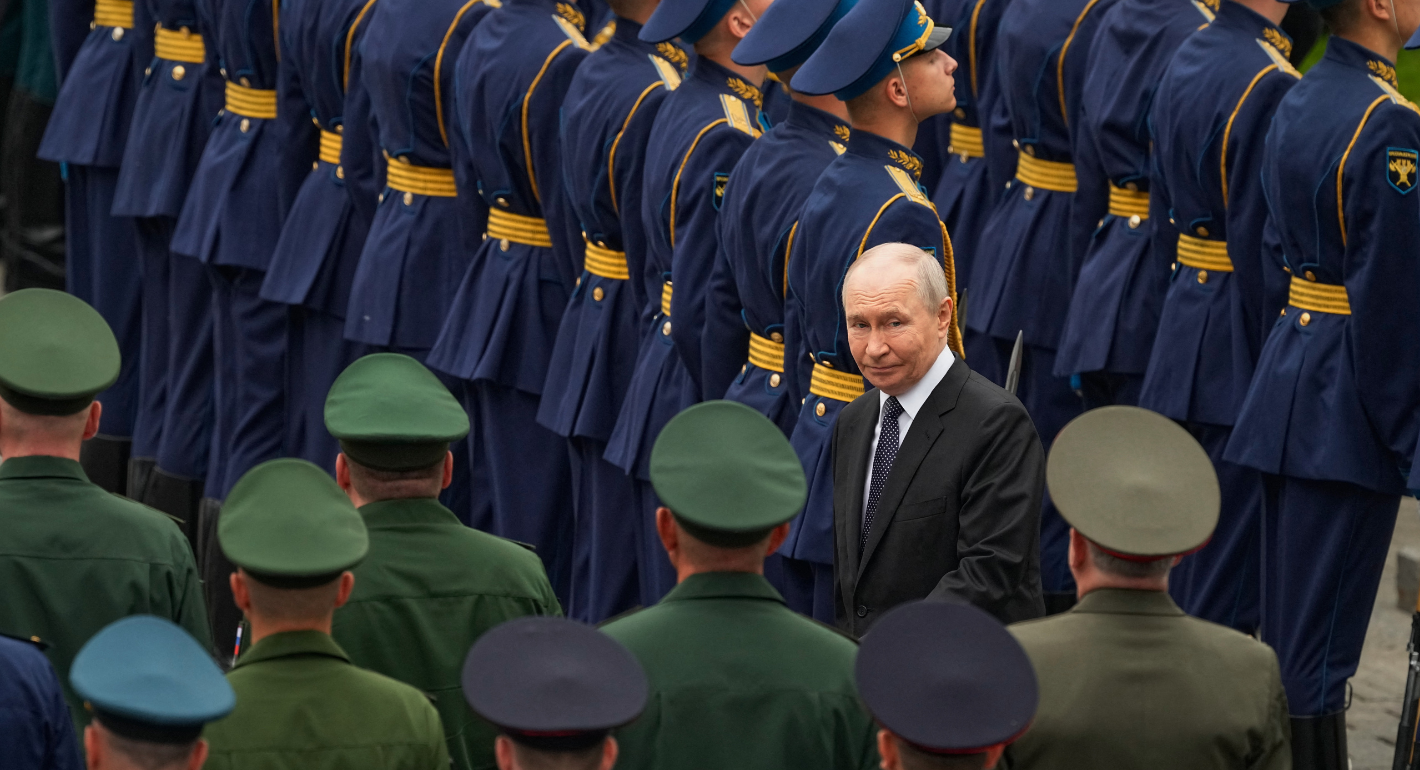
While Russia is not ready to sue for peace on Europe’s terms, it could still either seek a ceasefire in Ukraine or try escalation. Brussels needs to prepare for both and prioritize that preparation over normative discussions.

Kadri Liik

Autonomous AI agents are increasingly prevalent in cyberspace. The EU needs a real-time monitoring strategy, to invest in AI defenses, and to reduce its strategic dependence on U.S. frontier models.

Raluca Csernatoni, Patryk Pawlak