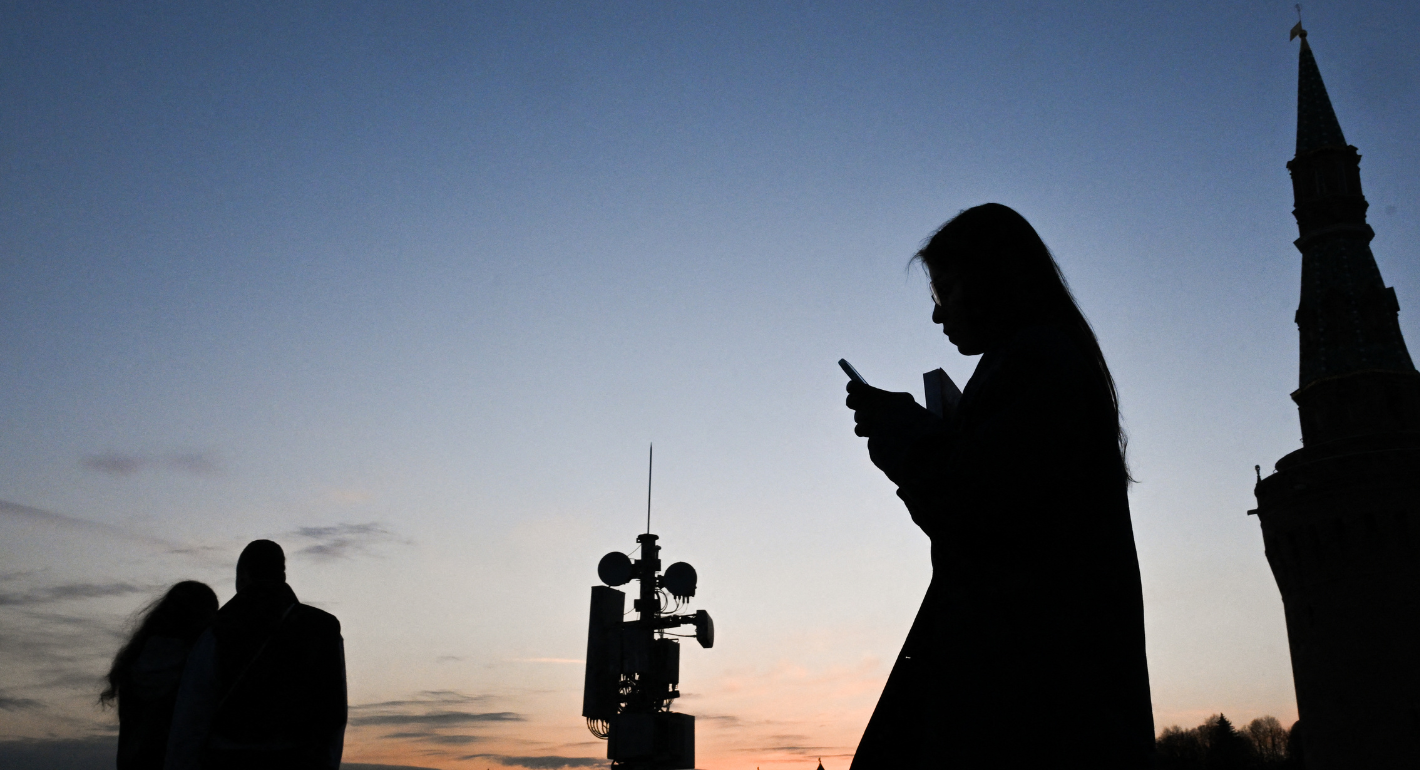
Autonomous AI agents are increasingly prevalent in cyberspace. The EU needs a real-time monitoring strategy, to invest in AI defenses, and to reduce its strategic dependence on U.S. frontier models.
Raluca Csernatoni, Patryk Pawlak
{
"authors": [
"Mariano-Florentino (Tino) Cuéllar",
"Benjamin Larsen",
"Yong Suk Lee",
"Michael Webb"
],
"type": "other",
"centerAffiliationAll": "",
"centers": [
"Carnegie Endowment for International Peace"
],
"collections": [
"Artificial Intelligence"
],
"englishNewsletterAll": "",
"nonEnglishNewsletterAll": "",
"primaryCenter": "Carnegie Endowment for International Peace",
"programAffiliation": "",
"programs": [],
"projects": [],
"regions": [],
"topics": [
"Technology"
]
}REQUIRED IMAGE
An examination of the impacts of potential artificial intelligence (AI) regulations on managers’ perceptions on ethical issues related to AI and their intentions to adopt AI technologies.
Distinguished Fellow
Mariano-Florentino (Tino) Cuéllar is a distinguished fellow at the Carnegie Endowment for International Peace. He was previously the tenth president of the Carnegie Endowment for International Peace. A former justice of the Supreme Court of California, he has served three U.S. presidential administrations at the White House and in federal agencies, and was the Stanley Morrison Professor at Stanford University, where he held appointments in law, political science, and international affairs and led the university’s Freeman Spogli Institute for International Studies.
Benjamin Larsen
Yong Suk Lee
Michael Webb
Carnegie does not take institutional positions on public policy issues; the views represented herein are those of the author(s) and do not necessarily reflect the views of Carnegie, its staff, or its trustees.
Autonomous AI agents are increasingly prevalent in cyberspace. The EU needs a real-time monitoring strategy, to invest in AI defenses, and to reduce its strategic dependence on U.S. frontier models.
Raluca Csernatoni, Patryk Pawlak
Defense tech innovations will be at the heart of Europe’s new security strategy. But so far, Brussels has been making moves without a broader plan, undermining readiness and credibility.
Raluca Csernatoni
For years, the United States anchored global cyber diplomacy. As Washington rethinks its leadership role, the launch of the UN’s Cyber Global Mechanism may test how allies adjust their engagement.
Patryk Pawlak, Chris Painter
Integrating AI into the workplace will increase job insecurity, fundamentally reshaping labor markets. To anticipate and manage this transition, the EU must build public trust, provide training infrastructures, and establish social protections.
Amanda Coakley
Tech giants are increasingly able to wield significant geopolitical influence. To ensure digital sovereignty, governments must insist on transparency and accountability.
Raluca Csernatoni