• Research
  • Strategic Europe
  • About
  • Experts
Carnegie Europe logoCarnegie lettermark logo
EUUkraine
  • Donate
{
  "authors": [],
  "type": "scholarSpotlight",
  "centerAffiliationAll": "dc",
  "centers": [
    "Carnegie Endowment for International Peace"
  ],
  "collections": [],
  "englishNewsletterAll": "",
  "nonEnglishNewsletterAll": "",
  "primaryCenter": "Carnegie Endowment for International Peace",
  "programAffiliation": "TIA",
  "programs": [
    "Technology and International Affairs"
  ],
  "projects": [],
  "regions": [
    "Iran"
  ],
  "topics": []
}

Source: Getty

Scholar Spotlight

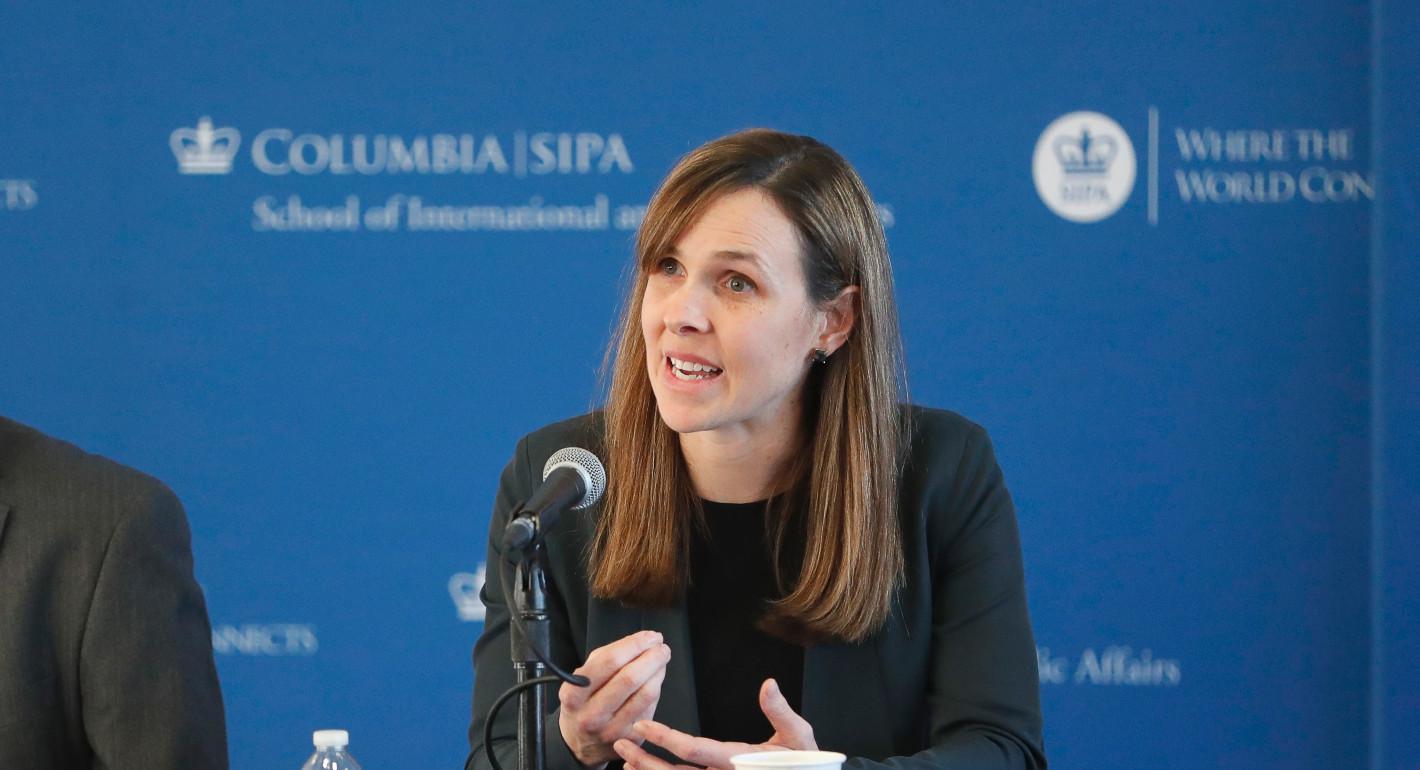
New Scholar Spotlight: Aubra Anthony

Our policy solutions must account for the myriad ways technology ends up being anything but neutral, and I’m thrilled to have the opportunity to explore these issues at Carnegie.

Link Copied
Published on Aug 9, 2022

A few years ago, I visited Ashesi University in Ghana to help with a workshop. I was there in my official capacity as part of the U.S. Agency for International Development (USAID), working with researchers to support Ashesi’s computer science students in exploring how different concepts of trust and fairness in machine learning arise in the Ghanaian context. One of the speakers shared an example of a machine learning application that had been optimized to assess the insurability of drivers in suburban America, using data on their driving patterns. The application (quite predictably) failed miserably when deployed in a West African context. The anecdote was amusing to us all. The implications of what it signaled—consequential decisions were being made at an international scale based off a myopically U.S.-centric design—were not.

My formal training in the hard sciences had relied on technology being a neutral tool—one that afforded me the luxury of arriving at an objectively right or wrong answer. But technology represents choices made by human designers, and those choices are inevitably influenced by a designer’s assumptions, world views, and values. As I transitioned out of academic physics and into technology policy and international development, I quickly found that my work not only affirmed this lack of neutrality, but also reinforced how important it is that policymakers understand what that means at a global scale. Context, as they say, is king, and all too often the context of apps, algorithms, designers, and users in less-developed countries is an afterthought to technologists and policymakers in more advanced economies—despite our interconnectedness and the increasingly rapid proliferation of technology-based products and services in emerging markets.

Digital and data-centric technology offer such tremendous potential to developing countries in terms of economic growth, innovation, transparency in civic engagement, and so much more. But there is also the risk of adverse digital incorporation and the dangers arising from these technologies’ ability to perpetuate or exacerbate power asymmetries—both within and across national boundaries. During my time with USAID, I was proud to lead the development of policy efforts to shape the U.S. government’s approach to addressing the challenges surrounding the responsible, inclusive development and deployment of technology in low- to middle-income countries, including USAID’s first-ever Digital Strategy and Artificial Intelligence Action Plan.

Building trustworthy technology can be done when policies, and their implementation, account for the many ways that society has struggled to establish trust in an analog world. Our policy solutions must account for the myriad ways technology ends up being anything but neutral, and I’m thrilled to have the opportunity to work with colleagues at Carnegie and beyond to explore these issues.

Iran

Carnegie does not take institutional positions on public policy issues; the views represented herein are those of the author(s) and do not necessarily reflect the views of Carnegie, its staff, or its trustees.

More Work from Carnegie Europe

  • Europe Iran nuclear talks
    Commentary
    Strategic Europe
    The Small Window for an EU-U.S. Diplomatic Push on Iran

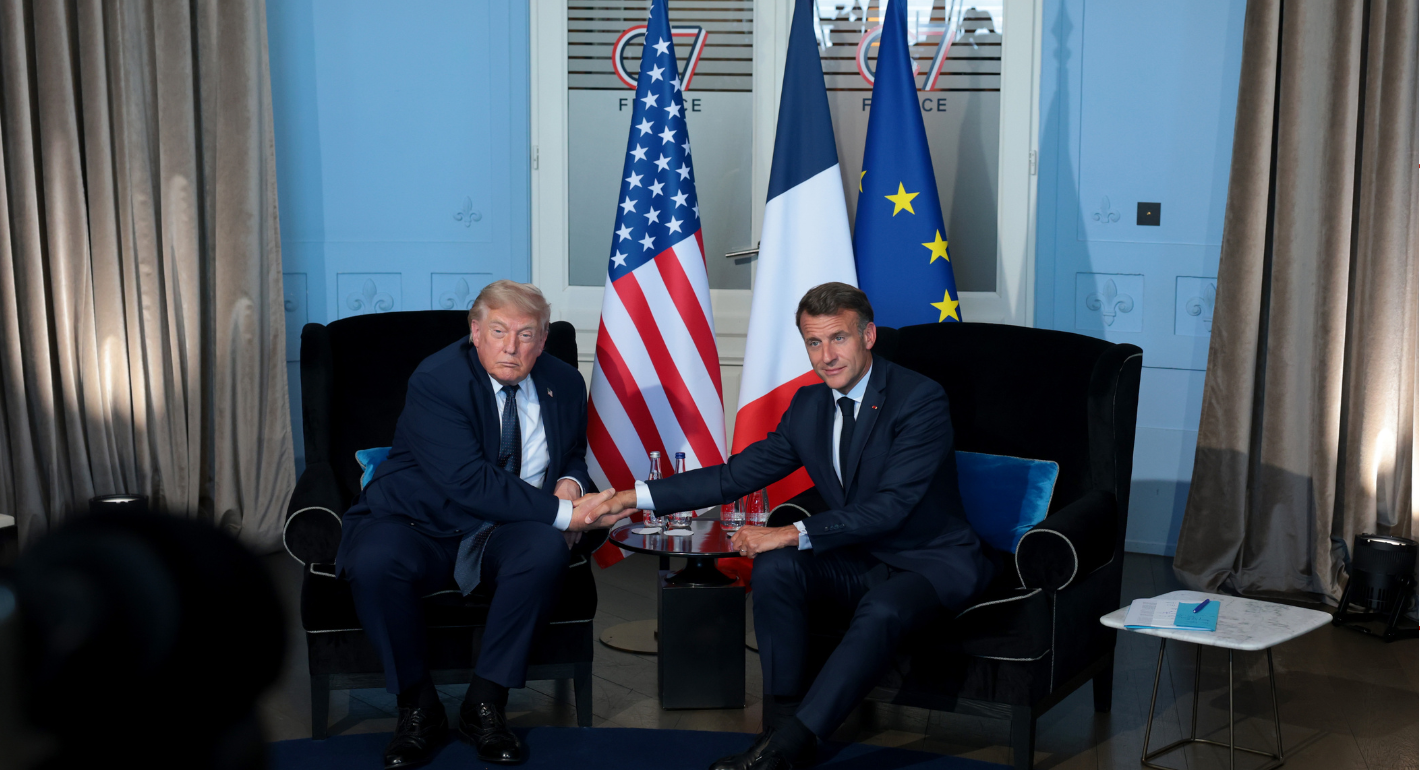
    To turn U.S. strikes on Iran’s nuclear program into a long-term resolution, Washington should seize the moment and cooperate with France, Germany, and the UK on diplomatic talks.

      • Rym Momtaz

      Rym Momtaz

  • Commentary
    Strategic Europe
    EU-Iran: Time to Revisit Assumptions and Strategize

    For too long, the EU focused on Iran’s nuclear program while mostly ignoring its malign regional activities and missile program. As the consequences of both hit closer to home, the union must pursue a new strategy focused on containing Iran’s regime, supporting Iranian civil society, and engaging with Gulf states.

      Cornelius Adebahr

  • Research
    Making an Inclusive EU Strategy on Iran a Reality

    The new EU leadership faces the crucial task of advancing a more comprehensive agenda with Iran. To achieve this, the union must develop a long-term, inclusive strategy that prioritizes human rights, supports civil society, and regionalizes policies.

      Cornelius Adebahr, Barbara Mittelhammer

  • Commentary
    Toward Accountability for Iran’s UN-Recognized Crimes Against Humanity

    To quell the revolt sparked by Mahsa Jina Amini’s death in 2022, Iran committed crimes against humanity, including gender persecution. EU governments must coordinate to advance judicial accountability of those responsible while protecting vulnerable groups and countering digital repression.

      Cornelius Adebahr, Barbara Mittelhammer

  • Commentary
    Strategic Europe
    Iran’s Global Posture Hides Domestic Insecurities

    The power Iran projects on the international scene masks a fragile regime that fears for its survival. The EU should comprehensively assess the challenges Tehran poses and adjust its policy accordingly.

      Cornelius Adebahr

Get more news and analysis from
Carnegie Europe
Carnegie Europe logo, white
Rue du Congrès, 151000 Brussels, Belgium
  • Research
  • Strategic Europe
  • About
  • Experts
  • Projects
  • Events
  • Contact
  • Careers
  • Privacy
  • For Media
  • Gender Equality Plan
Get more news and analysis from
Carnegie Europe
© 2026 Carnegie Endowment for International Peace. All rights reserved.