

Commentary
- +8
Sophia Besch, Eric Ciaramella, Steve Feldstein, …
{
  "authors": [
    "Sophia Besch"
  ],
  "type": "legacyinthemedia",
  "centerAffiliationAll": "dc",
  "centers": [
    "Carnegie Endowment for International Peace"
  ],
  "collections": [],
  "englishNewsletterAll": "ctw",
  "nonEnglishNewsletterAll": "",
  "primaryCenter": "Carnegie Endowment for International Peace",
  "programAffiliation": "EP",
  "programs": [
    "Europe"
  ],
  "projects": [],
  "regions": [
    "Russia",
    "Eastern Europe",
    "Ukraine",
    "Western Europe",
    "Iran"
  ],
  "topics": [
    "Political Reform"
  ]
}
REQUIRED IMAGE
The Russian invasion of Ukraine in 2022 is widely said to have transformed European defense, aligning threat perceptions, raising defense budgets, and focusing political will.

Former Senior Fellow, Europe Program
Sophia Besch was a senior fellow in the Europe Program at the Carnegie Endowment for International Peace. Her research focuses on European foreign and defense policy.
Recent Work


Sophia Besch, Eric Ciaramella, Steve Feldstein, …
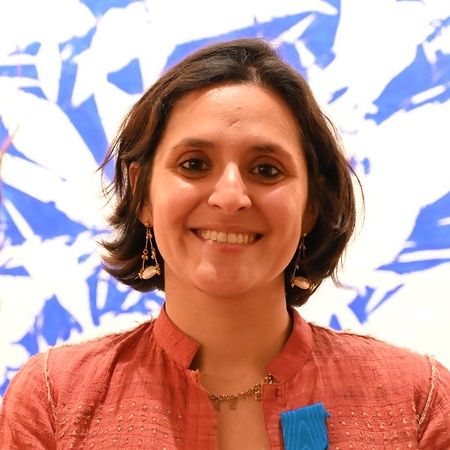
Sophia Besch, Tara Varma
Carnegie does not take institutional positions on public policy issues; the views represented herein are those of the author(s) and do not necessarily reflect the views of Carnegie, its staff, or its trustees.

Europe is facing rising populism internally as well as external pressures from Russia, China, Turkey, and the United States.

Dimitar Bechev

A notable degree of participative democracy has firmly arrived in Europe. But to have more far-reaching impact, democratic deliberation needs to move into a radically new phase.

Richard Youngs

Much has been said of the changes Brussels is trying to make to the EU enlargement process. Here’s why gradual integration might—or might not—be the answer.
Dimitar Bechev

The domestic impacts of how long it is taking to end the war in Ukraine have pushed the French electorate to the political extremes and compromised the country’s diplomatic capacity.

Rym Momtaz

Before the next wave of EU enlargement takes place, the union needs to grapple with thorny questions of how power is distributed among its members.


Emil Sondaj Hansen, Ditte Brasso Sørensen