

In The Media
Lilia Shevtsova
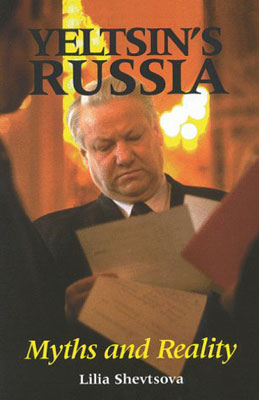
Combining keen political analysis with the unique perspective of a native observer, Lilia Shevtsova offers a valuable assessment of the forces that will shape the post-Yeltsin era.
Source: Washington

An even more telling example of the country’s paradoxical nature is Boris Yeltsin himself, president of Russia since the collapse of the Soviet Union in 1991. Regarded by many in the West as a democratic reformer who helped bring down the communist system, Yeltsin in office has often behaved like a demagogue concerned more with his political survival than with the rule of law. Written off many times as politically dead, Yeltsin has surprised domestic and foreign observers with sudden comebacks that shake up the Russian government and the political landscape—most recently in the economic crisis of the summer and fall of 1998.
Yeltsin’s Russia: Myths and Reality is the most current and comprehensive account of the achievements—and failures—of Boris Yeltsin’s Russia. Combining keen political analysis with the unique perspective of a native observer, author Lilia Shevtsova also offers a valuable assessment of the forces that will shape the post-Yeltsin era.
"One of Russia's most respected political scientists ... [Shevtsova] provides a highly illuminating insight into the state of modern Russia ... and is able to identify many of the elements of continuity in Yeltsin's political system which have eluded the gaze of western analysts."
—Financial Times of London
"In terms of intellect and political contacts, no one is more qualified to explore [Russia's] complex, unhappy evolution than Shevtsova ... a very thoughtful, intelligent account."
—Foreign Affairs
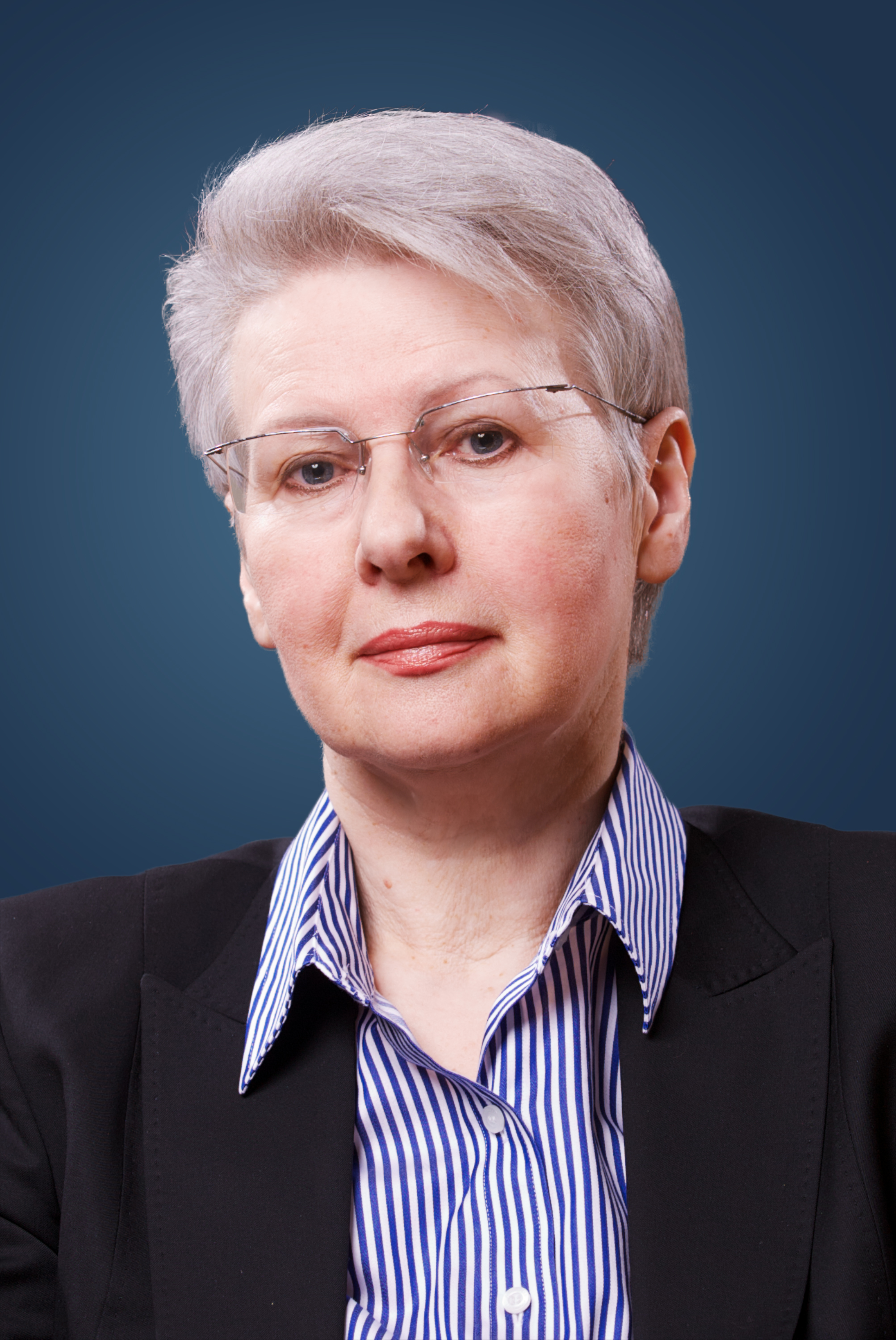
Former Senior Associate, Russian Domestic Politics and Political Institutions Program, Moscow Center
Shevtsova chaired the Russian Domestic Politics and Political Institutions Program at the Carnegie Moscow Center, dividing her time between Carnegie’s offices in Washington, DC, and Moscow. She had been with Carnegie since 1995.
Recent Work
Lilia Shevtsova
Lilia Shevtsova

A summer of escalation in the Black Sea has hurt Ukraine economically and is exacerbating world food security. A truce is needed—as is a broader reframing of Europe’s Ukraine strategy.

Thomas de Waal

European Commission President Ursula von der Leyen is about to give her annual address on the state of the EU. Here’s what she won’t—but should—say.

Rym Momtaz

The EU’s responses to two recent incidents expose the gulf between European perceptions and capabilities. Unless the union can bridge that gap, it will never become a real geostrategic power.
Rym Momtaz

European states control several Overseas Countries and Territories around the world that carry strategic, economic, and environmental weight. As great powers challenge the rules-based order, defending them is a geopolitical imperative for Europe.

Marc Pierini
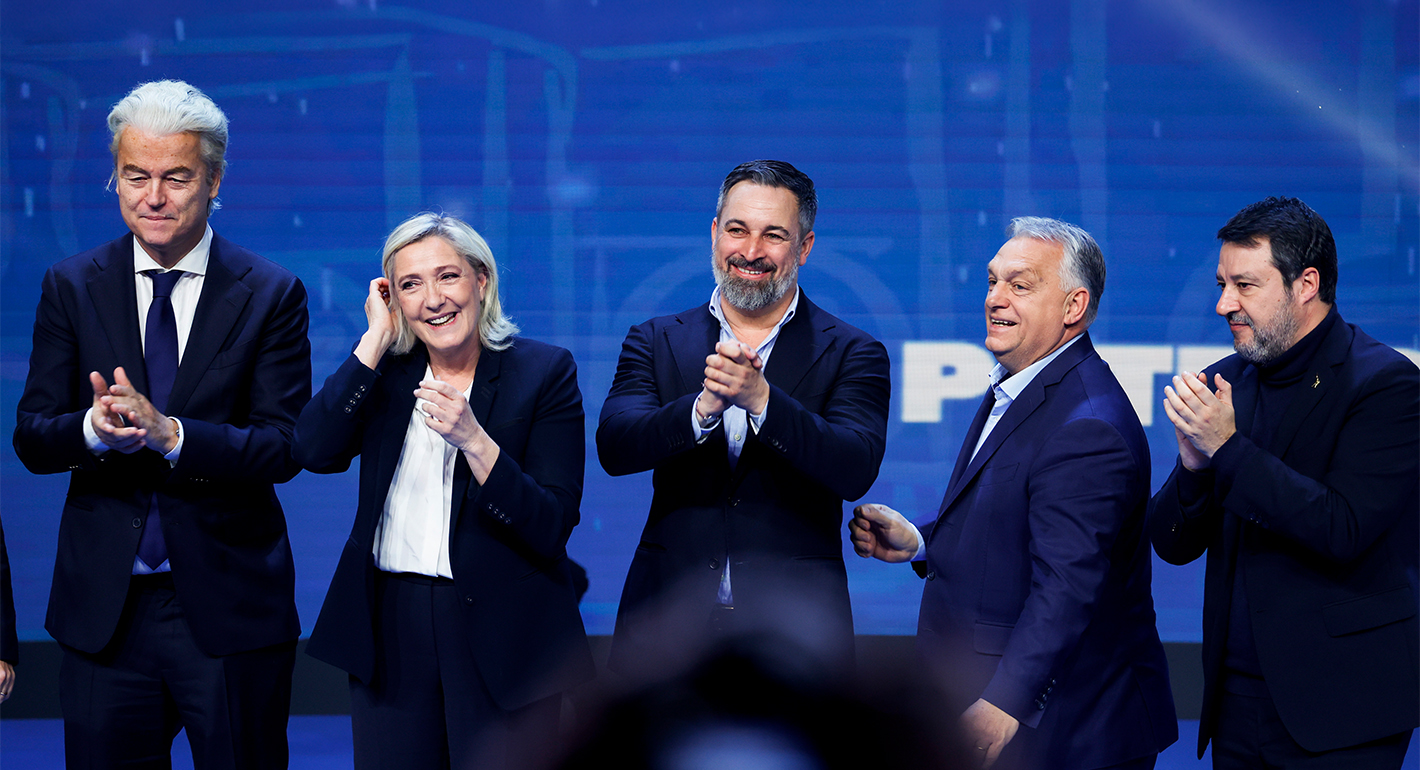
In supporting Europe’s far-right, MAGA and Russia both want the same thing: a weaker EU. Europe must defend itself without abandoning the openness these forces exploit.

Armida van Rij