

Commentary
Much has been said of the changes Brussels is trying to make to the EU enlargement process. Here’s why gradual integration might—or might not—be the answer.
Dimitar Bechev

Source: Carnegie
Nancy Birdsall and Augusto de la Torre with Rachel Menezes
Transcript of the event
The Washington Consensus , which focused on structural adjustment and growth, has dominated economic policy change for over a decade worldwide. But times have changed. A new consensus has emerged that assigns high priority to reducing poverty and improving equity. This report sets out economic policies—10 domestic and one international—that would transform this consensus into political reality in Latin America.
Washington Contentious: Economic Policies for Social Equity in Latin America spells out the findings of the Commission on Economic Reform in Unequal Latin American Societies sponsored by the Carnegie Endowment for International Peace and the Inter-American Dialogue
Former Senior Associate
Rachel Menezes
Carnegie does not take institutional positions on public policy issues; the views represented herein are those of the author(s) and do not necessarily reflect the views of Carnegie, its staff, or its trustees.

Much has been said of the changes Brussels is trying to make to the EU enlargement process. Here’s why gradual integration might—or might not—be the answer.

Dimitar Bechev

The European Commissioner for Trade is headed to China. But after President Xi’s bridge-building visit to Washington, can a more isolated EU overcome Beijing’s stranglehold on critical raw materials? Who will blink first?

Rym Momtaz, ed.

A summer of escalation in the Black Sea has hurt Ukraine economically and is exacerbating world food security. A truce is needed—as is a broader reframing of Europe’s Ukraine strategy.

Thomas de Waal

Canadian Prime Minister Mark Carney has twice inspired praise for standing up to U.S. President Donald Trump: at the 2026 World Economic Forum in Davos and on Canada-U.S. trade negotiations. Is Carney showing a third way better than the EU has in dealing with the Trump administration?
Rym Momtaz, ed.
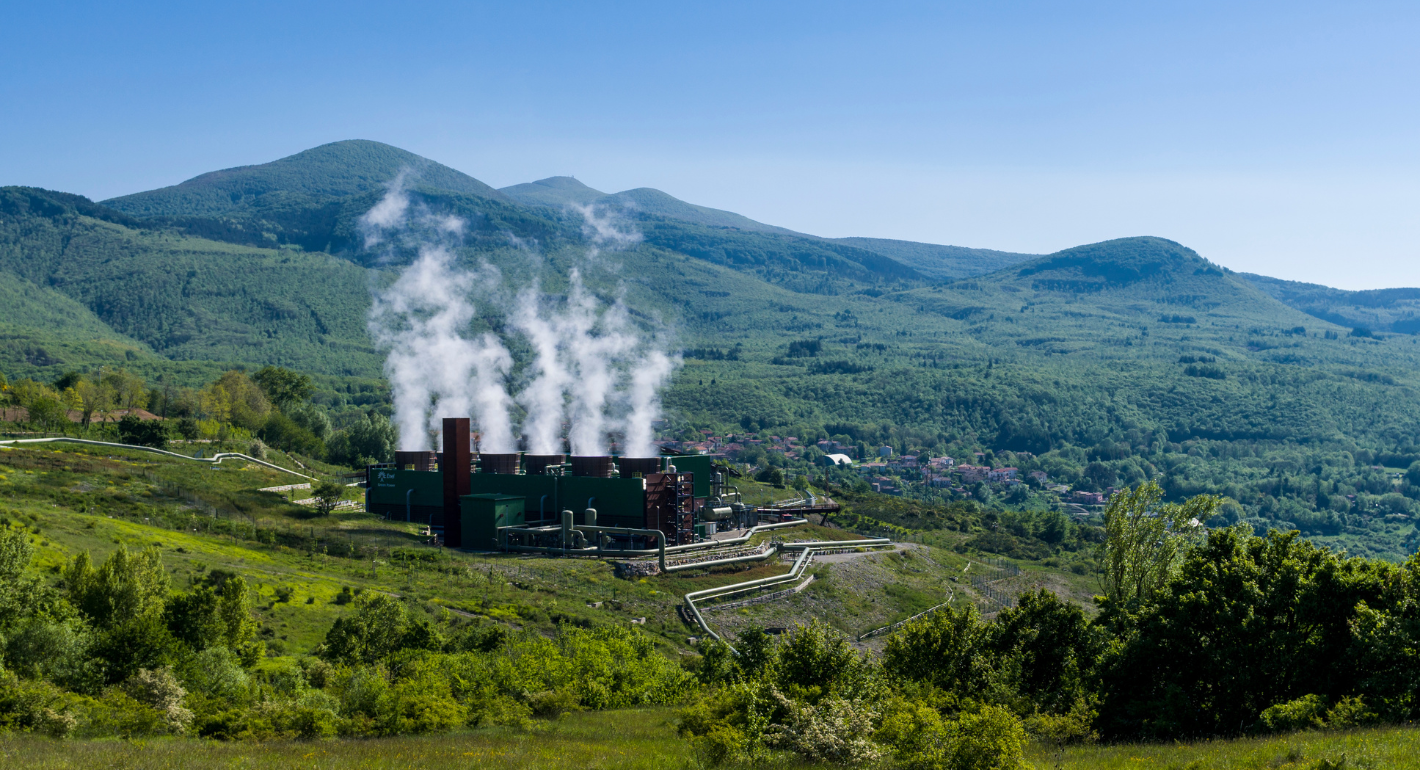
Europe’s industrial supply chains leave it vulnerable to global shocks. The EU needs a pragmatic green industrial strategy that balances durable partnerships and bolsters homegrown clean tech without sacrificing low-carbon ambition.


Milo McBride, Pauline Gerard