

Commentary
In Ukraine, Gaza, and Iran, AI warfare has come to dominate, with barely any oversight or accountability. Europe must lead the charge on the responsible use of new military technologies.
Raluca Csernatoni

REQUIRED IMAGE
The raging violence between Israelis and Palestinians has raised fears of a wider war in the Middle East. For background on the possible use of weapons of mass destruction in future conflicts, we provide summaries on the nuclear weapon capabilities of Israel, Iraq and Iran from a forthcoming Carnegie study, Deadly Arsenals: Tracking Weapons of Mass Destruction (June 2002). Later analyses will assess regional chemical and biological weapons capabilities and missile arsenals.
The raging violence between Israelis and Palestinians has raised fears of a wider war in the Middle East. For background on the possible use of weapons of mass destruction in future conflicts, we provide summaries on the nuclear weapon capabilities of Israel, Iraq and Iran from a forthcoming Carnegie study, Deadly Arsenals: Tracking Weapons of Mass Destruction (June 2002). Later analyses will assess regional chemical and biological weapons capabilities and missile arsenals.
Israel's Nuclear Weapon Capability
Israel has an advanced nuclear weapon capability, and is thought to possess enough nuclear material for between 98 and 172 nuclear weapons. Israel is not a party to the Non-Proliferation Treaty (NPT) and has not acknowledged that it has nuclear weapons, but is indisputably regarded as a de facto nuclear-weapon state. The exact number of weapons Israel has assembled is unknown but is more likely on the lower end of the possible range. In all, Israel is thought to have produced between 391 and 687 kilograms of weapons-grade plutonium since its nuclear research reactor at Dimona started its operation in early 1964. Plutonium separated from the fuel rods in the reactor allowed Israel to complete the development of its first nuclear device by late 1966 or 1967, becoming the sixth nation in the world to do so. It remains the only nation in the Middle East with nuclear weapons.
Iraq's Nuclear Weapon Capability
By mid-1997, the International Atomic Energy Agency believed that its dismantlement efforts and ongoing monitoring and verification efforts, along with the damage done by Operation Desert Storm had, as a physical matter, shut down the Iraqi nuclear weapon program. U.S. and British air strikes in Operation Desert Fox during December 1998 inflicted additional damage on Iraq’s missile production capabilities. Iraq’s ambitions and accumulated nuclear technical expertise remain, however, and with them the capability to restart the program covertly. Without on-site inspectors it is difficult to ascertain the precise extent to which Saddam Hussein has been able to rebuild his nuclear-weapon program. According to a U.S. Defense Department 2001 report, "Iraq would need five or more years and key foreign assistance" to rebuild its nuclear facilities to enrich sufficient uranium for a nuclear weapon. Significantly, this time-frame has not changed since the department’s 1996 assessment, which estimated that Iraq would take "five to seven" years to develop that capability. This time would be considerably shortened if Baghdad acquires the fissile material from foreign suppliers. According to Khidhir Hamza, an Iraqi defector who spent twenty years leading Iraq’s nuclear-weapon program, Iraq’s greatest asset is the two dozen nuclear scientists and engineers still in Iraq. This existing expertise, combined with the absence of ground monitors and the decreasing support for the UN sanctions regime, has led to heightened anxiety about Iraq’s program. Iraq may have a workable design for a nuclear weapon, and thus the major obstacle is acquiring fissile material. If Iraq did acquire material from another country it possibly could assemble a nuclear weapon in months.
Iran's Nuclear Weapon Capability
Iran currently has no nuclear-weapon capability, but it is known to be pursuing a nuclear-weapon option. The intelligence services of the United States, the United Kingdom, Germany and Israel have confirmed the existence of a long-term program to manufacture nuclear weapons. The U.S. Department of Defense cites Iran as "one of the countries most active in seeking to acquire NBC- and missile-related technologies." Iran has the basic nuclear technology and infrastructure to build a bomb and "Iran’s success in achieving a nuclear capability will depend, to a large degree, on the supply policies of Russia and China or on Iran’s successful illicit acquisition of adequate quantities of weapons-usable fissile material."
Additional Resources:
Click Here to Return to Proliferation News
Carnegie does not take institutional positions on public policy issues; the views represented herein are those of the author(s) and do not necessarily reflect the views of Carnegie, its staff, or its trustees.
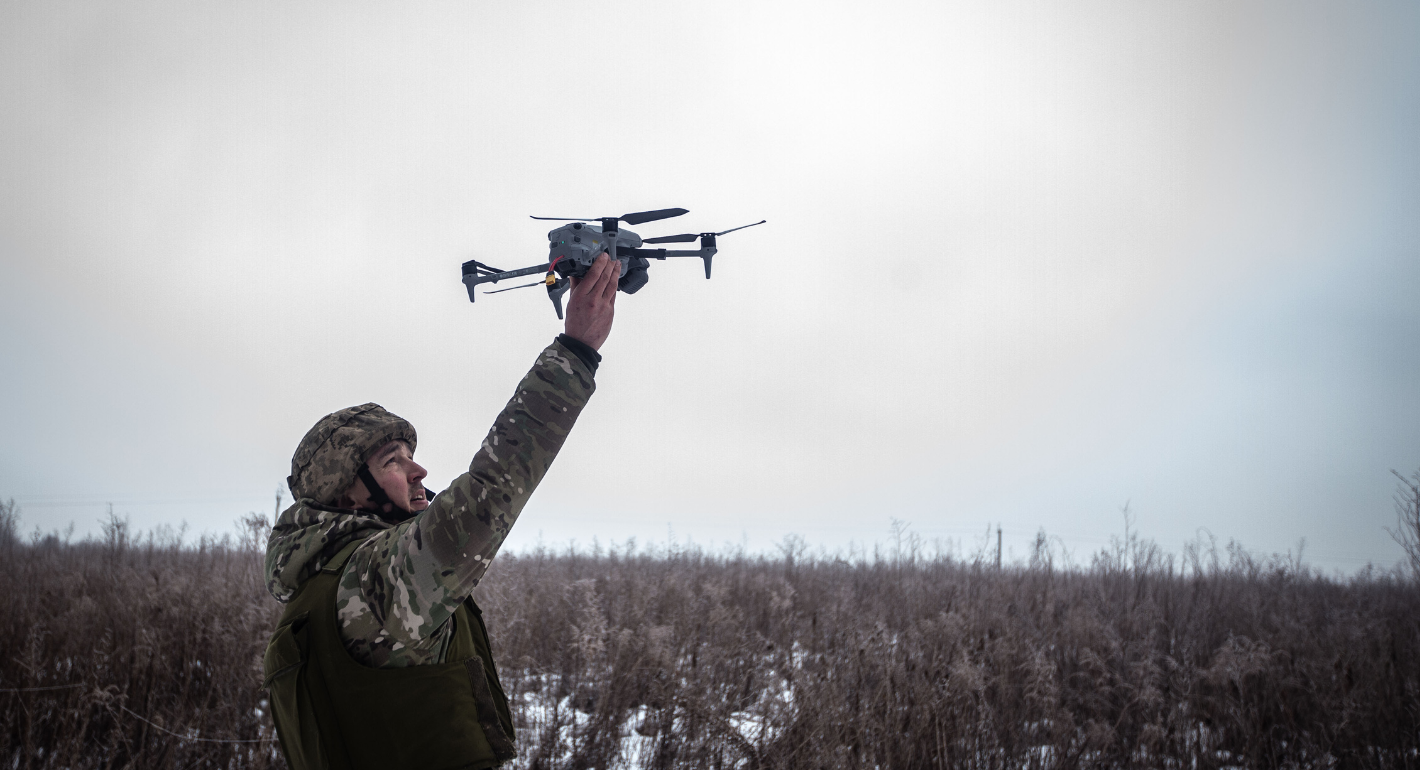
In Ukraine, Gaza, and Iran, AI warfare has come to dominate, with barely any oversight or accountability. Europe must lead the charge on the responsible use of new military technologies.

Raluca Csernatoni
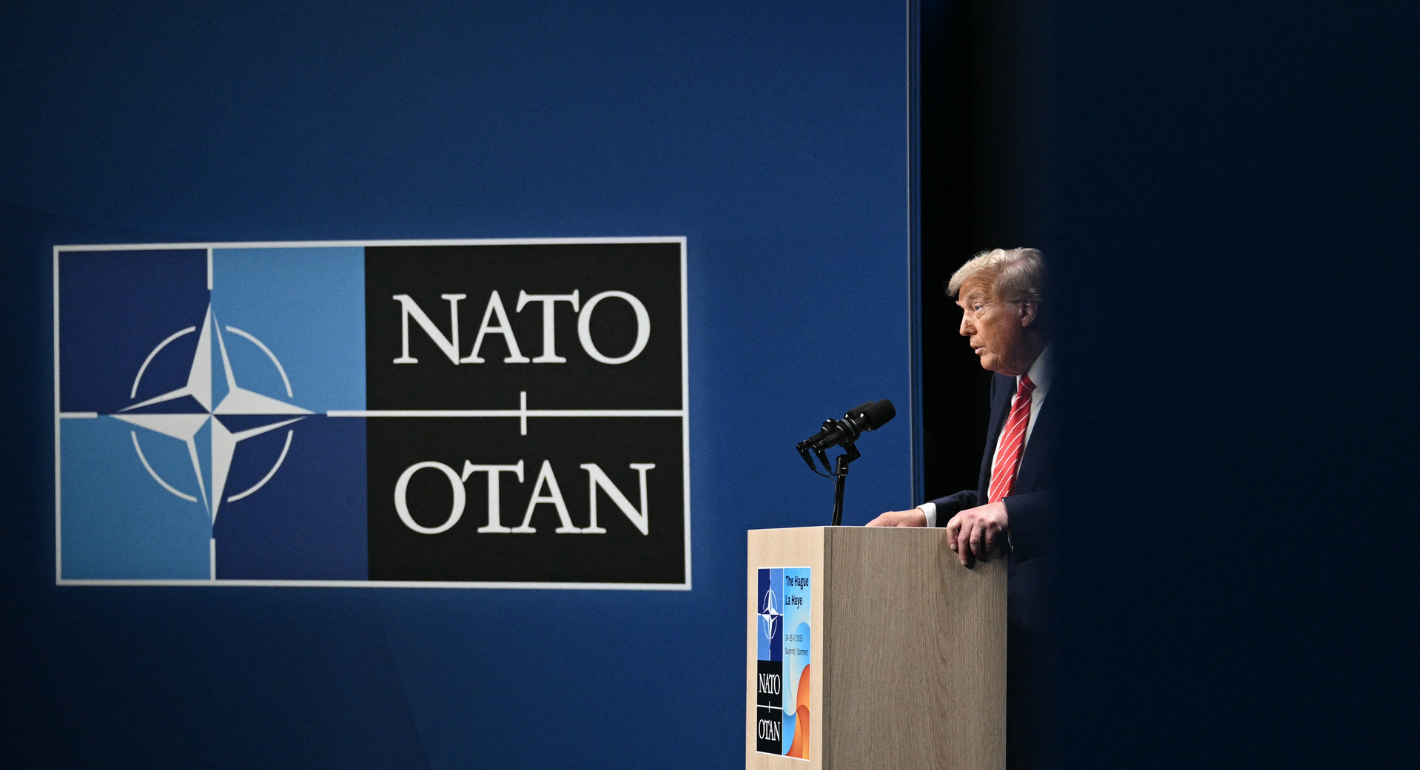
Donald Trump has repeatedly bashed NATO and European allies, threatening to annex Canada and Greenland and deploring their lack of enthusiasm for his war of choice in Iran. Is this latest round of abuse the final straw?

Rym Momtaz, ed.
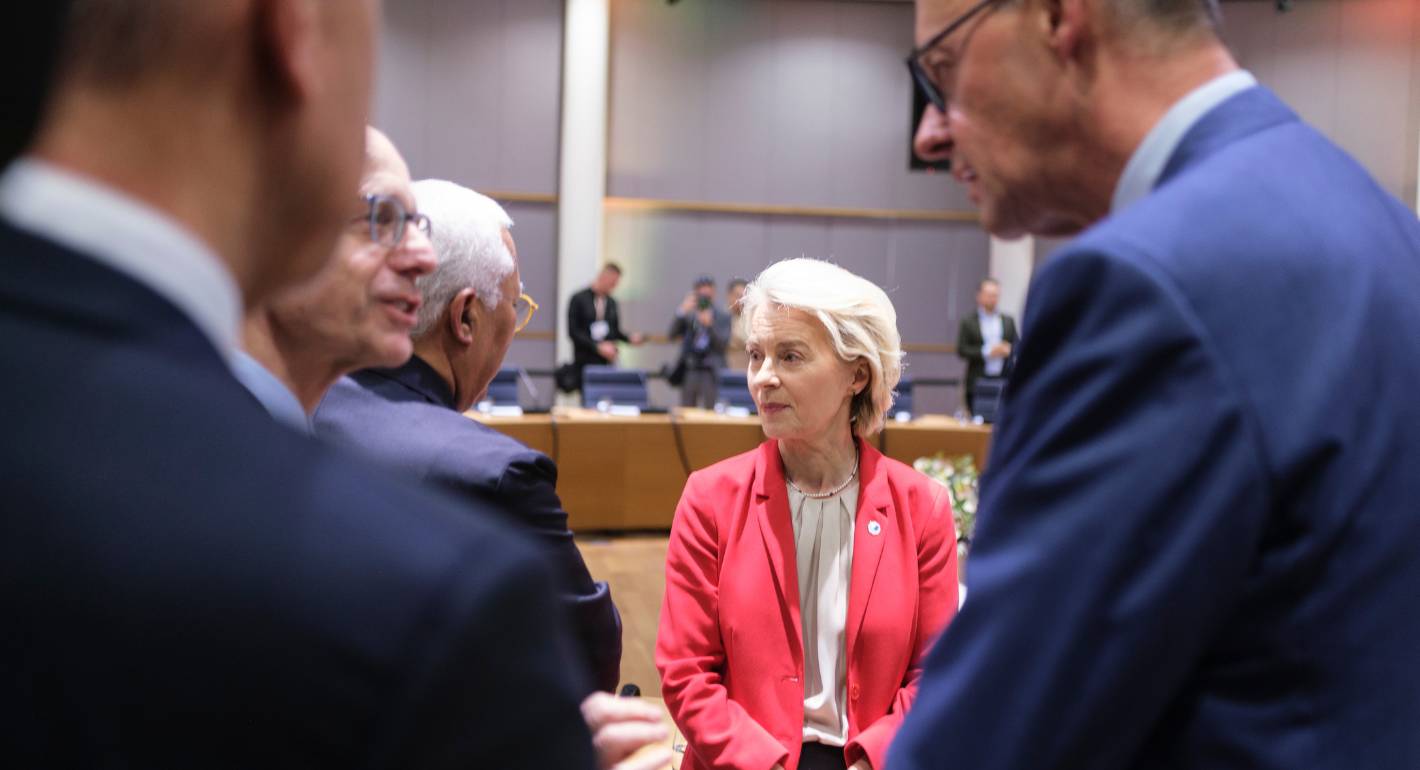
The war in Iran proves the United States is now a destabilizing actor for Europe and the Arab Gulf. From protect their economies and energy supplies to safeguarding their territorial integrity, both regions have much to gain from forming a new kind of partnership together.
Rym Momtaz
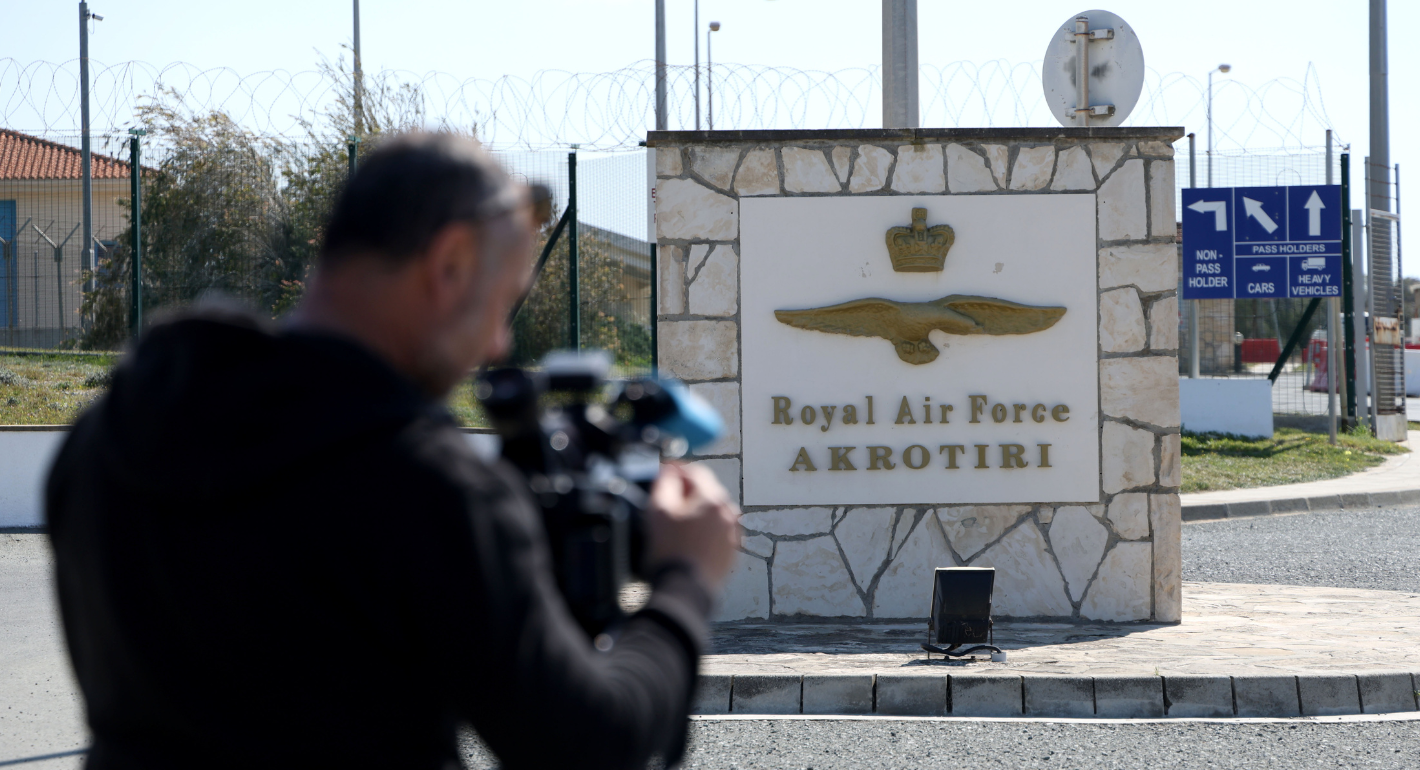
The drone strike on the British air base in Akrotiri brings Europe’s proximity to the conflict in Iran into sharp relief. In the fog of war, old tensions in the Eastern Mediterranean risk being reignited, and regional stakeholders must avoid escalation.

Marc Pierini

European reactions to the war in Iran have lost sight of wider political dynamics. The EU must position itself for the next phase of the crisis without giving up on its principles.

Richard Youngs