

Article
Marina Ottaway, Omar Hossino

REQUIRED IMAGE
Source: Carnegie
Summary
The U.S. government has made the promotion of women's rights and the empowerment of women a central element of its new campaign to modernize and democratize the Arab world. This new focus is widely supported, but its popularity has generated confusion about the actual conditions of women in the Middle East and the problems they face; about the relationship between women's rights and democracy; and about what an outside intervenor like the United States can accomplish. This paper seeks to clarify some of these issues.
Click on link above for the full text of this Carnegie Paper.
This is the fourth in a series of papers that frame key issues relating to democracy promotion policies and programs in the Middle East. Also in the series:

About the Author
Marina Ottaway is senior associate in the Democracy and Rule of Law Project. Among her most recent publications are The Right Road to Sovereignty in Iraq (Policy Brief no. 27) and Democracy Challenged: The Rise of Semi-Authoritarianism (Carnegie Endowment, 2003).
Some print copies are available.
Request a copy

Former Senior Associate, Middle East Program
Before joining the Endowment, Ottaway carried out research in Africa and in the Middle East for many years and taught at the University of Addis Ababa, the University of Zambia, the American University in Cairo, and the University of the Witwatersrand in South Africa.
Recent Work
Marina Ottaway, Omar Hossino
Marina Ottaway
Carnegie does not take institutional positions on public policy issues; the views represented herein are those of the author(s) and do not necessarily reflect the views of Carnegie, its staff, or its trustees.
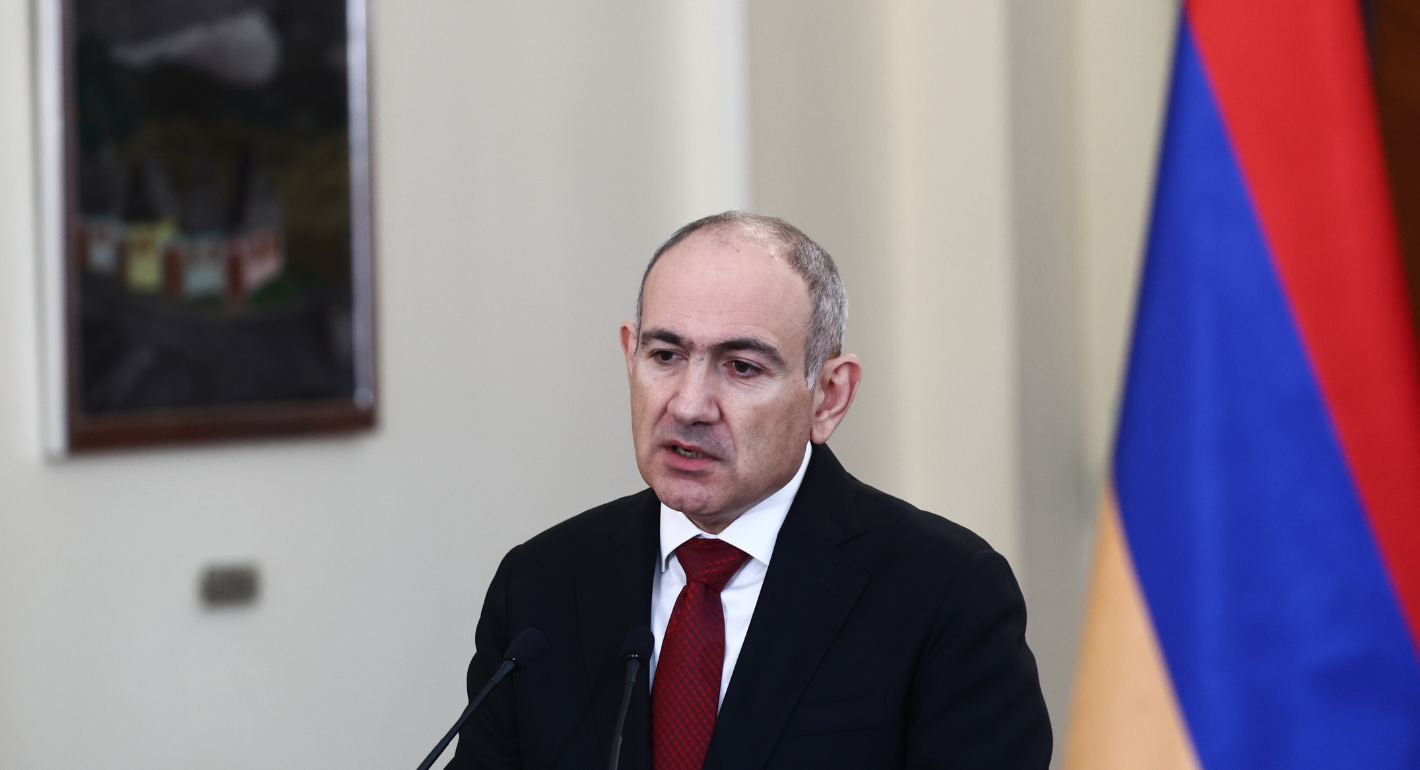
Europe has an interest in supporting Armenian leader Nikol Pashinyan as he tries to make peace with neighbors and loosen ties with Russia. But it is depersonalized support in the long term, not quickfire flash, that will win the day.

Thomas de Waal
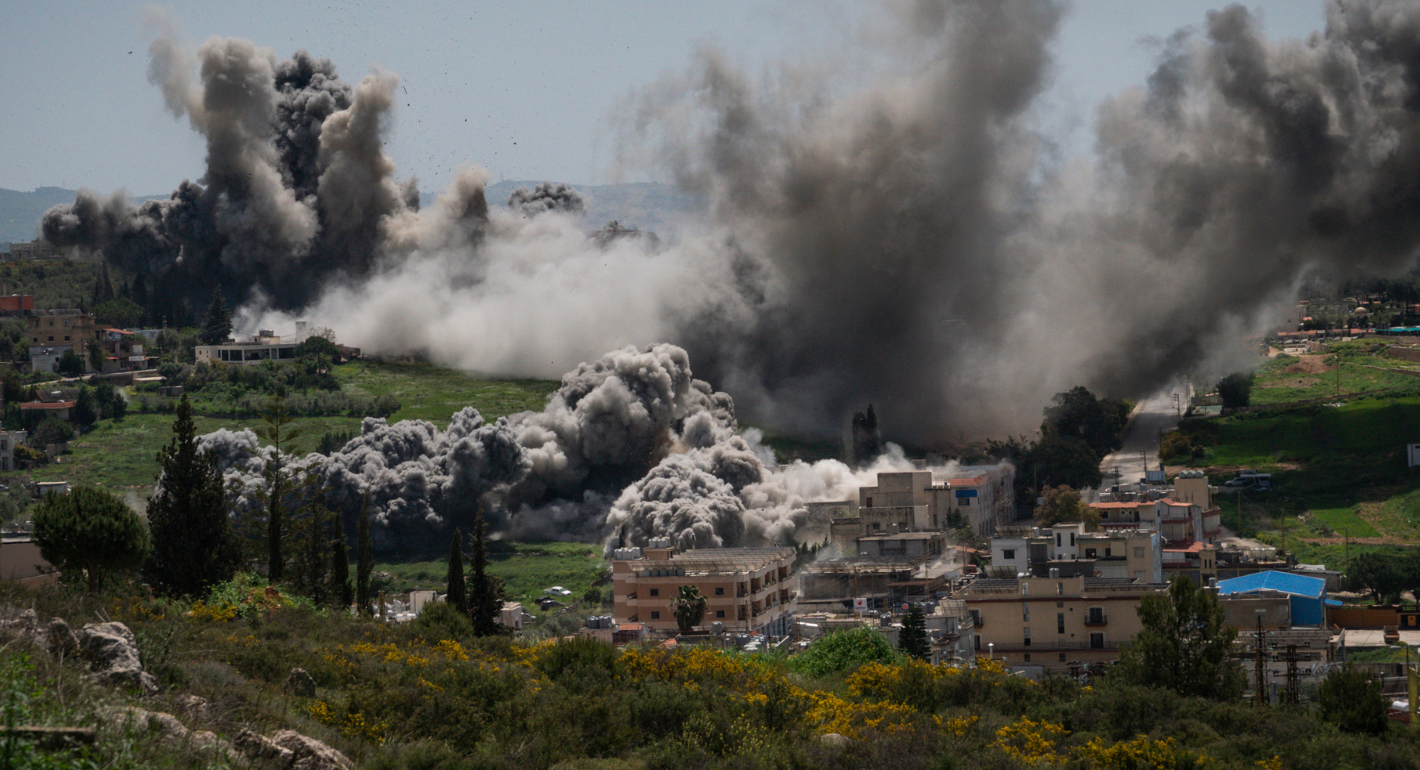
Europe has been standing by while its Southern neighborhood is being redrawn by force. To establish a path to peace between Israel and Lebanon, it’s time for Europeans to get involved with hard power.

Rym Momtaz
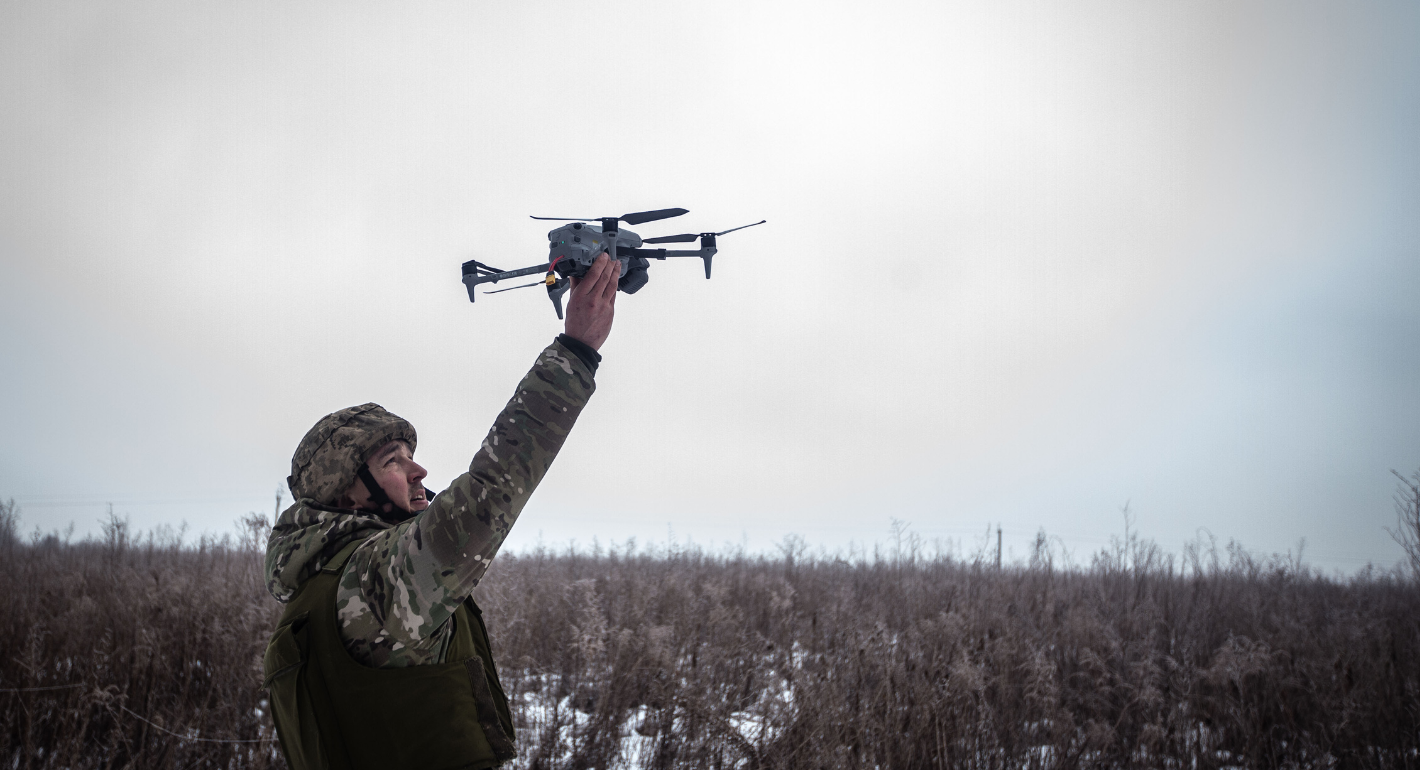
In Ukraine, Gaza, and Iran, AI warfare has come to dominate, with barely any oversight or accountability. Europe must lead the charge on the responsible use of new military technologies.

Raluca Csernatoni
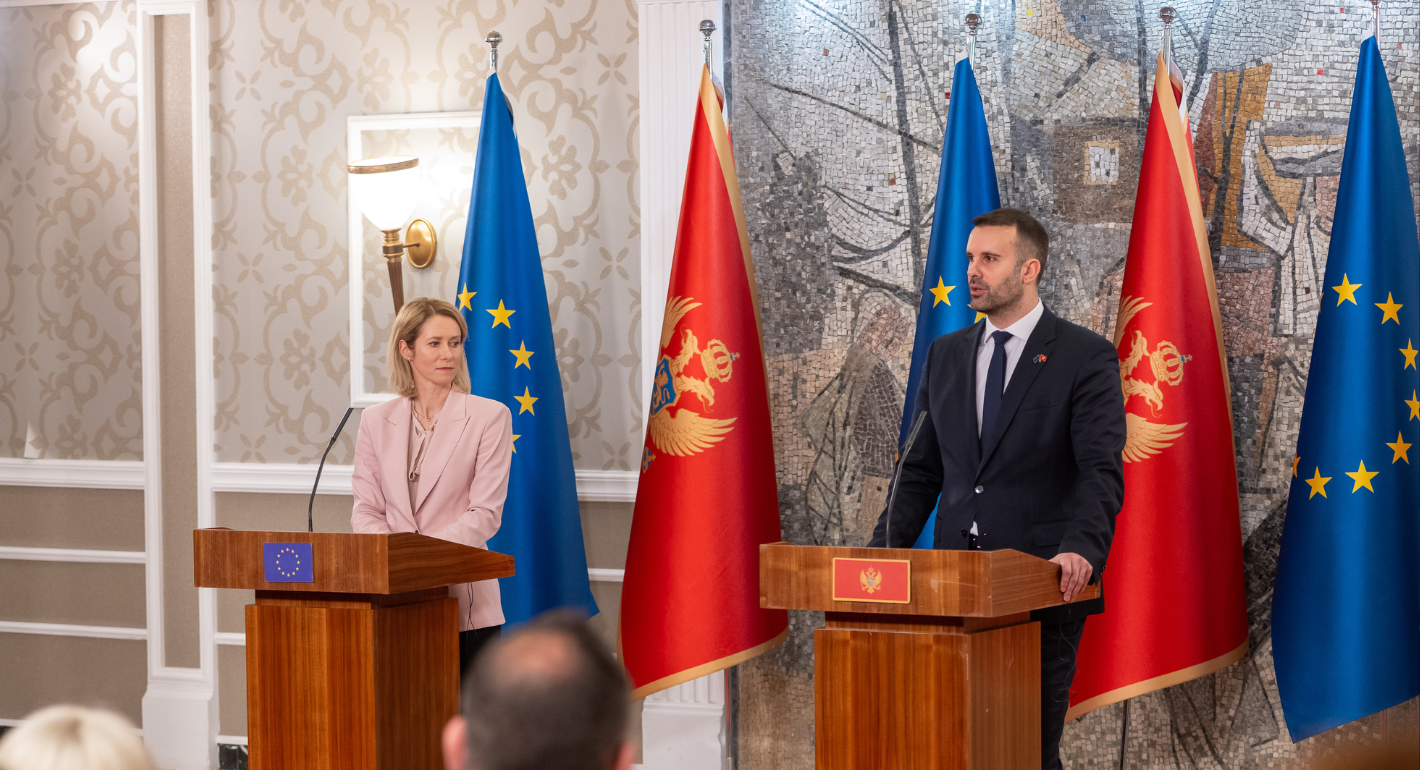
Montenegro and Albania are frontrunners for EU enlargement in the Western Balkans, but they can’t just sit back and wait. To meet their 2030 accession ambitions, they must make a strong positive case.


Dimitar Bechev, Iliriana Gjoni
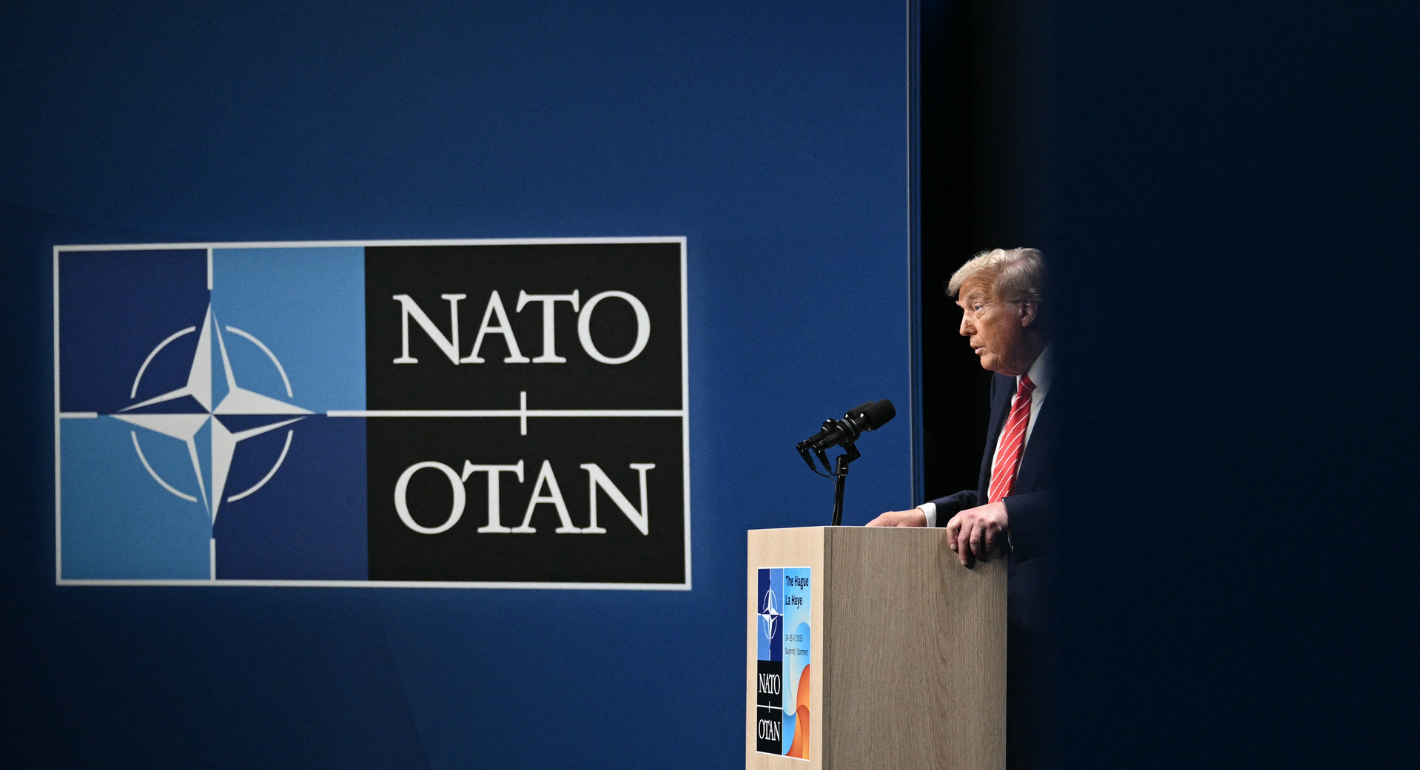
Donald Trump has repeatedly bashed NATO and European allies, threatening to annex Canada and Greenland and deploring their lack of enthusiasm for his war of choice in Iran. Is this latest round of abuse the final straw?
Rym Momtaz, ed.