

Commentary
Richard Youngs

REQUIRED IMAGE
While enjoying both quantitative and qualitative advantages relative to U.S. efforts, European democracy policies in the Middle East require significant revision if they are to attain the sophisticated holistic gradualism to which they aspire.
Summary
Deliberation of democracy promotion in the Middle East intensified after the attacks of 9/11, and has been further energized by the transatlantic debates that were progeny of the Iraqi conflict. More intense debate over support for political change in the Middle East has forced the U.S. and Europe into a closer exploration of each other’s actual and intended approaches to democracy promotion in the region.
In this sixth Carnegie Paper framing key issues relating to democracy promotion in the Middle East, this essay outlines the way in which the EU introduced a limited and selective Middle Eastern democracy policy in the 1990s; catalogs some of the new initiatives introduced by both European governments and the EU collectively since the terrorist attacks of 9/11; identifies the distinctive conceptual features of Europe’s approach to political reform; and suggests ways in which EU strategy in the Middle East should be strengthened.
The paper contends that Europe’s determination to reinforce a distinctiveness from the U.S. has been a source of strength, but also an obstacle to tempering persistent insufficiencies in EU strategy. While enjoying both quantitative and qualitative advantages relative to U.S. efforts, European democracy policies in the Middle East require significant revision if they are to attain the sophisticated holistic gradualism to which they aspire.
Click on link above for the full text of this Carnegie Paper.
Also in the Middle East series:

About the Author
Richard Youngs is an EU Marie Curie research fellow and is coordinating the Civility project on Middle East reform run by the Foreign Policy Centre in London. He has previously worked in the Foreign and Commonwealth Office and coordinated an EU project on democracy promotion.

Senior Fellow, Democracy, Conflict, and Governance Program
Richard Youngs is a senior fellow in the Democracy, Conflict, and Governance Program, based at Carnegie Europe. He works on EU foreign policy and on issues of international democracy.
Recent Work
Richard Youngs


Richard Youngs, ed., Elena Viudes Egea, Zselyke Csaky, …
Carnegie does not take institutional positions on public policy issues; the views represented herein are those of the author(s) and do not necessarily reflect the views of Carnegie, its staff, or its trustees.
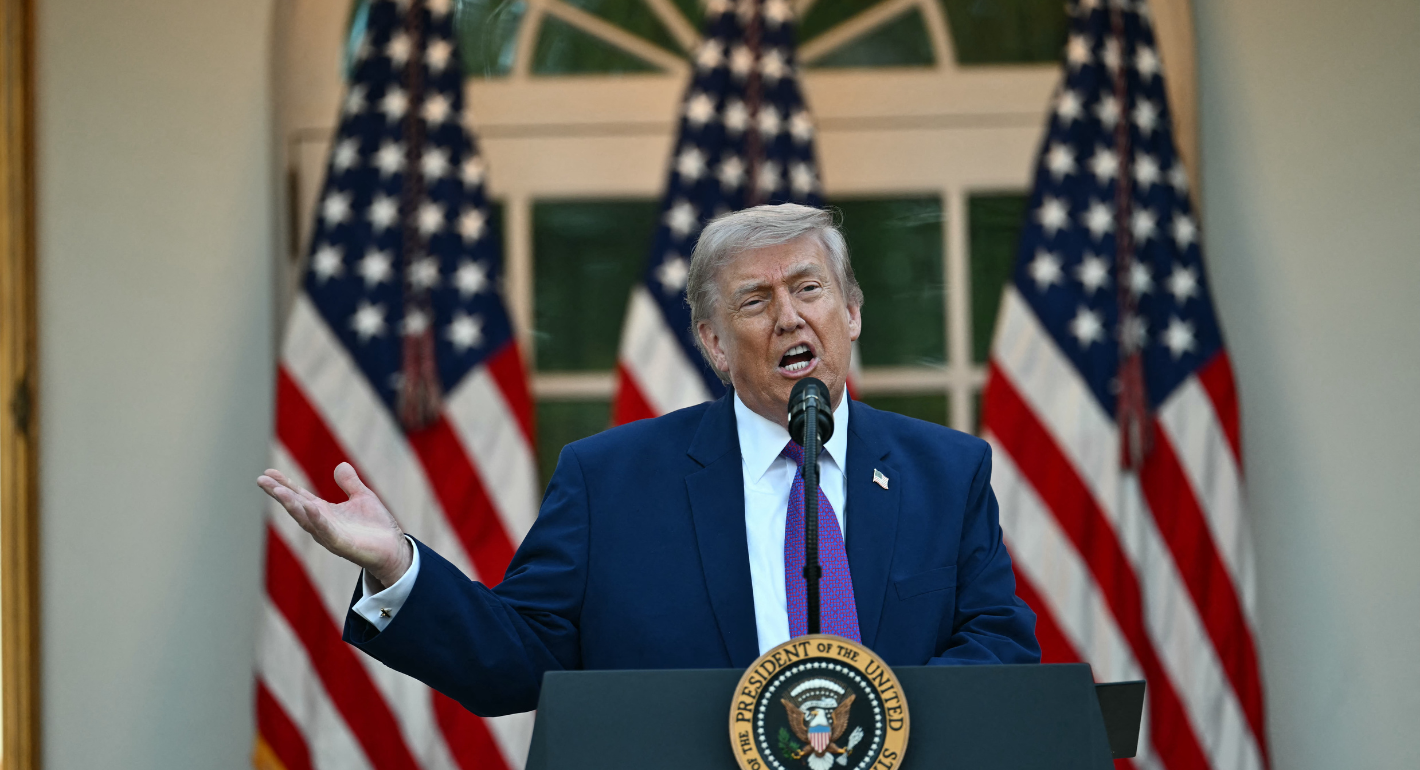
The full list of humiliations Europe has endured since Donald Trump returned to the White House makes for grim reading. But Washington’s adversarial approach to its allies undermines its own power base.

Rym Momtaz
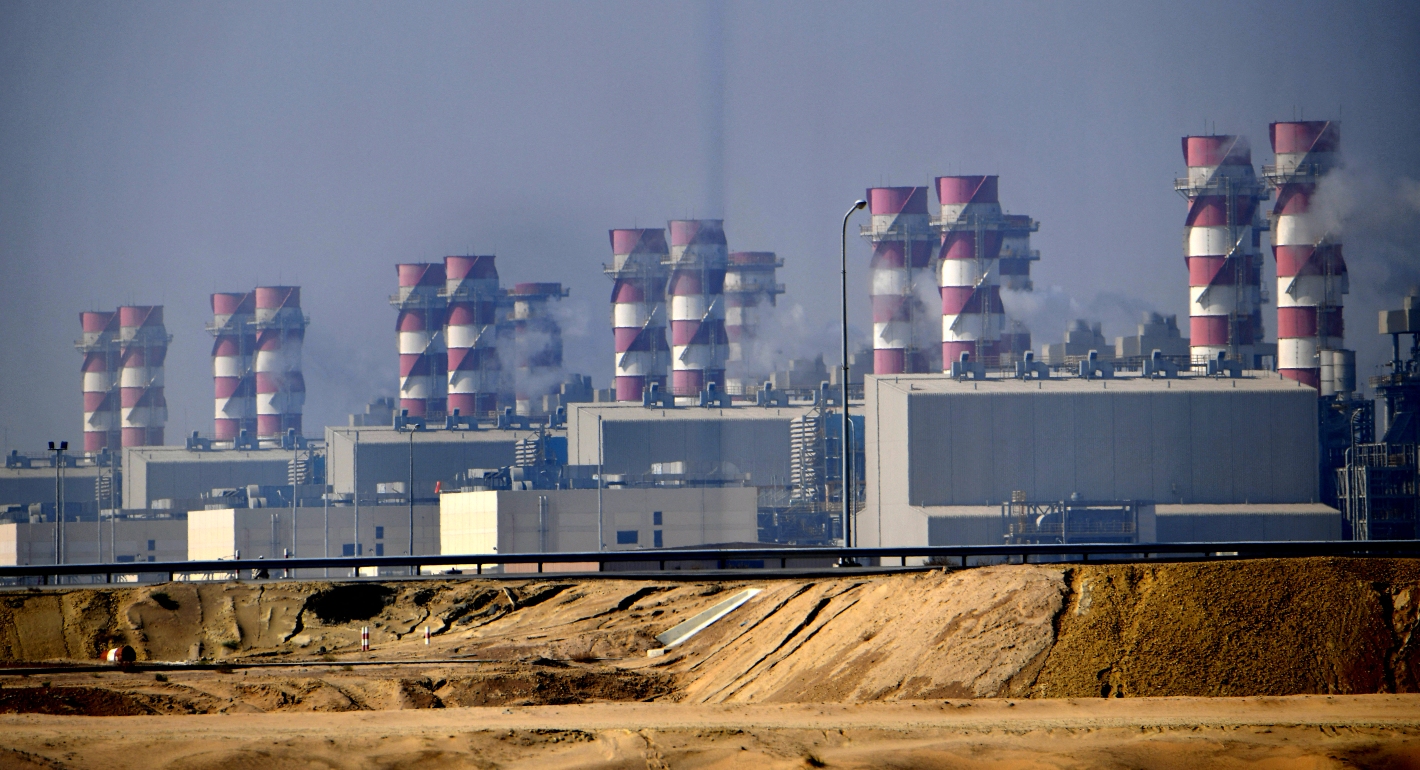
The U.S.-Iran war has crossed a dangerous threshold: water infrastructure in the Gulf is now a target. Ecological statecraft is no longer peripheral to security, it's part of its foundations.


Olivia Lazard, Ali Bin Shahid
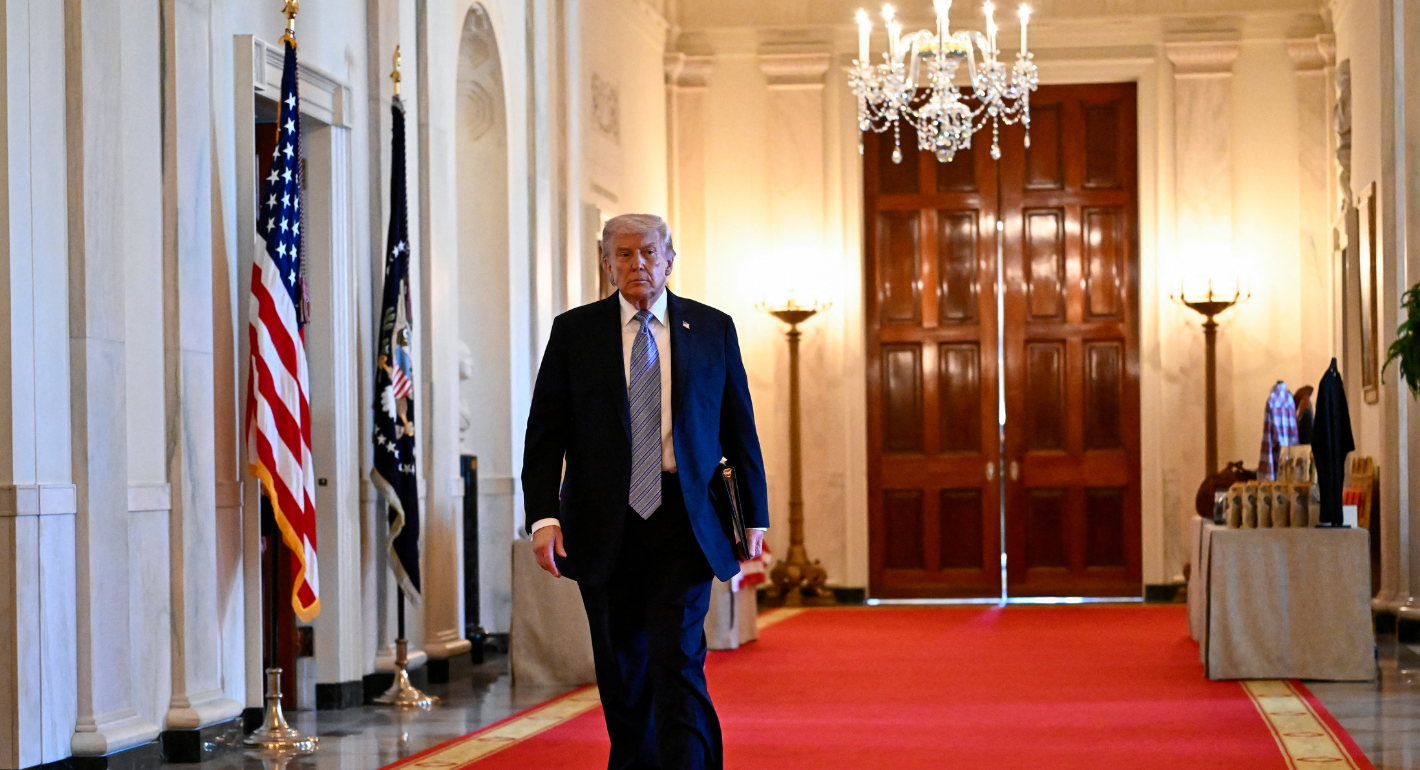
After spending much of 2025 trying to placate Donald Trump, some European leaders are starting to change posture. But is even a hostile Washington still so important to Europe that the U.S. president’s outbursts are worth putting up with?
Rym Momtaz, ed.
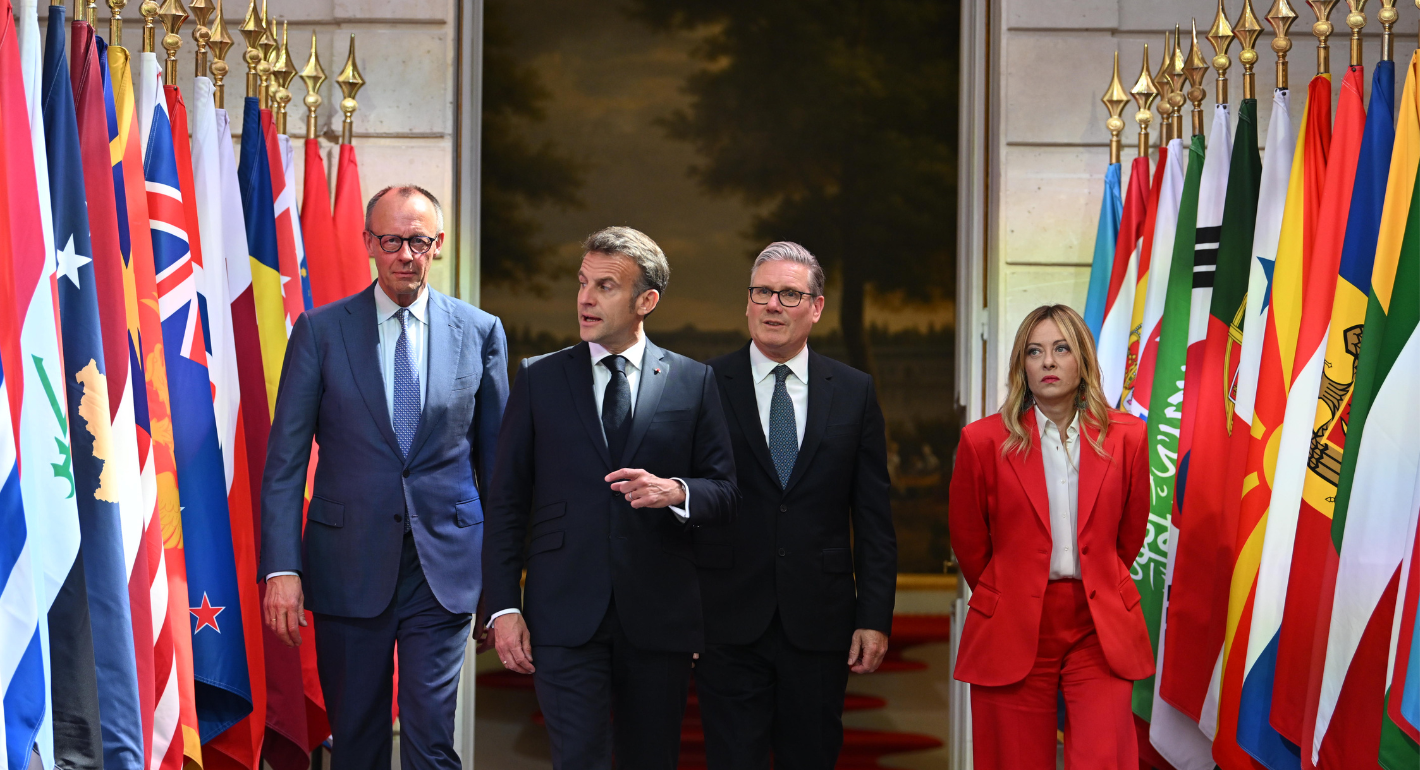
European leaders have now not only lost faith in Donald Trump’s U.S. presidency, but also in America’s hegemony as a whole. But short-term challenges make an immediate divorce unwise.
Rym Momtaz
Countries face several hurdles in joining the EU, including the final stage of ratifying their accession treaties. Procedural reforms and substantive adjustments could help move the process forward.

Stefan Lehne