

Report
- +2
George Perkovich, Jessica Tuchman Mathews, Joseph Cirincione, …

REQUIRED IMAGE
US officials recently briefed Chinese and South Korean officials on information they maintain proves North Korea shipped uranium hexafluoride to Libya.
February 10, 2005
US officials recently briefed Chinese and South Korean officials on information they maintain proves North Korea shipped uranium hexafluoride to Libya. The material is a precursor for nuclear weapons production. The new claims are based on two pieces of evidence uncovered by US laboratory experts, most likely at Oak Ridge National Laboratory where Libya’s nuclear equipment is being studied. The first is that the isotopic composition of the uranium may reveal a North Korean source. The second is that the uranium hexafluoride (UF6) containers from Libya revealed traces of plutonium identical to those previously found in North Korea. An examination of publicly available information, however, suggests the evidence is far from conclusive.
1. Uranium composition
Uranium is made up of several different isotopes, including Uranium-235 (used in nuclear weapons at high levels of enrichment), Uranium-238, and Uranium-234, which is very rare. Reports indicate that US experts compared the U-234 percentages in the Libyan material against known samples of uranium from around the world. As the US does not have samples of uranium from North Korea, the experts concluded that the sample must have come from North Korea by process of elimination.
This raises the possibility, however, that the Libyan material comes from another uranium mine for which the US has no sample or record, or that the uranium ore was exported from North Korea, converted to UF6 in another country, and then shipped to Libya. Pakistan has large-scale UF6 conversion capabilities and was at the heart of the A.Q. Khan supply network. Recent press reports indicate that several canisters of UF6 are believed to be missing from the A.Q. Khan laboratories in Pakistan, a charge Pakistani officials have denied. In addition, technical experts have confirmed that U-234 content can vary greatly even within the same mine or even within the same sample of ore, raising the possibility that the uranium sample does come from a known source.
2. Plutonium Traces
According to media sources, the UF6 shipping containers moved from Libya to the United States revealed samples of plutonium that match those previously taken in North Korea. This suggests some link between North Korea and Libya (possibly through an intermediary country such as Pakistan) but could be the result of cross-contamination between the canisters and other equipment. UF6 containers are routinely packaged for transport in larger over packs and shipping crates, many of which can be used for a variety of functions. Although the circumstantial link cannot be ruled out, the plutonium samples would not in themselves provide a conclusive link that the uranium contained in them was produced or, indeed, was ever in North Korea. One possible alternative explanation is that the canisters were sent from somewhere else to North Korea and then transshipped to Libya.
Pyongyang is known with certainty to have a plutonium production capability and may possess enough separated plutonium to produce up to 9 nuclear weapons. North Korea’s Foreign Ministry claimed on February 10 that the government has already produced nuclear weapons. Less information is known about their alleged uranium enrichment program. US government officials have yet to publicly identify any uranium enrichment sites in North Korea, and it is not known with certainty that North Korea can produce uranium hexafluoride. It is possible that North Korea can produce limited amounts of UF6, and the evidence of North Korea¹s previous attempts to purchase uranium enrichment technology through the A.Q. Khan supply network seems credible. However, the link between Libya and North Korea appears tenuous, based on what is publicly known.
If the information is not fully supported by the US intelligence community and is not as conclusive as US officials appear to be asserting to Chinese and other officials, it risks further damaging US credibility with key countries in the Far East. China has been openly skeptical of the US claims that North Korea has an enrichment program. Should these links between North Korea and Libya prove false, it may be hard to reestablish China’s confidence in US diplomatic and intelligence efforts.
Former Nonresident Scholar, Nuclear Policy Program
Jon Wolfsthal was a nonresident scholar with the Nuclear Policy Program.
Recent Work


George Perkovich, Jessica Tuchman Mathews, Joseph Cirincione, …
Jon Wolfsthal
Carnegie does not take institutional positions on public policy issues; the views represented herein are those of the author(s) and do not necessarily reflect the views of Carnegie, its staff, or its trustees.
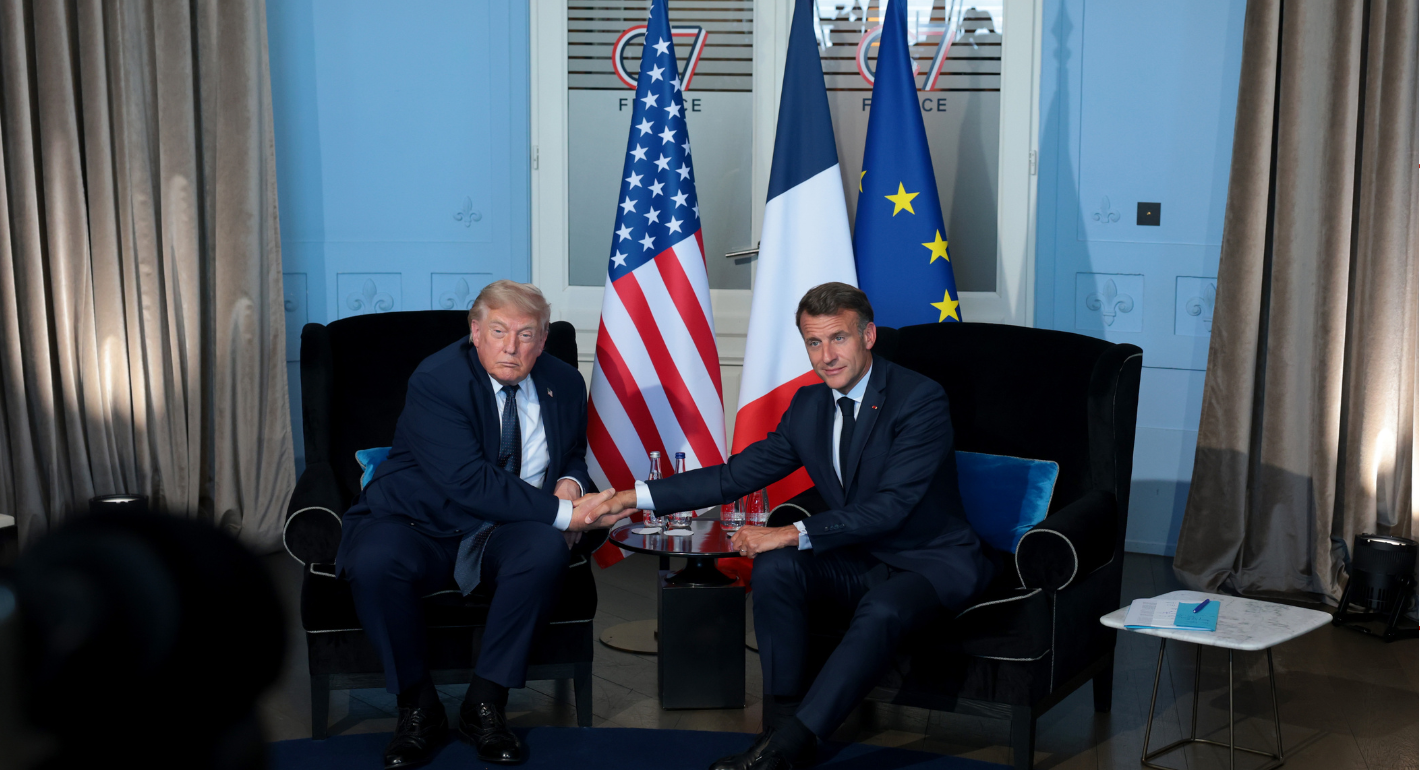
When the U.S.-Iran memorandum of understanding was announced, the UK, France, Germany, and Italy declared their readiness to help demine the Strait of Hormuz and lift nuclear sanctions on Tehran. But does Europe need new tools to recover a diplomatic role?

Rym Momtaz, ed.
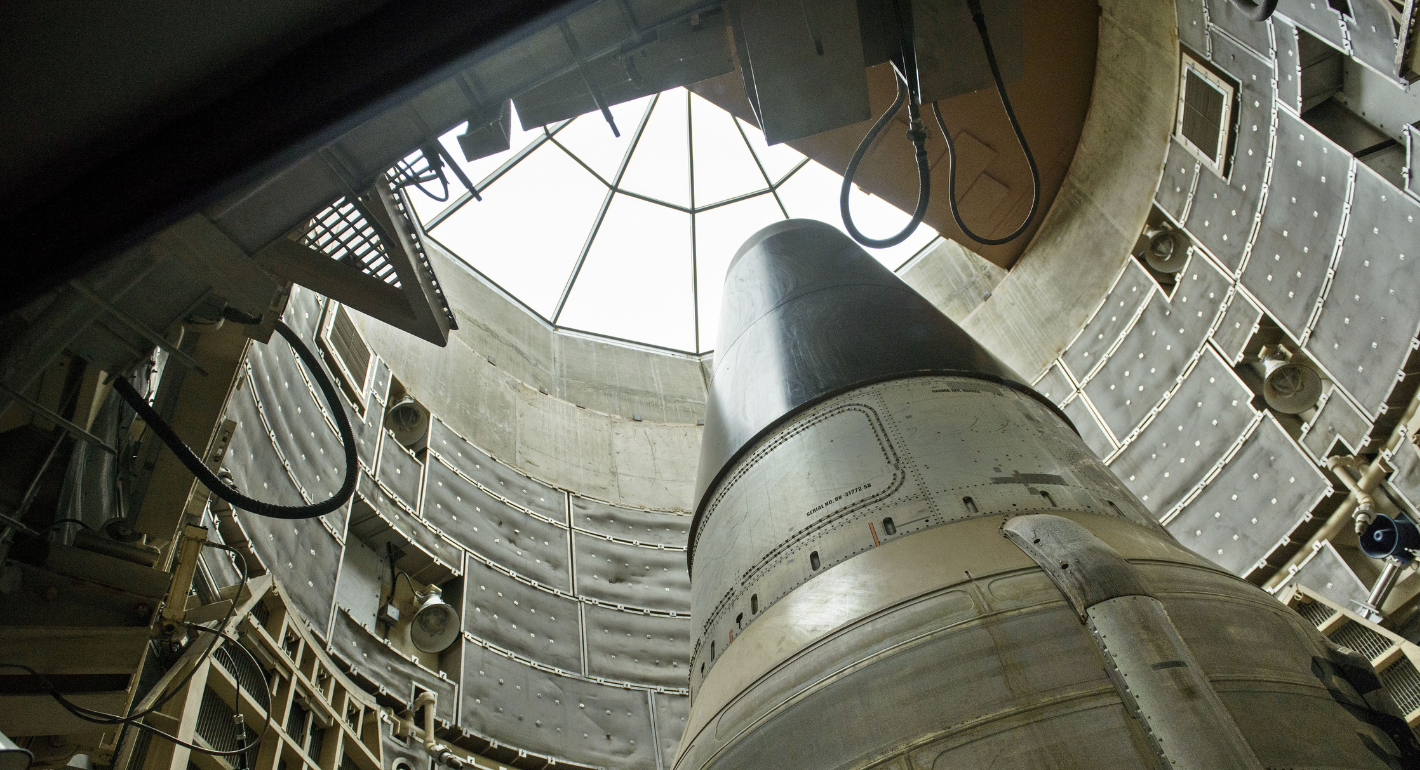
Amid uncertainty caused by the Iran war, the global drive for nonproliferation has stalled. With Europe diplomatically marginalized and countries reassessing their nuclear options, efforts to curb the spread of nuclear weapons risk becoming irrelevant.

Jane Darby Menton
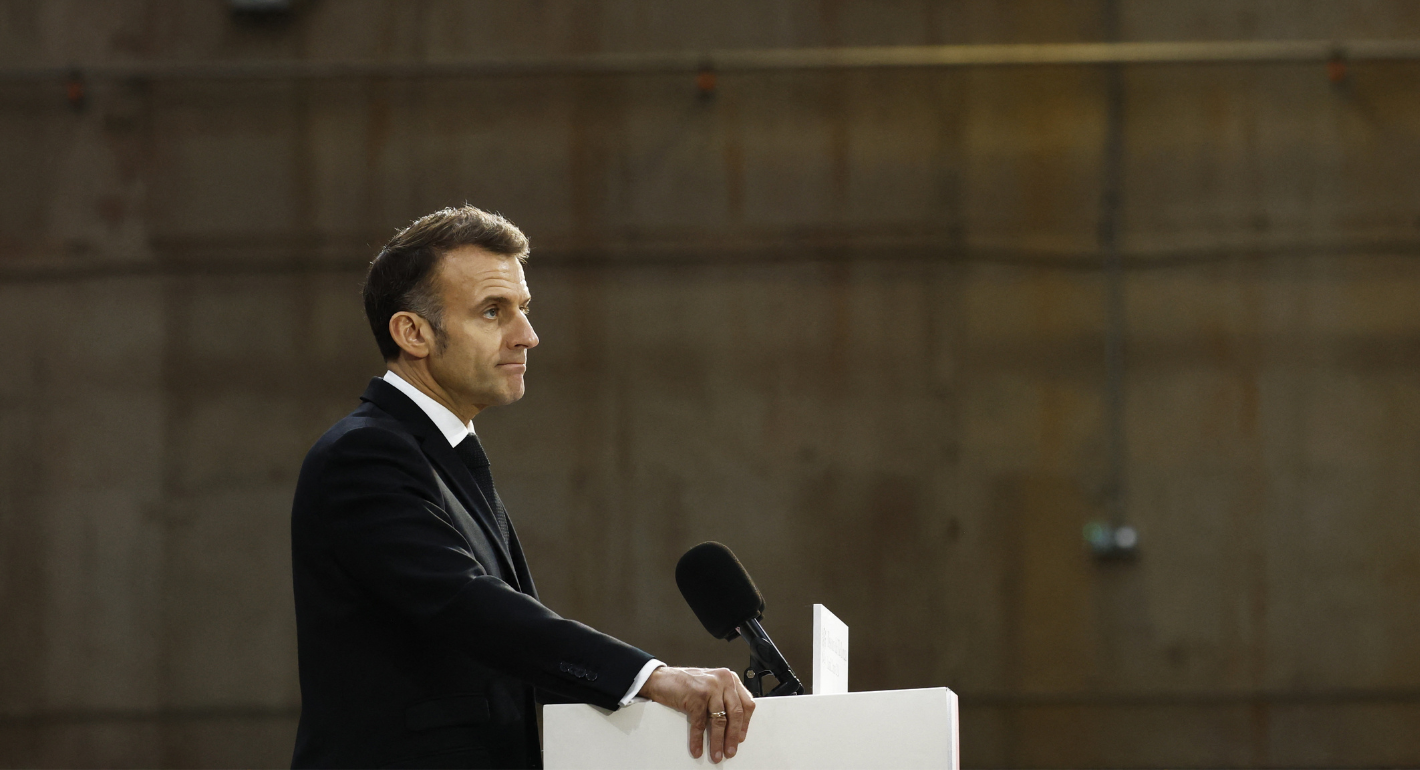
French President Emmanuel Macron has unveiled his country’s new nuclear doctrine. Are the changes he has made enough to reassure France’s European partners in the current geopolitical context?
Rym Momtaz, ed.
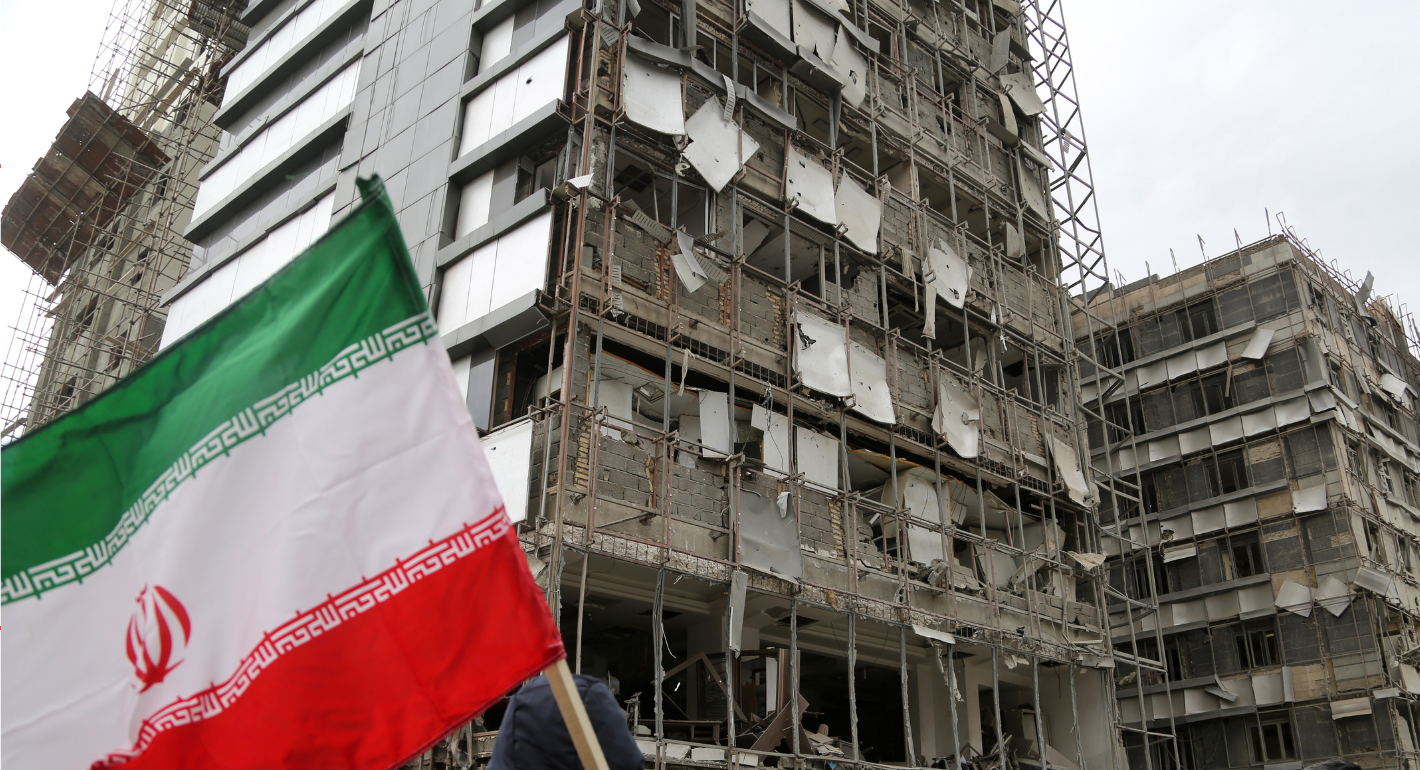
Europe’s reaction to the war in Iran has been disunited and meek, a far cry from its previously leading role in diplomacy with Tehran. To avoid being condemned to the sidelines while escalation continues, Brussels needs to stand up for international law.

Pierre Vimont
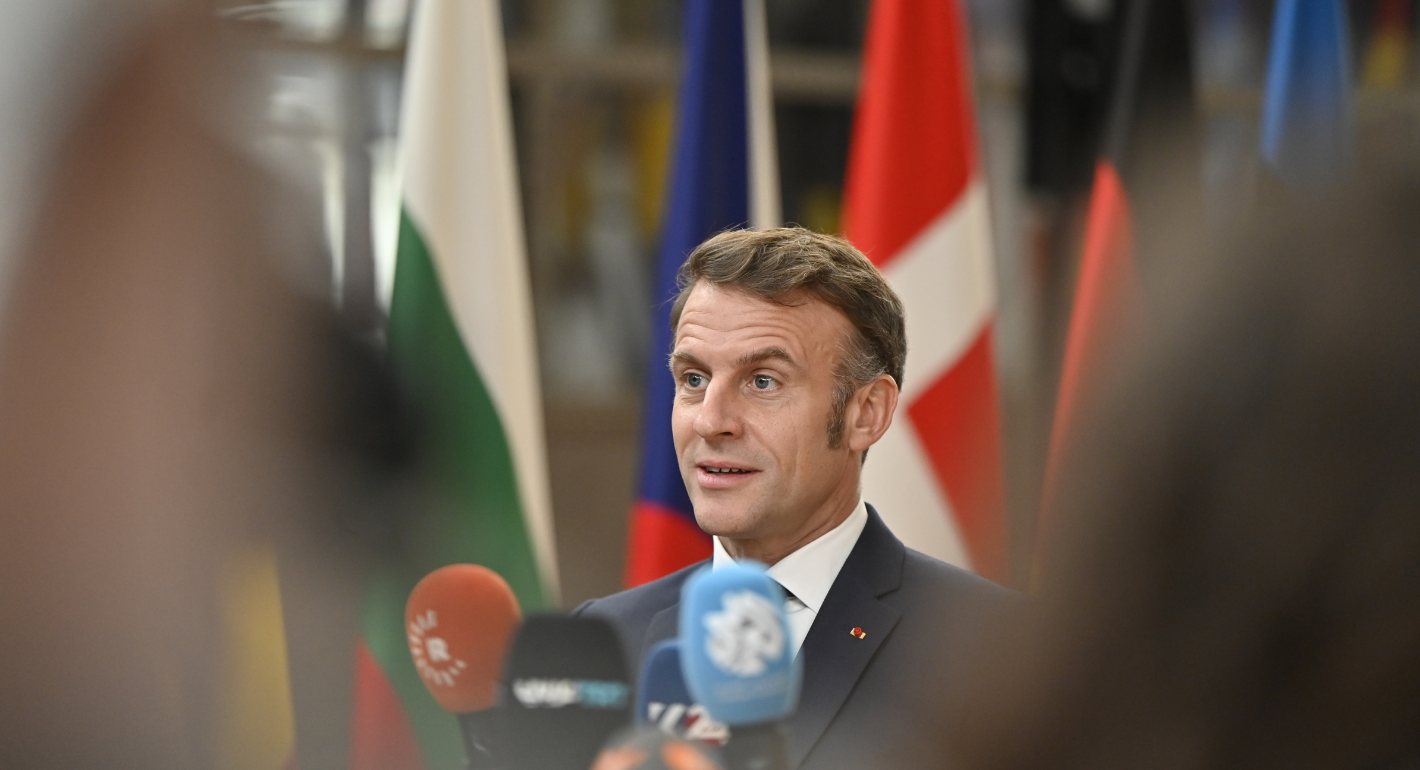
France has stopped clinging to notions of being a great power and is embracing the middle power moment. But Emmanuel Macron has his work cut out if he is to secure his country’s global standing before his term in office ends.
Rym Momtaz