• Research
  • Strategic Europe
  • About
  • Experts
Carnegie Europe logoCarnegie lettermark logo
EUUkraine
  • Donate
REQUIRED IMAGE

REQUIRED IMAGE

Article

South Korea Should Have a Larger Role in Global Nonproliferation Efforts


In just over one month, representative from over 180 countries will meet in New York to review the status and condition of the nuclear Non-Proliferation Treaty. This meeting, which takes place every five years as required by the agreement, occurs in an environment more negative than at anytime in its history and the potential for the month-long meeting to produce a positive result is in serious doubt. South Korea is in a unique position to improve the prospects for a successful meeting and Seoul should take active and even aggressive steps to play a large, constructive role at the meeting. (Read More)


Link Copied
By Jon Wolfsthal
Published on Mar 24, 2005
In just over one month, representative from over 180 countries will meet in New York to review the status and condition of the nuclear Non-Proliferation Treaty. This meeting, which takes place every five years as required by the agreement, occurs in an environment more negative than at anytime in its history and the potential for the month-long meeting to produce a positive result is in serious doubt. South Korea is in a unique position to improve the prospects for a successful meeting and Seoul should take active and even aggressive steps to play a large, constructive role at the meeting

The NPT is the cornerstone of the international norm against the spread of nuclear weapons, and is the only legal document committing all states to abandon nuclear weapons and to general and complete disarmament. The NPT is based on three basic pillars: nonproliferation, disarmament and the peaceful development of nuclear technology. In 1995, the agreement was extended for an indefinite term and in 2000, the parties approved a consensus document that included an unequivocal statement by nuclear weapons states to eliminate their nuclear weapons. Yet, in the run up to this year's meeting, many negative developments have taken place including North Korea's withdrawal from the NPT, evidence of Iran's hidden nuclear efforts and the discovery of the A.Q. Khan nuclear black market.

North Korea's withdrawal from the NPT, and its violation of the agreement before Pyongyang withdrew pose a serious threat to the NPT. But the problems with the NPT run far deeper than just one country. Questions about Iran's past violations of its safeguards agreement, the growing concern about the ability of states to acquire uranium enrichment and plutonium reprocessing - technologies that can contribute to a weapons program - under the protection of the NPT, and the perceived lack of progress on nuclear disarmament by the nuclear weapon states all raise difficult questions for the treaty members in advance of their meeting, which begins May 2.

South Korea is well placed to contribute to the review of the agreement in all three areas. The extreme threat North Korea poses to South Korea puts Seoul in a special position to speak and act with authority on nonproliferation issues. South Korea's advanced nuclear power and research programs give it a strong position to speak on issues related to peaceful nuclear uses. And as a state whose security is used by the US, in part, to justify the continued need for nuclear weapons, South Korea's is uniquely placed to talk about the issues of disarmament and the need to continue progress towards a non-nuclear world.

Yet, to date, Seoul has been relatively quiet in the lead up to the NPT Review Conference. While Seoul is rightly focused on its continued diplomatic efforts to bring North Korea back into compliance with the NPT, the efforts by Seoul must go beyond this one issue. To play a bigger role, the government must dedicate additional staff and resources to the preparation for the meeting in New York and ensure a large, expert and empowered delegation is sent to the meeting in New York. The Ministry of Foreign Affairs should have a large staff and priority access to top officials to ensure that the South Korean delegation can play an active role in all of the Treaty's review efforts. Anything less is a missed opportunity by South Korea to have a more prominent role on the international stage.

It may be too late to achieve a consensus document out of the Review Conference, a traditional standard of success. But by playing an active and constructive role on more than just the issue of North Korea, Seoul can help develop broad areas of agreement on issues related to the peaceful uses of nuclear energy, the need to improve the treaty's terms to prevent illegal nuclear transfers and to help define more precisely the ways in which nuclear weapons states will pursue disarmament. By making the effort now, Seoul can help achieve a greater status for itself on the international stage and play a leading role on these critical issues in the years to come.

About the Author

Jon Wolfsthal

Former Nonresident Scholar, Nuclear Policy Program

Jon Wolfsthal was a nonresident scholar with the Nuclear Policy Program.

    Recent Work

  • Report
    Universal Compliance: A Strategy for Nuclear Security<br>With 2007 Report Card on Progress
      • +2

      George Perkovich, Jessica Tuchman Mathews, Joseph Cirincione, …

  • Article
    10 Plus 10 Doesn’t Add Up

      Jon Wolfsthal

Jon Wolfsthal
Former Nonresident Scholar, Nuclear Policy Program
Jon Wolfsthal
South KoreaEast AsiaNuclear PolicyNuclear Energy

Carnegie does not take institutional positions on public policy issues; the views represented herein are those of the author(s) and do not necessarily reflect the views of Carnegie, its staff, or its trustees.

More Work from Carnegie Europe

  • Commentary
    Strategic Europe
    Taking the Pulse: Is France’s New Nuclear Doctrine Ambitious Enough?

    French President Emmanuel Macron has unveiled his country’s new nuclear doctrine. Are the changes he has made enough to reassure France’s European partners in the current geopolitical context?

      • Rym Momtaz

      Rym Momtaz, ed.

  • Commentary
    Strategic Europe
    Europe on Iran: Gone with the Wind

    Europe’s reaction to the war in Iran has been disunited and meek, a far cry from its previously leading role in diplomacy with Tehran. To avoid being condemned to the sidelines while escalation continues, Brussels needs to stand up for international law.

      Pierre Vimont
  • Commentary
    Strategic Europe
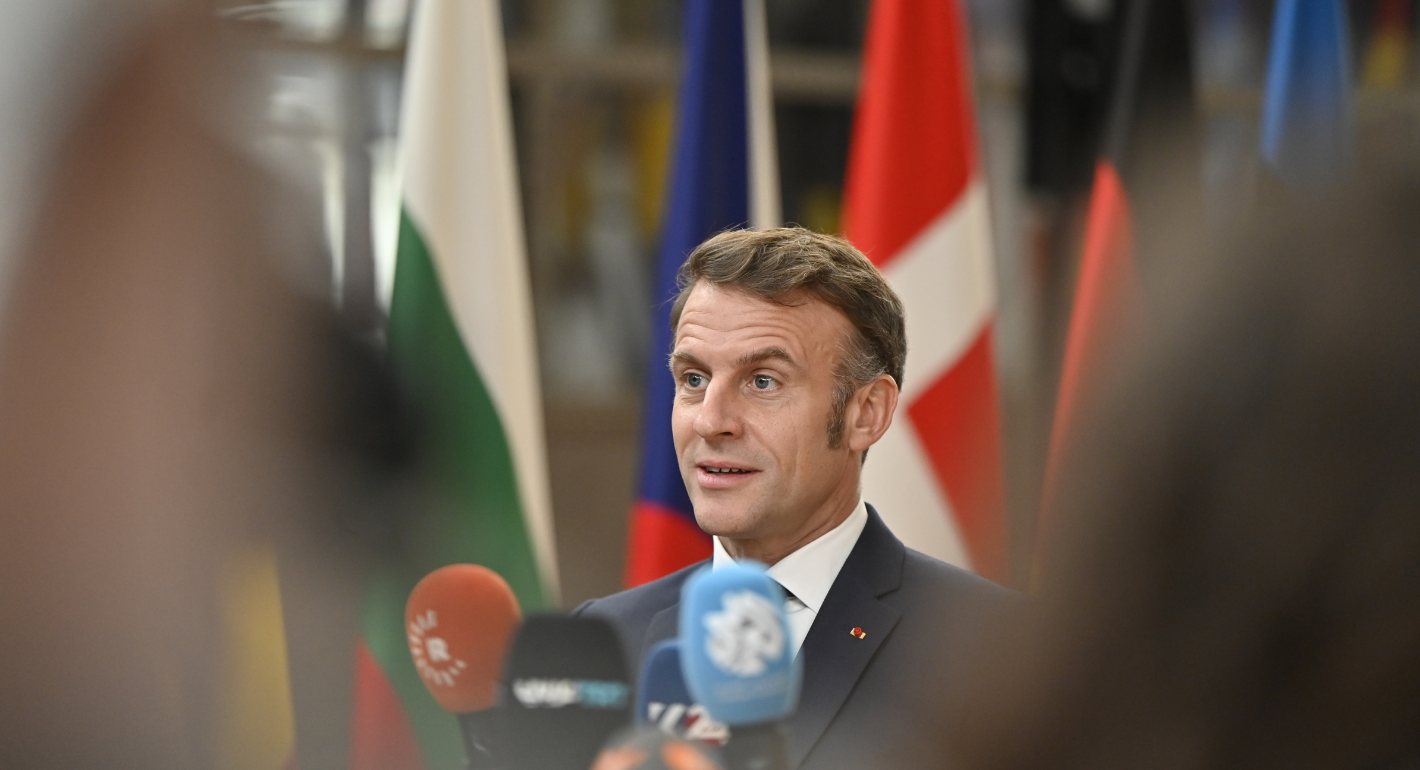
    Macron Makes France a Great Middle Power

    France has stopped clinging to notions of being a great power and is embracing the middle power moment. But Emmanuel Macron has his work cut out if he is to secure his country’s global standing before his term in office ends.

      • Rym Momtaz

      Rym Momtaz

  • Commentary
    Can Europe Trust the United States Again?

    In Donald Trump’s second term in office, the transatlantic relationship that helped define the postwar European project and global order appears broken. Is it time for Brussels to chart its own path?

      Nathalie Tocci, Jan Techau

  • Commentary
    Strategic Europe
    Unpacking Europe’s Deterrence Dilemmas

    The debate on the future of European deterrence has intensified, as NATO allies seek to balance three key aims. Going forward, they will need to cooperate more deeply to craft a coherent strategy for confronting new threats.

      Sophia Besch, Jamie Kwong

Get more news and analysis from
Carnegie Europe
Carnegie Europe logo, white
Rue du Congrès, 151000 Brussels, Belgium
  • Research
  • Strategic Europe
  • About
  • Experts
  • Projects
  • Events
  • Contact
  • Careers
  • Privacy
  • For Media
  • Gender Equality Plan
Get more news and analysis from
Carnegie Europe
© 2026 Carnegie Endowment for International Peace. All rights reserved.