

Article
Nathan J. Brown

REQUIRED IMAGE
Between 2002 and 2006 the Palestinian government made numerous strides towards democratic reform, yet the outcome of the 2006 elections revealed a flawed foundation behind the movement. International backers, such as the United States and EU, viewed democratization as a means to weaken Arafat and promote a peace settlement with Israel, yet unexpected results led these actors to harshly turn against the Palestinian reform movement. What can this combination of successful reform initiatives and disillusioned failure mean for future democratic reform, not only in Palestine, but in the Middle East? What lessons can be learned for future reform movements?
Source: Carnegie Endowment
Between 2002 and 2006 the Palestinian government made numerous strides towards democratic reform, yet the outcome of the 2006 elections revealed a flawed foundation behind the movement. International backers, such as the United States and EU, viewed democratization as a means to weaken Arafat and promote a peace settlement with Israel, yet unexpected results led these actors to harshly turn against the Palestinian reform movement. What can this combination of successful reform initiatives and disillusioned failure mean for future democratic reform, not only in Palestine, but in the Middle East? What lessons can be learned for future reform movements?
In this Carnegie Paper, Requiem for Palestinian Reform; Clear Lessons from a Troubled Record, Nathan Brown, senior associate at the Carnegie Endowment, examines the successful establishment of democratic reforms in Palestine from 2002 to 2006, the changing nature of international support for reform following Hamas’ electoral victory in 2006, and lessons for the Arab and international community on the failure of democratic reform.
Brown argues that the importance of utilizing democratic reform as long-term objective, rather than as a means to an end, cannot be better illustrated than in Palestine. The immediate international abandonment of the reform movement following Hamas’ victory subjected Palestinian reformers to withering domestic criticism and promoted cynicism among many Palestinians.
One of the most striking aspects to reform in the Middle East is the extent to which Islamist movements have emerged as reformists. The idea that unrestrained executive branches and existing Arab regimes are estranged from their societies fit naturally within the Islamist political program and appeal.
Click on icon above for the full text of this Carnegie Paper.
This is a web-only publication.
About the Author
Nathan J. Brown is a senior associate in the Middle East Program at the Carnegie Endowment, and co-author of the Carnegie Paper Islamist Movements and the Democratic Process in the Arab World: Exploring Gray Zones. He is also a professor of political science and international affairs at George Washington University.

Nonresident Senior Fellow, Middle East Program
Nathan J. Brown, a professor of political science and international affairs at George Washington University, is a distinguished scholar and author of nine books on Arab politics and governance, as well as editor of five books.
Recent Work
Nathan J. Brown
Nathan J. Brown
Carnegie does not take institutional positions on public policy issues; the views represented herein are those of the author(s) and do not necessarily reflect the views of Carnegie, its staff, or its trustees.
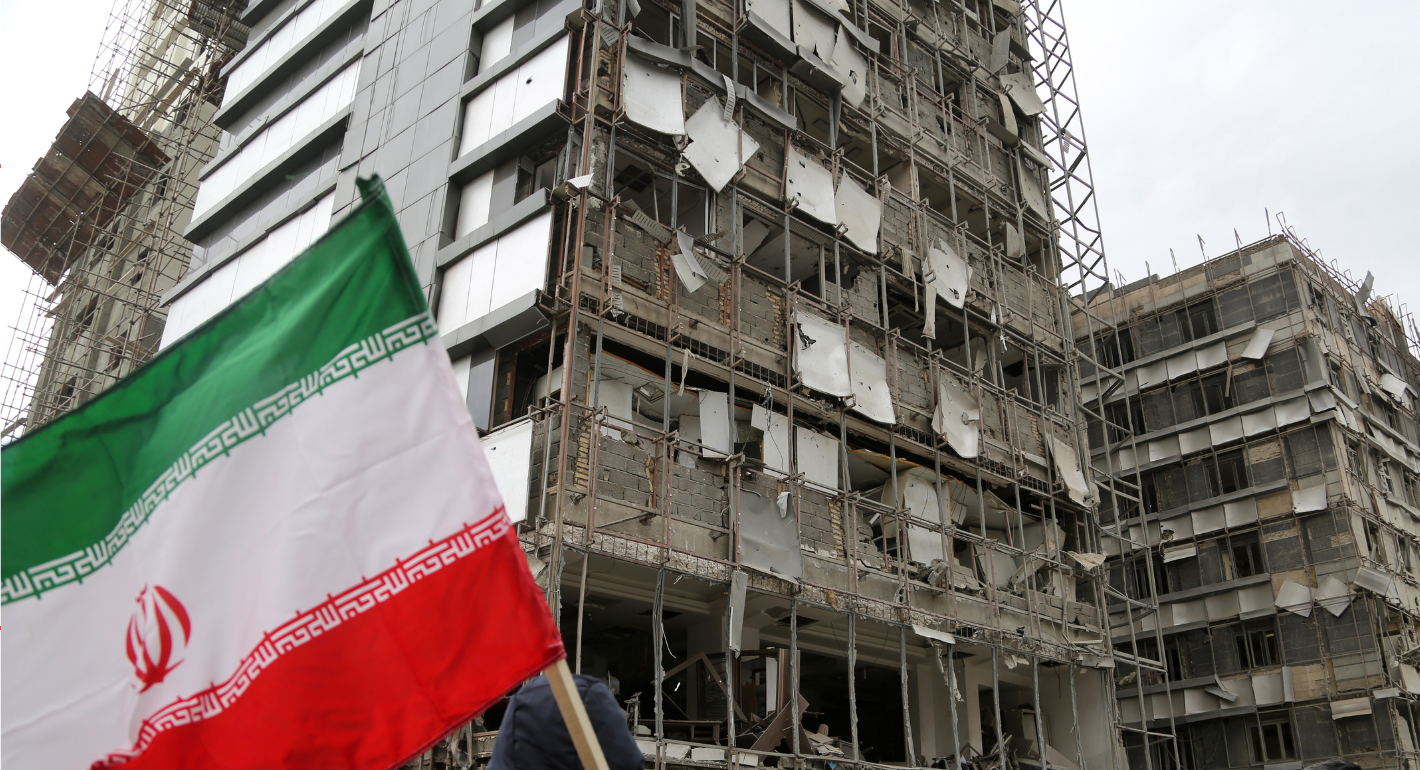
Europe’s reaction to the war in Iran has been disunited and meek, a far cry from its previously leading role in diplomacy with Tehran. To avoid being condemned to the sidelines while escalation continues, Brussels needs to stand up for international law.

Pierre Vimont
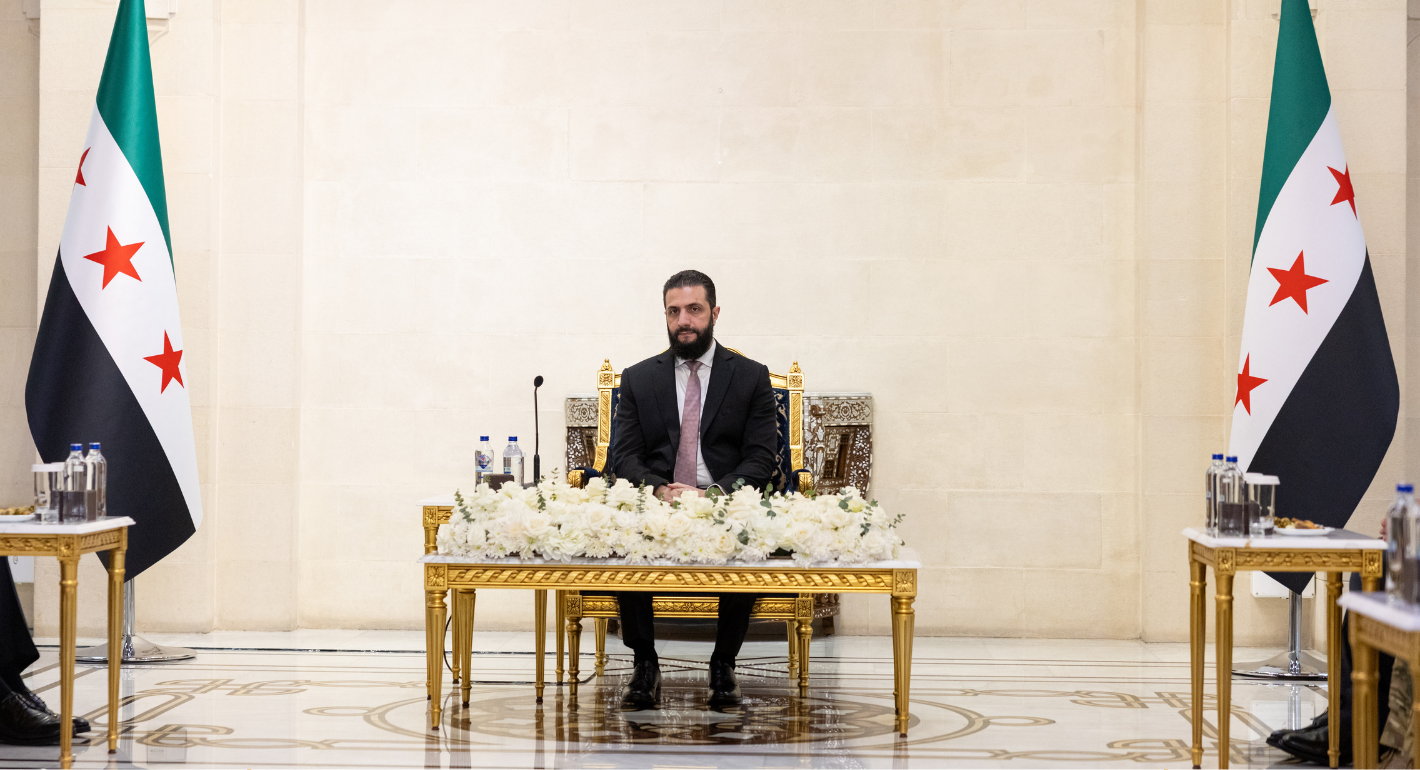
Europe’s interests in Syria extend beyond migration management, yet the EU trails behind other players in the country’s post-Assad reconstruction. To boost its influence in Damascus, the union must upgrade its commitment to ensuring regional stability.


Bianka Speidl, Hanga Horváth-Sántha

A prophetic Romanian novel about a town at the mouth of the Danube carries a warning: Europe decays when it stops looking outward. In a world of increasing insularity, the EU should heed its warning.

Thomas de Waal
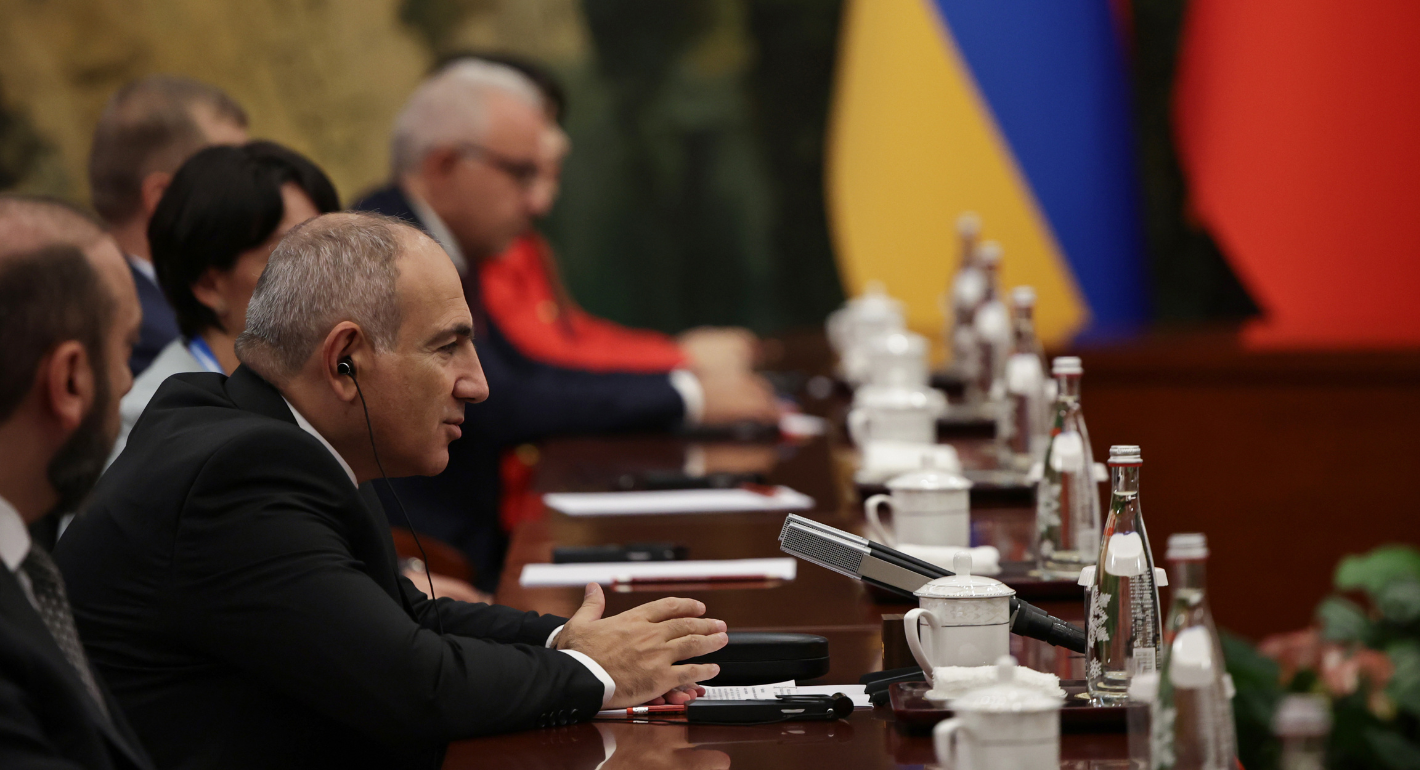
As the 2026 Armenian election approaches, Prime Minister Nikol Pashinyan is facing fierce opposition from both Russia and the diaspora. He will need the help of Europe, the United States, and regional neighbours to advance his ambitious foreign policy.
Thomas de Waal
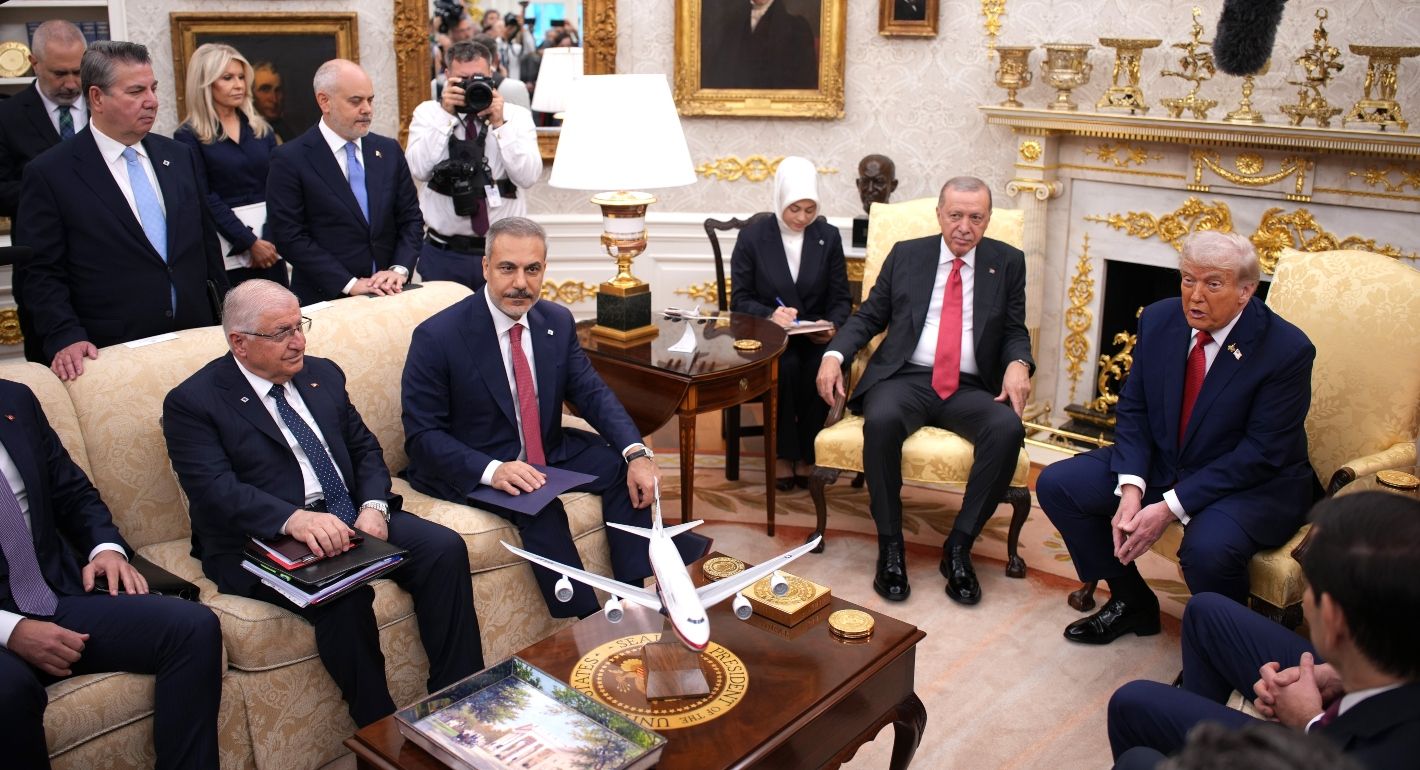
Erdoğan and Trump’s meeting served both leaders’ domestic and personal agendas. For Europe, it highlights how America’s transactional approach risks sidelining allies and empowering authoritarians.

Marc Pierini