

Other
Sharon Squassoni

Source: Getty
Last week, a group of 45 countries dealt a serious blow to the world's nuclear nonproliferation regime. Succumbing to enormous pressure exerted by President Bush and his administration, the Nuclear Suppliers Group agreed to allow nuclear trade once more with India – a country that has not signed the Nuclear Nonproliferation Treaty and tested nuclear weapons in 1974 and 1998.
Last week, a group of 45 countries dealt a serious blow to the world's nuclear nonproliferation regime. Succumbing to enormous pressure exerted by President Bush and his administration, the Nuclear Suppliers Group agreed to allow nuclear trade once more with India – a country that has not signed the Nuclear Nonproliferation Treaty and tested nuclear weapons in 1974 and 1998.
The U.S. has pushed to create a unique status for India as the first "legitimate" nuclear weapon state outside the NPT, with none of the responsibilities required by the treaty, but many of its rights. India is one of three states that have nuclear weapons but which have not signed the Nuclear Nonproliferation Treaty. Neither fish nor fowl, such states are not bound by the treaty's obligations to disarm, nor must they refrain from building nuclear weapons. These states have also been barred from nuclear trade with most nuclear suppliers for the last 15 years, and with the United States for the last 30.
In some respects, NSG approval was inevitable. With key nuclear suppliers like the U.S., France and Russia seeking to gain substantial benefits, it was doubtful that smaller countries could object for long. What was not inevitable was the nature of the exemption. The 45 nations were unable to agree publicly that exports should be cut off automatically if India again tests a nuclear weapon or that exports of sensitive nuclear technologies that can be used in weapons manufacture should not be transferred to India. As a result, we can expect India to exploit differences between national country positions to its advantage, just as it has effectively exploited the strong U.S. desire for this deal.
That strong U.S. desire translated into a quick decision, rather than a "quality" decision. Since August, the push has been on to close a deal that has been three years in the making since President Bush and Prime Minister Singh announced their 2005 Joint Declaration of a strategic partnership. Both Bush and Singh needed an agreement now because their successors would be unlikely to push this unpopular deal very hard. So in early August, a special meeting was called of the International Atomic Energy Agency's Board of Governors to approve a new nuclear safeguards agreement, and a few weeks later, the NSG convened specially to consider an Indian exemption. That August meeting produced more than 50 amendments to a draft decision that the U.S. tabled.
Opposition apparently melted away last week in the face of more U.S. diplomatic pressure and the final decision contained only a dozen superficial changes. While U.S. officials may regard this as a victory within the NSG, it may not play so well in Congress. Why? The NSG exemption contains none of the conditions contained in the Hyde Act. (The Hyde Act, passed in 2006, prescribed strict requirements designed to soften the impact an exemption for India would have on the nonproliferation regime.)
As Chairman of the U.S. House of Representatives' Foreign Affairs Committee, Howard Berman, warned in an August letter to Secretary Rice, he found it "incomprehensible that the Administration apparently intends to seek or accept an exemption from the NSG guidelines for India with few or none of the conditions contained" in the Hyde Act. Such an approach, he argued, would jeopardize congressional support for U.S. nuclear cooperation with India. Yet, the U.S. negotiators sought and achieved exactly that.
The next stop for this runaway train is the U.S. Congress. Even if Congress liked the fact that U.S. competitors will be able to trade more freely with India than U.S. firms will, time is short. It's unlikely that Congress can approve the U.S.-Indian nuclear cooperation agreement in this session under current statutory requirements, given the few legislative days left. Other legislative options are possible, but risky and ill-advised. Moreover, other approaches could open subject cooperation to even more conditions.
If the agreement is approved by Congress this fall, the question for the next Administration will remain the same: how to bring India into the nonproliferation mainstream? And the answer is still the same: get India to sign the Comprehensive Test Ban Treaty and stop producing fissile material for weapons. The recent NSG decision may just have made those steps a little harder.
Sharon Squassoni is senior associate in the Nonproliferation Program at the Carnegie Endowment for International Peace.

Former Senior Associate, Nuclear Policy Program
Squassoni came to Carnegie from the Congressional Research Service. She also served for nine years in the executive branch. Her last position at the State Department was director of Policy Coordination in the Nonproliferation Bureau.
Recent Work
Sharon Squassoni
Sharon Squassoni
Carnegie does not take institutional positions on public policy issues; the views represented herein are those of the author(s) and do not necessarily reflect the views of Carnegie, its staff, or its trustees.
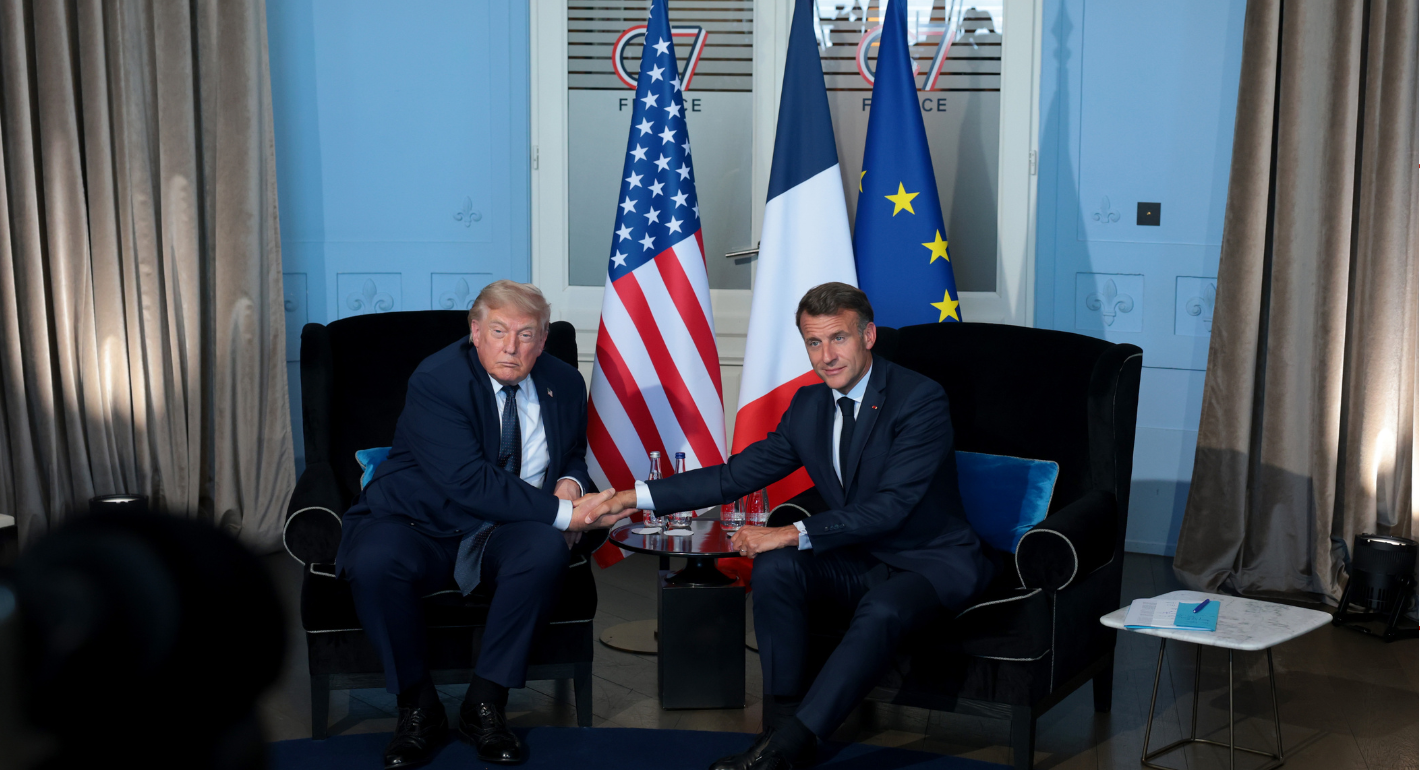
When the U.S.-Iran memorandum of understanding was announced, the UK, France, Germany, and Italy declared their readiness to help demine the Strait of Hormuz and lift nuclear sanctions on Tehran. But does Europe need new tools to recover a diplomatic role?

Rym Momtaz, ed.
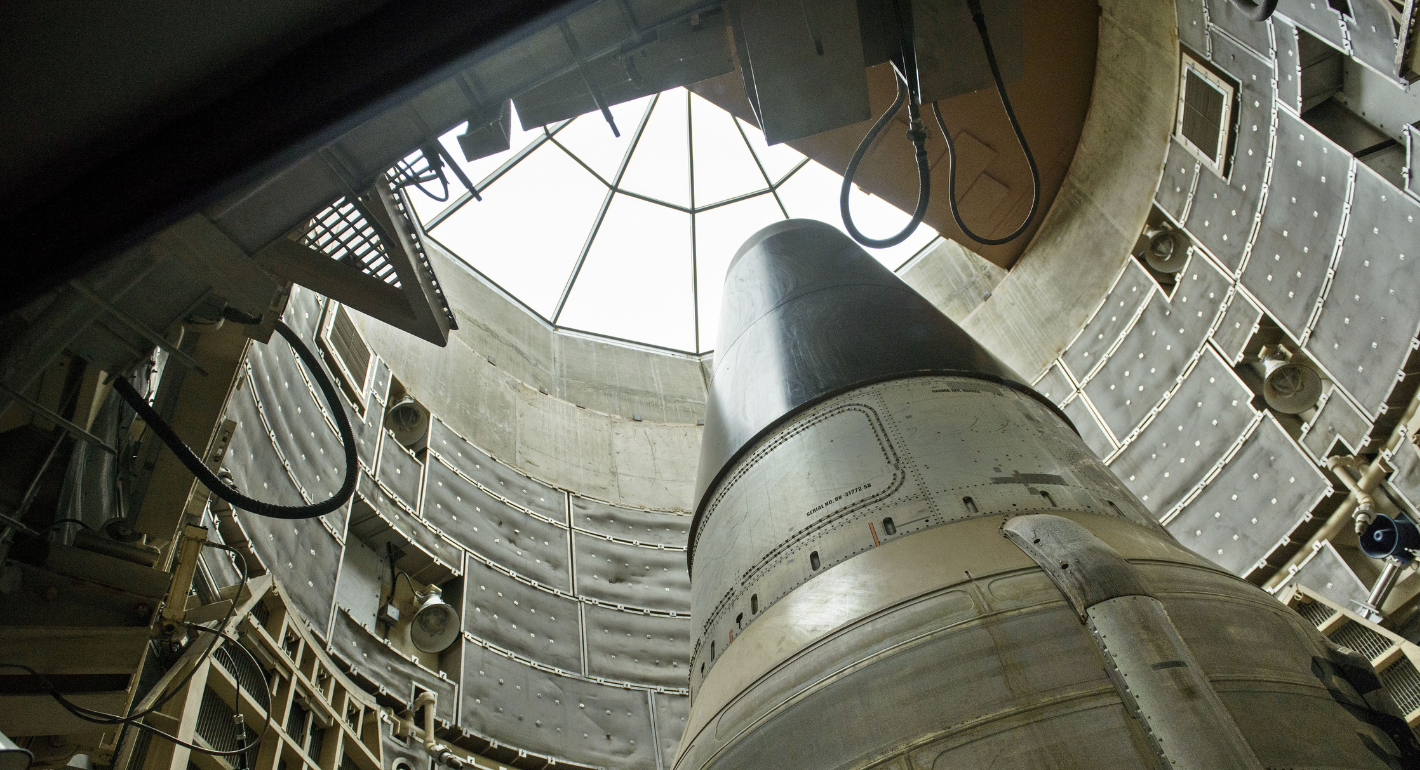
Amid uncertainty caused by the Iran war, the global drive for nonproliferation has stalled. With Europe diplomatically marginalized and countries reassessing their nuclear options, efforts to curb the spread of nuclear weapons risk becoming irrelevant.

Jane Darby Menton
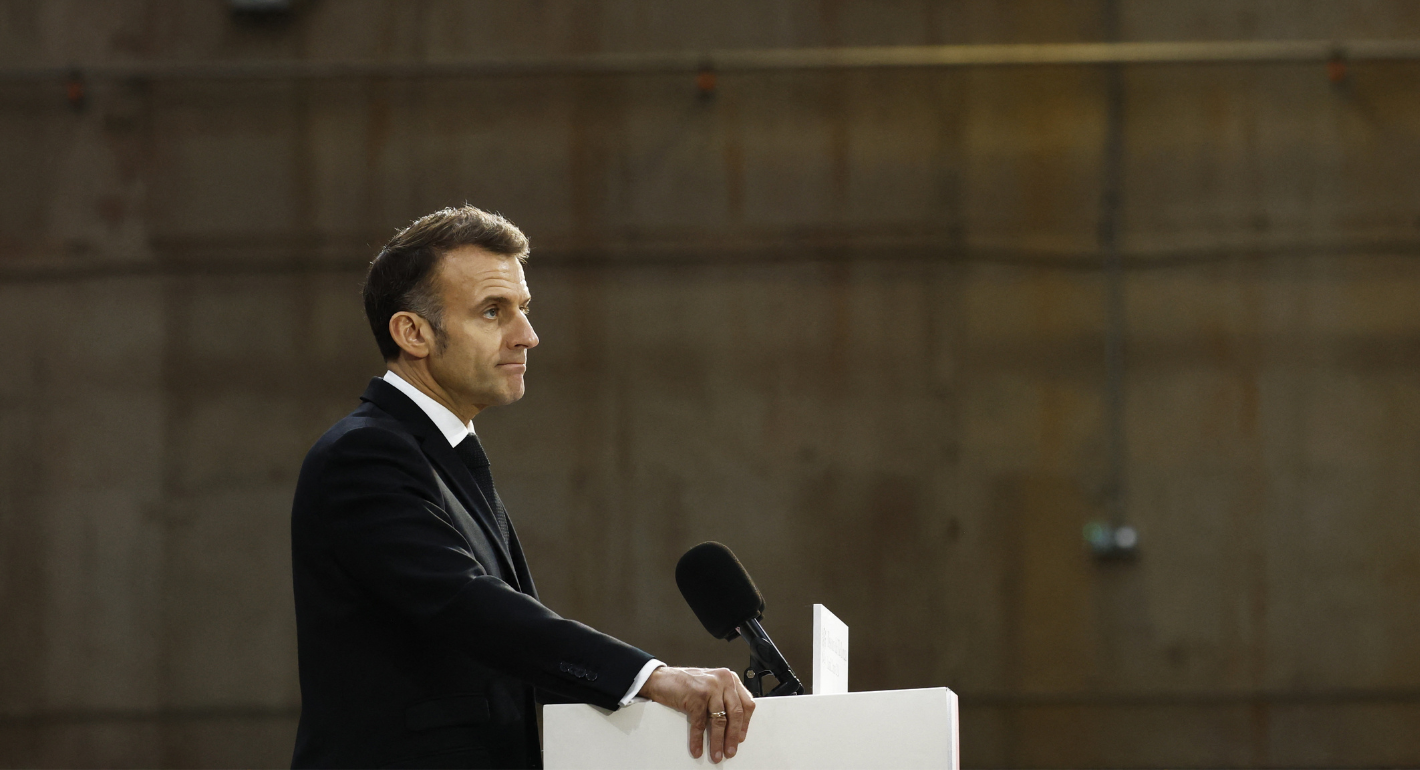
French President Emmanuel Macron has unveiled his country’s new nuclear doctrine. Are the changes he has made enough to reassure France’s European partners in the current geopolitical context?
Rym Momtaz, ed.
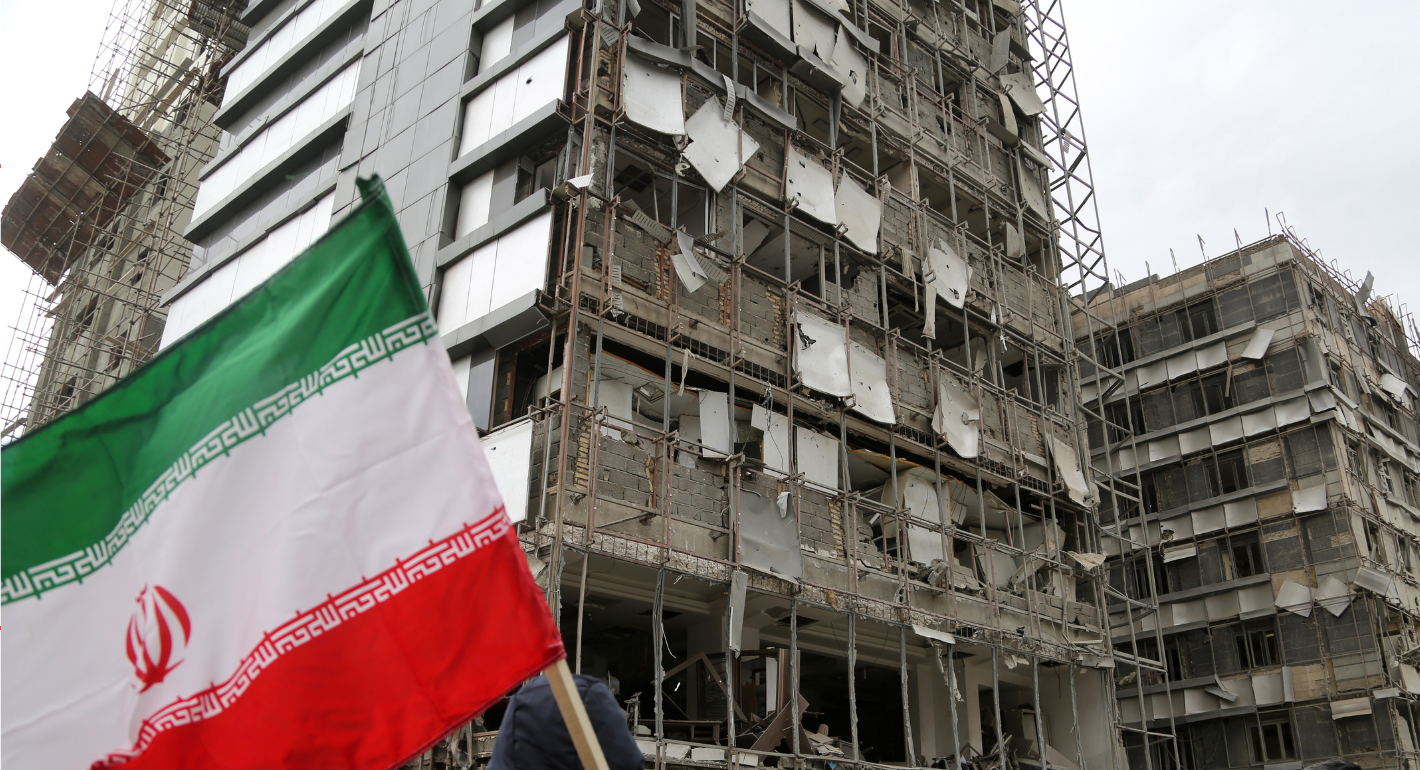
Europe’s reaction to the war in Iran has been disunited and meek, a far cry from its previously leading role in diplomacy with Tehran. To avoid being condemned to the sidelines while escalation continues, Brussels needs to stand up for international law.

Pierre Vimont
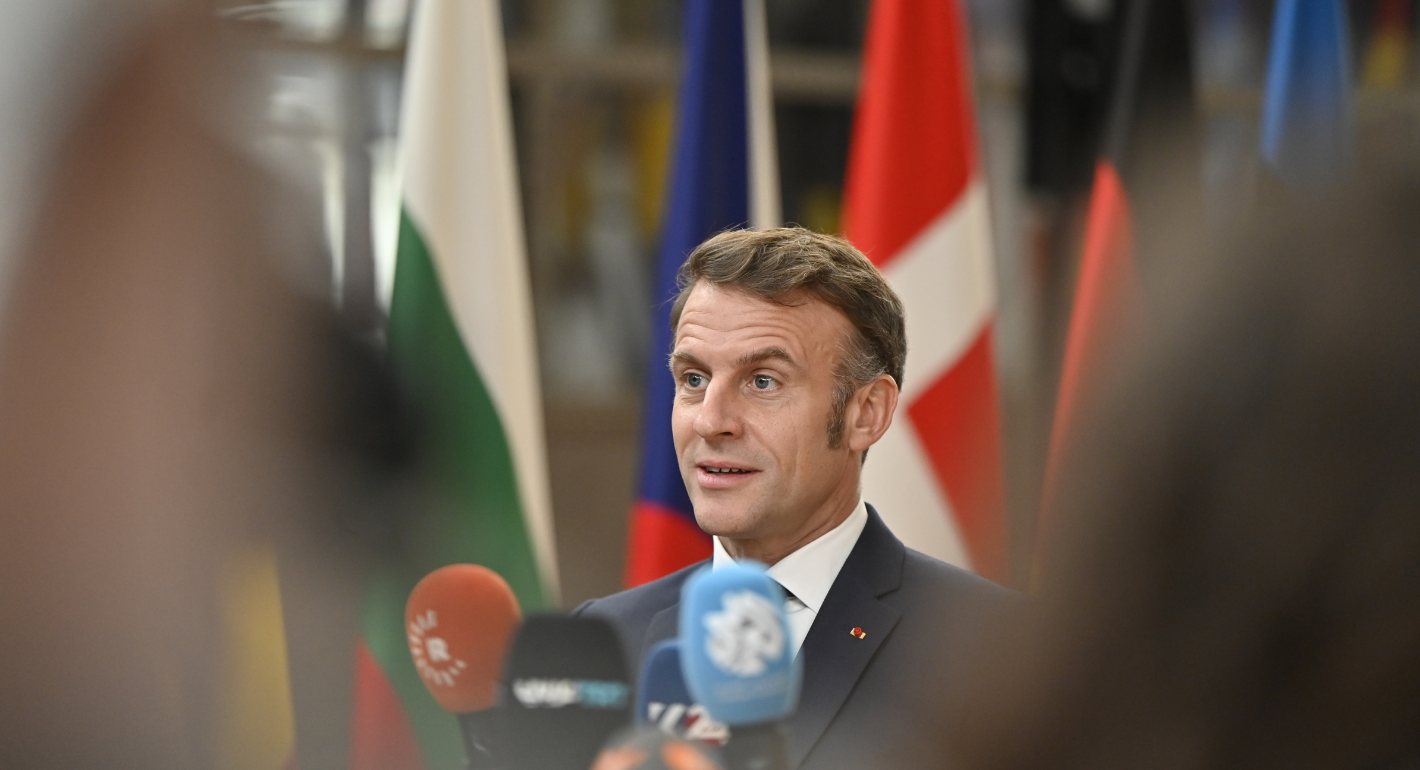
France has stopped clinging to notions of being a great power and is embracing the middle power moment. But Emmanuel Macron has his work cut out if he is to secure his country’s global standing before his term in office ends.
Rym Momtaz