

Commentary
A summer of escalation in the Black Sea has hurt Ukraine economically and is exacerbating world food security. A truce is needed—as is a broader reframing of Europe’s Ukraine strategy.
Thomas de Waal
Source: Getty
An examination of the current structure of China's healthcare system, the obstacles that the regime must overcome to achieve universal healthcare, and the competing proposals for improving it.
The Urgency of Reform
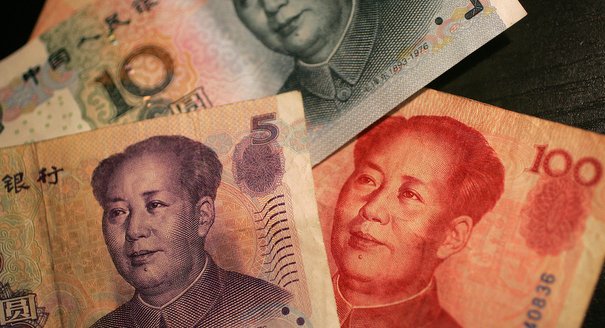
On 21 January 2009, China's State Council revealed an ambitious plan to spend RMB 850 billion (USD 124b) by 2011 on providing universal primary medical care to its citizens. Although reform has been ongoing, ensuring affordable access to basic health services for its citizenry has gained new urgency during the global financial crisis. Official media recently estimated that 10 million migrant workers lost their jobs in the third quarter of 2008 and urban unemployment reached 4.2% at the end of December, the first jump in five years. No job means no health insurance, and unemployment is only expected to grow.
How has Chinese healthcare reached a state in which one-third of rural farmers reported not receiving any form of healthcare whatsoever in 2002 and less than half of urban residents were receiving medical coverage as of 2006? In the mid-1970s and 80s, the central government had achieved nearly universal coverage of its citizens. State-owned Enterprises (SOE) and rural collectives together covered an estimated 90% of Chinese citizens. Yet this system proved financially unsustainable: abuse and overuse of free health services and the unrestricted spending of unaccountable state enterprises became too much of a burden on the state. Both SOEs and collectives were eventually downsized or dismantled during market reforms.
No social safety net had been established to replace this system of guaranteed medical care. First, the emphasis on economic efficiency hardly left room to tackle a problem that clearly required large infusions of funding. Second, it appears that the regime mistakenly assumed the market would give rise to sufficient health services. As a result, millions lost healthcare access virtually overnight. The regime belatedly began passing a series of ad hoc measures meant to regulate prices and provide citizens with medical coverage, but these have largely been unrealistic, bandage policies.
Little attention has been paid to China’s ailing healthcare system in the West, even though the debate over healthcare has drawn officials, academics and industry insiders into one of the most open policy discussions going on in China today. While the space allotted here does not allow for a definitive compilation of the challenges facing China’s healthcare system, it does attempt to discuss the past and current system as comprehensively as possible. Thus this brief is organized as follows:
Meredith Wen
Carnegie Beijing
Carnegie does not take institutional positions on public policy issues; the views represented herein are those of the author(s) and do not necessarily reflect the views of Carnegie, its staff, or its trustees.

A summer of escalation in the Black Sea has hurt Ukraine economically and is exacerbating world food security. A truce is needed—as is a broader reframing of Europe’s Ukraine strategy.

Thomas de Waal
The hybrid warfare landscape is evolving rapidly, leaving policymakers without clear strategies. To better inform their work in addressing emerging challenges, governments must dig deeper into the underlying dynamics at play.


Raluca Csernatoni, Alicia Wanless

As the EU confronts profound challenges, several leaders have called for fundamental reform to the union’s model—but only modest, superficial changes have resulted. What if Europe really could be reimagined from zero today: What should such a redesigned European order look like?

Richard Youngs, ed.
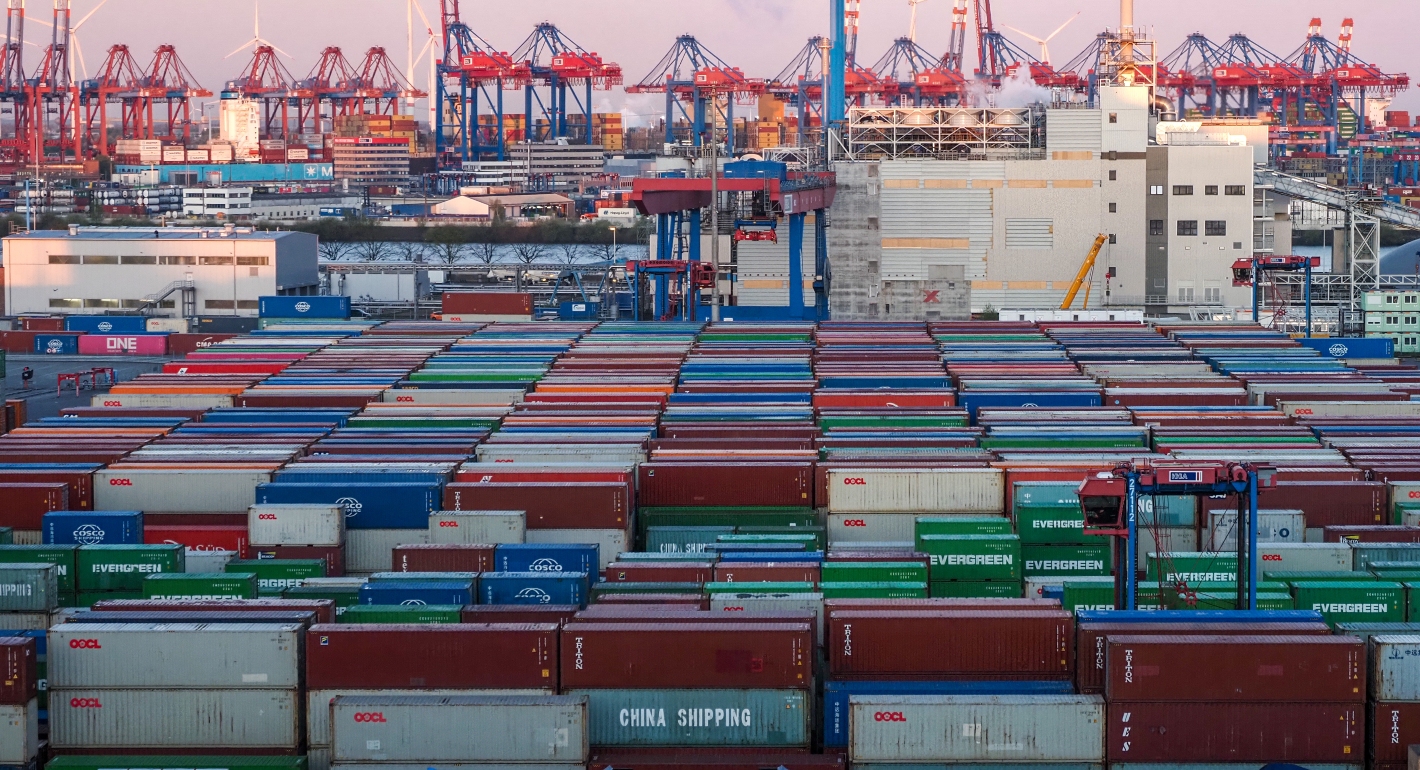
As geopolitical rivalry weaponizes global supply chains, the EU’s true vulnerability lies in emerging-risk imports. For these goods, suppliers are growing more concentrated, substitution more difficult, and political risk is looming.

Sinan Ülgen

The EU is putting together a new security strategy to meet today’s myriad challenges. But for any proposal to be effective, the union needs to grapple with its identity and ambitions.

Pierre Vimont