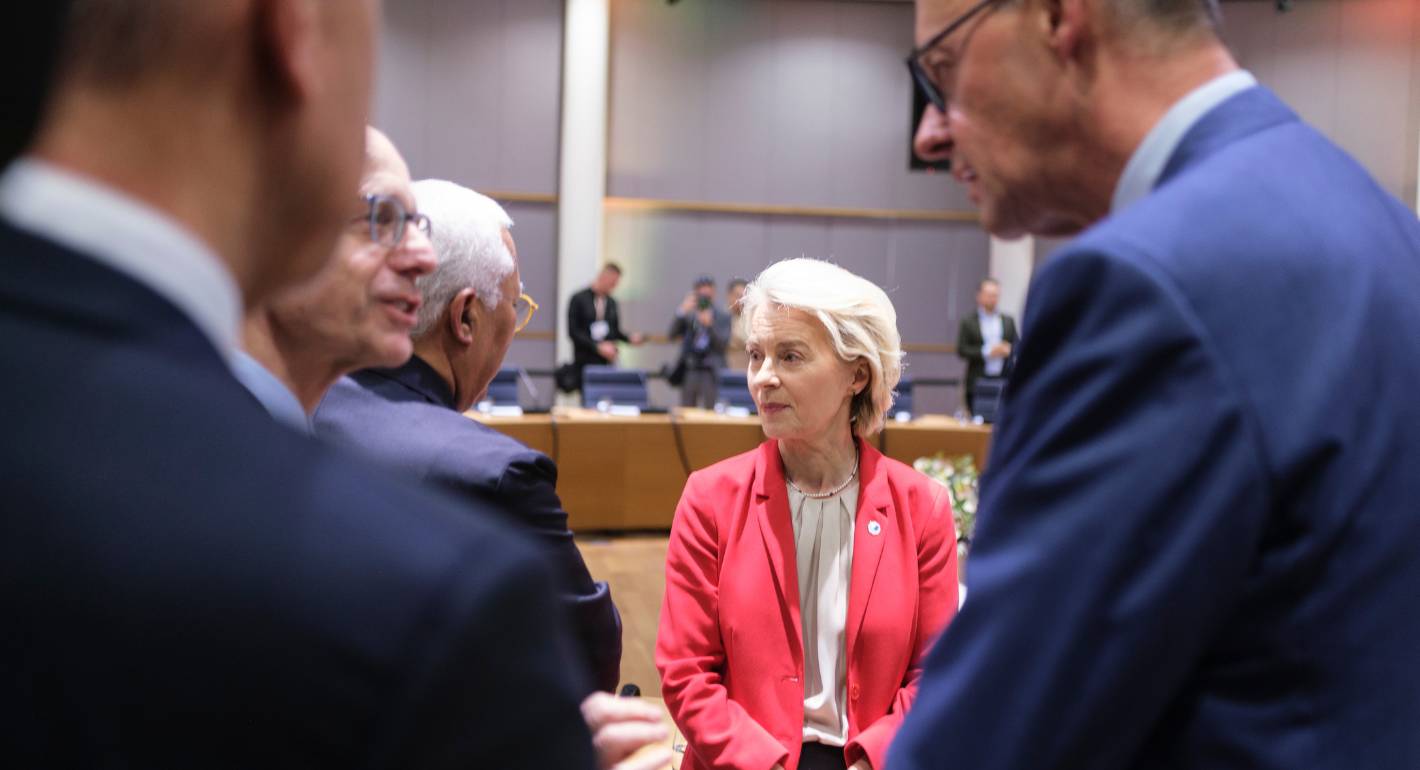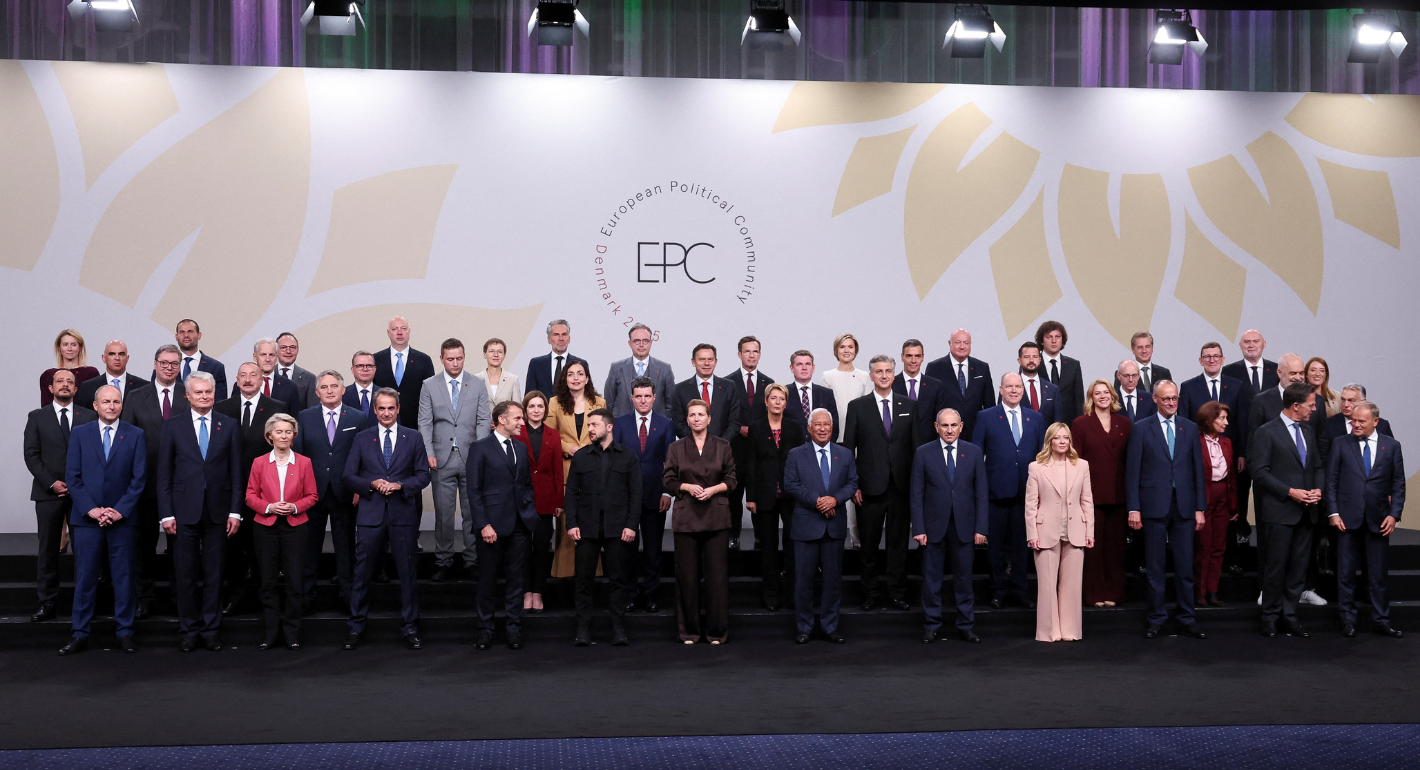
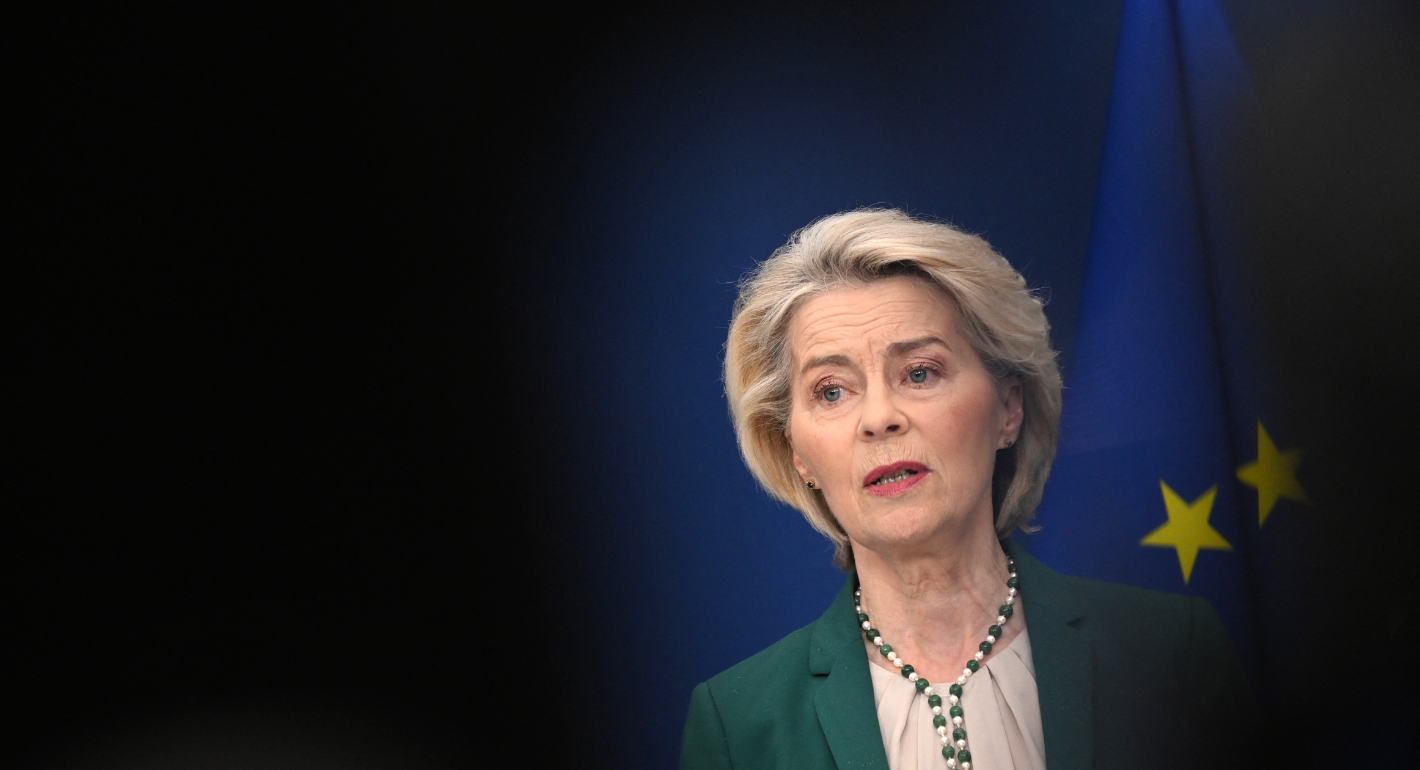
Following Ursula von der Leyen’s gaffe equating Turkey to Russia and China, relations with Ankara risk deteriorating even further. Without better, more consistent diplomatic messaging, how can the EU pretend to be a geopolitical power?
Sinan Ülgen

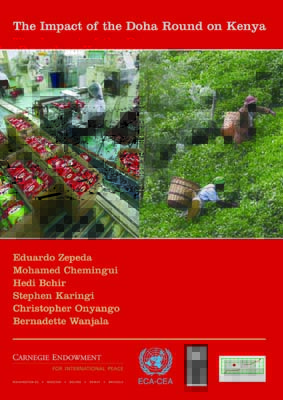
The ongoing Doha Round of trade negotiations could improve Kenya’s competitive position in processed food and agriculture, but long-term development requires the strengthening of other economic sectors.
Kenya’s economy has yet to recover from the global financial crisis and the political upheaval and social violence that followed the disputed elections at the end of 2007. The implementation of a likely agreement of the ongoing Doha Round of trade negotiations would improve Kenya’s competitive position in processed food and agriculture, but would harm manufacturing and mining. Depending on the content of negotiations, the liberalization of trade in goods would boost the country’s GDP by 0.2 percent annually, placing Kenya on the winning side of Doha. However, the benefits would be small, according to the report from the Carnegie Endowment, United Nations Economic Commission for Africa, United Nations Development Programme, and Kenya Institute for Policy Research and Analysis.
Key Conclusions:
“The impact of the Doha Round can lead the Kenyan economy to further specialize in agriculture and processed food. And specialization in these activities can help Kenya make good use of its unskilled labor, its most abundant factor,” write the authors. “But Kenya’s long-term development cannot rest on only these two activities. Kenya must aim to build dynamic comparative advantages in activities with higher value added that can support higher standards of living. Trade can help, but trade by itself will not do the job.”
Former Senior Associate, Trade, Equity and Development Program
Zepeda is inter-regional policy coordinator of the Development Policy and Analysis Division, Department of Economic and Social Affairs at the United Nations General Secretariat. He was previously a senior associate in the Trade, Equity, and Development Program at the Carnegie Endowment for International Peace.
Mohamed Chemingui
Hedi Bchir
Stephen Karingi
Christopher Onyango
Bernadette Wanjala
Carnegie does not take institutional positions on public policy issues; the views represented herein are those of the author(s) and do not necessarily reflect the views of Carnegie, its staff, or its trustees.
Following Ursula von der Leyen’s gaffe equating Turkey to Russia and China, relations with Ankara risk deteriorating even further. Without better, more consistent diplomatic messaging, how can the EU pretend to be a geopolitical power?
Sinan Ülgen

The U.S.-sponsored TRIPP deal is driving the Armenia-Azerbaijan peace process forward. But foreign and domestic hurdles remain before connectivity and economic interdependence can open up the South Caucasus.
Thomas de Waal, Areg Kochinyan, Zaur Shiriyev
Economic growth is at the heart of a dilemma between planetary and international security.
Olivia Lazard
The war in Iran proves the United States is now a destabilizing actor for Europe and the Arab Gulf. From protect their economies and energy supplies to safeguarding their territorial integrity, both regions have much to gain from forming a new kind of partnership together.
Rym Momtaz
Europe isn’t as weak in the new geopolitics of power as many would believe. But to leverage its assets and claim a sphere of influence, Brussels must stop undercutting itself.
Dimitar Bechev