

Commentary
Before the next wave of EU enlargement takes place, the union needs to grapple with thorny questions of how power is distributed among its members.
Emil Sondaj Hansen, Ditte Brasso Sørensen
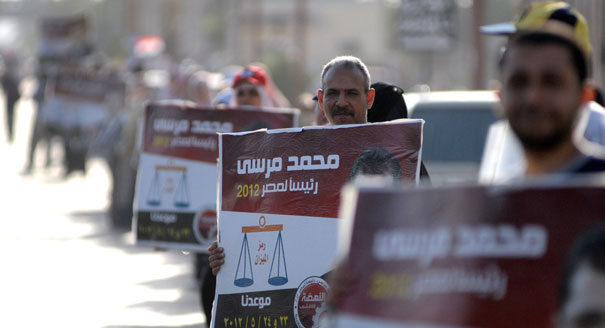
Source: Getty
By scaling back its political engagement to focus on a traditional religious, educational, and social agenda, the Egyptian Muslim Brotherhood is leaving behind an even greater lack of political competition in the country.
The Egyptian Muslim Brotherhood has begun to scale back its political engagement because the results have been few, government repression continues, and other opposition groups mistrust the movement. Instead it will focus on a traditional religious, educational, and social agenda. The result will be an even greater lack of political competition.
In a detailed profile of the Muslim Brotherhood’s activities over the last decade, this paper examines the Brotherhood’s relations with the Mubarak regime and other opposition groups, its legislative priorities and accomplishments, and its internal debate over the value of political participation.
Key Conclusions:
“With the Brotherhood’s retreat, a fleeting opportunity that seemed to arise in the middle of the decade for building a more pluralistic political system and for an open political contest between competing visions for Egypt’s future appears to have been lost,” the authors conclude.

Director, Middle East Program
Amr Hamzawy is a senior fellow and the director of the Carnegie Middle East Program. His research and writings focus on Egypt’s and other middle powers’ involvement in regional security in the Middle East, particularly through collective diplomacy and multilateral conflict resolution

Nonresident Senior Fellow, Middle East Program
Nathan J. Brown, a professor of political science and international affairs at George Washington University, is a distinguished scholar and author of nine books on Arab politics and governance, as well as editor of five books.
Carnegie does not take institutional positions on public policy issues; the views represented herein are those of the author(s) and do not necessarily reflect the views of Carnegie, its staff, or its trustees.

Before the next wave of EU enlargement takes place, the union needs to grapple with thorny questions of how power is distributed among its members.


Emil Sondaj Hansen, Ditte Brasso Sørensen

As the EU confronts profound challenges, several leaders have called for fundamental reform to the union’s model—but only modest, superficial changes have resulted. What if Europe really could be reimagined from zero today: What should such a redesigned European order look like?

Richard Youngs, ed.

The EU’s new migration policy is not suited to today’s realities. With climate change increasingly becoming a driver of displacement, Europe needs to rethink its deterrence-focused approach.

Shana Tabak
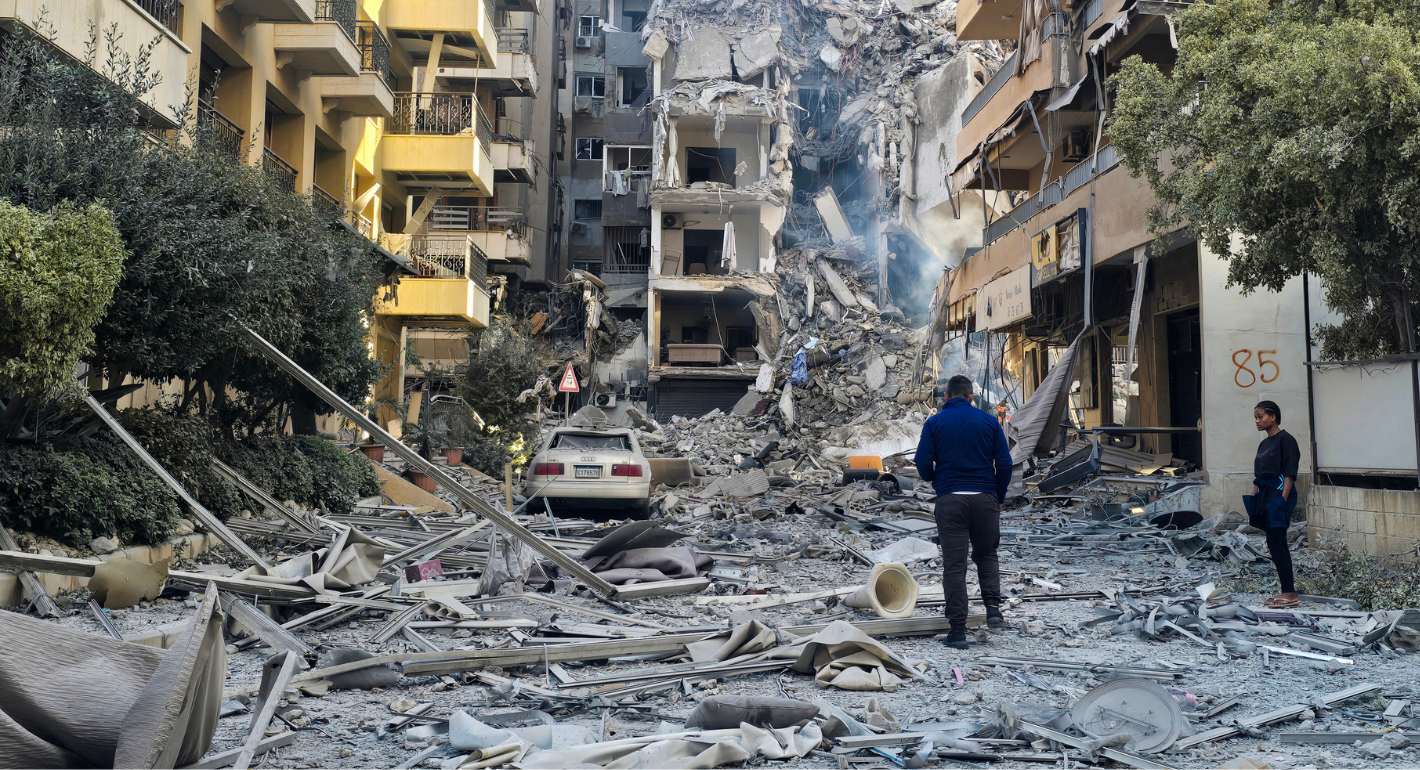
Europe seems to have accepted its sidelining in the Middle East. The EU must reassert its support for the international rules-based order and step up engagement.

Rym Momtaz
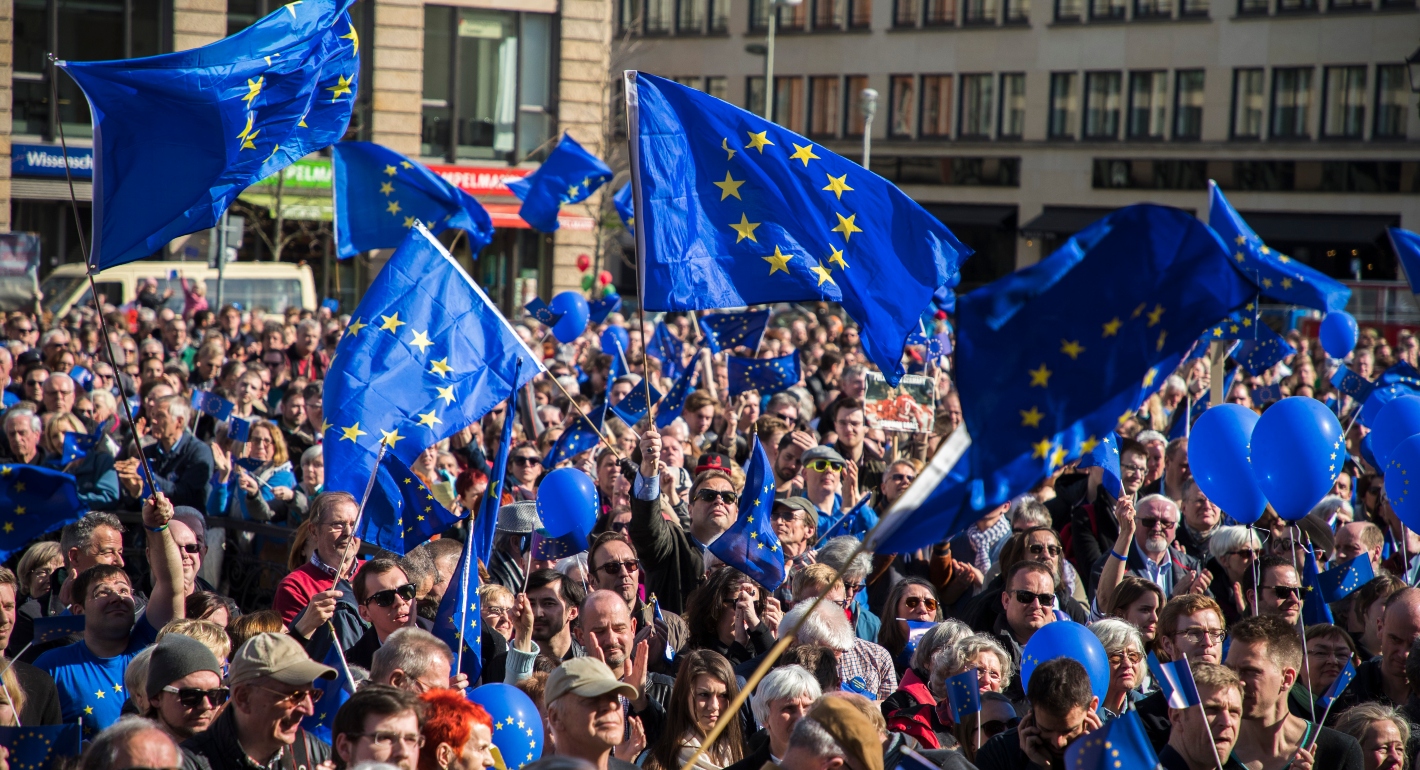
Preparing candidate countries for EU membership is no longer enough. As the enlargement process becomes a reality, the union must also prepare its own societies.

Iliriana Gjoni