

In The Media
Lahcen Achy

Source: Getty
While Morocco’s poverty rate has fallen by more than 40 percent in the last decade, the country’s leaders must reconsider their poverty-reduction strategy if they want to sustain the positive trend and overcome remaining challenges.
Despite a lack of significant natural resources, Morocco’s poverty rate has fallen by more than 40 percent in the last decade, with less than 9 percent of its population considered poor. While lifting 1.7 million people out of poverty in ten years is notable progress, Lahcen Achy explains in a new paper that Morocco’s leaders must rethink their poverty-reduction strategy to sustain the positive trend and overcome remaining challenges.
“Despite significant progress in poverty reduction, Morocco faces the persistent problems of high illiteracy, inequality, volatile economic growth, informal and vulnerable jobs, and the uncertain levels of future remittances,” Achy writes. “Policy makers must review the country’s approach for alleviating poverty and take greater advantage of existing strengths to reach a broader spectrum of the population."

Former Nonresident Senior Associate, Middle East Center
Achy is an economist with expertise in development, institutional economics, trade, and labor and a focus on the Middle East and North Africa.
Recent Work
Lahcen Achy
Lahcen Achy
Carnegie does not take institutional positions on public policy issues; the views represented herein are those of the author(s) and do not necessarily reflect the views of Carnegie, its staff, or its trustees.

The aftermath of the Ceuta crisis shows Europe has drawn the wrong lessons. Rather than doubling down on failed migration policies, the EU needs to address the underlying roots of such episodes.

Richard Youngs

As geopolitical rivalry weaponizes global supply chains, the EU’s true vulnerability lies in emerging-risk imports. For these goods, suppliers are growing more concentrated, substitution more difficult, and political risk is looming.

Sinan Ülgen

The EU is putting together a new security strategy to meet today’s myriad challenges. But for any proposal to be effective, the union needs to grapple with its identity and ambitions.

Pierre Vimont

The EU’s new migration policy is not suited to today’s realities. With climate change increasingly becoming a driver of displacement, Europe needs to rethink its deterrence-focused approach.

Shana Tabak
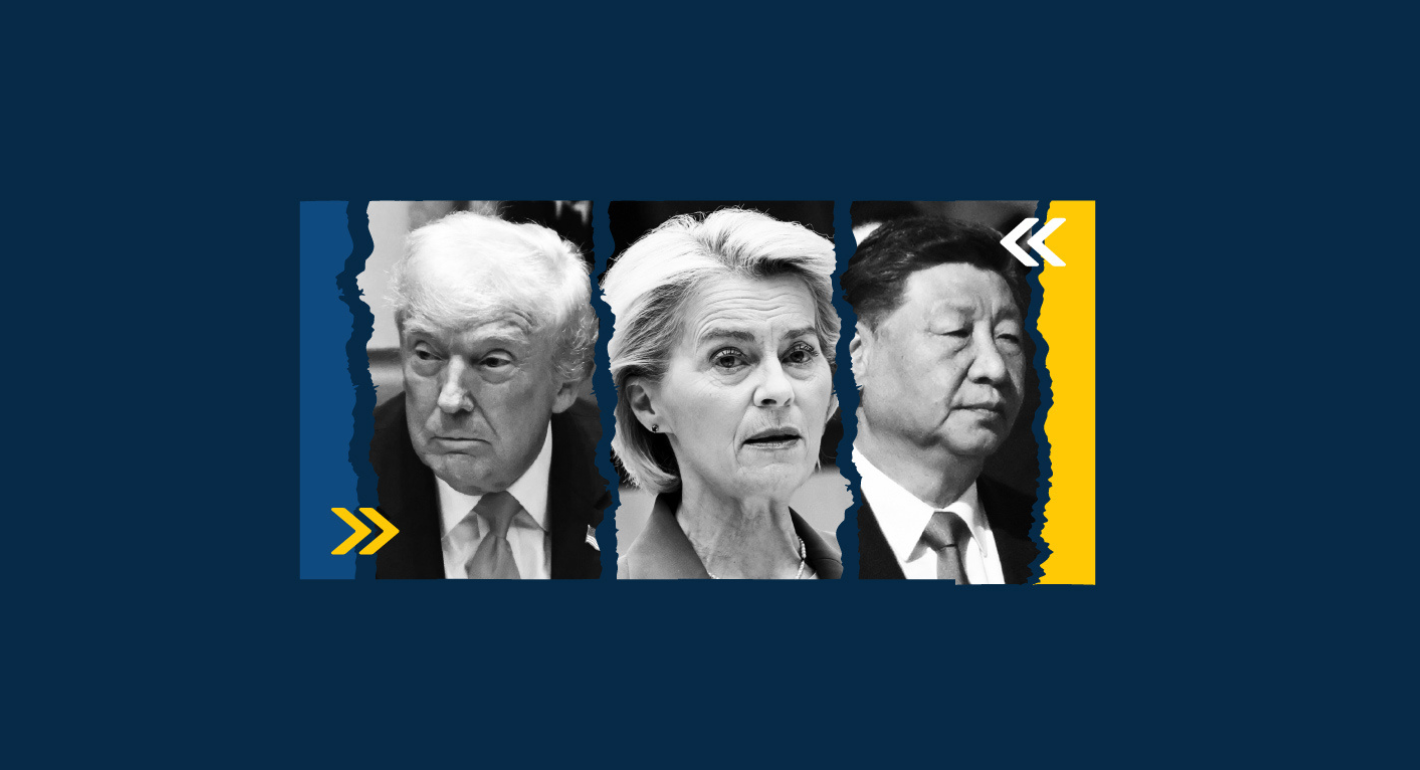
Between the United States’ market-driven approach and China's state-led industrial strategy, Europe is reckoning with how it can remain competitive in the global economy. But is Europe in danger of becoming a U.S. or China colony?


Noah Barkin, Anu Bradford