

Commentary
As we close out another season of Strategic Europe, it is worth taking stock of the deep shifts underway.
Rym Momtaz
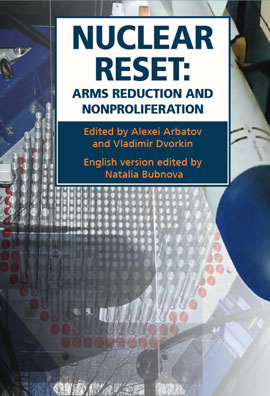
The concept of nuclear disarmament as an essential condition for nuclear nonproliferation is again entering the realm of practical politics, but the movement toward nuclear disarmament is extremely difficult and fraught with great dangers.
Source: Moscow: Carnegie Moscow Center

The continued image of nuclear arms as an indispensable pillar of superpower security combined with the absence of progress on the issue of nuclear disarmament spurs the risk of nuclear proliferation and eventually military or terrorist use of nuclear arms. Nuclear Reset: Arms Reduction and Nonproliferation refutes the argument put forward by many politicians and experts, both in Russia and internationally, of a “civilizing effect” of nuclear weapons in international relations—implying nuclear states’ restraint in their foreign and military policies in the face of fears of nuclear catastrophe.
The book argues that after decades of heated debate the concept of nuclear disarmament as an essential condition for nuclear nonproliferation is again entering the realm of practical politics. Since genuine and consistent movement toward nuclear disarmament is extremely difficult and fraught with great dangers; realism and professionalism is required, taking into account all of the subtleties and the political, economic, military, and technological interrelationships around the issue. The book suggests that in this context there is a need for thorough and well-grounded linkage of all of the elements of the process and both its bilateral and multilateral formats.
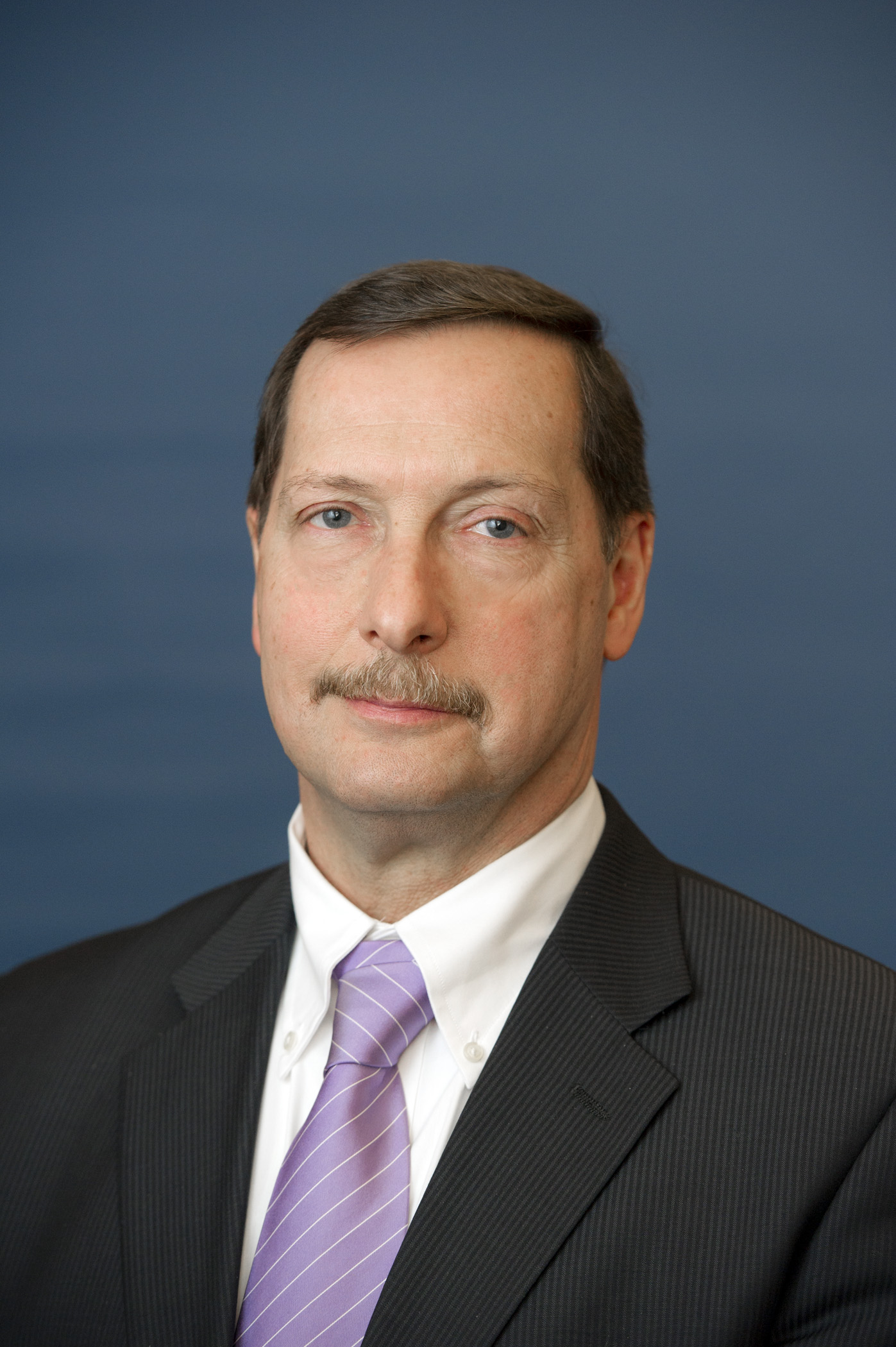
Alexey Arbatov
Alexey Arbatov is the head of the Center for International Security at the Primakov National Research Institute of World Economy and International Relations.
Vladimir Dvorkin
Major General Dvorkin (retired) is a chief researcher at the Center for International Security at the Institute of World Economy and International Relations.

Natalia Bubnova
Former Head of Content Production, Moscow Center
Natalia Bubnova was head of content production at the Carnegie Moscow Center. She previously served as deputy director for communications at the Carnegie Moscow Center.
Carnegie does not take institutional positions on public policy issues; the views represented herein are those of the author(s) and do not necessarily reflect the views of Carnegie, its staff, or its trustees.
As we close out another season of Strategic Europe, it is worth taking stock of the deep shifts underway.

Rym Momtaz
The hybrid warfare landscape is evolving rapidly, leaving policymakers without clear strategies. To better inform their work in addressing emerging challenges, governments must dig deeper into the underlying dynamics at play.


Raluca Csernatoni, Alicia Wanless
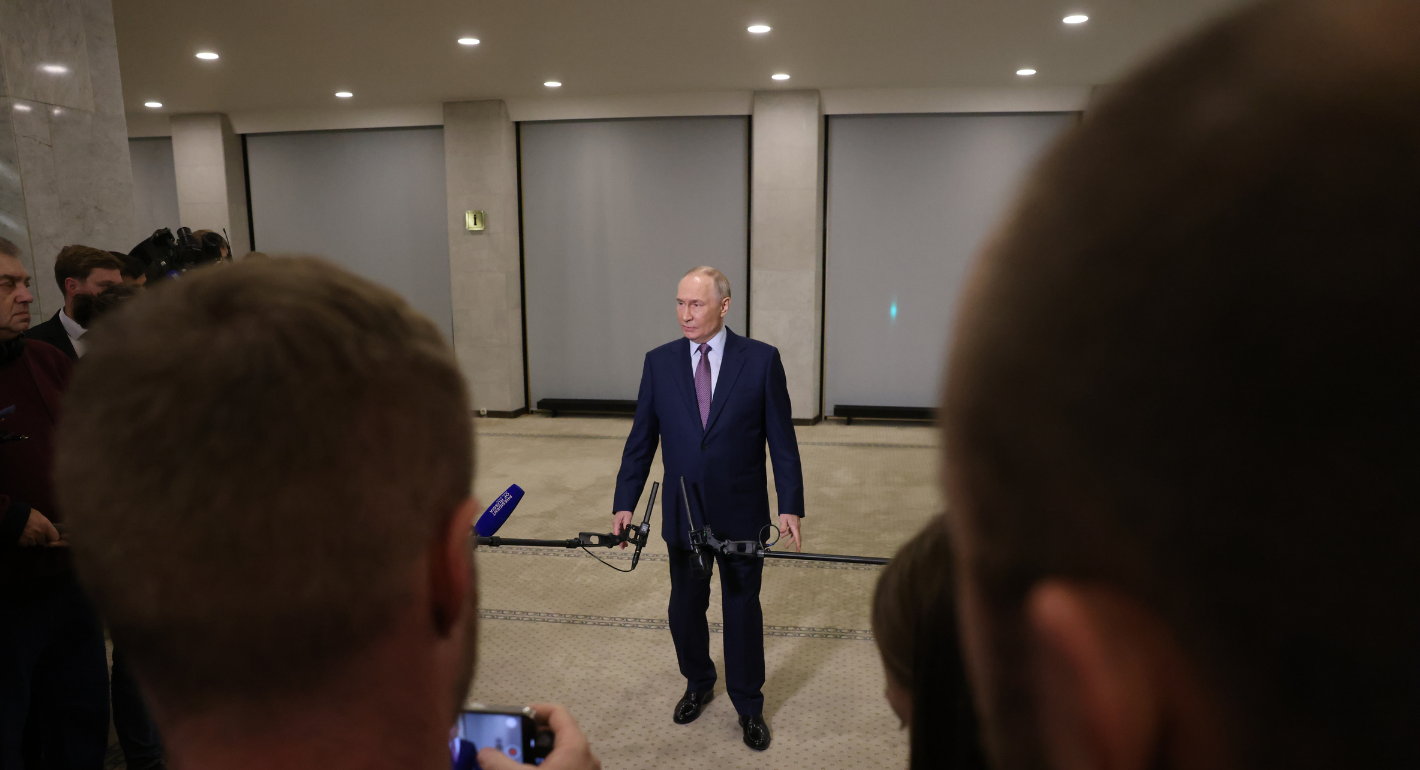
The EU had to compromise to adopt a twenty-first sanctions package against Russia, exposing growing cracks in the union’s resolve. Is this latest, weaker round worth it to keep pressure on Moscow?
Rym Momtaz, ed.

Trump is distracted and Ukraine wants Europe to step up. The continent’s leaders must find their voice and assert it in talks with Russia.

Alissa de Carbonnel

Mounting economic strain and battlefield losses will not necessarily make the Kremlin less dangerous. They could instead push Moscow toward a more aggressive hybrid campaign designed to test NATO’s Eastern flank, exploit allied hesitation, and fracture European resolve.

Maksym Beznosiuk