


Paper
Douglas H. Paal
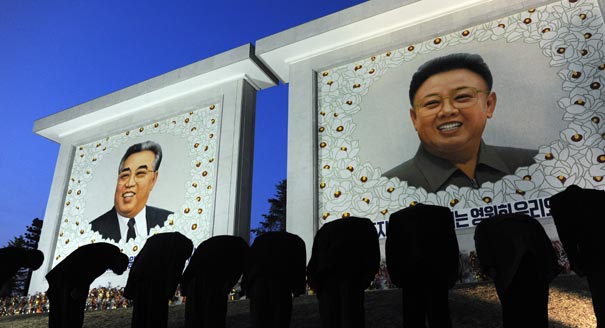
Source: Getty
The 1959 movie The Mouse That Roared offers a useful metaphor for understanding North Korea.
I am usually a pretty serious guy and I try to treat my nuclear security threats fairly soberly. North Korea does terrible things to its people and uses threats of annihilation to extract aid from potential victims—sort of like the mafia—but big time.
But the metaphor that has worked for me for years to understand North Korea is the 1955 novel and 1959 movie, The Mouse that Roared. In it, the tiny European Grand Duchy of Fenwick decides to escape from dire economic straits by declaring war on the United States, hoping for speedy defeat and with it the benefits of a new Marshall Plan. The Grand Duchess Gloriana (played by Peter Sellers) dispatches Field Marshall Tully Bascombe (also played by remarkably look-alike Peter Sellers) and 23 men bearing medieval armor and bows and arrows to attack New York City.
In a twist of fate, they find New York’s streets deserted during a public security drill. They stumble into an unguarded weapons lab and discover and take a new secret weapon of mass destruction, the Q Bomb. Their armor persuades civil guards to believe they are from Mars and therefore dangerous.
With the Q Bomb safely back in Fenwick, the Grand Duchess, advised by her Prime Minster Count Rupert Mountjoy (also resembling close relation Peter Sellers), decides to set terms for peace. All nuclear nations must be subjected to international inspection of their nuclear arsenal and a group of the “Tiny Twenty” nations must be formed to balance the big powers. When the Duchess proceeds to marry Tully, the bomb is discovered by its creator to be a dud, but the secret is maintained to preserve world peace.
With North Korea, you have the makings of another enduring comedy. There is the whacko family with some obvious hints of inbreeding. There is an unreliable weapon of mass destruction that nonetheless inspires prudent fear. The country is undoubtedly impoverished and has recently experienced a much witnessed “failure to launch.” Yet it harbors grand expectations to be well rewarded—or else.
Roll ‘em.

Distinguished Fellow, Asia Program
Paal previously served as vice chairman of JPMorgan Chase International and as unofficial U.S. representative to Taiwan as director of the American Institute in Taiwan.
Recent Work
Douglas H. Paal


Douglas H. Paal, Tong Zhao, Chen Qi, …
Carnegie does not take institutional positions on public policy issues; the views represented herein are those of the author(s) and do not necessarily reflect the views of Carnegie, its staff, or its trustees.
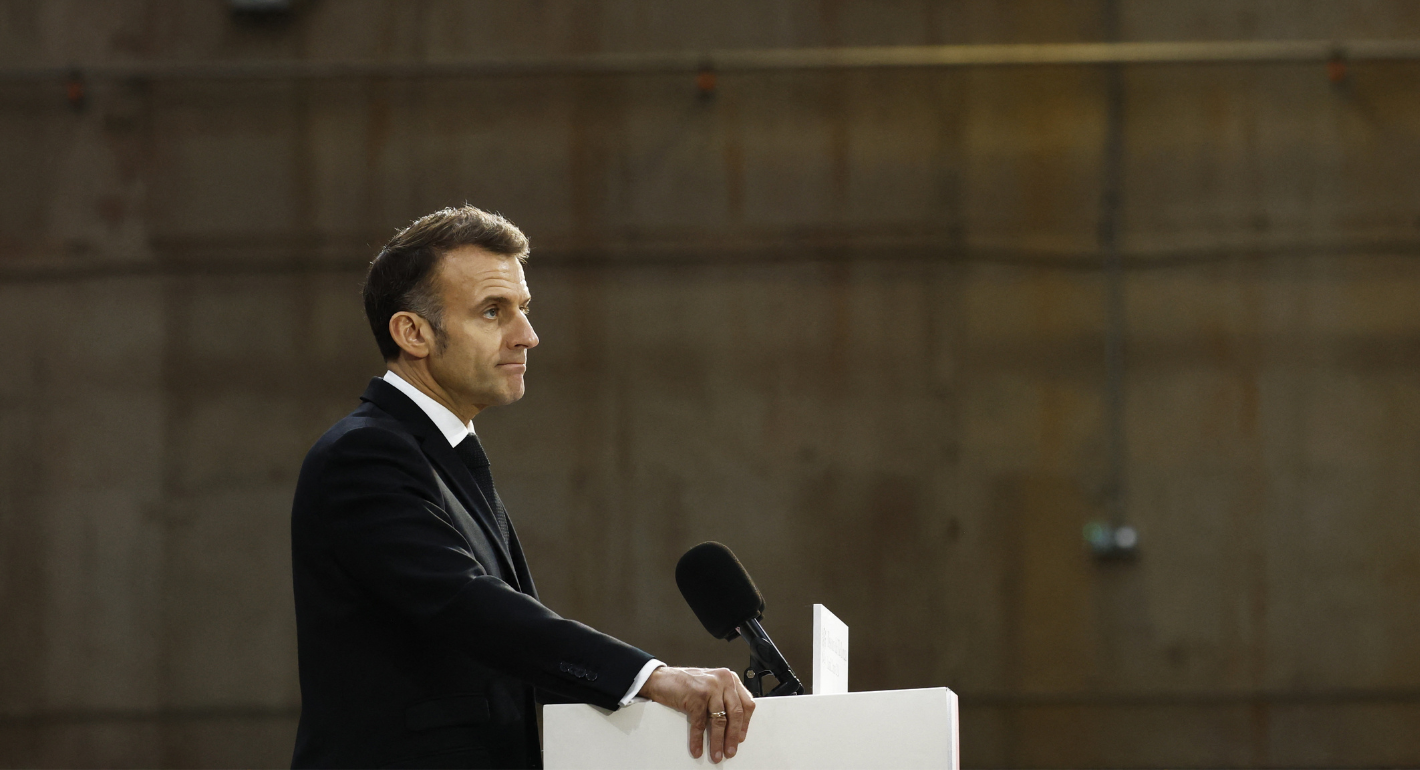
French President Emmanuel Macron has unveiled his country’s new nuclear doctrine. Are the changes he has made enough to reassure France’s European partners in the current geopolitical context?

Rym Momtaz, ed.
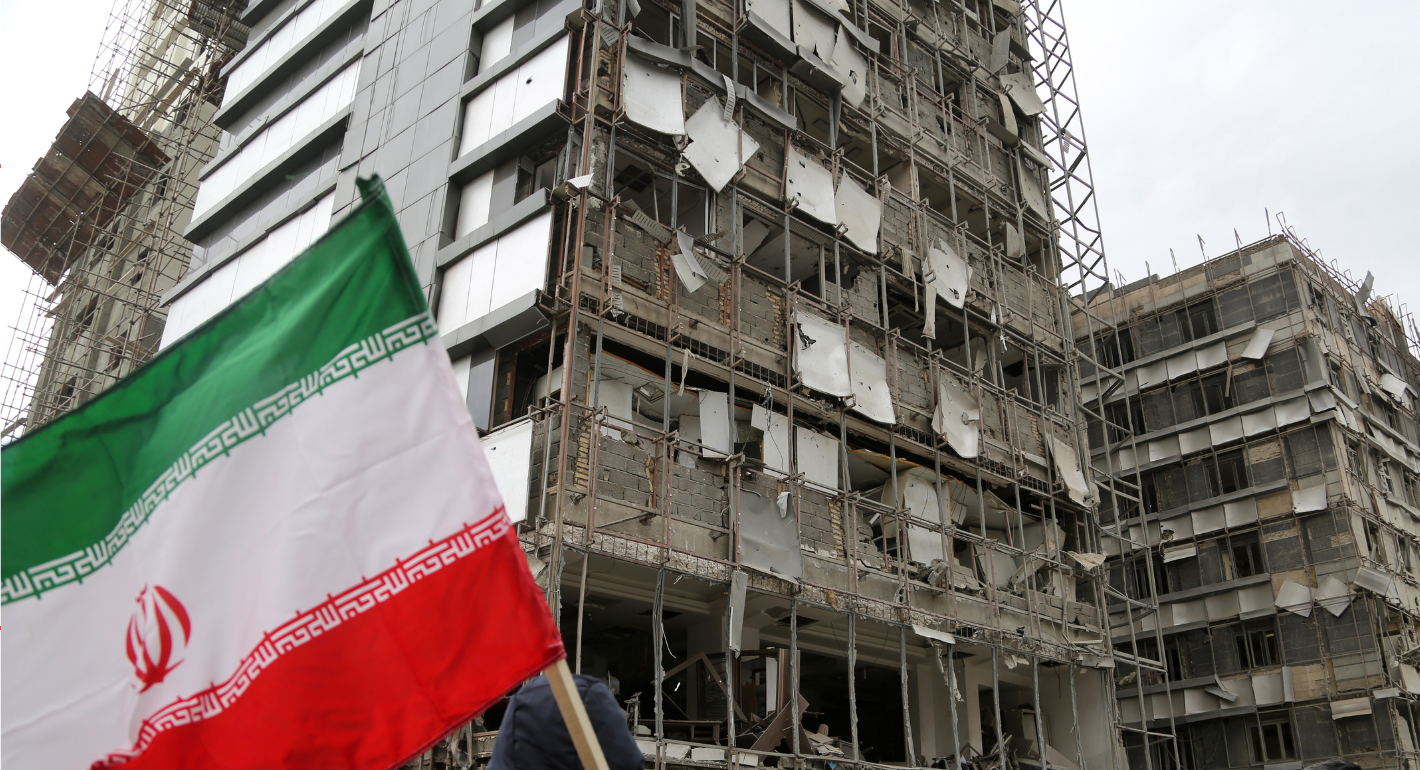
Europe’s reaction to the war in Iran has been disunited and meek, a far cry from its previously leading role in diplomacy with Tehran. To avoid being condemned to the sidelines while escalation continues, Brussels needs to stand up for international law.

Pierre Vimont
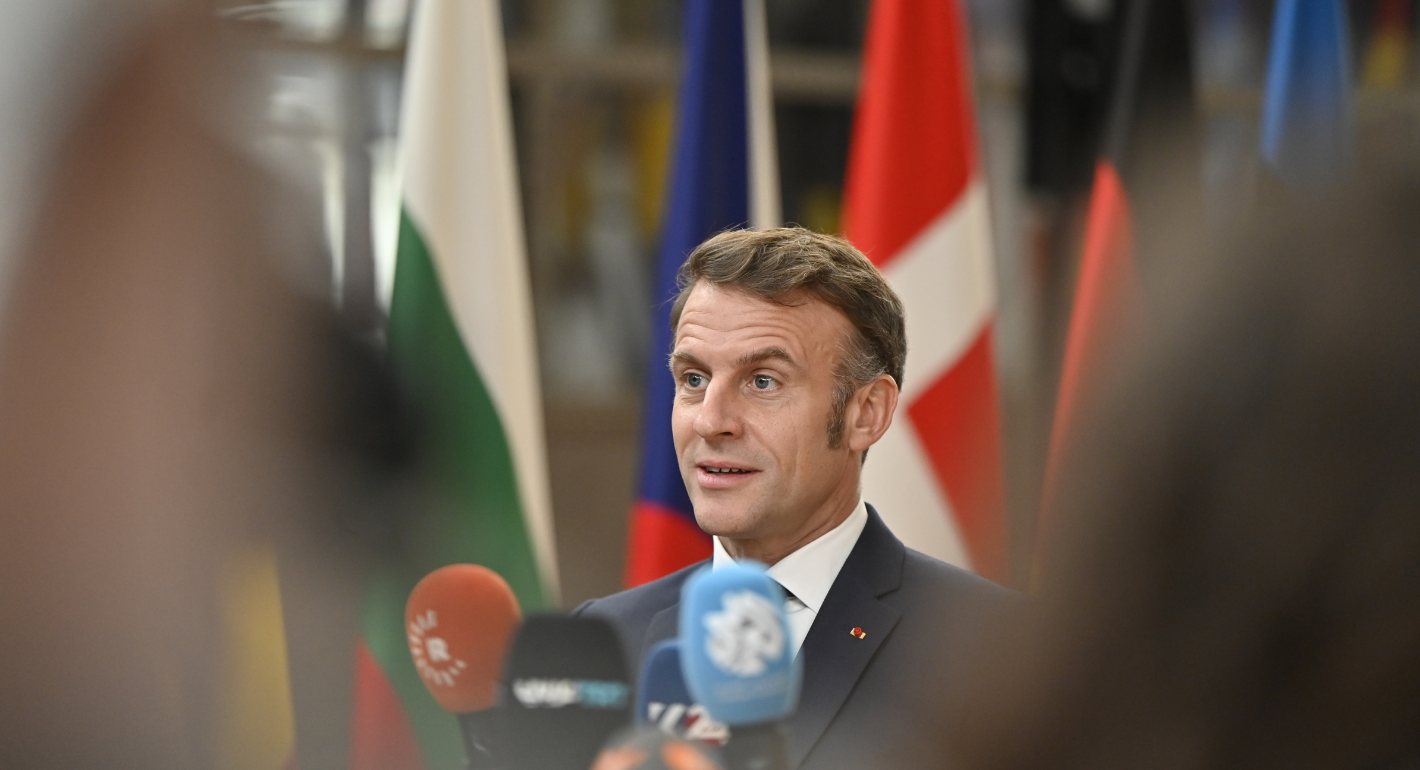
France has stopped clinging to notions of being a great power and is embracing the middle power moment. But Emmanuel Macron has his work cut out if he is to secure his country’s global standing before his term in office ends.
Rym Momtaz
In Donald Trump’s second term in office, the transatlantic relationship that helped define the postwar European project and global order appears broken. Is it time for Brussels to chart its own path?


Nathalie Tocci, Jan Techau
The debate on the future of European deterrence has intensified, as NATO allies seek to balance three key aims. Going forward, they will need to cooperate more deeply to craft a coherent strategy for confronting new threats.


Sophia Besch, Jamie Kwong