

Commentary
Closer EU-UK ties could help address urgent European concerns. But is the EU ready for rapprochement with the United Kingdom?
Rym Momtaz, ed.
Source: Getty
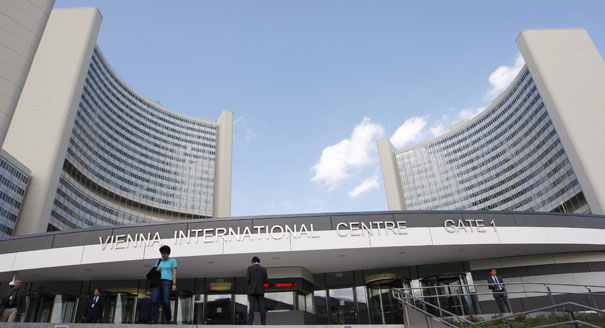
The 2012 Non-Proliferation Treaty Preparatory Committee in Vienna will be the first meeting of States Parties to assess global progress and build on the success of 2010.
The word “nuclear” is often on the front pages of the press, whether you’re in Tehran, Tokyo or Tunis. In the last few weeks alone, we’ve seen international talks about Iran’s nuclear programme and united international concern that it is developing a nuclear weapon. We have also seen the DPRK rocket launch—ostensibly a failed satellite launch, but widely suspected to be part of a nuclear weapons programme. Yet at the same time we’ve seen unprecedented agreement by world leaders at the Nuclear Security Summit in Seoul to work together to tackle the threat of nuclear terrorism.
The issue of nuclear safety was thrust onto the front pages last year during the massive emergency response to the accident at the Fukushima nuclear plant, following the tragic earthquake and tsunami in Japan. Given our expectation that world-wide energy demand is set to double by 2050, and the stark reality that we must reduce global greenhouse gas emissions if we are to avoid catastrophic climate change, then it is clear that the debate about the peaceful uses of nuclear power and the risks of the spread of nuclear weapons is set to continue. The Nuclear Non-Proliferation Treaty (NPT) is at the heart of our approach to this debate.
The Treaty, borne out of fear that the Cold War era would lead to a nuclear arms race, has in many ways surpassed expectations in terms of longevity, participation and meeting its counter proliferation objectives. Today, with 189 States Parties to the Treaty, it has more signatories than any other treaty of its kind. The three non-signatories India, Israel, and Pakistan, are the only additional states believed to have gained possession of nuclear weapons since the Treaty’s inception in 1968.
We have left the Cold War era long behind us, and while the Treaty continues to be a considerable deterrent to the spread of nuclear weapons, we must all work to ensure that it evolves and adapts to counter current and future threats to international peace and security.
We took a big step towards achieving this in 2010. As my first overseas duty as a UK Foreign Office Minister I attended the NPT Review Conference at the UN in New York. The outcome was a significant boost to multilateralism. All States Parties agreed to support the Treaty to meet new and existing threats. A five year action plan was agreed by consensus, spanning the three so-called “pillars” of the NPT – progress toward disarmament by existing nuclear weapon states, measures to prevent the proliferation of nuclear weapons to others and, a crucial part of the bargain struck in 1968, supporting the peaceful use of nuclear energy for those that want it. Agreement to the action plan represented the start of a process. The real test will be through delivery of the action plan to meet our commitments by the next Review Conference in 2015.
The 2012 NPT Preparatory Committee starting this week in Vienna will be the first meeting of States Parties to assess our progress and build on the success of 2010. I hope that all states will come ready to discuss the progress they have made and plans for implementation of the NPT action plan. I am pleased that the UK will have an excellent story to tell.
Since 2010 the UK has set out our plans for the reduction of our nuclear warheads, missiles and overall nuclear weapons stockpile. Amongst the nuclear weapons states (China, France, Russia, the UK and the US), all members of the NPT, stockpiles already stand at their lowest since the Cold War, and we meet regularly to discuss how we will work together to make further progress towards our long-term goal of a world without nuclear weapons. The UK has also been conducting groundbreaking work with Norway on the verification of nuclear warhead dismantlement, a crucial aspect of any future disarmament regime, and [this month] hosted the first ever meeting of the five nuclear weapon states on this issue.
We have also taken important steps towards preventing the proliferation of nuclear weapons. We continue to support a universal, strengthened system of safeguards to verify that States comply with their international obligations to uphold the non-proliferation regime. The regime is also strengthened by Nuclear Weapons Free Zones which enhance regional and international security. In support of this, the UK, together with the other nuclear weapons states recognised under the NPT, reached an agreement with the Association of South East Asian Nations, underscoring that we will not to use, or threaten to use, nuclear weapons against the 10 states party to the South East Asia Nuclear Weapons Free Zone. Credible, internationally binding commitments are vital to building the climate of trust between nuclear and non-nuclear weapons states. With this latest addition, such arrangements now cover almost 100 countries. Furthermore, since 2010 the UK has worked to support the safe expansion of civil-nuclear energy—and has recently completed agreements to share nuclear energy knowledge and capabilities with the UAE and Kuwait. Following the tragic events at Fukushima, the UK undertook comprehensive nuclear safety checks and reviewed our own nuclear energy future, including identifying eight potential sites for new nuclear power stations.
At the Review Conference in 2010 I was struck by the positive approach of all towards strengthening the NPT. This reflects the widespread belief that the NPT offers the best chance we have of getting the balance right on nuclear issues: with progress towards the long term goal of a world free of the threat of nuclear weapons, while allowing the peaceful uses of nuclear energy. It is a goal to which I am personally committed. If we fail, we risk the uncontrolled spread of nuclear weapons to rogue states and terrorist groups. It is a shared responsibility of us all to ensure we do not fail.
This article originally appeared in the Huffingon Post.
Alistair Burt serves as Parliamentary Under Secretary of State at the Foreign & Commonwealth Office.
Alistair Burt
Carnegie does not take institutional positions on public policy issues; the views represented herein are those of the author(s) and do not necessarily reflect the views of Carnegie, its staff, or its trustees.
Closer EU-UK ties could help address urgent European concerns. But is the EU ready for rapprochement with the United Kingdom?

Rym Momtaz, ed.
Europe has been standing by while its Southern neighborhood is being redrawn by force. To establish a path to peace between Israel and Lebanon, it’s time for Europeans to get involved with hard power.
Rym Momtaz
In Ukraine, Gaza, and Iran, AI warfare has come to dominate, with barely any oversight or accountability. Europe must lead the charge on the responsible use of new military technologies.

Raluca Csernatoni
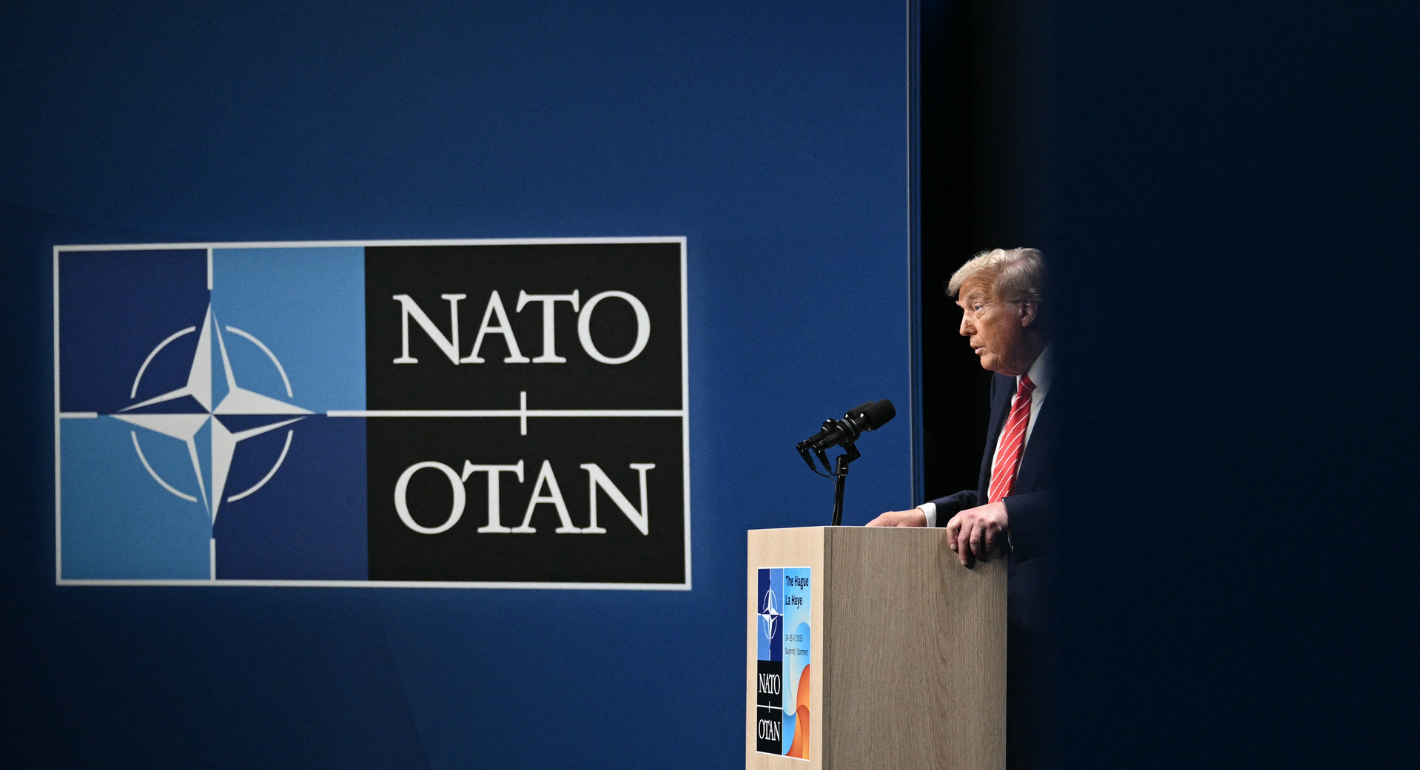
Donald Trump has repeatedly bashed NATO and European allies, threatening to annex Canada and Greenland and deploring their lack of enthusiasm for his war of choice in Iran. Is this latest round of abuse the final straw?
Rym Momtaz, ed.
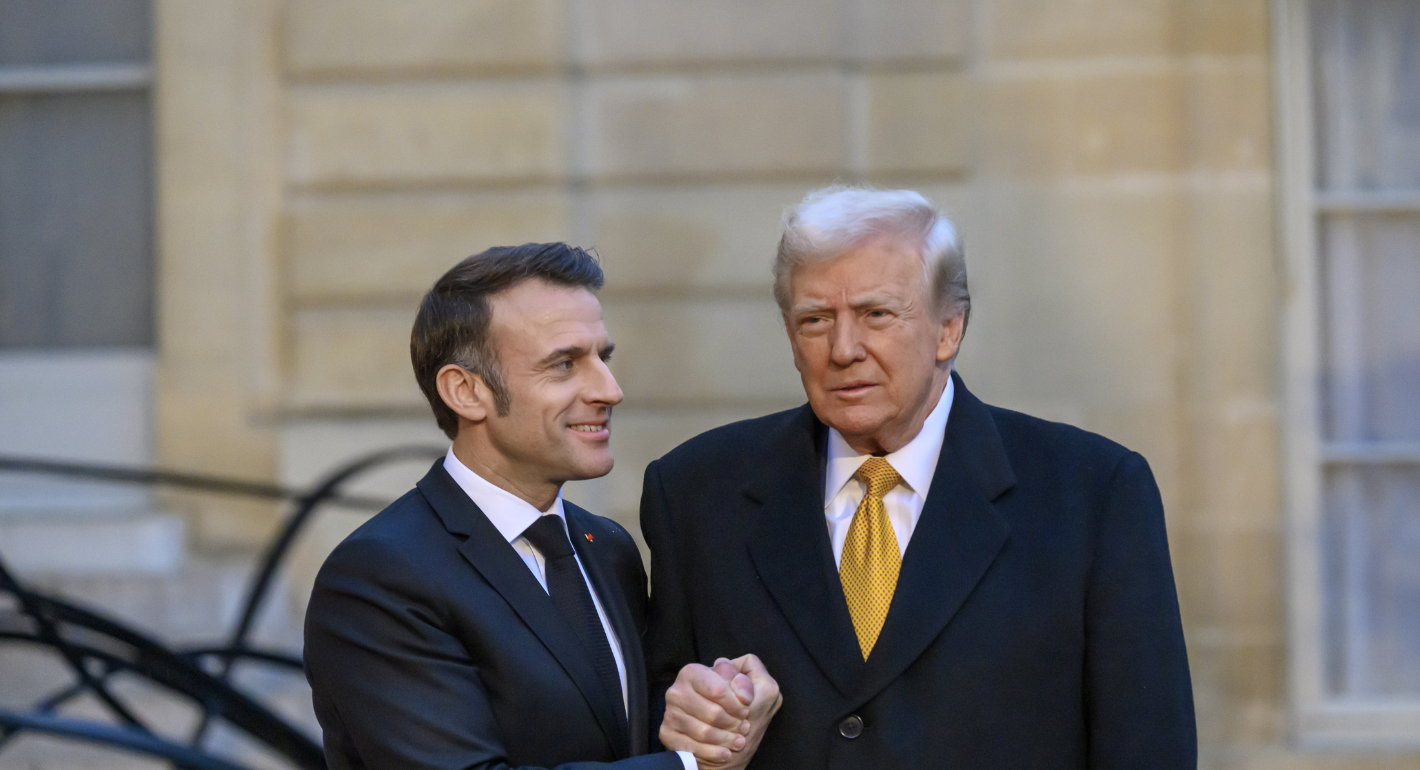
Donald Trump’s repudiation of NATO goes against the Make America Great Again vision of a U.S.-centered foreign policy. If the goal is to preserve the alliance by boosting Europe’s commitments, leaning into France’s vision is the most America First way forward.
Rym Momtaz