

Paper
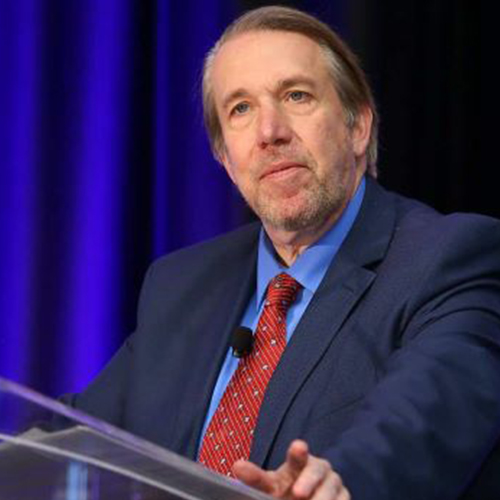
Douglas H. Paal
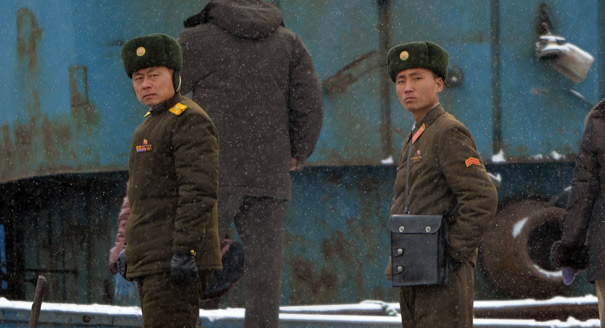
Source: Getty
The United States needs to take a patient, measured approach in dealing with North Korea and persuading China to clamp down on Pyongyang.
North Korea’s recent nuclear-weapon test is producing the same rush to find a magic formula to dissuade Pyongyang from further tests (this was the third reported test) and persuade Beijing to press North Korea to denuclearize that has been seen so often before. The United Nations Security Council issued a unanimous condemnation within twenty-four hours of the test and is considering adding further, so far essentially toothless, sanctions.
In light of the ultimately ineffective start-and-stop negotiations and sanctions of the past twenty-three years or so, the United States needs to call a time-out and take a measured, more patient approach to North Korea and China. Such a shift is necessary for several reasons.
First, Beijing, Seoul, Tokyo, and even Washington are simultaneously undergoing transitions in their foreign policy leadership teams. In fact, this may have been part of North Korea’s reasoning for timing the test now. Rushing to judgments on how to proceed might preclude more thoughtful and possibly more effective outcomes.In the case of Beijing, the Chinese leadership has withstood foreign pressures to clamp down on Pyongyang for decades, believing that preserving stability on the peninsula is more important than the risk of North Korea producing outcomes in the region that are strategically unfavorable to China. Moving Beijing to a position its neighbors will find more helpful will not be easy, despite signs of growing impatience with North Korea in China’s media. And China’s current foreign policy team, which has largely protected Pyongyang, will not be readjusted and replaced until late March. A really fresh view of the problem is unlikely to take shape before then, if ever.
The new government of South Korean president-elect Park Geun-hye needs time to adjust its initial intent to implement what Park called “trust-politik” with the North after five years of unproductive and dangerous confrontation under her predecessor. Once in office on February 25, she will need to consult personally with President Obama, allowing them to sound out in private each other’s broader ambitions and the possibilities with North Korea in some depth.
Similarly, new Japanese Prime Minister Shinzo Abe will visit Washington next week. In the aftermath of the North Korean test, Abe has spoken of an option for preemptive offensive capabilities to defend against the rising threat from Pyongyang. Any such decision will take years to implement and deserves careful vetting with the United States.
Second, North Korea’s program is not an urgent security challenge, except in terms of potential proliferation, though it is a serious one for the longer term. Weaponizing and industrializing its incipient capabilities will divert scarce resources and strain Pyongyang’s system.
In his State of the Union address, President Obama correctly called for attention to missile defense in light of North Korea’s recent missile and weapon tests and successes. One way to turn China’s attention to the deterioration of its security environment, caused by Pyongyang’s misbehavior, would be to increase the number of launchers at Alaska’s ground-based missile defense facility that intercept intercontinental ballistic missiles midflight. Beijing would see this move as possibly a threat to Chinese strategic forces as well.
Building up the launch site would, in any event, take years, and any new Chinese countermeasures would also require time. North Korea’s capabilities would continue to evolve and improve. A policy of allowing Pyongyang to stew in its continued isolation from most of the world and not rewarding it with a rush to negotiations would tally with the time required to prepare against the future threat from the North. Moreover, if North Korea expects to be paid handsomely again for restraint, though it pretty clearly has no intent to abandon its program, the failure of the United States and others to rush in would help reeducate the young Kim Jung Un.
Finally, with multiple leadership transitions under way, finding a way to meet and take stock of the current situation and plan for the out years of the new leaders’ terms seems a wise course. As the senior statesman in terms of time in office, President Obama should take advantage of upcoming consultations with Abe and Park and invite China’s soon-to-be president Xi Jinping for a wide-ranging strategic conversation soon after the March reshuffle in Beijing. The challenge of North Korea can then be put into a broader strategic context intended to reduce and manage frictions, of which Pyongyang is but one.
In the meantime, Washington should remind North Korea that the United States will defend its allies and respond strongly to any nuclear attacks or attempts to export nuclear materials.

Distinguished Fellow, Asia Program
Paal previously served as vice chairman of JPMorgan Chase International and as unofficial U.S. representative to Taiwan as director of the American Institute in Taiwan.
Recent Work
Douglas H. Paal


Douglas H. Paal, Tong Zhao, Chen Qi, …
Carnegie does not take institutional positions on public policy issues; the views represented herein are those of the author(s) and do not necessarily reflect the views of Carnegie, its staff, or its trustees.

French President Emmanuel Macron has unveiled his country’s new nuclear doctrine. Are the changes he has made enough to reassure France’s European partners in the current geopolitical context?

Rym Momtaz, ed.
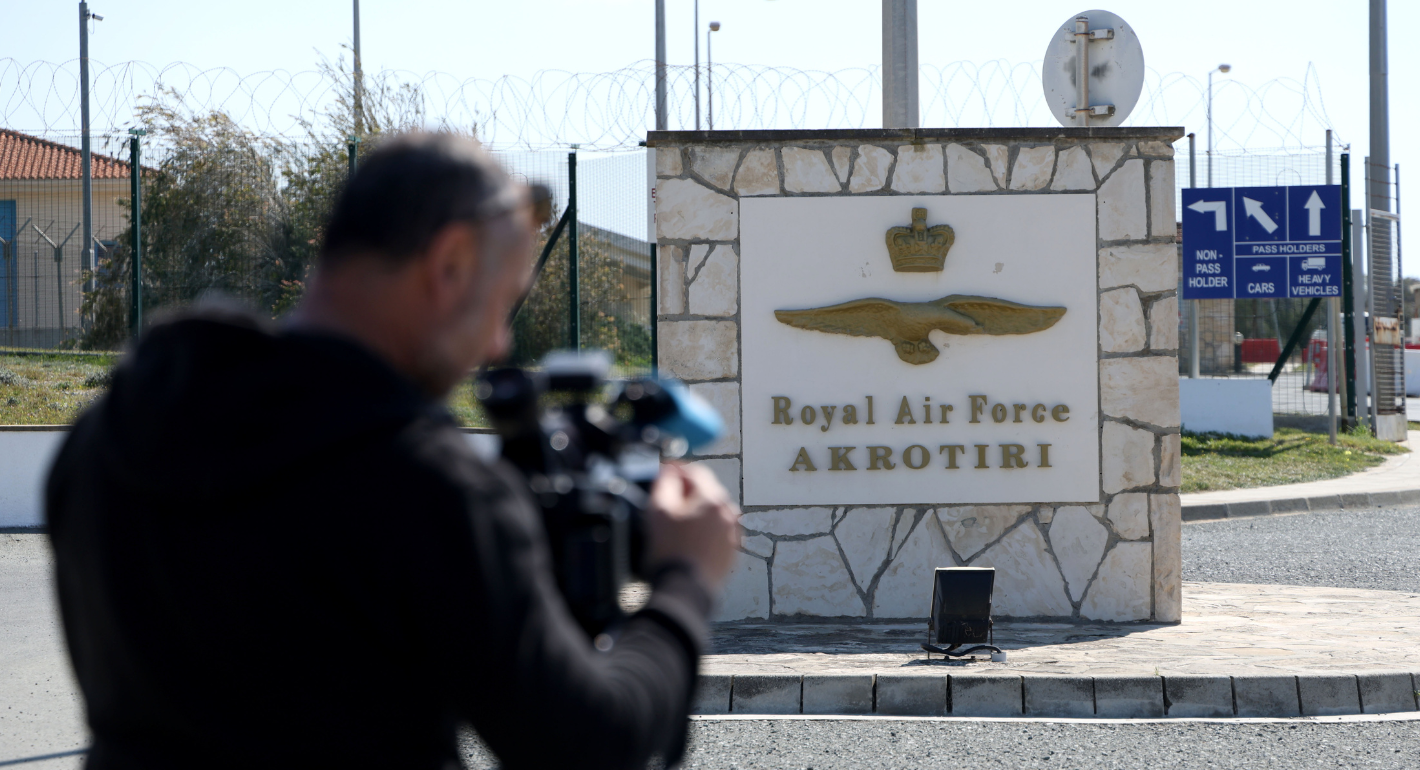
The drone strike on the British air base in Akrotiri brings Europe’s proximity to the conflict in Iran into sharp relief. In the fog of war, old tensions in the Eastern Mediterranean risk being reignited, and regional stakeholders must avoid escalation.

Marc Pierini
European reactions to the war in Iran have lost sight of wider political dynamics. The EU must position itself for the next phase of the crisis without giving up on its principles.

Richard Youngs
For years, the United States anchored global cyber diplomacy. As Washington rethinks its leadership role, the launch of the UN’s Cyber Global Mechanism may test how allies adjust their engagement.

Patryk Pawlak, Chris Painter
Europe isn’t as weak in the new geopolitics of power as many would believe. But to leverage its assets and claim a sphere of influence, Brussels must stop undercutting itself.

Dimitar Bechev