

Article
Countries face several hurdles in joining the EU, including the final stage of ratifying their accession treaties. Procedural reforms and substantive adjustments could help move the process forward.
Stefan Lehne
Source: Getty
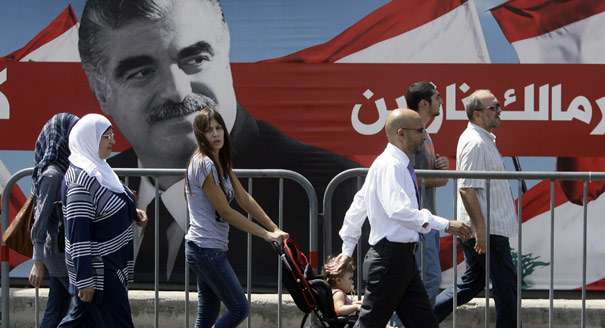
The Special Tribunal for Lebanon is trying five suspects for the 2005 assassination of Rafik Hariri. Getting here has been difficult, but international justice is worth it.
Eagerly anticipated by some, highly contested and even dreaded by others, the Special Tribunal for Lebanon (STL) is scheduled to start its trial proceedings in The Hague on January 16. In total, five suspects with connections to Hezbollah will be judged in absentia after having been indicted for taking part in the assassination of former Lebanese prime minister Rafik Hariri in February 2005.1
This is indeed significant progress not only for Lebanon but also for the region as a whole. However, the establishment of the tribunal and the road to trial have been littered with obstacles and criticism. The story of the tribunal is a reminder of the difficulty of implementing such international measures of accountability. Lessons from the STL’s contributions and challenges should guide the growing debates in other Arab countries about justice and accountability.
Lebanon has a long history of political violence, including numerous political assassinations that were never properly investigated or accounted for. This has created a political culture driven by fear and dominated by speculation, conspiracy theories, and the danger of tit-for-tat retaliation.
In the wake of the Hariri assassination, this tension heightened, and the STL indirectly played a positive role in preventing a breakdown in Lebanon. In demonstrations triggered by outrage about the assassination, the masses called for “the Truth” as part of a revolt against the existing political culture and the system that promoted it. Motivated by a wish to avoid sinking the country into civil war by having people take justice into their own hands, the demonstrators demanded an independent international tribunal to try the perpetrators.
Yet, the establishment of the tribunal was not easy. Opponents fought it tooth and nail. The United Nations Security Council and the Lebanese government eventually set up the STL in 2007, but each step along the way was accompanied either by further assassinations or by severe political crises: the government and parliament were paralyzed, the city center was occupied for over eighteen months, and the country was without a president for almost a year. International critics of the tribunal expressed concern about its negative and destabilizing impact on the country. At the time, a senior Western diplomat told me that it would not be much good to have half a dozen people indicted in The Hague at the price of tens of thousands dead in the streets of Beirut because of a sectarian civil war triggered by the STL. Meanwhile, defenders of the STL argued that it would introduce the element of accountability to politics in Lebanon and the region.
Despite this polarization, the STL has helped political life continue. In the framework of the tribunal, individuals are indicted as individuals and not as part of the party or sect they represent; and they are considered innocent until proven guilty. The tribunal is thus the box in which the insurmountable obstacle of the assassination has been parked, and it allows for the separation of the judicial from the political.
With such a formulation, those that considered themselves the victims sat in the same cabinet with those they were convinced were in league with the assassins. As prime minister, Saad Hariri, the son of Rafik, could put aside what he called “political accusations” and head a government that included Hezbollah. He even went to Damascus to visit Syrian President Bashar al-Assad, who allegedly personally threatened Rafik Hariri before he was assassinated. The matter of the assassination of his father was put temporarily on hold, pending the results of the tribunal.
But this formula was not to last, and it came at a heavy political cost to Saad Hariri, whose government was paralyzed and eventually fell in 2011 over divisions related to the STL.
The present government, composed mainly of the opponents of the tribunal, has processed the Lebanese state’s financial contribution to the process during the last three years—an indication that those opponents now accept the STL as a fait accompli and also an indication of the power of a binding UN Security Council resolution that compels the government of Lebanon to collaborate with the process. And ironically, having failed to prevent an indictment from being issued by the tribunal, opponents of the STL have come to have a stake in its best practices as a form of protection against a politically embarrassing conviction.
Yet the tribunal’s progress has been slow and bureaucratically intense. Meanwhile, new divisions over Lebanon’s involvement in the Syrian conflict have fanned the flames of political polarization in the country. And the STL, like other tribunals of international character before it, has suffered from accusations of politicization and from being associated with a certain international agenda.
This halting progress is particularly poignant in light of emerging proposals for referring the crimes in Syria to the International Criminal Court and for creating a Special Tribunal for Syria to help in the transition and reconciliation process amid that country’s ongoing civil war. Such measures are probably needed most in countries like Syria or Libya, where serious crimes against humanity have been committed.
All international tribunals have been burdened with heavy and slow bureaucracy, yet they can still make a difference in countries that need to establish accountability. The STL and others have faced the perception that they may exacerbate conflicts rather than help resolve them because indictments can close every door to making a deal, declaring amnesty, or forging reconciliation. This partly explains the reluctance to resort to international justice in other contexts, but abandoning the process would be much more damaging.
With the current international turmoil, the launching of an initiative like the one that created the STL is difficult to imagine. As the STL aptly demonstrates, an end to impunity through impartial international legal instruments that are perceived as politically neutral and operating under best practices is necessary and challenging at the same time. Implementing such instruments needs to be coupled with an awareness of the delicate balance between their potential impact and the challenges they will inevitably face, especially those emanating from the political milieu in the countries for which the tribunals are designed. Ultimately, this form of justice can make a contribution to a peaceful international order and a better future.
1 In October 2013, a fifth accused was indicted for his involvement, but as of this writing, his case has not yet been merged with the trial beginning on January 16.
Nadim Shehadi is an associate fellow in the Middle East and North Africa Program at the Royal Institute for International Affairs at Chatham House in London.
Nadim Shehadi
Carnegie does not take institutional positions on public policy issues; the views represented herein are those of the author(s) and do not necessarily reflect the views of Carnegie, its staff, or its trustees.
Countries face several hurdles in joining the EU, including the final stage of ratifying their accession treaties. Procedural reforms and substantive adjustments could help move the process forward.

Stefan Lehne
Europe has an interest in supporting Armenian leader Nikol Pashinyan as he tries to make peace with neighbors and loosen ties with Russia. But it is depersonalized support in the long term, not quickfire flash, that will win the day.

Thomas de Waal
Europe has been standing by while its Southern neighborhood is being redrawn by force. To establish a path to peace between Israel and Lebanon, it’s time for Europeans to get involved with hard power.

Rym Momtaz
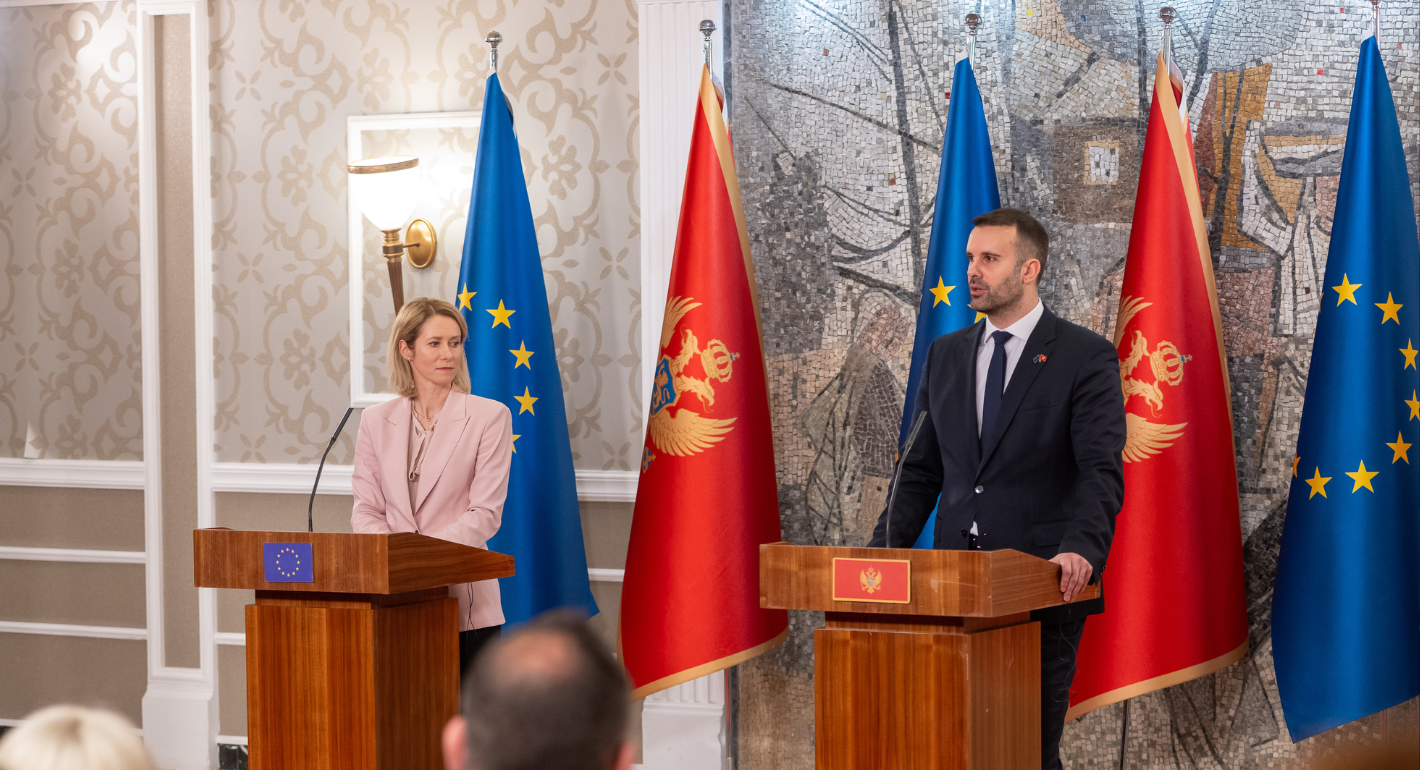
Montenegro and Albania are frontrunners for EU enlargement in the Western Balkans, but they can’t just sit back and wait. To meet their 2030 accession ambitions, they must make a strong positive case.


Dimitar Bechev, Iliriana Gjoni
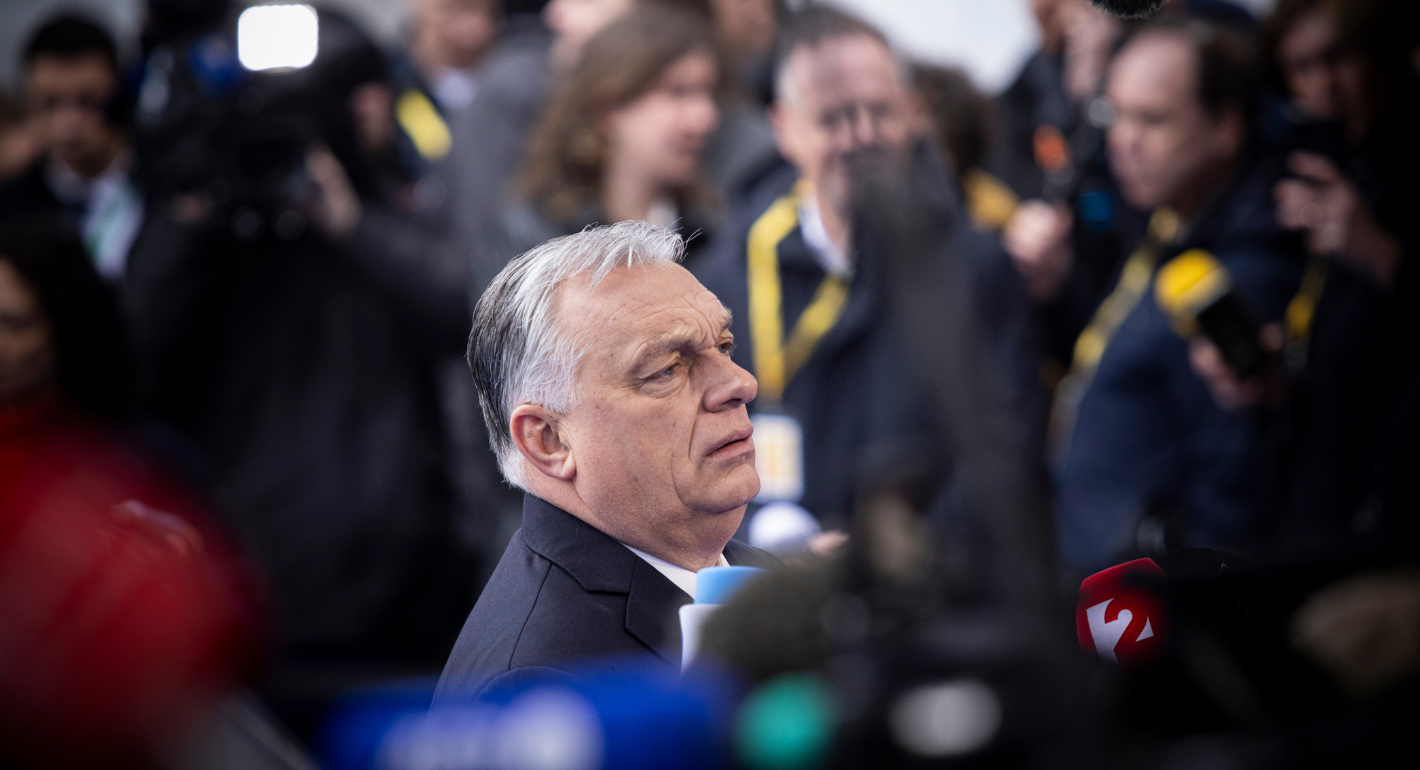
Hungarians head to the polls on April 12 for an election of national and European consequence. Three different outcomes are on the cards, each with their own implications for the EU.
Zsuzsanna Szelényi