

In The Media
Vikram Nehru
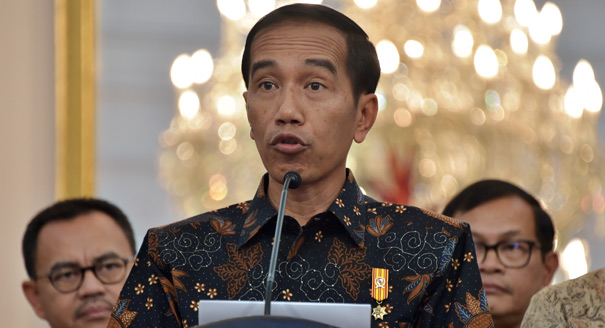
Source: Getty
Indonesians’ assessment of their new president is decidedly mixed. But with formidable political assets, Jokowi’s second year in office could be better than his first.
Indonesian President Joko “Jokowi” Widodo’s first state visit to the United States this week coincided almost exactly with his first anniversary in office. Back home, a recent poll by Indonesia’s most respected survey company provides a useful summary of how Indonesians rate the performance of their new president.1 Their assessment is decidedly mixed.
The good news for Jokowi is that 71 percent of respondents are generally satisfied with the country’s security situation and 56 percent believe the country is headed in the right direction. As important, over the past four months, the number of respondents satisfied with Jokowi’s performance has sharply increased and now outnumbers those dissatisfied (51.7 percent to 45.5 percent). He gets high marks for delivering better public services—health, education, and roads —of which he can be justifiably proud (see figure 1). Enrollment in his flagship national health insurance program surged to include 133 million participants by the end of 2014. Similarly, the government significantly expanded the smart card program that gives poor children access to education and the family welfare card program that supports poor families. His favorable rating for road building reflects a recent—albeit delayed—acceleration in infrastructure spending by the government with the promise of more to come.

But that’s where the good news ends. Like U.S. President Barack Obama and Indian Prime Minister Narendra Modi—two other democratic leaders who rose to power as political outsiders—Jokowi took office bearing the burden of unrealistically high expectations. It was only a question of time before his halo slipped. Jokowi—who had campaigned on a strong anticorruption platform—quickly found himself on the losing end of a dogged battle to protect Indonesia’s anticorruption agency from being eviscerated by its enemies within the police and parliament, both perennially ranked among the country’s most corrupt institutions. This partly explains why poll respondents are largely split on whether Jokowi is doing a good job combating corruption (47 percent think he is, 43 percent think he isn’t), but the majority (55 percent) believes that corruption is worse today than it was a year ago.
More damaging to Jokowi has been Indonesia’s deteriorating economy. Poll respondents’ views on economic performance strongly correlate with the “misery index,” the sum of inflation and unemployment (see figure 2).2 In Jokowi’s one year as president, inflation climbed in large part because of higher food prices (especially rice), and growth slowed due to declining competitiveness, difficult global conditions, and China’s deceleration, resulting in large layoffs of Indonesian factory workers. Food price increases—driven by bottlenecks in agriculture and below-average rainfall as a result of El Niño—affected the poor disproportionately, and Indonesia’s poverty head count climbed over the past year from 28.3 million to 28.6 million (although, as a share of the total population, the poverty rate fell marginally). No wonder most poll respondents rate the Jokowi administration poorly in terms of battling unemployment, reducing poverty, and keeping the prices of basic goods affordable (see figure 3).
To turn things around, Jokowi reshuffled his cabinet this August and brought in a new economic team that within the short space of six weeks announced five reform packages designed to improve competitiveness, revive investment, and arrest the growth slowdown. On the positive side, the reforms are expected to streamline import, export, and investment licensing; introduce a new system for fixing minimum wages; ensure quicker permits for land use; and improve access to finance for small enterprises and individuals. On the negative side, however, they effectively increase energy subsidies to industry at a time when such subsidies already drain budgetary resources away from higher priority infrastructure and social expenditures. They also leave untouched restrictive labor market regulations and a range of trade barriers that curb imports and exports, distort production incentives, and inhibit the expansion of labor-intensive manufacturing.

Finally, the Jokowi administration has fallen woefully short in its response to three rule-of-law-related challenges this past year.
The first challenge has been the administration’s inability to prevent private companies from illegally setting forest fires over large tracts in Sumatra and Kalimantan as a way to clear forest land on the cheap. Forest fires are a perennial problem in Indonesia, but this year they have been particularly widespread, and have led to a toxic haze of smoke that blankets many cities in Indonesia as well as neighboring Singapore and Malaysia. Some Indonesian towns have registered a pollution index seven times the level considered hazardous to public health. Indeed, the World Resources Institute estimates that emissions from Indonesia’s forest fires now exceed the daily fossil fuel emissions from the entire United States. To Jokowi’s credit, he was the first Indonesian president ever to visit the site of these forest fires, and he even cut short his visit to the United States in order to attend to the emergency. His government has deployed over 25,000 uniformed personnel to fight the fires, has opened investigations against suspected companies, and has accepted help from neighboring countries. These efforts are welcome, but rather than fight the fires after they have started, the Indonesian government must work to ensure they don’t get started in the first place.
The second challenge has been the administration’s disappointing inability—or perhaps unwillingness—to uphold religious freedom as guaranteed in the constitution. In several parts of the country, local governments have declared Christian churches illegal and razed them to the ground. Minority Muslim communities (Shia and Ahmadiyah) have been denounced as heretic and blasphemous by religious leaders of the Sunni majority. Thousands have been turned out from their villages and have been living in shelters for prolonged periods. Jokowi’s tolerance of intolerance is eroding the country’s reputation for pluralism and secularism. Rather than limit himself to calling for calm as he did following a recent incident when a church was razed to the ground in the fractious province of Aceh, he should vow to protect religious minorities and see they are given permits to build their places of worship peacefully and without hindrance.
The third challenge has been Jokowi’s uncompromising stance on the execution of drug smugglers, some of whom were foreigners. Although this show of steely resolve has been welcomed by many Indonesians, it has earned him the strong disapproval of the international community and ultimately has done little to make people at home feel safer. In fact, according to the poll results, respondents clearly believe that law enforcement is worse today than it was a year ago. Jokowi’s administration should focus on addressing the root causes of crime and insecurity rather than sticking to symbolic punitive measures that are ultimately of little social value.
Although Jokowi’s first year as president was rocky—an outsider’s initiation into the rough and tumble world of Jakarta politics—he appears to be gradually gaining the upper hand. He has broadened his political coalition, which now has a small parliamentary advantage over the main opposition coalition (256 seats to 243), although he still does not command a majority of the seats. His revamped economic team appears to be competent and inclined toward market-friendly reforms supportive of investment and growth, and there is a possibility that a further reshuffle soon could introduce more reformist elements into his administration. A recent decline in inflation and pick-up in infrastructure spending portend a higher economic growth rate next year and a lower misery index, both of which should improve his standing in the polls. His announcement at this week’s meeting with President Obama that Indonesia intends to join the Trans-Pacific Partnership (TPP) will significantly boost positive investor sentiment toward Indonesia. Most importantly, his unimpeachable integrity, his continued popularity across the nation, his common touch, and his ability to reach across party lines are political assets that set him apart from any other political figure in Indonesia, including the leader of the opposition, Prabowo Subianto, and Jokowi’s political mentor, ex-president Megawati Sukarnoputri.
With such formidable political assets, one can only expect Jokowi’s second year in office will be better than his first.
1 Saiful Mujani Research and Consulting, National Survey Results, October 6–13, 2015.
2 The “misery index,” created by noted economist Arthur Okun, is calculated by adding the inflation rate to the unemployment rate. Given the extent of underemployment in Indonesia, unemployment data can be misleading. So I used the change in real wages in the informal labor market—a good indicator of the demand for labor—as a proxy for the unemployment rate.
Former Nonresident Senior Fellow, Asia Program
Nehru was a nonresident senior fellow in the Carnegie Asia Program. An expert on development economics, growth, poverty reduction, debt sustainability, governance, and the performance and prospects of East Asia, his research focuses on the economic, political, and strategic issues confronting Asia, particularly Southeast Asia.
Recent Work
Vikram Nehru
Vikram Nehru
Carnegie does not take institutional positions on public policy issues; the views represented herein are those of the author(s) and do not necessarily reflect the views of Carnegie, its staff, or its trustees.
Preparing candidate countries for EU membership is no longer enough. As the enlargement process becomes a reality, the union must also prepare its own societies.

Iliriana Gjoni
Countries face several hurdles in joining the EU, including the final stage of ratifying their accession treaties. Procedural reforms and substantive adjustments could help move the process forward.

Stefan Lehne
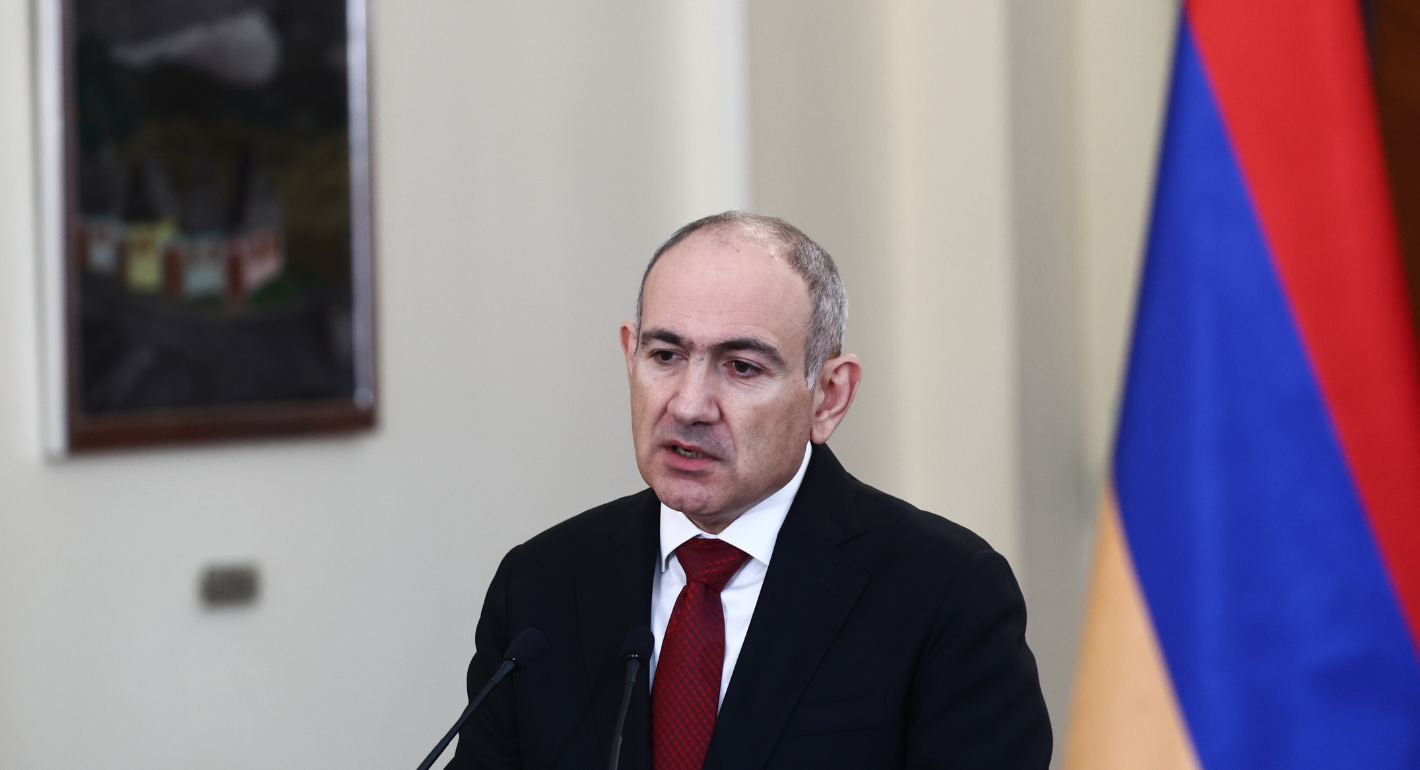
Europe has an interest in supporting Armenian leader Nikol Pashinyan as he tries to make peace with neighbors and loosen ties with Russia. But it is depersonalized support in the long term, not quickfire flash, that will win the day.

Thomas de Waal
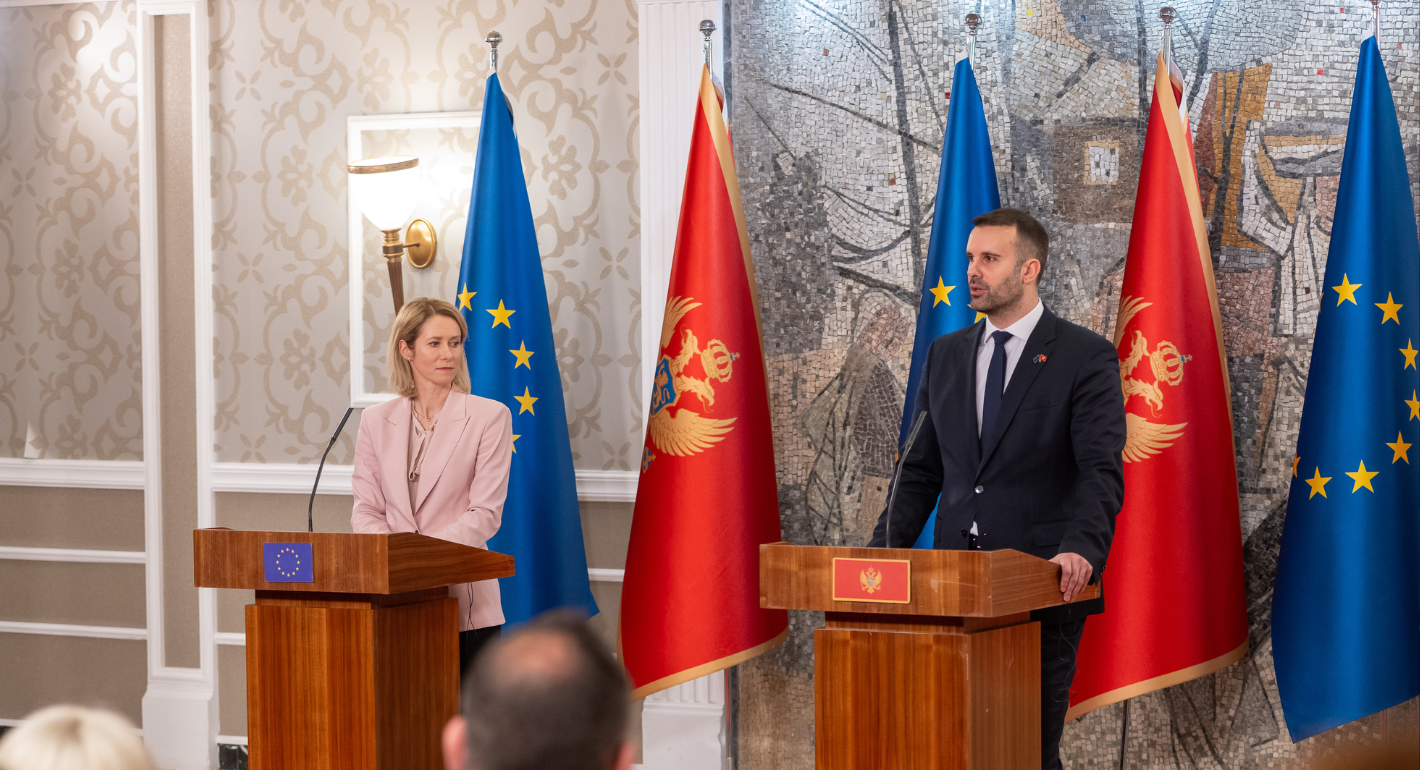
Montenegro and Albania are frontrunners for EU enlargement in the Western Balkans, but they can’t just sit back and wait. To meet their 2030 accession ambitions, they must make a strong positive case.

Dimitar Bechev, Iliriana Gjoni
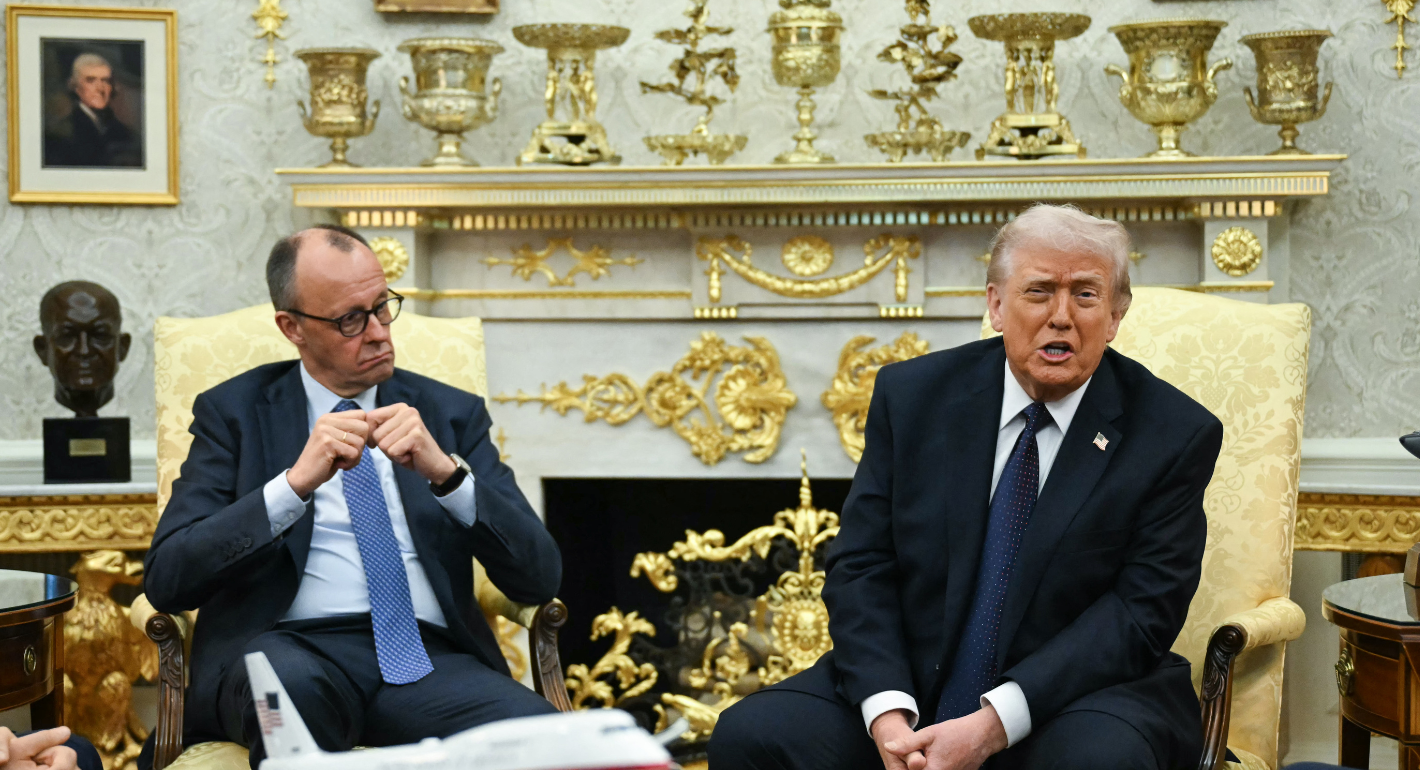
European reactions to the war in Iran have lost sight of wider political dynamics. The EU must position itself for the next phase of the crisis without giving up on its principles.

Richard Youngs