

Commentary
In Ukraine, Gaza, and Iran, AI warfare has come to dominate, with barely any oversight or accountability. Europe must lead the charge on the responsible use of new military technologies.
Raluca Csernatoni

Existing policy recommendations on countering influence operations have set a general course for policymakers and laid the foundation for future research, but significant gaps and needs remain.
Following the 2016 U.S. presidential election, influence operations have received increased attention from researchers and policy experts, resulting in a surge of recommendations to counter the threat. This body of policy analysis is quickly growing as think tanks, academic institutions, and others continue to publish new proposals nearly every month. So far, no systematic review of this literature has identified major themes, trends, or gaps. A meta-analysis can help policymakers recognize areas of emerging expert consensus. It can also help researchers focus on underexplored areas rather than duplicating existing work.
The Partnership for Countering Influence Operations (PCIO) has reviewed eighty-four papers published since 2016 that offered policy recommendations for countering influence operations. These came from fifty-one think-tanks, academic institutions, and government strategic communication organizations in North America and Western Europe.1 We are sharing our data set so that these publications can be found in one place and others can perform follow-on analysis.
Our review suggests that existing policy recommendations on countering influence operations have set a general course for policymakers and laid the foundation for future research. There has been a steady rise in the number of proposals published over the course of four years, from three in 2016 to thirty-five in 2019. However, significant gaps and needs remain: some stakeholders—government and industry, for example—and policy areas are overemphasized while others—civil society, academia, and supranational organizations—are neglected; researchers and their readers would benefit from more collaboration; and policy recommendations need more attention to implementation.
The vast majority of publications in our data set addressed recommendations to governments (89 percent) and industry actors (65 percent). In contrast, civil society actors, supranational organizations (such as NATO), and academic institutions were less frequently mentioned (see figure 1). Researchers seem to expect governments and companies, particularly social media platforms, to lead the charge against influence operations. This makes sense: governments and platforms have more resources, unique access to data, and the capability to intervene directly against influence operations.

However, other institutions also have critical roles to play and deserve more attention. Civil society is integral to media literacy, fact-checking, and independent journalism, for example—all areas widely recognized as crucial for combating influence operations over the long term. Academics can help to measure the actual impact of influence operations and the effectiveness of countermeasures—which, perhaps surprisingly, are largely unknown today and represent major barriers to policy progress. Supranational organizations can coordinate efforts across national governments and set up regional countermeasures against influence operations. As researchers continue to focus on what governments and platforms can do right now, they should not neglect other actors that are essential for long-term, whole-of-society solutions.
Recommendations covered a broad range of policy areas, with some areas receiving much more discussion than others (see figure 2). The most common categories for recommendations were: sharing more information and data (by governments and social media platforms), fostering safer media environments (through media literacy and supporting local or independent media), and enacting new rules or practices for platforms (via government regulation, content moderation rules, and greater transparency). The focus on these areas suggests an emerging consensus among experts that they represent the most urgent priorities for policymakers.

Several policy categories, however, remain only lightly explored. Examples include antitrust (which can alter platforms’ incentives and behavior), user privacy (which can affect the viability of influence techniques like microtargeting), and user account security (which can protect the authenticity of online identities). Because each of these areas has implications for influence operations, the lack of attention from researchers could reflect gaps in expertise or interdisciplinary collaboration within the counter–influence operations community. The PCIO’s work has highlighted the need for new efforts to facilitate research collaboration and increase diversity in the field.2
The need for greater collaboration was a major theme in the publications we reviewed. Fifty-three percent of publications called for more collaboration of some kind—often cross-sector collaboration among governments, platforms, and other kinds of actors. Unfortunately, our data suggests the policy experts who generated these recommendations may themselves not be collaborating effectively. The vast majority of papers we reviewed (74 percent) were not cited by any of the other papers in our data set (see figure 3). The lack of mutual citations suggests that experts may not be sufficiently aware of previous relevant work in their field, creating a risk of duplication or fragmentation. This finding is consistent with other research by the PCIO.

Only 23 percent of publications included detailed steps for implementing their proposals, while the remaining 77 percent offered high-level recommendations. Both can be valuable, but the ratio between them is troubling. When the vast majority of proposals lack detail, it places significant burden on governments, platforms, and other stakeholders to fill in these gaps themselves, inhibiting or in some cases preventing implementation. Moreover, the feasibility and effectiveness of policies depend largely on how readily they can be implemented. If creators and recommenders of new policies have not explored details of implementation, it decreases confidence in their potential effectiveness.

In a mature field, we would expect researchers to build on each other’s work, enabling proposals to become more focused and detailed over time. However, there is no clear trend in this direction so far. Policy proposals have not necessarily become any more detailed, or laid road maps for implementation, in recent years (see figure 4). This may be due to a lack of collaboration and mutual awareness in the field, as new work sometimes duplicates older work rather than enriching or deepening prior findings.
Our review highlights important themes and trends, as well as gaps and avenues for improvement in the future. The surge in research related to countering influence operations since 2016 is commendable; the breadth of recommendations made in a short period has set an initial agenda for policymakers and laid a rich foundation for future research. However, successfully countering influence operations will require researchers to capitalize on the work that has already been done by others. Organizations must better collaborate with each other to avoid repetition, build toward more detailed road maps for policy implementation, and develop innovative policies that target varied and underexplored actors.
1 The organizations were identified through PCIO’s ongoing initiative to map the community researching and countering influence operations.
2 Jacob N. Shapiro, Natalie Thompson, and Alicia Wanless, “Research Collaboration on Influence Operations Between Industry and Academia: A Way Forward,” Carnegie Endowment for International Peace, forthcoming 2020.
Victoria Smith and Natalie Thompson, “Survey on Countering Influence Operations Highlights Steep Challenges, Great Opportunities,” Carnegie Endowment for International Peace, 2020.
Kamya Yadav
Former Research Analyst, Technology and International Affairs
Kamya Yadav is a research analyst in the Technology and International Affairs Program at the Carnegie Endowment for International Peace. Kamya is a PhD student at the University of California, Berkeley, where she researches gender, representation, and technology in the context of developmental political economy, with a regional focus on South Asia.
Carnegie does not take institutional positions on public policy issues; the views represented herein are those of the author(s) and do not necessarily reflect the views of Carnegie, its staff, or its trustees.

In Ukraine, Gaza, and Iran, AI warfare has come to dominate, with barely any oversight or accountability. Europe must lead the charge on the responsible use of new military technologies.

Raluca Csernatoni
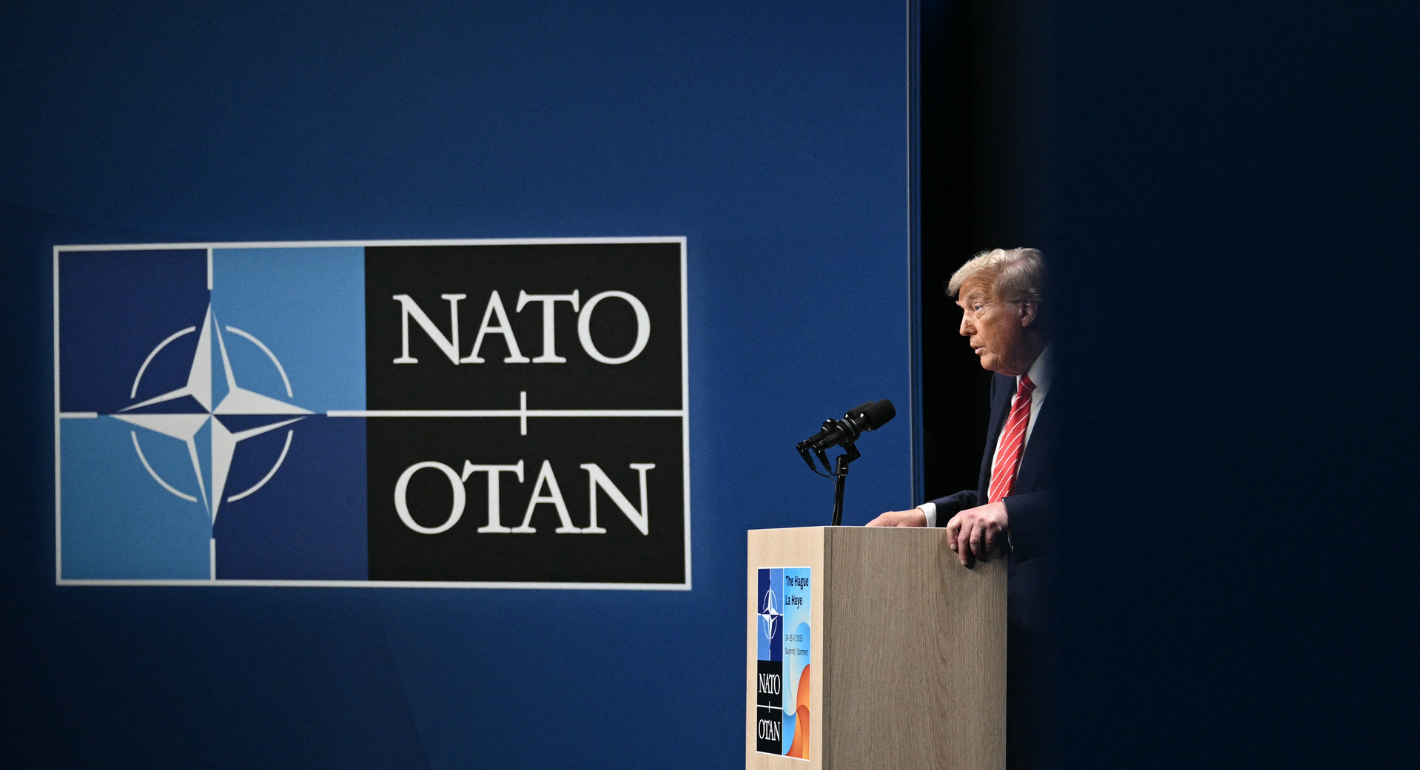
Donald Trump has repeatedly bashed NATO and European allies, threatening to annex Canada and Greenland and deploring their lack of enthusiasm for his war of choice in Iran. Is this latest round of abuse the final straw?

Rym Momtaz, ed.
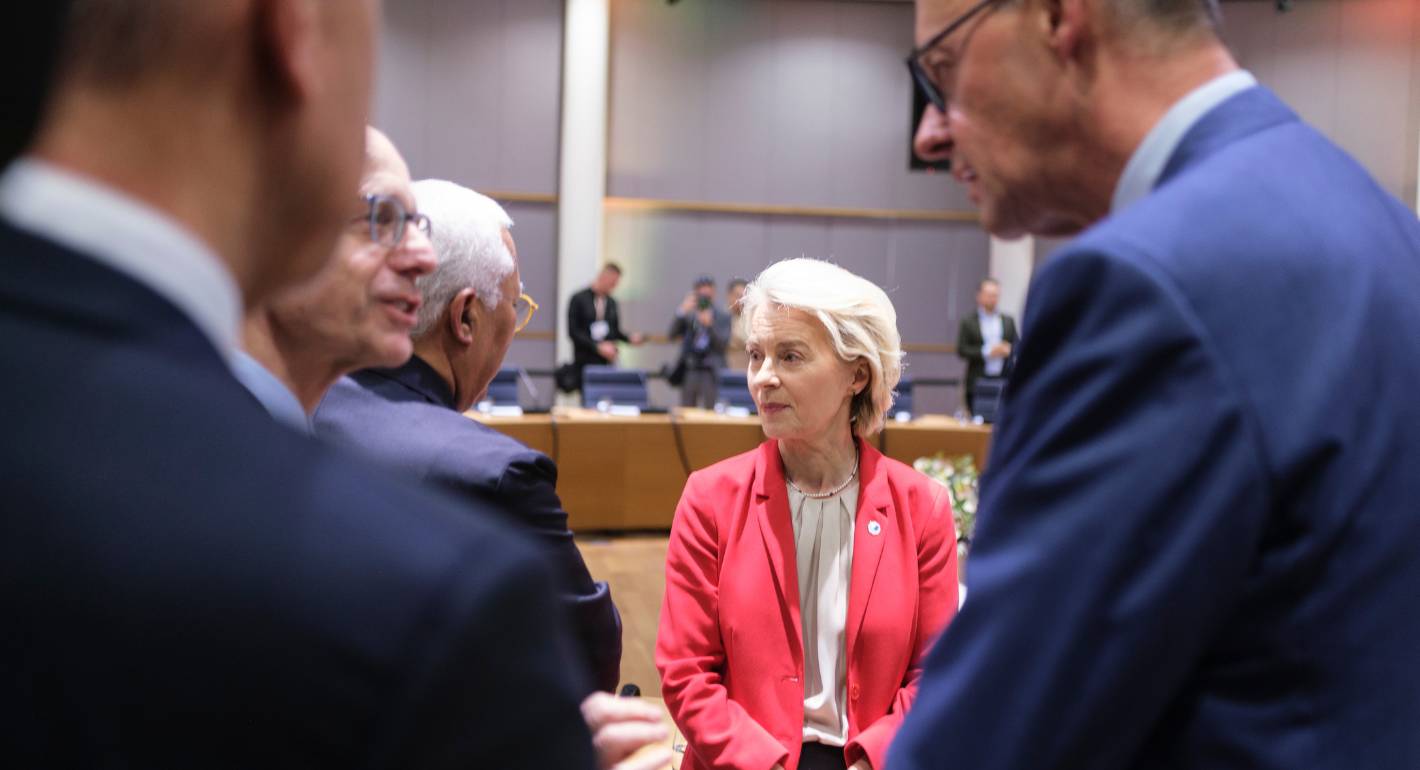
The war in Iran proves the United States is now a destabilizing actor for Europe and the Arab Gulf. From protect their economies and energy supplies to safeguarding their territorial integrity, both regions have much to gain from forming a new kind of partnership together.
Rym Momtaz
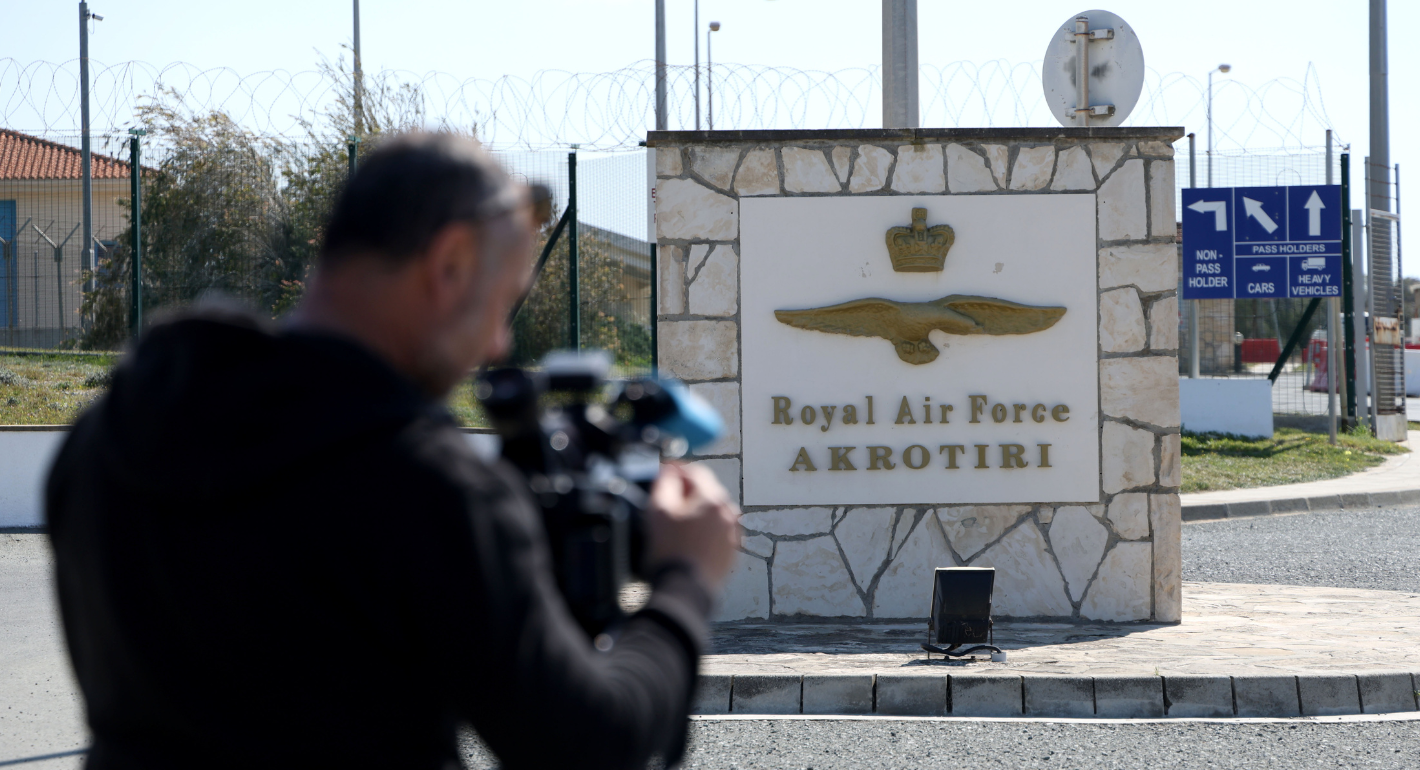
The drone strike on the British air base in Akrotiri brings Europe’s proximity to the conflict in Iran into sharp relief. In the fog of war, old tensions in the Eastern Mediterranean risk being reignited, and regional stakeholders must avoid escalation.

Marc Pierini

European reactions to the war in Iran have lost sight of wider political dynamics. The EU must position itself for the next phase of the crisis without giving up on its principles.

Richard Youngs