

Commentary
In Ukraine, Gaza, and Iran, AI warfare has come to dominate, with barely any oversight or accountability. Europe must lead the charge on the responsible use of new military technologies.
Raluca Csernatoni

The closure and dissolution of the United Nations Multidimensional Stabilization Mission in Mali comes at a time when the UN and member states are reconsidering the future models and mandates of peace operations and exploring other multilateral approaches that might offer a better response to transnational and cross-border threats.

Former Nonresident Scholar, Democracy, Conflict, and Governance Program
Dr. Erica L. Gaston was a nonresident scholar at the Carnegie Endowment for International Peace.
Catharina Nickel
Imane Karimou
Marc Werner
Carnegie does not take institutional positions on public policy issues; the views represented herein are those of the author(s) and do not necessarily reflect the views of Carnegie, its staff, or its trustees.
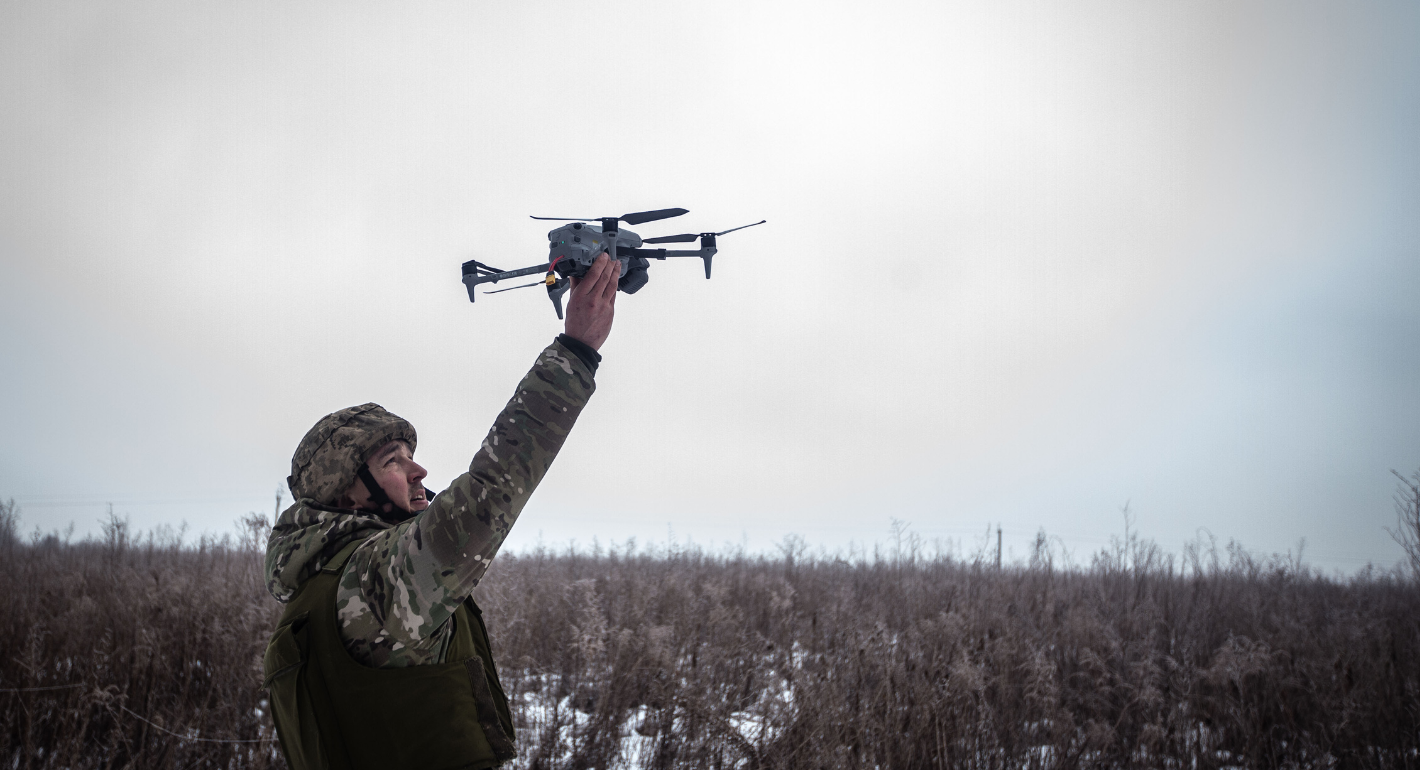
In Ukraine, Gaza, and Iran, AI warfare has come to dominate, with barely any oversight or accountability. Europe must lead the charge on the responsible use of new military technologies.

Raluca Csernatoni
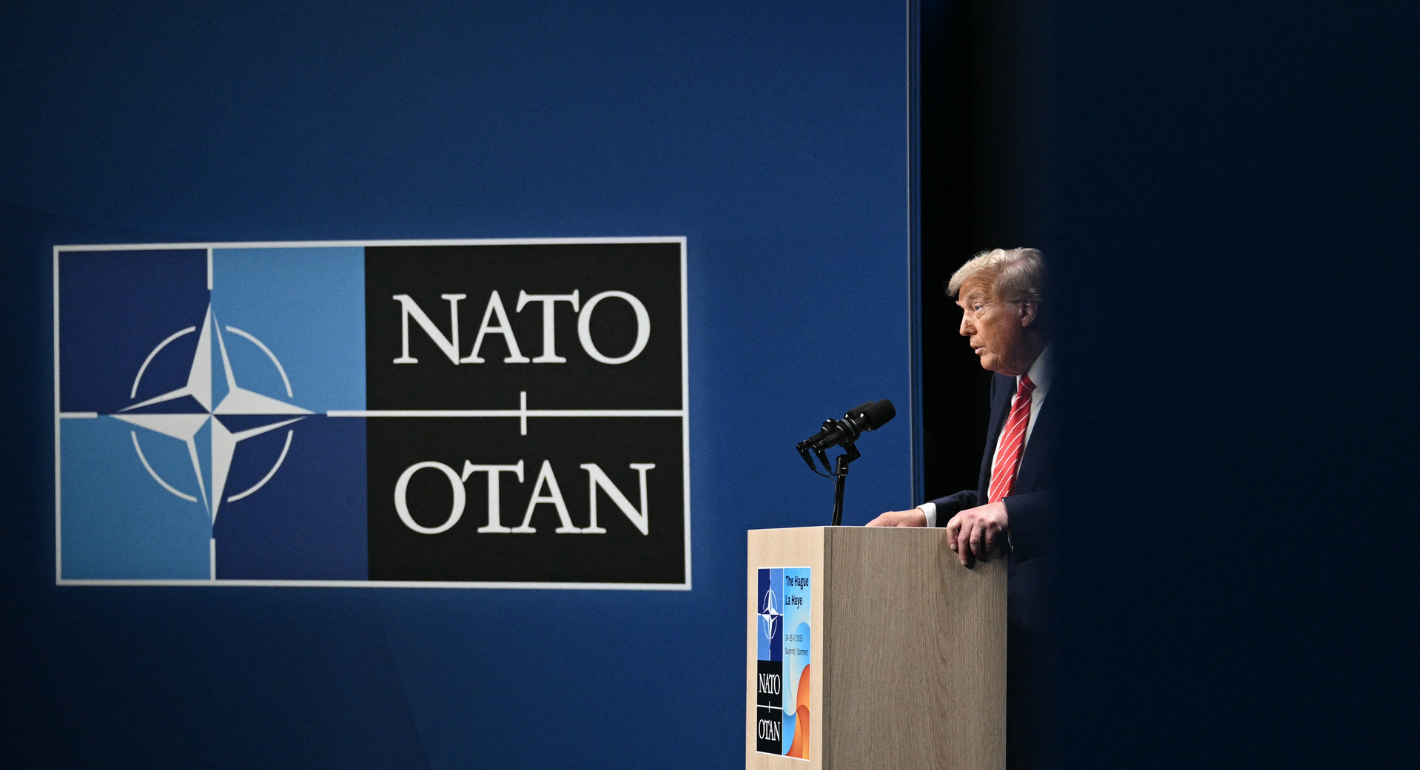
Donald Trump has repeatedly bashed NATO and European allies, threatening to annex Canada and Greenland and deploring their lack of enthusiasm for his war of choice in Iran. Is this latest round of abuse the final straw?

Rym Momtaz, ed.
Economic growth is at the heart of a dilemma between planetary and international security.

Olivia Lazard
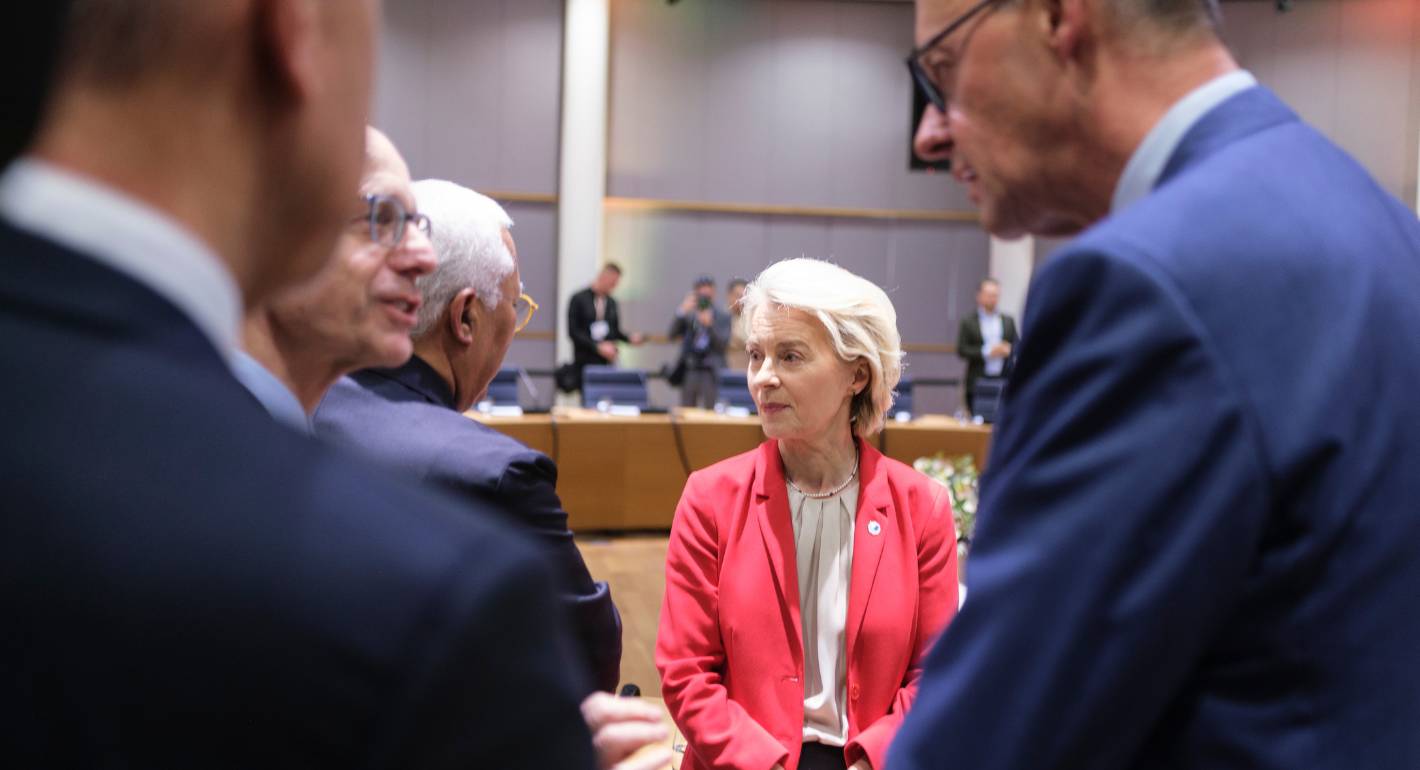
The war in Iran proves the United States is now a destabilizing actor for Europe and the Arab Gulf. From protect their economies and energy supplies to safeguarding their territorial integrity, both regions have much to gain from forming a new kind of partnership together.
Rym Momtaz
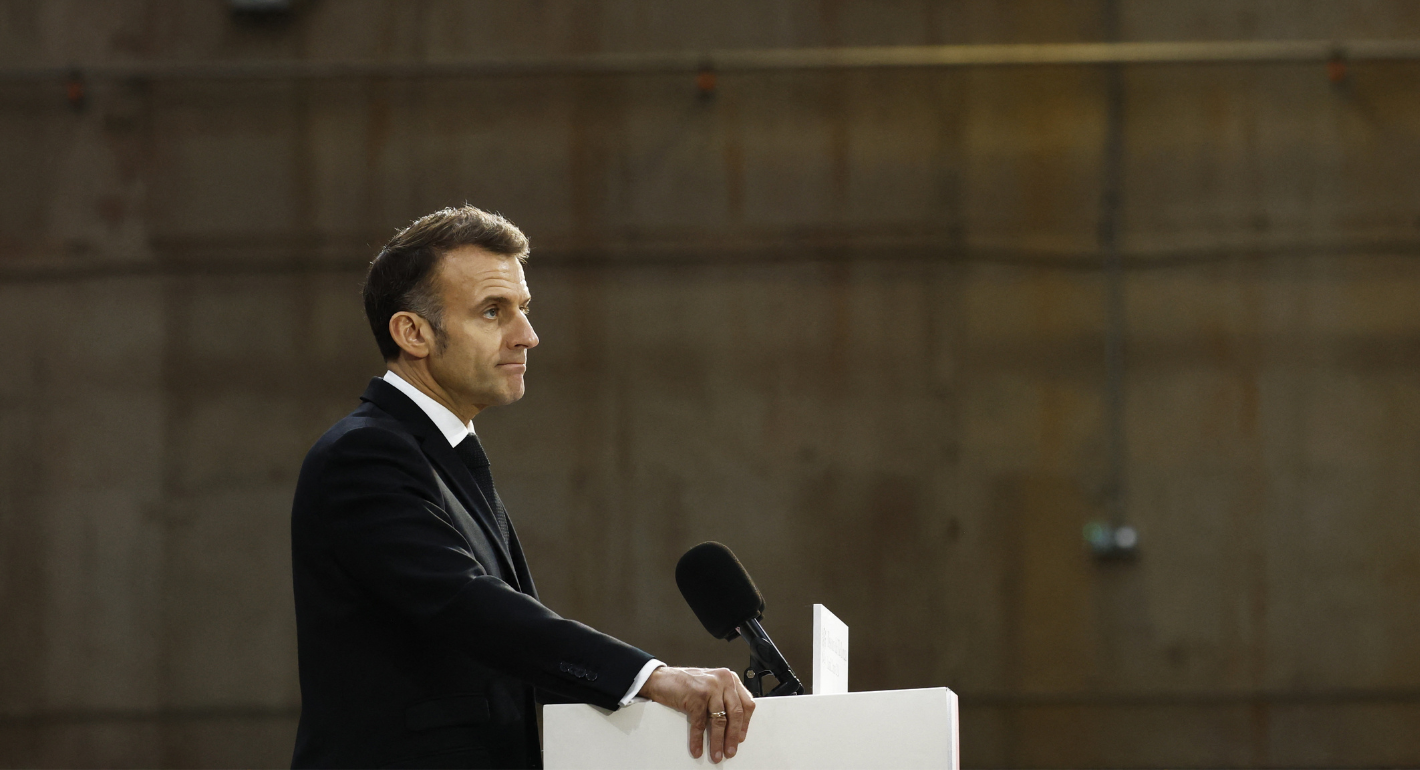
French President Emmanuel Macron has unveiled his country’s new nuclear doctrine. Are the changes he has made enough to reassure France’s European partners in the current geopolitical context?
Rym Momtaz, ed.