

Commentary
Olga Shumylo-Tapiola
{
  "authors": [
    "Olga Shumylo-Tapiola"
  ],
  "type": "commentary",
  "blog": "Strategic Europe",
  "centerAffiliationAll": "",
  "centers": [
    "Carnegie Endowment for International Peace",
    "Carnegie Europe"
  ],
  "collections": [],
  "englishNewsletterAll": "",
  "nonEnglishNewsletterAll": "",
  "primaryCenter": "Carnegie Europe",
  "programAffiliation": "",
  "programs": [],
  "projects": [],
  "regions": [],
  "topics": [
    "EU"
  ]
}
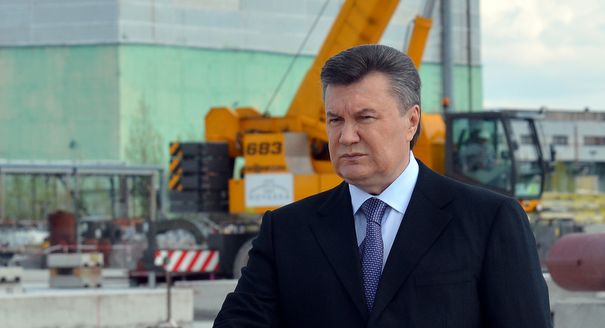
Source: Getty
The EU should no longer attempt to find light in the dark corners of Viktor Yanukovych’s mind, it must let him know that enough is enough.
Experts are usually happy to be asked questions about their area or country of expertise. They are even happier when they can share insights on progressing reforms, or debate the results of elections. Unfortunately, this is not the case with Ukraine.
My experience started through conversations with people who were trying to figure out who president Viktor Yanukovych was and what his course of action would be. It was quite fun dispelling people’s prejudices and explaining what motivated the president at the beginning of his term.
It was easy to explain why Yanukovych singed the Kharkiv agreement with Russia, or made the Constitutional Court re-enact the 1996 Constitution. It was still relatively easy to answer why the 2010 local elections went wrong, or why the rules of the 2012 parliamentary elections were changed the way they were. It was difficult—yet still possible—to outline a number of reasons for former prime minister Yulia Tymoshenko to be put behind bars last year.
Yet, this year it is becoming an increasingly difficult and unpleasant job. When I am asked about Ukraine these days the first question is about developments involving Tymoshenko. For instance her being assaulted by prison guards and forcefully taken to hospital last week. I really have little to say. It probably happened with consent of the country’s leadership. Why, otherwise, would the authorities try to cover this incident up by claiming Tymoshenko got her bruises from a fight with a cellmate, instead of punishing her guards for assaulting her?
Tymoshenko is undoubtedly using the situation to her own advantage. Ukrainian and international media are full of stories about this incident as well as her hunger strike. Statements and protests are flying in to Kyiv from all over Europe. And who can blame her? She is, after all, in prison after a show trial.
However, the show that the authorities are staging now is difficult to understand. Like for instance, the assumptions some Ukrainian officials have made about the potential to trade Tymoshenko’s freedom for the EU’s signature on the Association Agreement.
Perhaps my brain, infected by European air, refuses to process the information coming from Kyiv. My mind, as the minds of many people in Europe and Ukraine, cannot follow the minds of the Ukrainian leadership. Our imagination simply does not stretch that far. Yet there is a feeling that the further we speculate about Yanukovych’s behavior and motives, the longer we will feed the show started by his administration. A brutal and cynical show that cannot go on without an engaged audience.
I believe that we have reached the point at which rational interpretations can no longer be applied when it comes to the Ukrainian leadership’s behavior. The painful truth for all of us is that the situation is bad. In Ukraine, in Tymoshenko’s cell, in the parliament, on the streets. And president Yanukovych is responsible for that, at least according to the 1996 Constitution.
With media outlets reporting increasingly incomprehensible news from Kyiv, the only thing the EU can do is to continue keeping an eye on Ukraine and building bridges with its population. However, the Union must let Yanukovych know that enough is enough. It should no longer attempt to find light in the dark corners of his mind. The lights and cameras are off. The show is over.

Former Nonresident Associate, Carnegie Europe
Shumylo-Tapiola is a nonresident associate at Carnegie Europe in Brussels, where her research focuses on Eastern Europe and Eurasia.
Recent Work
Olga Shumylo-Tapiola
Olga Shumylo-Tapiola
Carnegie does not take institutional positions on public policy issues; the views represented herein are those of the author(s) and do not necessarily reflect the views of Carnegie, its staff, or its trustees.
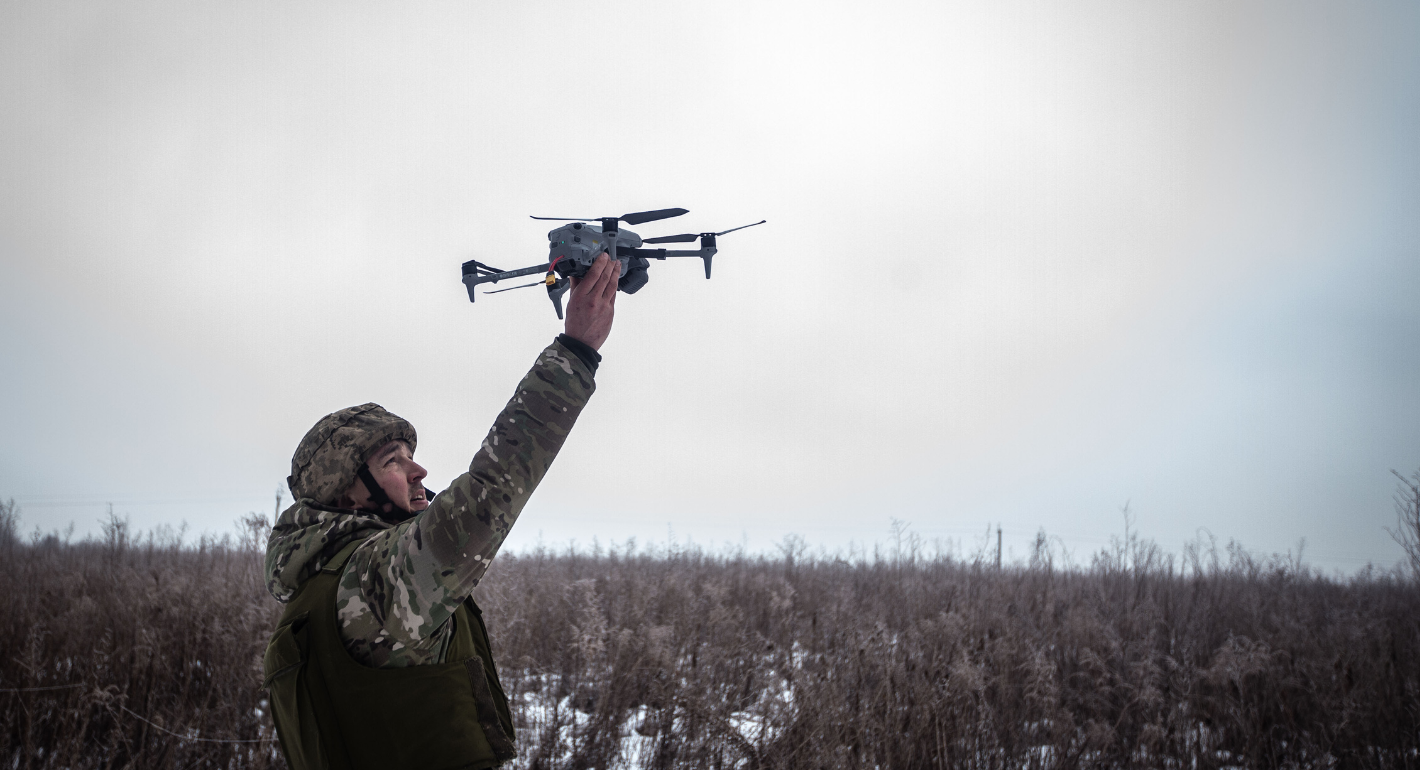
In Ukraine, Gaza, and Iran, AI warfare has come to dominate, with barely any oversight or accountability. Europe must lead the charge on the responsible use of new military technologies.

Raluca Csernatoni
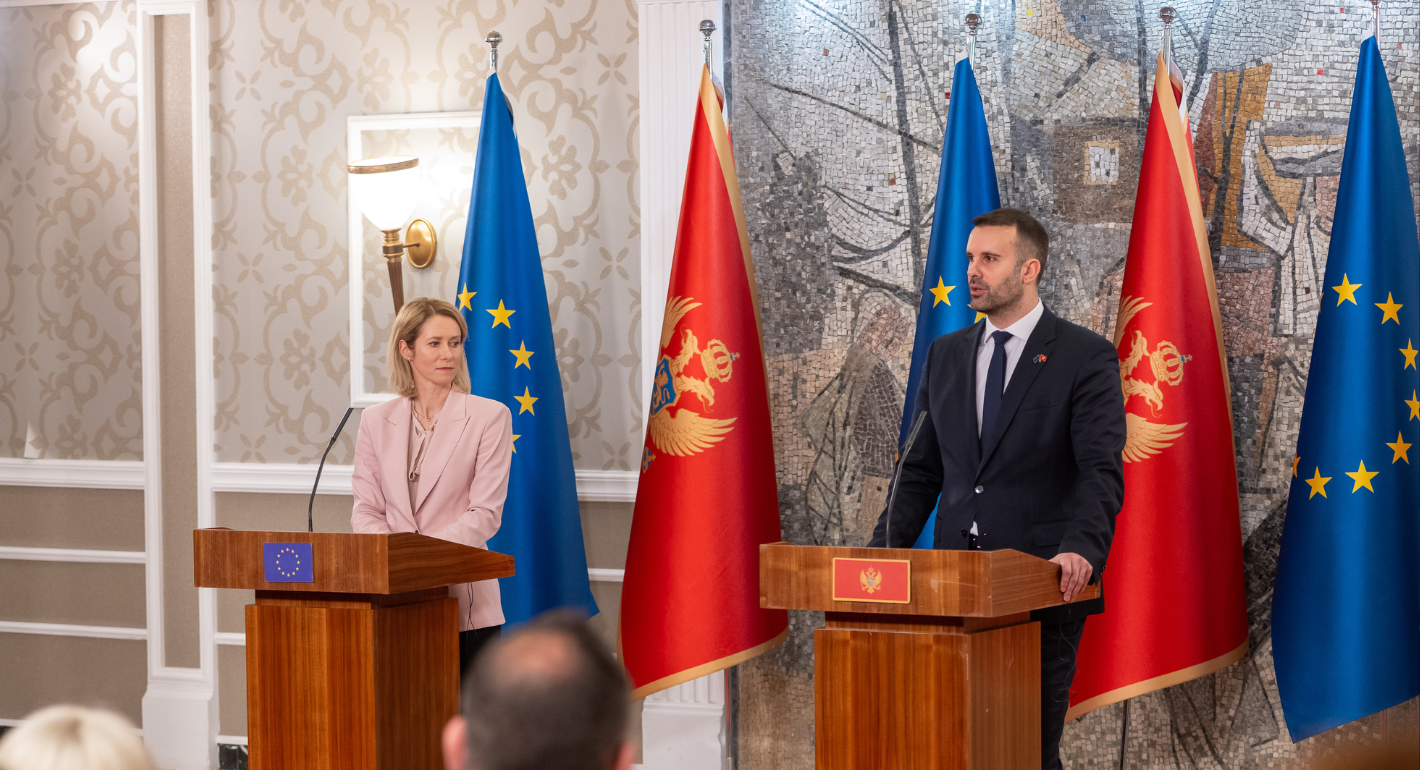
Montenegro and Albania are frontrunners for EU enlargement in the Western Balkans, but they can’t just sit back and wait. To meet their 2030 accession ambitions, they must make a strong positive case.


Dimitar Bechev, Iliriana Gjoni
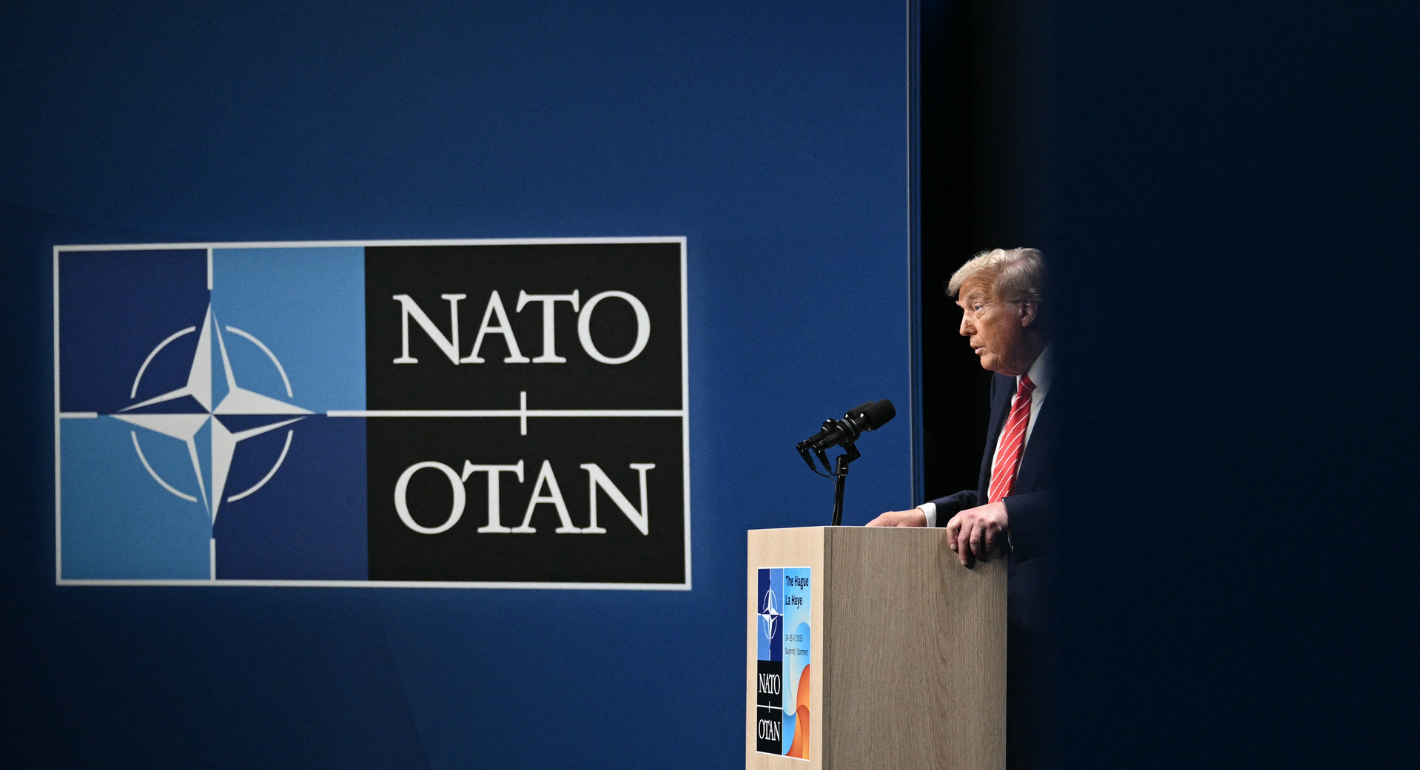
Donald Trump has repeatedly bashed NATO and European allies, threatening to annex Canada and Greenland and deploring their lack of enthusiasm for his war of choice in Iran. Is this latest round of abuse the final straw?

Rym Momtaz, ed.
Donald Trump’s repudiation of NATO goes against the Make America Great Again vision of a U.S.-centered foreign policy. If the goal is to preserve the alliance by boosting Europe’s commitments, leaning into France’s vision is the most America First way forward.
Rym Momtaz
Hungarians head to the polls on April 12 for an election of national and European consequence. Three different outcomes are on the cards, each with their own implications for the EU.

Zsuzsanna Szelényi