

Q&A
Raluca Csernatoni, Sinan Ülgen
{
  "authors": [
    "Sinan Ülgen"
  ],
  "type": "commentary",
  "blog": "Strategic Europe",
  "centerAffiliationAll": "",
  "centers": [
    "Carnegie Endowment for International Peace",
    "Carnegie Europe"
  ],
  "collections": [],
  "englishNewsletterAll": "",
  "nonEnglishNewsletterAll": "",
  "primaryCenter": "Carnegie Europe",
  "programAffiliation": "",
  "programs": [],
  "projects": [],
  "regions": [
    "Europe"
  ],
  "topics": [
    "Climate Change"
  ]
}
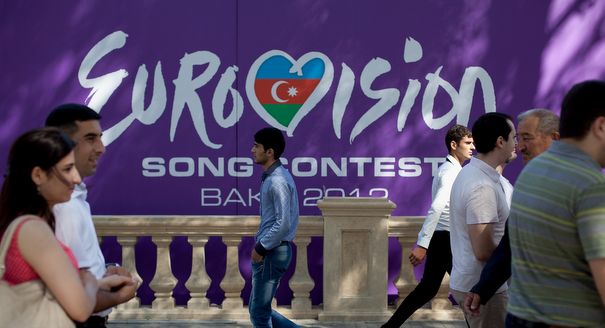
Source: Getty
It is only with hindsight that we will realize how much of a watershed event Europe’s economic crisis has been. It will certainly prove to be a setback for the emergence of a liberal, rules based world order.
I did my graduate studies at the College of Europe in Brugge in 1989-1990. The College is known as a post graduate institution that prepares its students for a career in European affairs. One of the highlights of the year I spent in Brugge was the night of the Eurovision song contest. I remember watching it as part of a multinational student body representing almost all the participating nations in Eurovision. That year the famous Italian singer Toto Cutigno won the contest with a song entitled “Insieme 1992”. Believe it or not, he had chosen to sing about the EU and its forthcoming Single Market. His catchy refrain was “Unite Unite Europe”. Having being almost overdosed with EU related themes at the College, we were all struck by how EU-phoria had reached even the much belittled but still unexpectedly popular Eurovision song contest.
The political atmosphere of my student years stands in stark contrast with the current political environment and the sense of near despair that prevails in Europe as a result of the intractability of the euro crisis. The crisis has sapped European leaders’ energy and much diminished the EU’s international clout at a time when global trends militate for exactly the opposite and a much more visible European influence.
Let’s take the area of security and defense for instance. NATO leaders met 2 weeks ago in Chicago. They reiterated their commitment to the Alliance and glossed over the serious imbalances that are emerging in the field of security and defense between the two sides of the Atlantic. Yet austerity measures are leading to significant cuts in defense budgets, reaching almost 30 percent in some member states. As a result, the technology and capacity gap between the United States and its European partners is growing. Despite repeated calls from U.S. leaders such as Secretary of Defense Panetta, this trend is unlikely to reverse. As the example of the Netherlands, where the government parties split on whether the country should remain committed to joint program for developing the F35 fighter plane, has shown, the question of defense spending has even acquired the potential to topple governments.
But more importantly, the economic crisis is slowly but surely undermining Europe’s ability to contribute to a more secure world and regional order. The economic crisis is not only harming the soft power image of the EU but also eroding its present and future capability to act as a hard power. It is only with hindsight that we will most probably realize how much of a watershed event Europe’s economic crisis has been in terms of world history. It will certainly prove to be a setback for the emergence of a liberal, rules based world order.

Senior Fellow, Carnegie Europe
Sinan Ülgen is a senior fellow at Carnegie Europe in Brussels, where his research focuses on Turkish foreign policy, transatlantic relations, international trade, economic security, and digital policy.
Recent Work

Raluca Csernatoni, Sinan Ülgen
Catherine Hoeffler, Sinan Ülgen
Carnegie does not take institutional positions on public policy issues; the views represented herein are those of the author(s) and do not necessarily reflect the views of Carnegie, its staff, or its trustees.
The war in Iran proves the United States is now a destabilizing actor for Europe and the Arab Gulf. From protect their economies and energy supplies to safeguarding their territorial integrity, both regions have much to gain from forming a new kind of partnership together.

Rym Momtaz

French President Emmanuel Macron has unveiled his country’s new nuclear doctrine. Are the changes he has made enough to reassure France’s European partners in the current geopolitical context?
Rym Momtaz, ed.
European reactions to the war in Iran have lost sight of wider political dynamics. The EU must position itself for the next phase of the crisis without giving up on its principles.

Richard Youngs
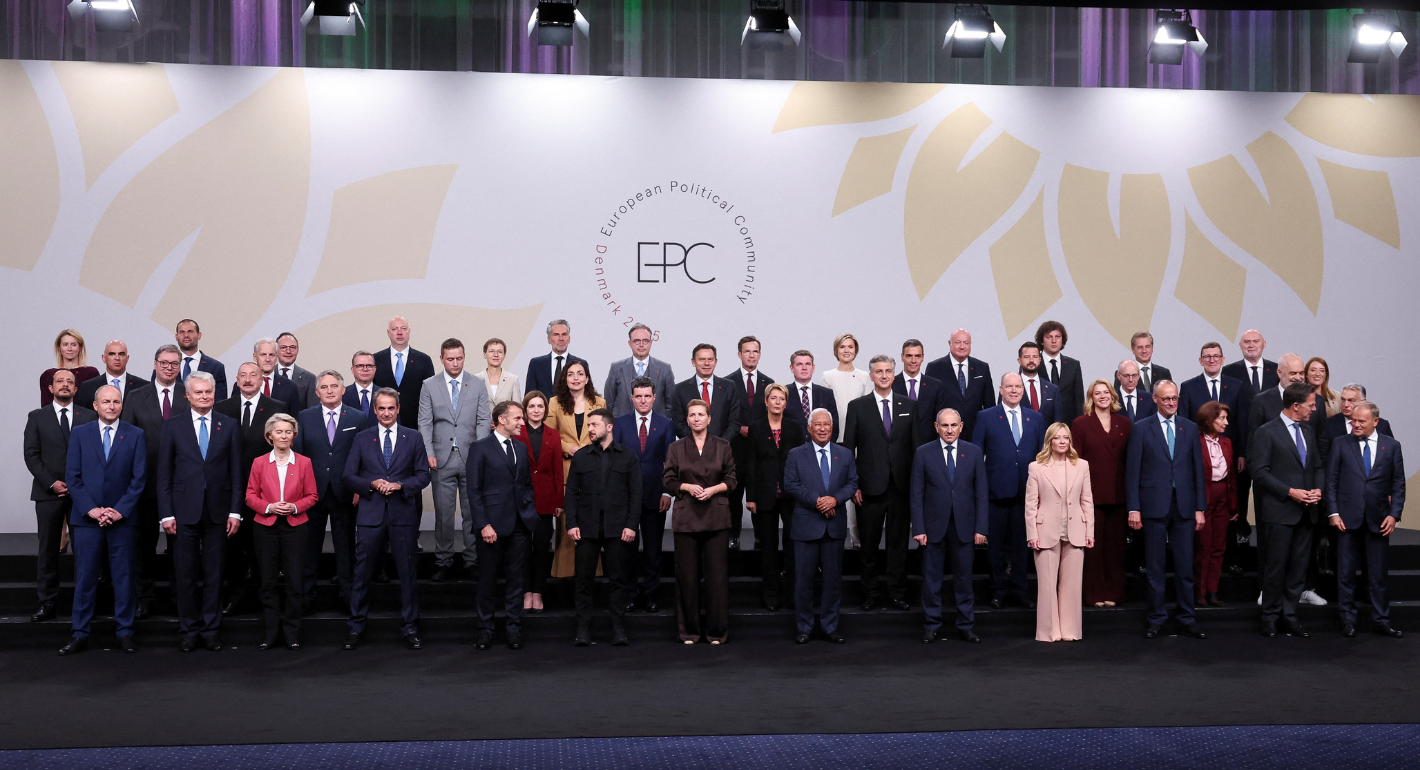
Europe isn’t as weak in the new geopolitics of power as many would believe. But to leverage its assets and claim a sphere of influence, Brussels must stop undercutting itself.

Dimitar Bechev
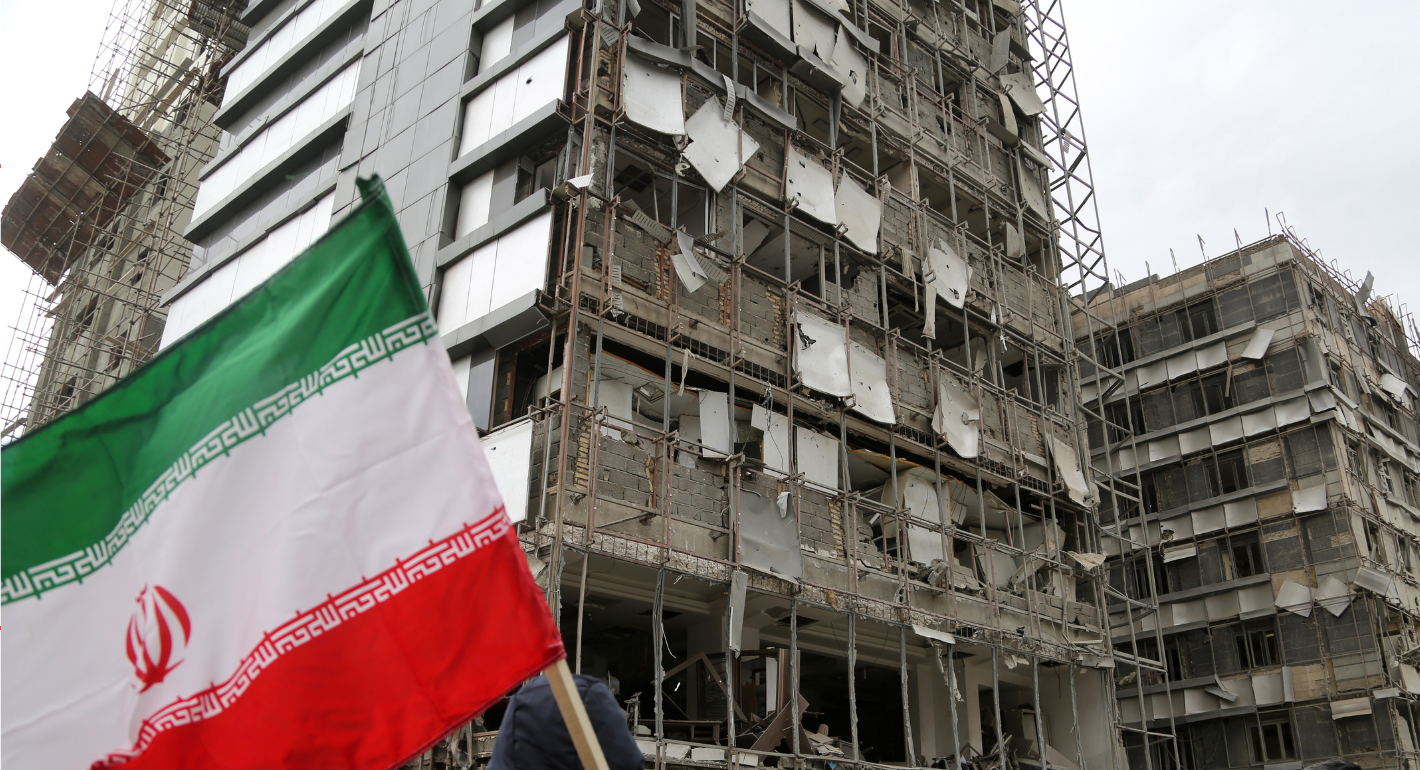
Europe’s reaction to the war in Iran has been disunited and meek, a far cry from its previously leading role in diplomacy with Tehran. To avoid being condemned to the sidelines while escalation continues, Brussels needs to stand up for international law.

Pierre Vimont