

Commentary
Nathalie Tocci, Jan Techau
{
  "authors": [
    "Jan Techau"
  ],
  "type": "commentary",
  "blog": "Strategic Europe",
  "centerAffiliationAll": "",
  "centers": [
    "Carnegie Endowment for International Peace",
    "Carnegie Europe"
  ],
  "collections": [],
  "englishNewsletterAll": "",
  "nonEnglishNewsletterAll": "",
  "primaryCenter": "Carnegie Europe",
  "programAffiliation": "",
  "programs": [],
  "projects": [],
  "regions": [
    "Europe"
  ],
  "topics": [
    "Climate Change",
    "EU"
  ]
}
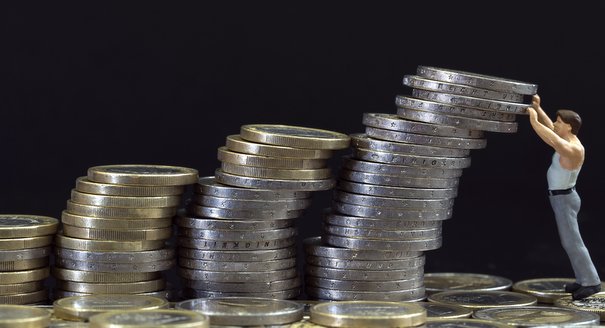
Source: Getty
Just as there is no big bazooka for the financial crisis, there will be no big bang to mark the genesis of real European political integration.
The European summer of 2012, that rainiest of beasts, has come to an end, but, entirely as expected, the eurozone crisis is still there. She has become a well-known companion by now, almost like a 28th member state, only more powerful. This might sound like a lame joke, but getting used to the idea of the crisis as a quasi-permanent element of the European political landscape makes a lot of sense. This is not only because the fundamental problems that caused the crisis—a deeply sick banking sector, unreformed economies, structural overspending—remain unaddressed. More importantly, there is no political momentum building in the European Union for the great leap towards more political integration that most observers now agree is direly needed.
The EU should prepare itself for a protracted period of political stalemate. People should ready themselves for Europe’s leaders to continue muddling-through, with many more crisis summits, and much, much more futile debate about the one big, all-encompassing solution to the crisis. A little bit of a fiscal union may even eventually emerge from the feverish crisis diplomacy. But just as there is no big bazooka for the financial crisis, there will be no big bang to mark the genesis of real political integration. I say this with much regret as I believe that a move towards more Europe is not only necessary but also doable and democratically feasible. But one has to be realistic about things.
For months, German politicians such as Finance Minister Wolfgang Schäuble , Foreign Minister Guido Westerwelle, and even the chancellor herself, have been trying to sound out the idea of a substantial step towards political union. They were seconded by Polish Foreign Minister Radek Sikorski, as well as a wide array of intellectuals, academics, and elder statesmen from all political camps. All are arguing, in one way or another, for the same thing: more common economic governance, a strong and centralized EU fiscal authority, and substantially improved democratic legitimacy for the EU. Typically, such exercises are meant to test the water for what’s politically possible.
The response, however, has been deafeningly silent. France is preoccupied with itself and fears that more Europe equates to more German dominance. The Netherlands is playing host to a disillusioning “more-anti-European-than-thou” contest between its main political parties in the buildup to next week’s general election. The Scandinavians have kept their heads low, torn between their sympathy for German fiscal discipline and general unease with pro-integration ideas. The Italian government is operating on an extremely narrow mandate to fix the crisis that does not cover far-reaching EU reform projects. Spain’s weak government is completely absorbed by keeping the struggling country afloat. Hungary, the Czech Republic, Romania, and Bulgaria are all suffering from various forms of post-Communist nationalist dysfunctionality, with governments lacking the necessary credibility to put substantial pro-European policy ideas in front of their traumatized electorates. And Britain is, well, Britain. Only that this time it’s worse, as yet another Conservative government seems to come apart over the deeply divisive issue of the country’s role in Europe.
As a result, the only country that has a serious, at least semi-public debate about more Europe is Germany, the continent’s economic power house. Accused of trying to hegemonize the EU, Germany is in reality the only country that could half-way imagine giving up more of itself so that the EU may thrive.
But the lack of resonance for German ideas is not the real problem. The real issue is the structural breaking point built into the integration process in its current form: France and Germany, as the chief custodians of the EU project, have fundamentally different basic assumptions on where that process should ultimately lead. The Germans, with their weak notion of the nation, and despite their growing coolness about Europe, could always imagine that the EU could at some point replace the nation state. For the French, with their strong attachment to the nation, that idea is absurd. For them, the EU is a vehicle to retain and possibly enhance a status their country could no longer have on its own.
This classic divide was largely unproblematic as long as the integration process was mostly of an economic nature and did not touch upon the core functions of the nation state. But the crisis has pushed the debate into uncharted terrain, where sovereignty bargains of a new nature, especially concerning national budgetary powers—every nation’s defining crown competence—might be required. Here, even the Germans balk—watch out for the constitutional court’s ruling on the European Stability Mechanism on September 12. For the French even thinking in this direction borders on the impossible. For a while, both sides can still hide behind the daily noise of crisis management. But as soon as they are exhausted enough to develop a real appetite for removing the root cause of the crisis, the yawning gap between economic and political integration, the divide will become a formidable obstacle to a real solution.
Both sides know this. Both try to tread carefully. But escape their common destiny, dictated by geography and history, they cannot. As both sides feel unfit for the profound struggle that lies ahead, and as there are almost no determined allies anywhere to be found for a major step forward, expect prevarication, especially from the French.
More muddling-through is in the pipeline. If that wasn’t so dangerous, one could somehow live with it. But the problem with muddling-through is that it does not offer a perspective for those countries who are really suffering in this crisis. It does not create hope. Europe is in a bind. It won’t be able to hold out forever. It could well be that we will soon look back on that quaint summer of 2012 with more than a touch of nostalgia.

Director, Europe Team, Eurasia Group
Techau is director with Eurasia Group's Europe team, covering Germany and European security from Berlin. Previously, he was director of Carnegie Europe.
Recent Work

Nathalie Tocci, Jan Techau
Jan Techau
Carnegie does not take institutional positions on public policy issues; the views represented herein are those of the author(s) and do not necessarily reflect the views of Carnegie, its staff, or its trustees.
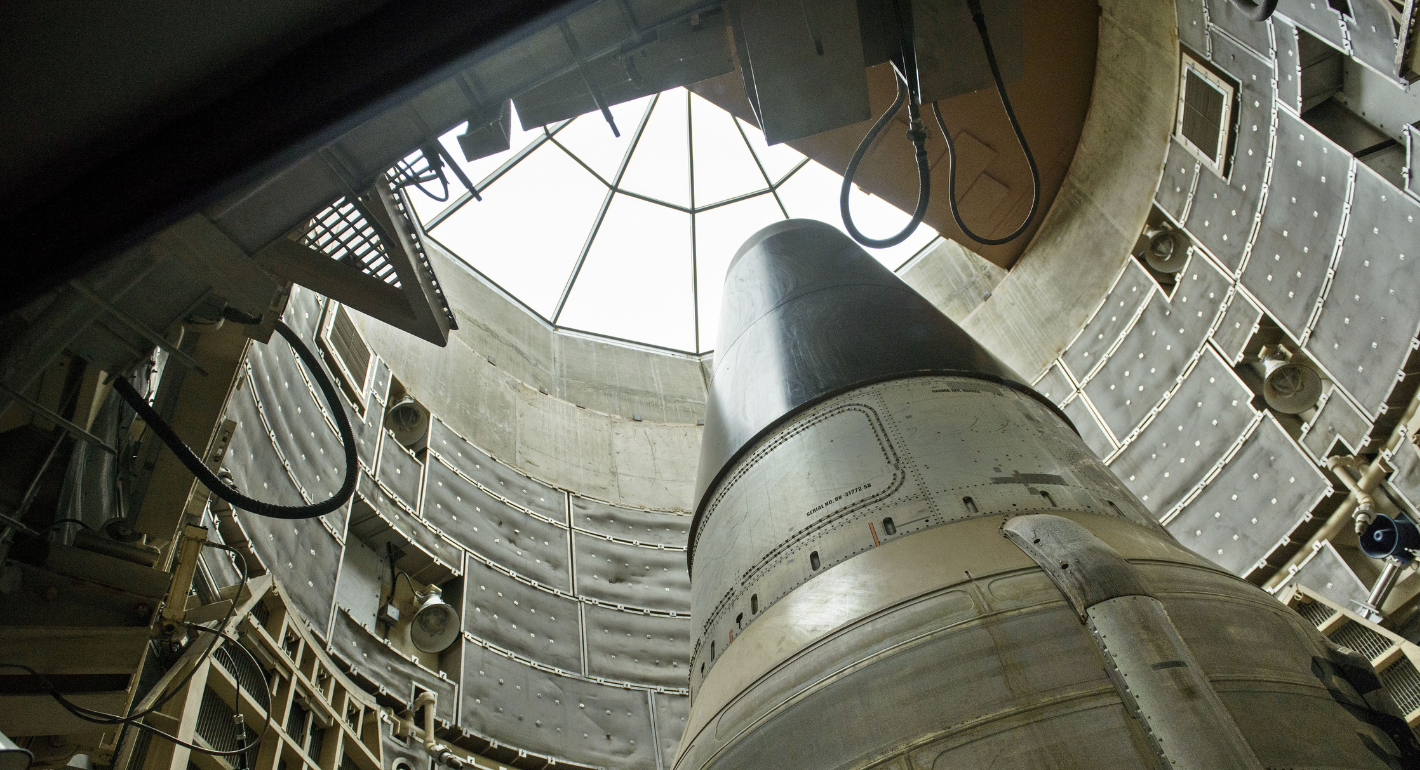
Amid uncertainty caused by the Iran war, the global drive for nonproliferation has stalled. With Europe diplomatically marginalized and countries reassessing their nuclear options, efforts to curb the spread of nuclear weapons risk becoming irrelevant.

Jane Darby Menton
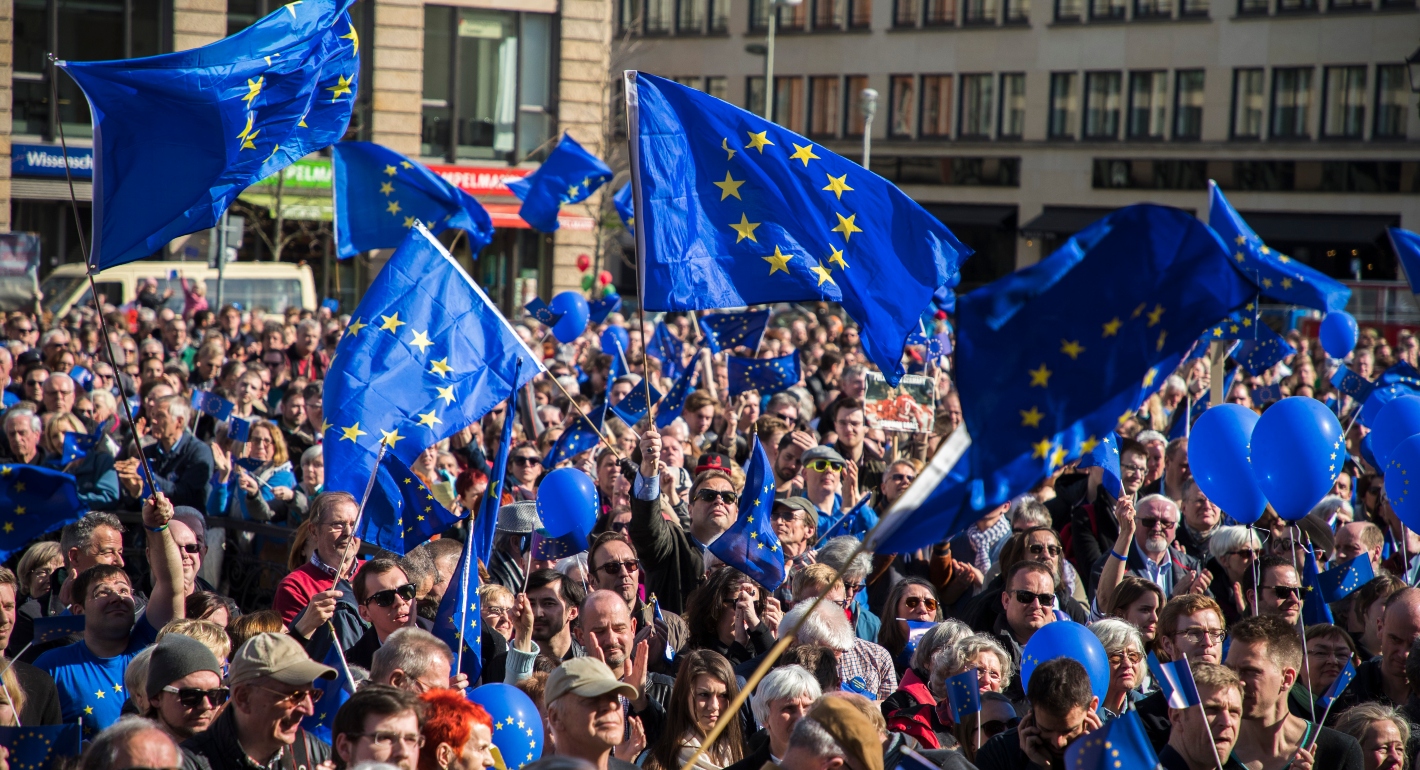
Preparing candidate countries for EU membership is no longer enough. As the enlargement process becomes a reality, the union must also prepare its own societies.

Iliriana Gjoni
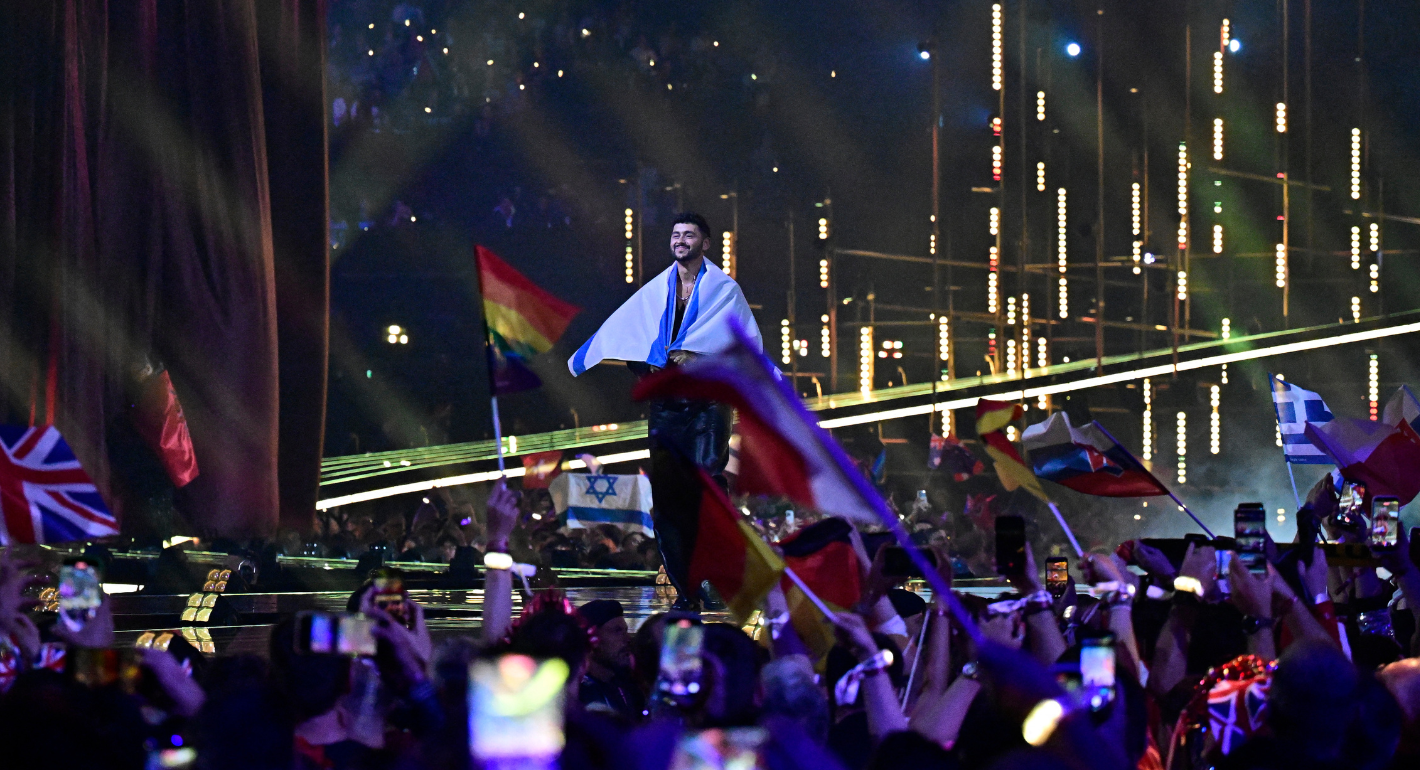
Five countries staged the biggest political boycott in Eurovision history over Israel’s participation. With the FIFA World Cup and other sporting or cultural touchstones on the horizon, are boycotts effective?

Rym Momtaz, ed.
The full list of humiliations Europe has endured since Donald Trump returned to the White House makes for grim reading. But Washington’s adversarial approach to its allies undermines its own power base.
Rym Momtaz
The closure of the Strait of Hormuz has triggered a global energy crisis, but Europe is stuck in reaction mode. Without more strategic foresight, the EU will remain dependent on fossil fuels and will never be truly secure.


Milo McBride, Pauline Gerard