

Commentary
Judy Dempsey
{
  "authors": [
    "Judy Dempsey"
  ],
  "type": "commentary",
  "blog": "Strategic Europe",
  "centerAffiliationAll": "",
  "centers": [
    "Carnegie Endowment for International Peace",
    "Carnegie Europe"
  ],
  "collections": [],
  "englishNewsletterAll": "",
  "nonEnglishNewsletterAll": "",
  "primaryCenter": "Carnegie Europe",
  "programAffiliation": "",
  "programs": [],
  "projects": [],
  "regions": [
    "Europe"
  ],
  "topics": []
}
Source: Getty
Every week leading experts answer a new question from Judy Dempsey on the international challenges shaping Europe's role in the world.
Every week leading experts answer a new question from Judy Dempsey on the international challenges shaping Europe's role in the world.
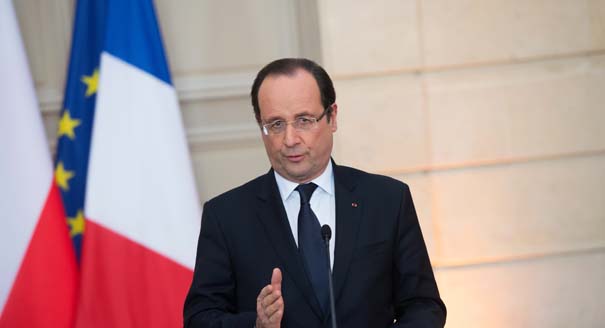
France and Britain are the only two serious military powers within the EU. Both have a strategic sense of the world and possess regional expertise beyond Europe as a result of their imperial traditions. Europe needs both countries if it wants to be a serious defense player as neither alone has sufficient military capabilities to support more than very limited operations. Yet national powers will pursue national, not European, interests when committing their armed forces. Only a European authority will be able to speak and act for Europe. While France and Britain should take the lead in creating a European defense policy, defense forces, and defense industry, they should know that taking unilateral action as France has just done in Mali won’t work. Presenting European and U.S. partners with a fait accompli is not the right way. That won’t prod Europe into acting together. Only when one or both of the most serious military powers demonstrate that they recognize that national security can no longer be obtained at the national level will Europe begin to be a serious defense power.

Nonresident Senior Fellow, Carnegie Europe
Judy Dempsey is a nonresident senior fellow at Carnegie Europe
Recent Work
Judy Dempsey
Judy Dempsey
Carnegie does not take institutional positions on public policy issues; the views represented herein are those of the author(s) and do not necessarily reflect the views of Carnegie, its staff, or its trustees.

Trump is distracted and Ukraine wants Europe to step up. The continent’s leaders must find their voice and assert it in talks with Russia.

Alissa de Carbonnel

Mounting economic strain and battlefield losses will not necessarily make the Kremlin less dangerous. They could instead push Moscow toward a more aggressive hybrid campaign designed to test NATO’s Eastern flank, exploit allied hesitation, and fracture European resolve.

Maksym Beznosiuk

Over the past ten years, NATO has held almost as many summits as it did during the entirety of the Cold War. Are they still useful, or is it time to stop holding annual meetings?

Rym Momtaz, ed.
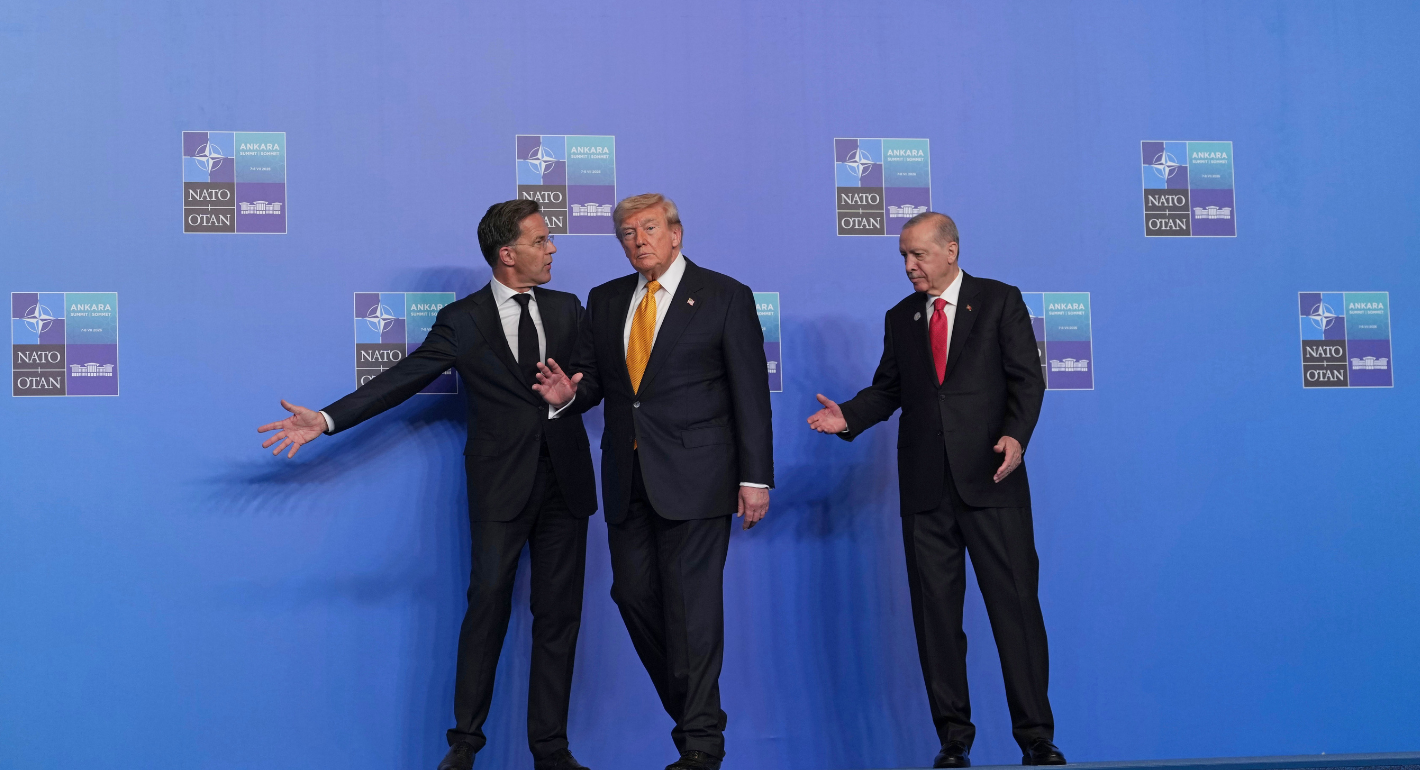
Nearly a year and a half after Europeans leaned into sucking up to Trump, the strategy has produced some benefits when it comes to Ukraine.
Rym Momtaz
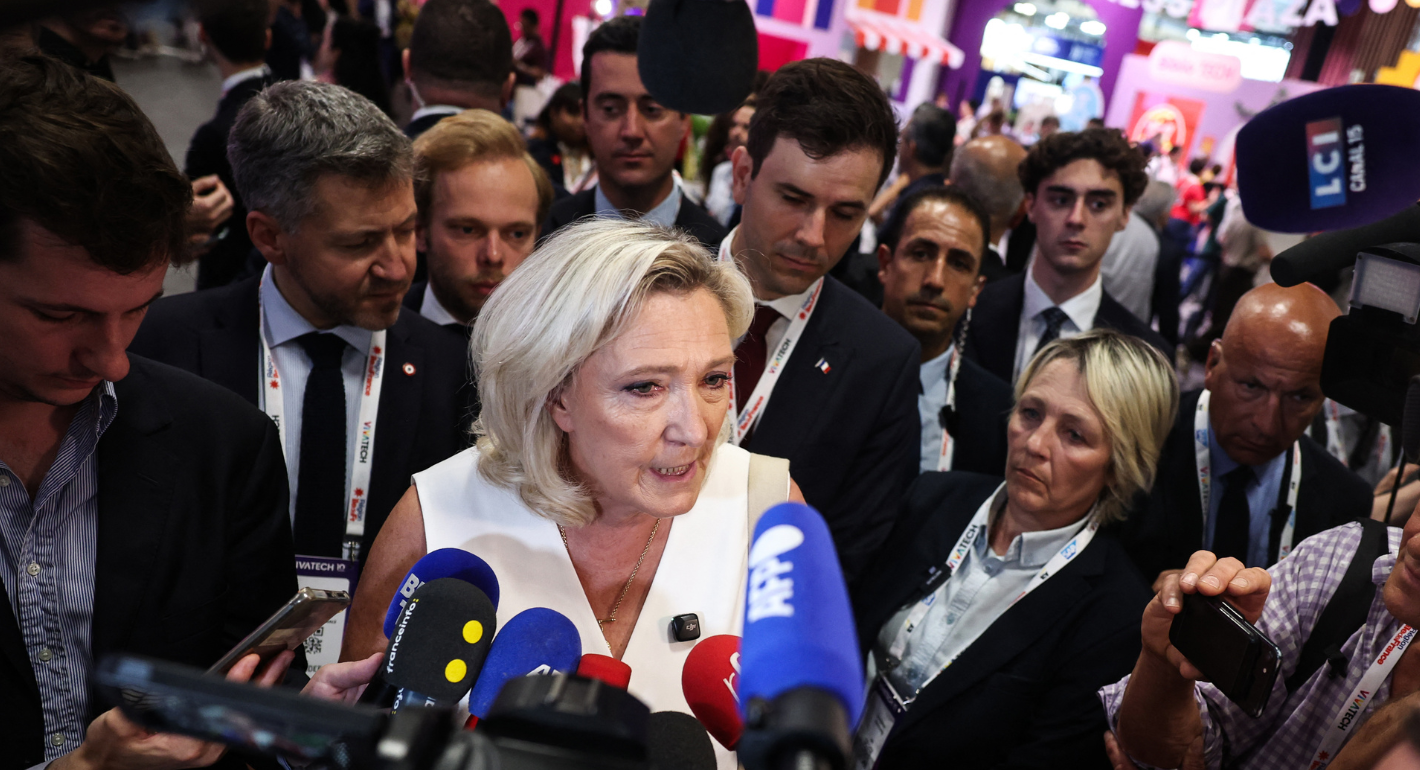
Far-right leader Marine Le Pen can—and will—run in France’s next presidential election. What does the outcome of her appeal against a 2025 embezzlement conviction mean for the country’s political future?
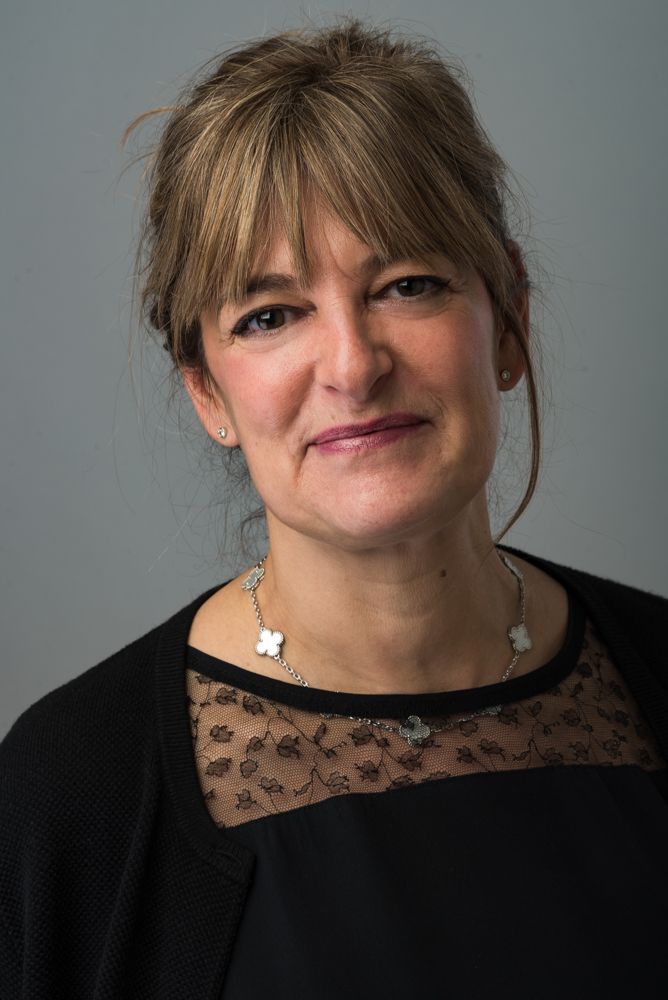
Catherine Fieschi