

Commentary
Nathalie Tocci, Jan Techau
{
  "authors": [
    "Jan Techau"
  ],
  "type": "commentary",
  "blog": "Strategic Europe",
  "centerAffiliationAll": "",
  "centers": [
    "Carnegie Endowment for International Peace",
    "Carnegie Europe"
  ],
  "collections": [],
  "englishNewsletterAll": "",
  "nonEnglishNewsletterAll": "",
  "primaryCenter": "Carnegie Europe",
  "programAffiliation": "",
  "programs": [],
  "projects": [],
  "regions": [
    "Eastern Europe",
    "Western Europe",
    "Europe"
  ],
  "topics": [
    "EU",
    "Foreign Policy"
  ]
}
Source: Getty
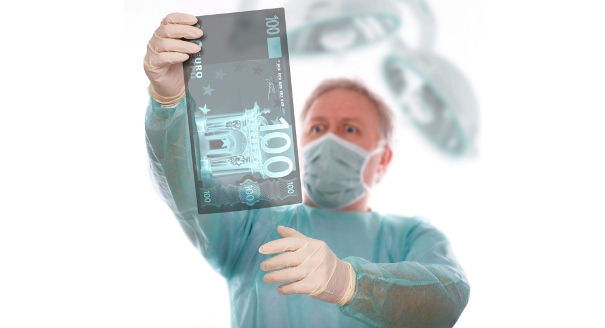
Europe should be in great shape, but isn’t. The diagnosis? She is lacking the self-confidence and the get-up-and-go that she needs to survive in the big wide world.
Patient Europe went to the doctor because she had not been feeling well in months. She still looked great, but things had taken a turn for the worse in recent days. She thought that perhaps the Ukraine bug she had picked up earlier had triggered a more serious ailment. A mere aspirin or two would not do the trick this time.
The doctor sighed when he saw her. He liked Europe, but she was a tough patient. In principle, her illness had been diagnosed correctly many times before. And yet each time, she had refused treatment. The pieces, quite literally, would just not come together. Europe and the doctor talked. He did some tests and took some X-rays. And he went back to her file to check his earlier notes. Then he took a deep breath.
“Let me be frank about what’s wrong with you,” the doctor said. He knew that Europe did not always like frankness. But he could see that she was in bad shape, and he did not want to schmooze her when it was clear that something decisive had to be done.
“You should be a very healthy lady,” the doctor said. “You’ve been living a peaceful life for almost seven decades. You live in great wealth, and the size of your business is truly amazing. You have 500 million smart people working for you—all good consumers, too.”
The doctor went on, “You have a great if slightly weird friend on the other side of the pond, who you often forget about. You have a bit of history, but who doesn’t? You know the world really well, and no one has seen quite as much of it as you have. People generally like you, and not just because of your money. You should be in great shape.”“But you’ve become a bit lazy recently, haven’t you?” the doctor said. “More than lazy—complacent, even. You look tired. Worse, you act tired. That’s the real problem. And I’ll tell you why.”
The doctor cut to the chase. “Basically, I think you’re missing a proper sense of self, my dear. You prefer to believe in a convenient, rather romantic image of yourself. You look in the mirror and see a vaguely superior countermodel to the brutal, globalized humdrum all around you.”
“When you see other people’s virility and power, it makes you uneasy. You shudder at the fact that the world needs a decisive show of force every once in while. That disturbs you because you feel that with your weak sense of self, there’s no way you can survive in the global jungle.”
“But you’ve never created the proper sense of self you need to survive,” the doctor went on. “Market integration doesn’t build identity, my dear. That comes from a shared political fate. But somehow, you’ve always avoided the issue. Denied it, even.”
“Now, you have plenty of business you love, and lots of messy politics you hate. But you can’t have one without the other, you know. Beauty comes at a price, and you are very beautiful indeed.”
Europe tried to listen to the doctor, but his words just floated by. She felt dizzy, and her pain was not going away. In fact, it grew stronger the more the doctor spoke. But she decided to stay. At any rate, she had no idea where else to go. At least this guy was talking to her.
The doctor continued, “Somehow, you’ve learned to like your own apathy. You know that’s really bad, don’t you? You only stand up and act when your friend across the pond pushes you, like in that Iran episode, remember? You can be quite capable if you want to. The problem is that most of the time, you just don’t want to. Like Bartleby—remember him?”
“You don’t even realize how great your own achievements are,” the doctor said. “Or how attractive others find you. You don’t cherish your successes enough to defend them when they come under threat. Each time you have to do so, you kind of collapse and fall apart.”
“In fact, you have so little faith in yourself that even an outdated, run-down old codger like Russia can give you a run for your money. Just because he has some guts and you don’t. It’s really painful to see that, you know.”
Patient Europe did not like this part of the diagnosis. In fact, she hated it, partly because she had heard it before, and partly because she knew it was right. She stayed in her chair even though she had an overwhelming urge to get up and run away.
The doctor had one last thing to say. “Have you ever asked yourself, my dear, why your geographical center doesn’t fully invest in your spiritual center anymore? You used to be really good at that. Now you’ve gone a bit mediocre and listless in the middle. For me, that’s the real trouble. This is first and foremost a problem of the heart.”
The doctor looked at Europe. She nodded and gave him a wan smile. Then she got up and he helped her into her coat. When she stepped outside, she noticed the weather had turned colder. She shivered and tightened her scarf. Somehow, she knew that she would be back again soon.

Director, Europe Team, Eurasia Group
Techau is director with Eurasia Group's Europe team, covering Germany and European security from Berlin. Previously, he was director of Carnegie Europe.
Recent Work

Nathalie Tocci, Jan Techau
Jan Techau
Carnegie does not take institutional positions on public policy issues; the views represented herein are those of the author(s) and do not necessarily reflect the views of Carnegie, its staff, or its trustees.

Trump is distracted and Ukraine wants Europe to step up. The continent’s leaders must find their voice and assert it in talks with Russia.

Alissa de Carbonnel

Mounting economic strain and battlefield losses will not necessarily make the Kremlin less dangerous. They could instead push Moscow toward a more aggressive hybrid campaign designed to test NATO’s Eastern flank, exploit allied hesitation, and fracture European resolve.

Maksym Beznosiuk

Over the past ten years, NATO has held almost as many summits as it did during the entirety of the Cold War. Are they still useful, or is it time to stop holding annual meetings?

Rym Momtaz, ed.
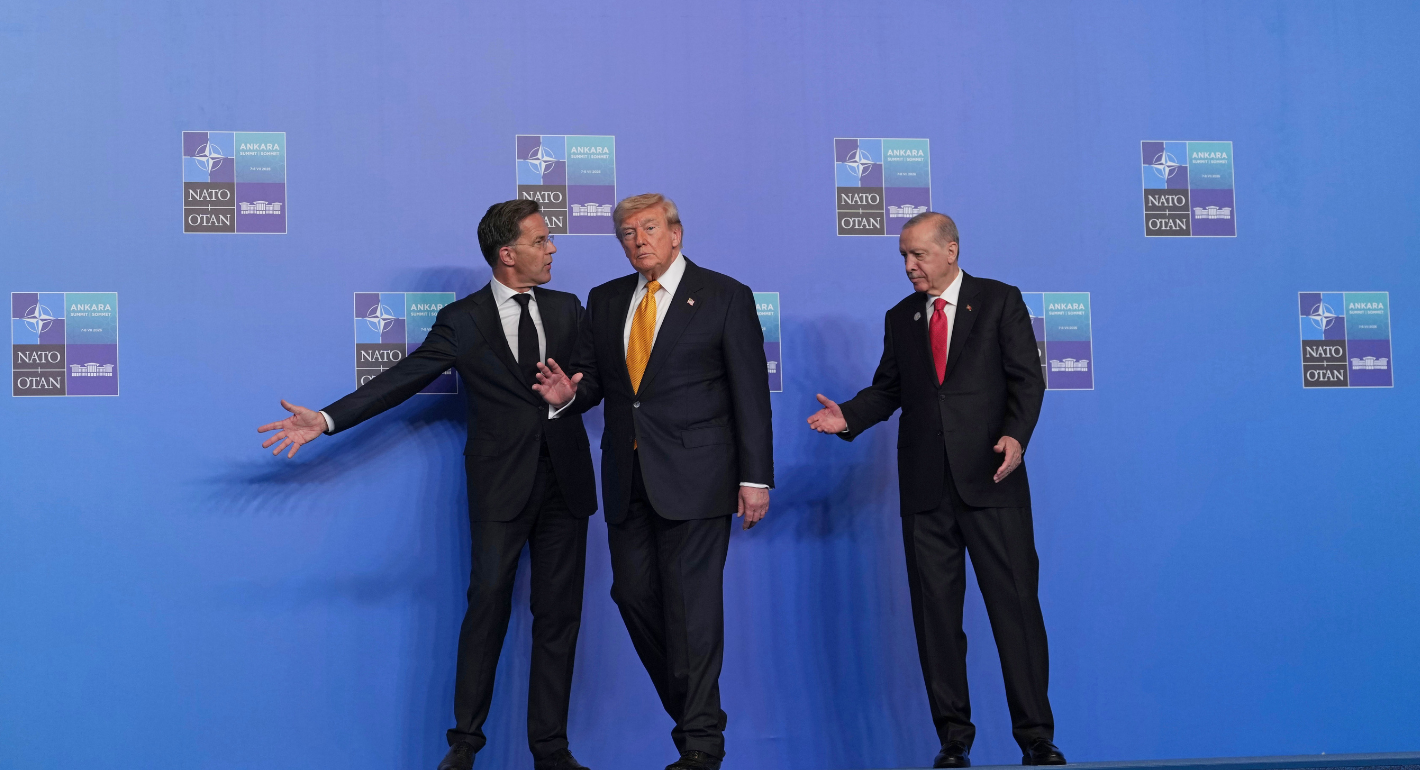
Nearly a year and a half after Europeans leaned into sucking up to Trump, the strategy has produced some benefits when it comes to Ukraine.
Rym Momtaz
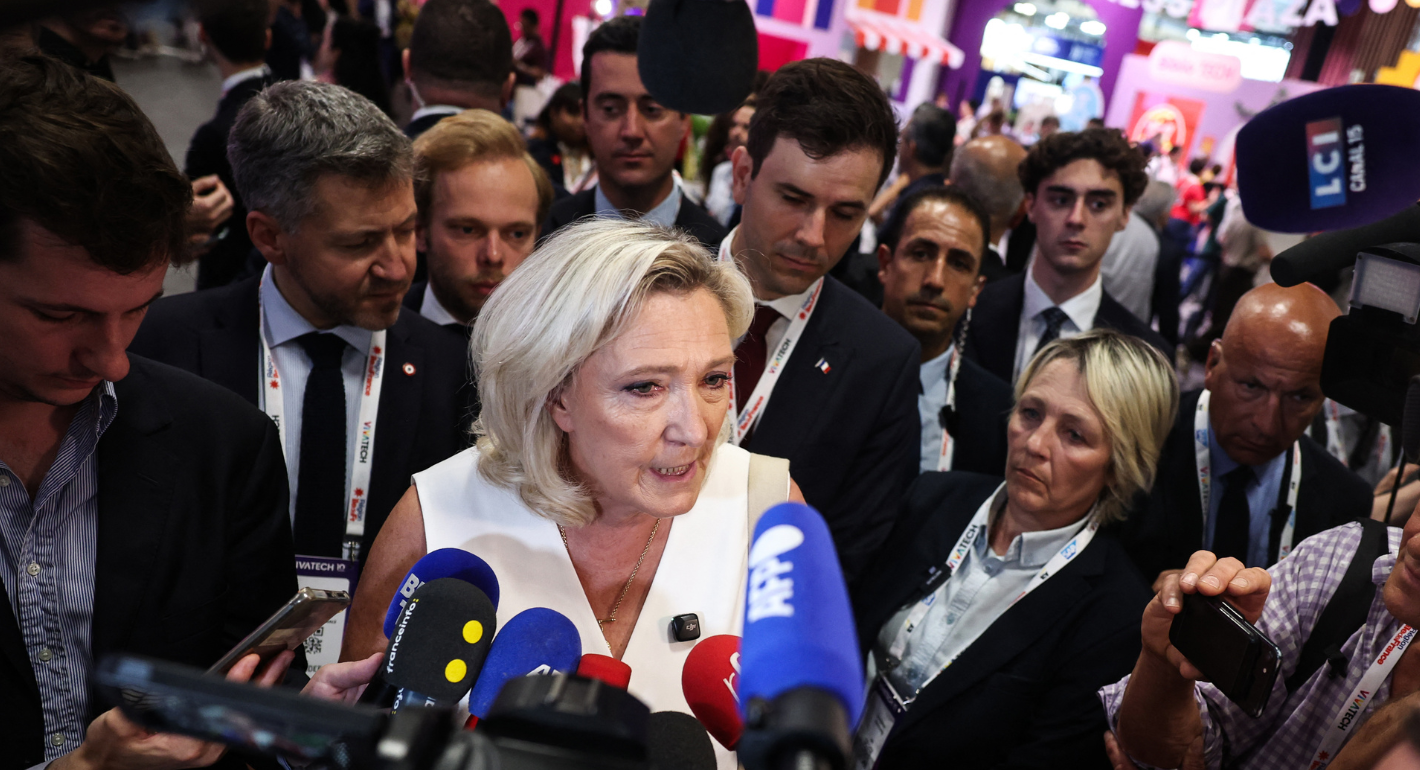
Far-right leader Marine Le Pen can—and will—run in France’s next presidential election. What does the outcome of her appeal against a 2025 embezzlement conviction mean for the country’s political future?
Catherine Fieschi