

Commentary
Nathalie Tocci, Jan Techau
{
  "authors": [
    "Jan Techau"
  ],
  "type": "commentary",
  "blog": "Strategic Europe",
  "centerAffiliationAll": "",
  "centers": [
    "Carnegie Endowment for International Peace",
    "Carnegie Europe"
  ],
  "collections": [],
  "englishNewsletterAll": "",
  "nonEnglishNewsletterAll": "",
  "primaryCenter": "Carnegie Europe",
  "programAffiliation": "",
  "programs": [],
  "projects": [],
  "regions": [
    "Eastern Europe",
    "Russia",
    "Ukraine",
    "Western Europe",
    "Germany",
    "Europe"
  ],
  "topics": [
    "Foreign Policy",
    "EU",
    "Security"
  ]
}

Source: Getty
Germany owes much of its strength to the fact that the country is embedded into the West. Germans should remember that and eschew any temptations of neutrality.
Like most extraordinary circumstances, the Ukraine crisis is a big clarifier. Just as on an X-ray, the still-unfolding developments in Europe’s Eastern backyard have made visible some often overlooked truths about the political situation in Europe.
Among those truths are two strategic questions that are key to the old world’s stability and security. First, predictably, will the United States remain a European power? Second, perhaps less obviously, can Germany be kept inside the Western family of nations? The battle for a Europe whole and free is a battle over German Westbindung.
Why is the fate of the continent still dependent on a strategic issue that sounds like it belongs in the 1950s, not the early twenty-first century?
Germans do not particularly like Russia—they never really have. Distrust vis-à-vis the Kremlin is high, and there are no illusions about the nature of the regime in Moscow, as a recent poll by Germany’s leading news outlet has confirmed. Eighty-one percent of those asked believed that Russia is not a trustworthy partner.
But 58 percent thought the same about the United States. It comes as no surprise, then, that in another poll by the same outlet, 49 percent of Germans stated that their desired political position is equidistance between the West and Russia. Only 45 percent believed that Germany should be firmly embedded in the West.
None of this would matter much if it were the mindset of a smallish country on the fringes of Europe. But when it’s the big fat thing in the middle of the continent that harbors these leanings, it becomes a geopolitical issue of some consequence.
Equidistance is precisely the position into which Soviet and then Russian leaders have tried to lure Germany since the 1950s. Attempts have ranged from Stalin’s repeated offer to grant Germany neutrality in return for unification in 1952, to Leonid Brezhnev’s long-term strategy to use energy dependence to bind Germany to Russian interests, to President Vladimir Putin’s masterful psychological exploitation of German fears on issues such as missile defense or Ukraine. In all these instances, Moscow’s aim was to de facto neutralize Germany despite its integration into the West.
These efforts have never been fully successful. But they have been successful enough to make Germany an often wobbly ally and to spread uncertainty and fear, especially among Central European countries, most notably Poland. The Kremlin knows full well that uncertainty and fear are the very ingredients that, if nurtured for long enough, will poison every relationship and even the strongest alliance.
Driving a wedge into Westbindung remains a preeminent goal of the Russian leadership. Moscow’s spokespeople and pundits in the West are in high rotation to increase the spread of propaganda aimed at loosening Germany’s ties with the West. Russia’s representatives are smart, they are in it for the long haul, and they often do their job with considerable skill.
This is dangerous, because Westbindung was and is the only way for Germany to make peace with itself and to reassure its neighbors that it will not go astray again. Historically, it was the precondition of Franco-German reconciliation and EU integration. Many believed that after German reunification, Westbindung would become less important, as the Manichaean world of the Cold War was coming to an end, and the world was anyway becoming more Western.
But in reality, Germany has needed Westbindung more since reunification than before. A politically and economically dominant Germany needs to reassure its neighbors about its benign intentions even more than a partitioned one. And the end of the Cold War did not bring about a widespread Westernization of Russia and Eastern Europe.
German Westbindung traditionally comes through four channels: the special relationship with the United States; friendship with France; membership in the EU; and membership in NATO. All four sources are in trouble. The United States is distrusted, France is no longer taken seriously, the EU is seen as an economic liability, and NATO is often forgotten about. NATO is also the irritating reminder that there are such things out there as armies and wars.
Germany has been extraordinarily lucky that all its postwar governments have firmly endorsed the country’s general Western orientation. But it has become increasingly clear since the late 1990s that Germany is willing to go it alone on occasion, and even undermine shared Western positions. Examples range from trade with China to military intervention in Libya to energy policy vis-à-vis Russia. That temptation is visible even in the current Ukraine crisis, although Chancellor Angela Merkel has stood firm against the stated skepticism of the German public.
Crass statements that Germany hates the United States, believes in nothing, and appeases Russia are hysterical exaggerations. The truth is a lot more subtle, especially in a complex—and complex-ridden—place such as Germany.
Germany’s strategic folly is not that it wants to go East. It doesn’t. Nor does it want to destroy NATO or transatlantic solidarity. Its strategic folly is that by following some of its lingering anti-Western sentiments, and by giving in to its desire for neutrality, it might do all of this unintentionally.
Yet Germans must understand that for the largest country in the center of Europe, neutrality is not an option. By wanting to be unaffiliated, Germany would tragically destroy the very world it needs to prosper and enjoy the fruits of its enormous achievements. German strategic haplessness is just as dangerous as German aggressiveness. The latter is history. The former, unfortunately, is not.

Director, Europe Team, Eurasia Group
Techau is director with Eurasia Group's Europe team, covering Germany and European security from Berlin. Previously, he was director of Carnegie Europe.
Recent Work

Nathalie Tocci, Jan Techau
Jan Techau
Carnegie does not take institutional positions on public policy issues; the views represented herein are those of the author(s) and do not necessarily reflect the views of Carnegie, its staff, or its trustees.
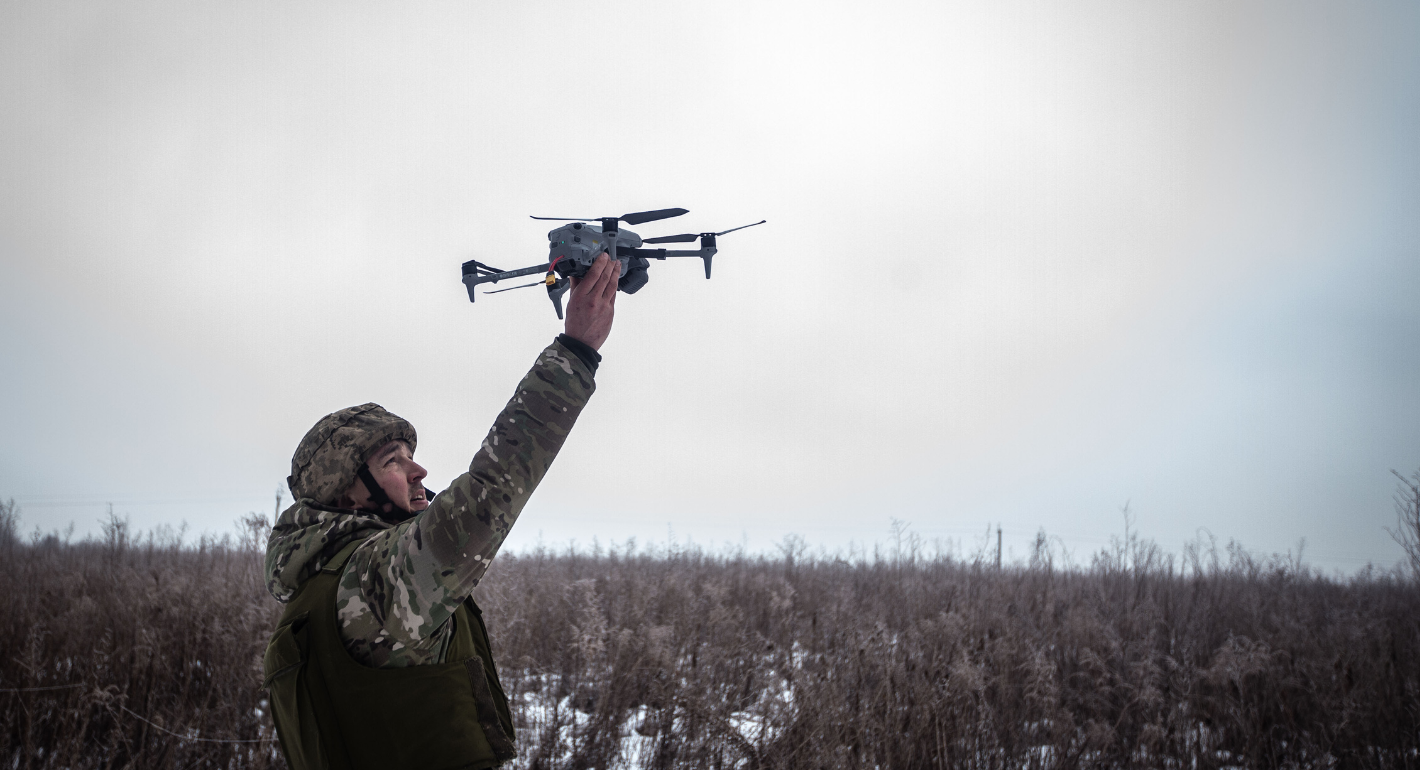
In Ukraine, Gaza, and Iran, AI warfare has come to dominate, with barely any oversight or accountability. Europe must lead the charge on the responsible use of new military technologies.

Raluca Csernatoni
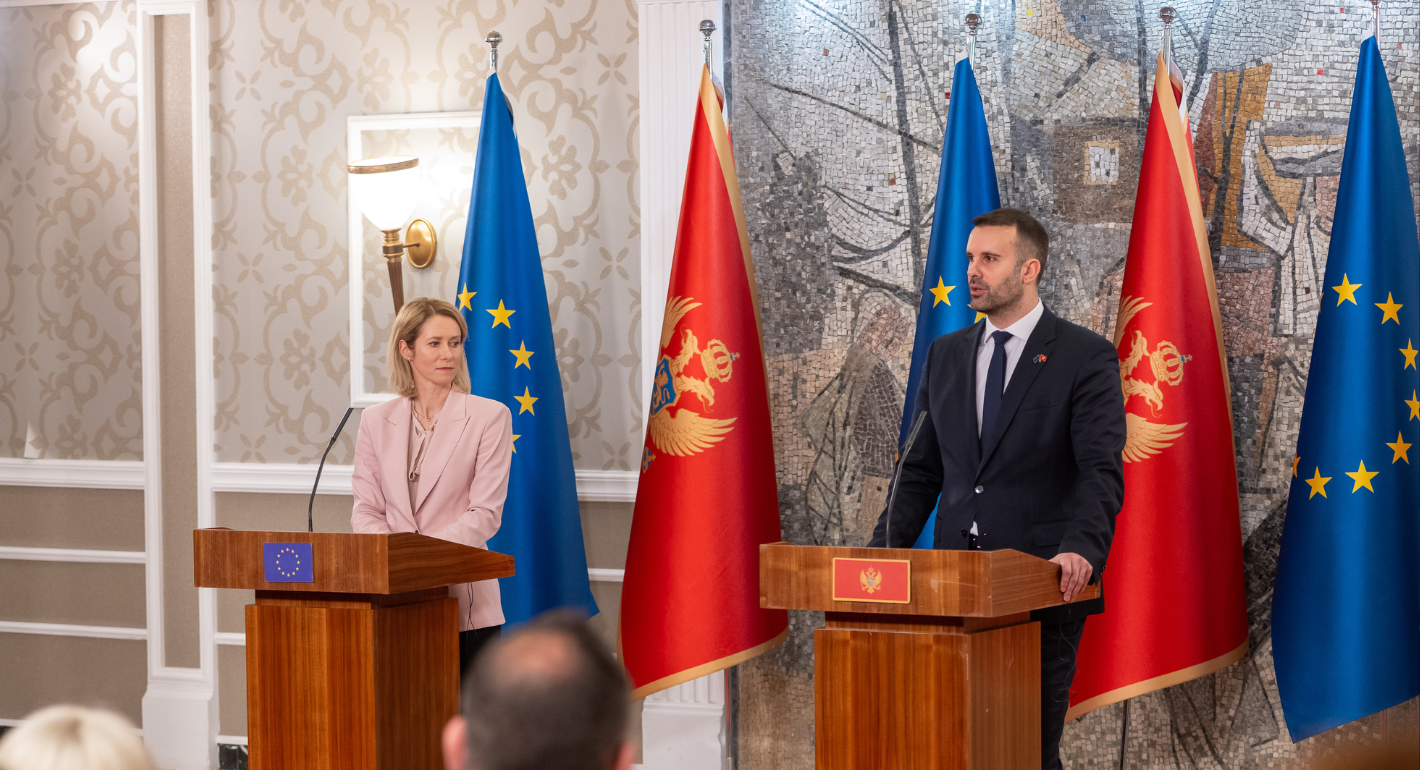
Montenegro and Albania are frontrunners for EU enlargement in the Western Balkans, but they can’t just sit back and wait. To meet their 2030 accession ambitions, they must make a strong positive case.


Dimitar Bechev, Iliriana Gjoni
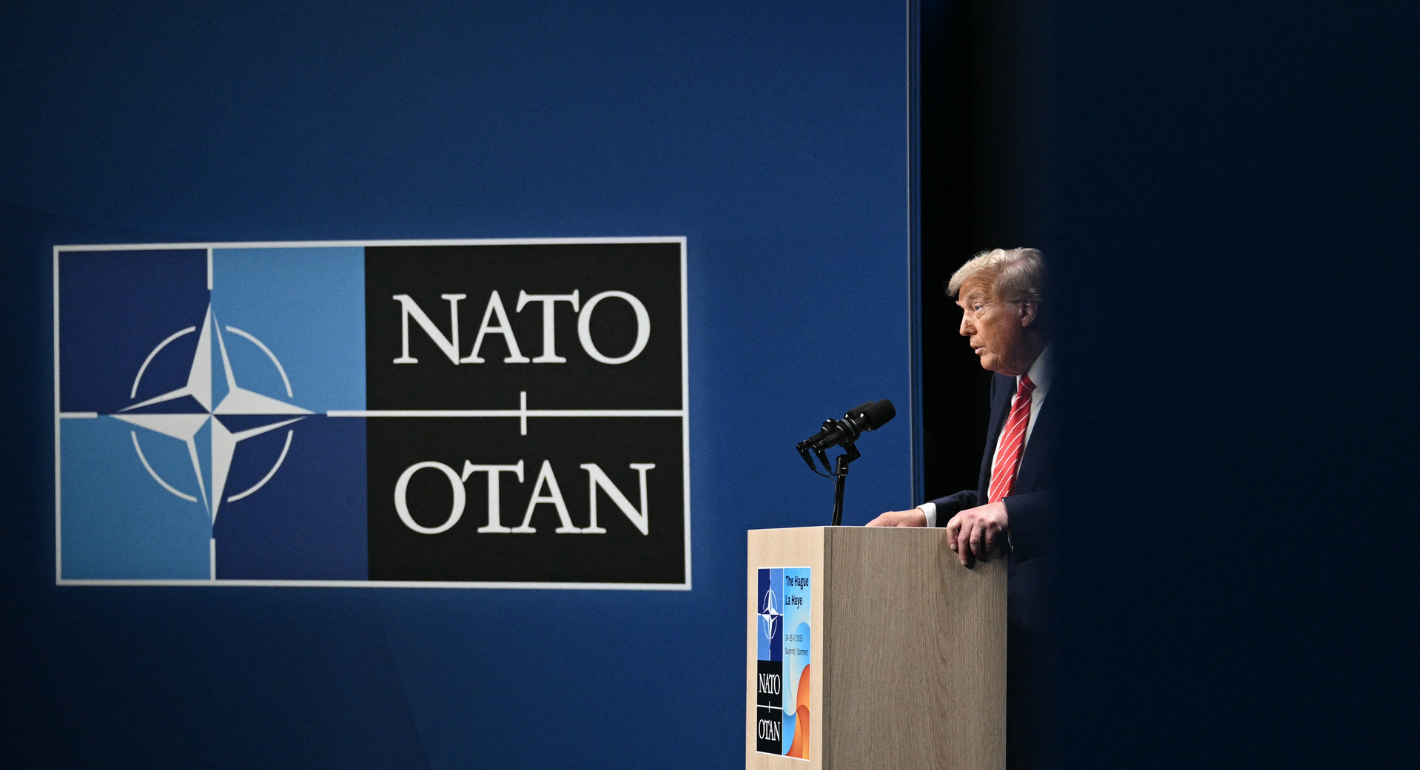
Donald Trump has repeatedly bashed NATO and European allies, threatening to annex Canada and Greenland and deploring their lack of enthusiasm for his war of choice in Iran. Is this latest round of abuse the final straw?

Rym Momtaz, ed.
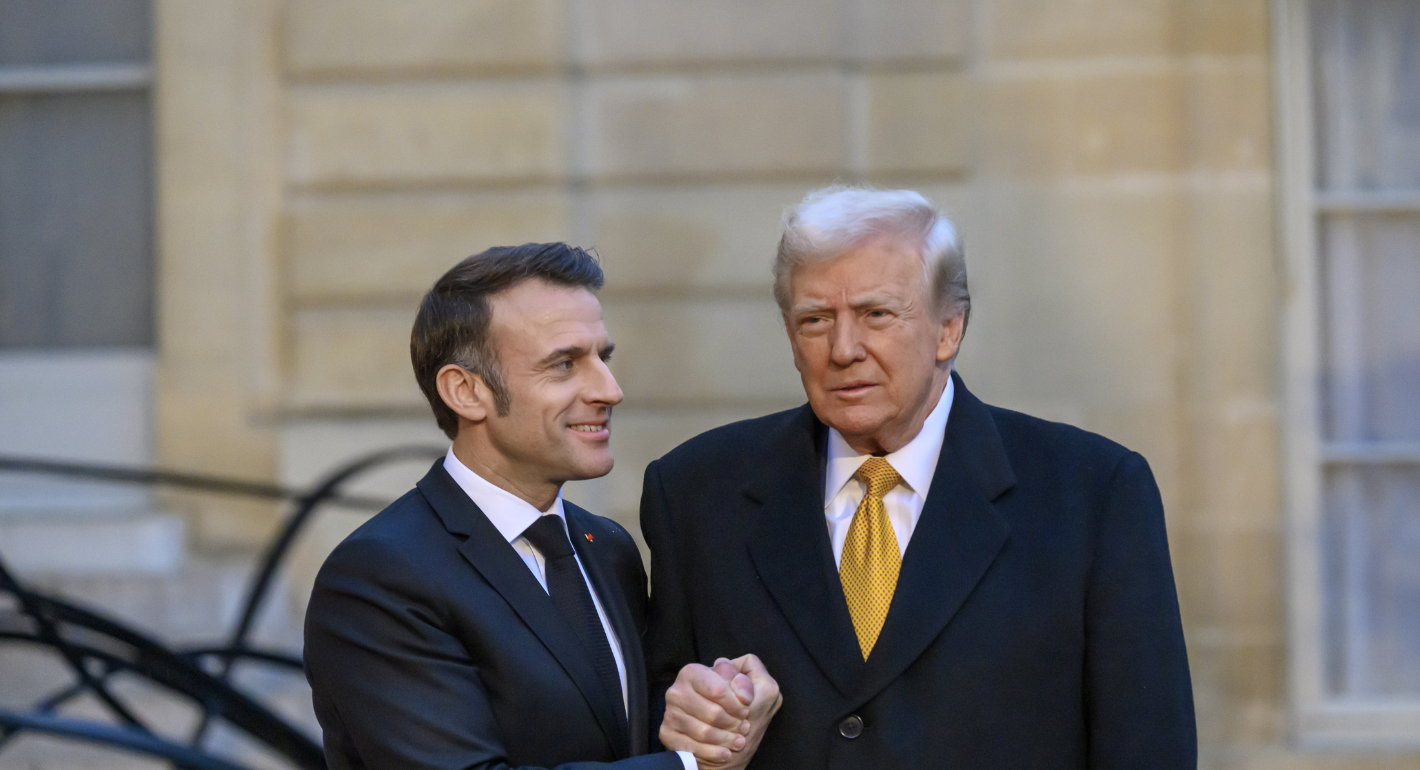
Donald Trump’s repudiation of NATO goes against the Make America Great Again vision of a U.S.-centered foreign policy. If the goal is to preserve the alliance by boosting Europe’s commitments, leaning into France’s vision is the most America First way forward.
Rym Momtaz
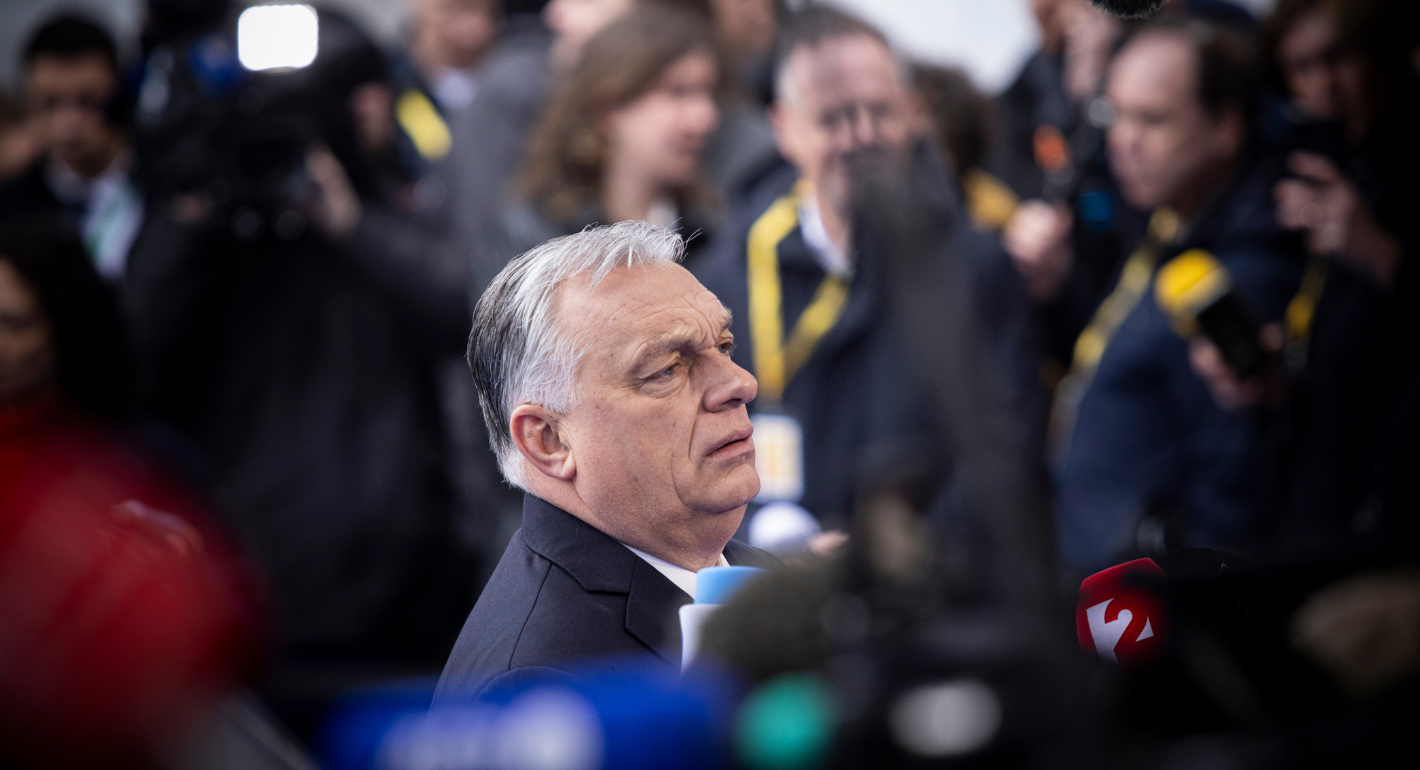
Hungarians head to the polls on April 12 for an election of national and European consequence. Three different outcomes are on the cards, each with their own implications for the EU.

Zsuzsanna Szelényi