One of the intriguing things about the coverage so far of the Scottish independence referendum, scheduled for September 18, has been the “metadebate” about the nature of the debate. A common observation, both in the media and in pub talk, is that the two sides have argued in an adversarial, tactical, and reactive way rather than providing hard facts.
Such negative campaigning may explain a recent rise in support for the “Yes” side, with some opinion polls indicating a gap of only 6–7 percentage points between those in favor of independence and the (still stronger) “No” camp.
At the same time, the pro-independence campaign, led by Scotland’s First Minister Alex Salmond, is accused (not only by the “No” side) of offering bland, too-rosy assurances. He tends to brush aside London’s threats rather than explaining how a sovereign Scotland would cope in the worst case.
Salmond may well be right that the English would have to sing a different, conciliatory song on the morning after a “Yes” vote. But no one can be sure; and the sense that independence would mean a major gamble doubtless deters many Scots, especially those who put economic concerns foremost.
The serious media, including television and radio, have done their best to provide more detailed and balanced footage. Given the length of time the debate has already lasted, they risk simply boring the public. A larger problem is that hardly any writer or media vehicle can tread the line for long without falling into partisanship or, at least, being accused of it. The Edinburgh-based press is distinctly more unionist and the Glasgow media more separatist, corresponding to what is known of their local voters’ intentions.
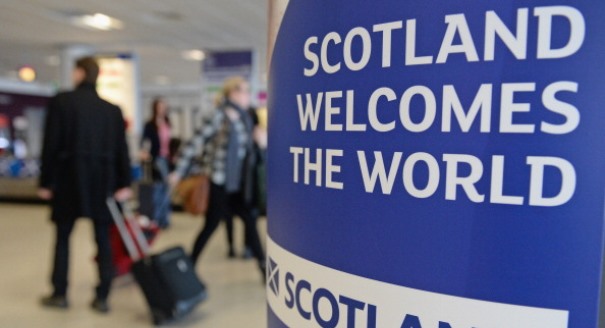
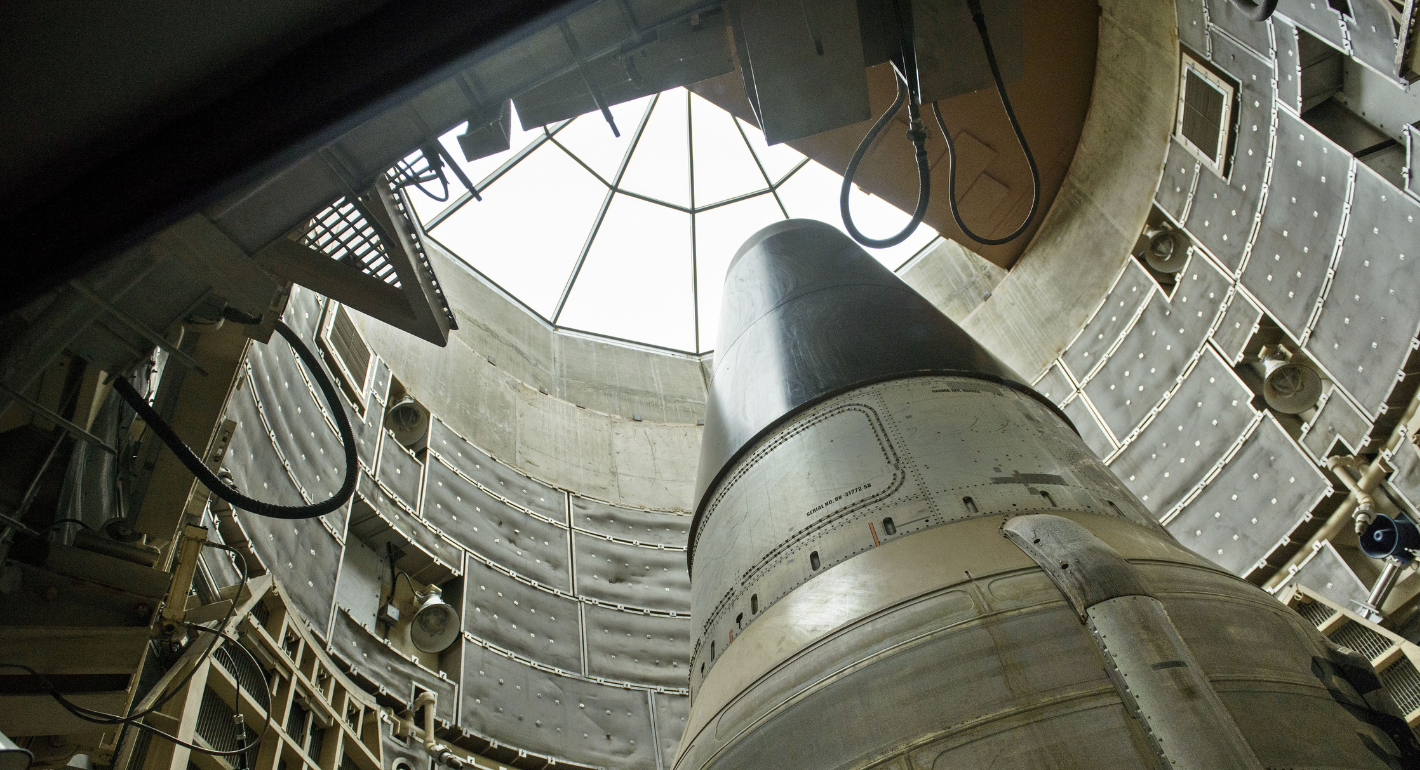
The external implications of Scotland’s choice are one part of the picture that has suffered from these shortcomings of analysis. The “Yes” side looks to the Nordic countries as models for the diplomatic and defense identity of a sovereign Scotland. The pro-independence campaign has been less keen to highlight the strategic dependence on the United States—with all its consequences—that is the bottom line of the Nordics’ survival and that would apply just as much to Scotland too.
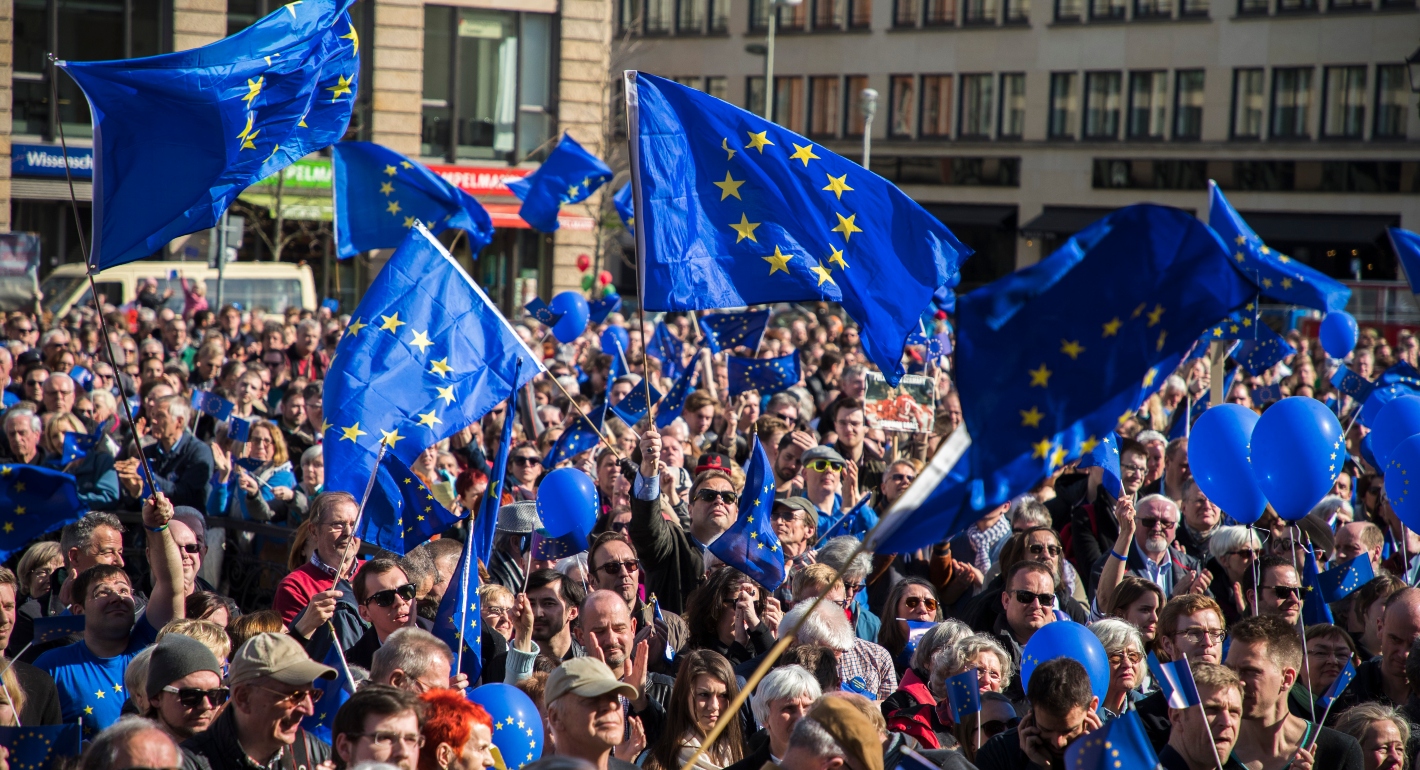
The “No” camp points to contested independence campaigns elsewhere, for instance in Catalonia and Flanders, suggesting that the Spanish and Belgian governments would block Scotland’s (re)entry into the EU and NATO for fear of precedents.
Leaving aside the risks involved for the English in living with a Scotland excluded from the Western military and economic family, this vision tends to overlook the fact that Scotland’s choice is being made peacefully and constitutionally through a procedure agreed on between London and Edinburgh. It would be strange if the world did not treat the result—whichever way it goes—as being at least as legitimate as the successful “velvet divorce” of the Czech Republic and Slovakia.
An unconscious but understandable bias throughout the debate lies in picturing an independent Scotland’s future as a parallel to, or a repetition of, the UK’s. The “No” campaign may be particularly prone to this, worrying about the rise of a rival in Britain’s hinterland and interpreting Scottish plans and priorities on the basis of a misleading mirror image.
In reality, a sovereign Scotland would be a state of around 5 million people, similar to Denmark, Finland, or Ireland, among others. When I co-wrote an article in 2013 imagining Scotland as a “small state,” many readers thought we were saying how hard the Scots would find it to survive. In fact, we were pointing out that Scotland would be joining a set of nations that have often flourished in modern Europe, so long as they grasp the implications of their status and the careful choices required.
The UK is just about large enough to have a recurring fantasy—currently prominent on the Right—about going it alone without the EU. The Scots know they could not do that and have any hope of balancing the economic books. Salmond’s Scottish National Party has pushed through a painful policy change on NATO membership for an independent Scotland, which it previously opposed but now favors, because it grasped the corresponding truth on the strategic front.
Salmond’s team cites Nordic models for Scotland’s future “peace” policies, as well as internal social affairs, partly because they understand the need for a group of supportive neighbors. And the Scottish nationalists see their proposal to keep the pound sterling as no more eccentric than Luxembourg’s use of the Belgian franc before the introduction of the euro.
A largish nation may be excused for not empathizing with the yearning of a subgroup within it to be small. But London would be more assured of winning its “No” campaign if it not only used fewer threats and more blandishments but also found arguments for being genuinely “better”—not “bigger”—together.
Alyson Bailes is adjunct professor at the University of Iceland and a fellow and board member at the Scottish Global Forum, a virtual think tank focusing on international aspects of the Scottish question.