

Commentary
French President Emmanuel Macron has unveiled his country’s new nuclear doctrine. Are the changes he has made enough to reassure France’s European partners in the current geopolitical context?
Rym Momtaz, ed.
{
  "authors": [
    "Karolina Wigura"
  ],
  "type": "commentary",
  "blog": "Strategic Europe",
  "centerAffiliationAll": "",
  "centers": [
    "Carnegie Endowment for International Peace",
    "Carnegie Europe"
  ],
  "collections": [],
  "englishNewsletterAll": "",
  "nonEnglishNewsletterAll": "",
  "primaryCenter": "Carnegie Europe",
  "programAffiliation": "",
  "programs": [],
  "projects": [],
  "regions": [
    "Europe",
    "Eastern Europe"
  ],
  "topics": [
    "EU",
    "Migration",
    "Democracy"
  ]
}
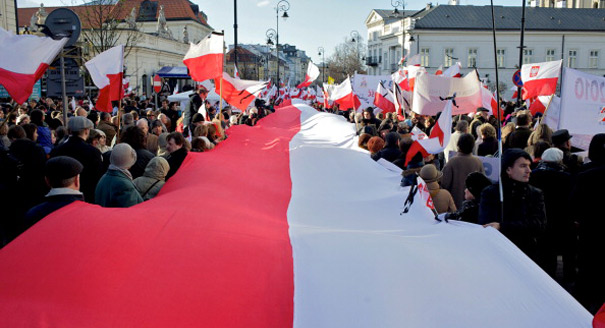
Source: Getty
The refugee crisis reveals a populist and Euroskeptic turn in Poland that is shared by other countries in the European Union.
In February 2016, a cover of one of the Polish social and political weeklies went viral. On the cover was a half-naked white woman wrapped in an EU flag, defending herself from male hands of a dark complexion. The caption read “Islamic rape of Europe.” Several international newspapers, such as the Washington Post and the Independent, called the cover shocking, highlighting stereotypes used by the graphic designer and relating them to racist images of Jews and blacks from the first half of the twentieth century.
The publication, wSieci, is a right-wing magazine and the fourth most popular weekly in Poland after the Catholic Gość Niedzielny and liberal Newsweek and Polityka.
The February 2016 cover was symptomatic of the radicalization of the Polish public debate during the months of the refugee crisis, when the subject of national identity was used as a pretext in the political and rhetorical battle.
That, combined with a populist and Euroskeptic shift in Poland, explains the particular way in which the refugee crisis became instrumentalized even though the debate about the crisis took place almost amid an absence of refugees.
Poland did not take up its quota of refugees under a system defined by the EU in which each member state would take in a certain number of asylum seekers commensurate with its size and other criteria. As for the Syrian refugees, they didn’t choose Poland as a destination.
Radical statements by many right-wing columnists have played a paradoxical role in their rhetorical struggle with a certain image of the EU and the West. A special stress was put on Germany, described as a country that promotes values alien to Polish culture and is opposed to other countries that prefer to preserve a certain homogeneity of their societies.
The columnists criticized the willingness of the former center-right Civic Platform government to welcome a small number of refugees as a “subordination to the dictates of the West” or “Berlin’s command.” One commentator even compared sharing the quotas, to which EU member states agreed on September 17, 2015, to the Soviet invasion of Poland on September 17, 1939.
The refugee crisis in the Polish right-wing press was often presented as an Islamic invasion of Europe. Notions such as “raid,” “conquest,” and “penetration” were also used. At the same time, Western Europe was described as a culture dominated by leftist influence, in which values like Christianity, tradition, and family had been forgotten.
One columnist wrote about a “leftist-genderist idiocracy and depravation of nations and societies,” another of “European ideological blindness.” Multiculturalism was presented as a strategy of devastating Christian culture and values, a “soft totalitarianism.”
Some commentators claimed that Poland was witnessing a war in which “Muslims will combat us, and not with terrorism, but with uteruses of their women.” Broad stereotypes about the whole variety of Muslim communities all over the world were used: “More Muslims means more rapes. If someone does not see this, he must be either blind or stupid,” one could read in the online publication Fronda. At the same time, refugees were presented as eager beneficiaries of the European welfare state. They were to perform “social jihad.”
The debate on the refugee crisis would perhaps not have been so tense if it were not for the political context. From 2014 to 2016, one could observe in Poland a deepening polarization of the public debate and the hostility of two main camps taking part in it: the conservative-national camp and the liberal camp.
There are several reasons for this.
One was the electoral cycle. In November 2014, local elections were held in Poland. Then, in May 2015 and October 2015 respectively, presidential and parliamentary elections took place in which the right-wing Law and Justice party was swept to power.
Then there were symbolic anniversaries. One was the fifth anniversary of the 2010 Smolensk air crash, in which Poland’s then president Lech Kaczyński and 95 other people were killed. The other was to mark a quarter century of Polish freedom and independence, which was celebrated in August 2014.
The subject of the refugee crisis, which was such an important political issue before the 2015 parliamentary election, has been mostly absent since Law and Justice took over the reins of government.
What do these phenomena mean for Poland’s attitude toward the European Union?
They are symptoms of a populist and Euroskeptic turn in Poland. Somehow, after a decade of a thriving Polish economy and of infrastructure being modernized thanks to EU funds, the EU is now being seen not as benefactor but as a mechanism of oppression.
But the Polish public debate also reveals other, wider crises. The highly romanticized image of the West is falling apart in other post-Communist countries, too. In addition, the Polish public debate is important because it’s a sign of a broader crisis of European solidarity. The refugee issue became a catalyst for nationalist egoism and a desperate search for identity—also in other European countries, Eastern as well as Western.
Karolina Wigura is an assistant professor at the University of Warsaw and the head of the political section of Kultura Liberalna.
Karolina Wigura
Carnegie does not take institutional positions on public policy issues; the views represented herein are those of the author(s) and do not necessarily reflect the views of Carnegie, its staff, or its trustees.

French President Emmanuel Macron has unveiled his country’s new nuclear doctrine. Are the changes he has made enough to reassure France’s European partners in the current geopolitical context?

Rym Momtaz, ed.
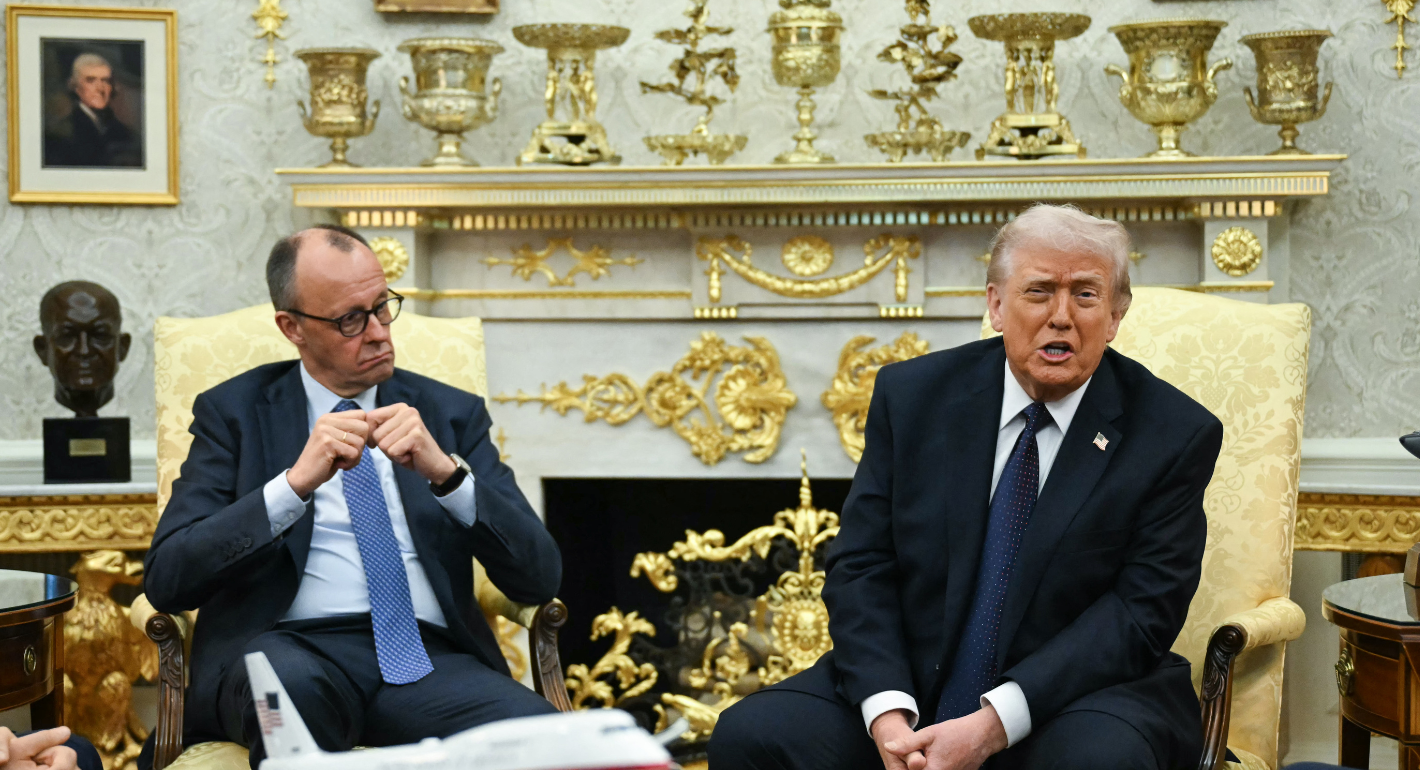
European reactions to the war in Iran have lost sight of wider political dynamics. The EU must position itself for the next phase of the crisis without giving up on its principles.

Richard Youngs
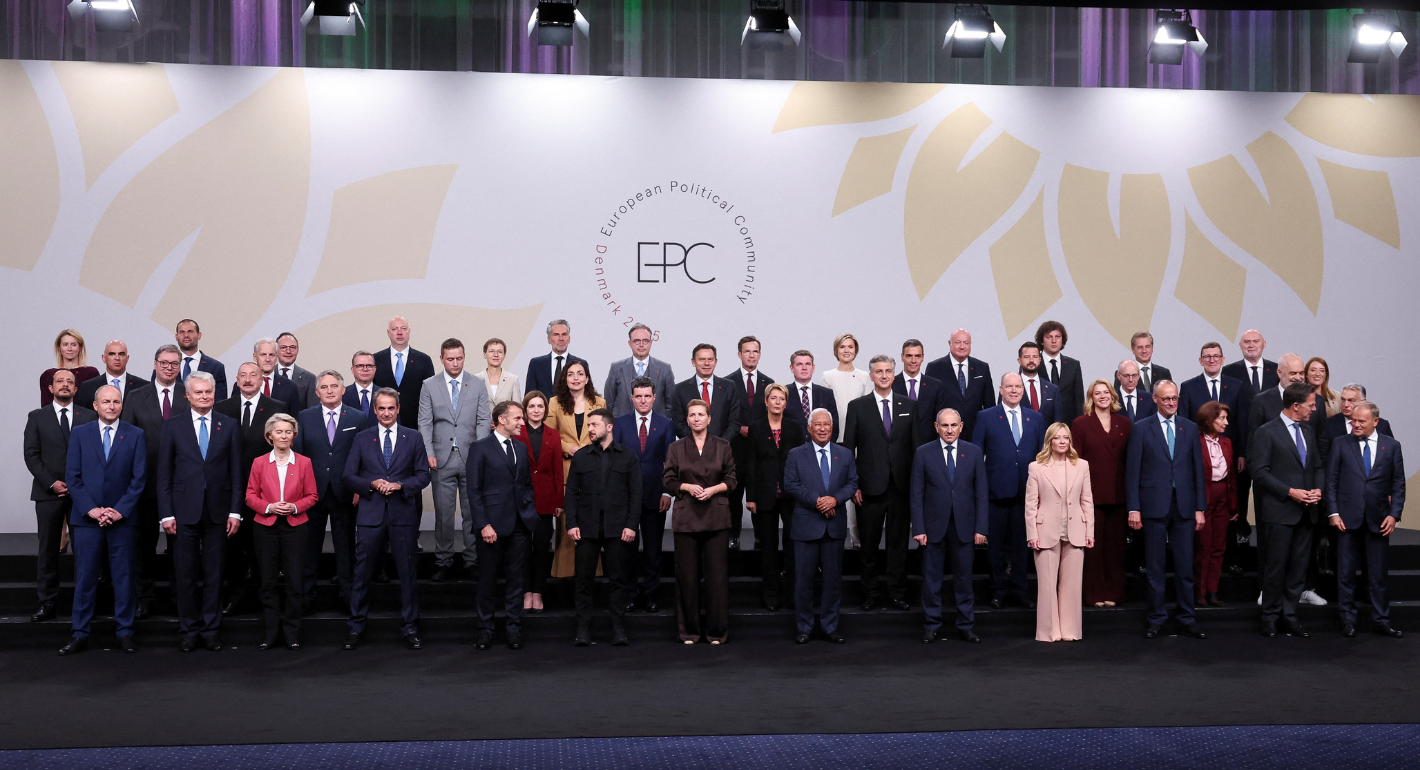
Europe isn’t as weak in the new geopolitics of power as many would believe. But to leverage its assets and claim a sphere of influence, Brussels must stop undercutting itself.

Dimitar Bechev
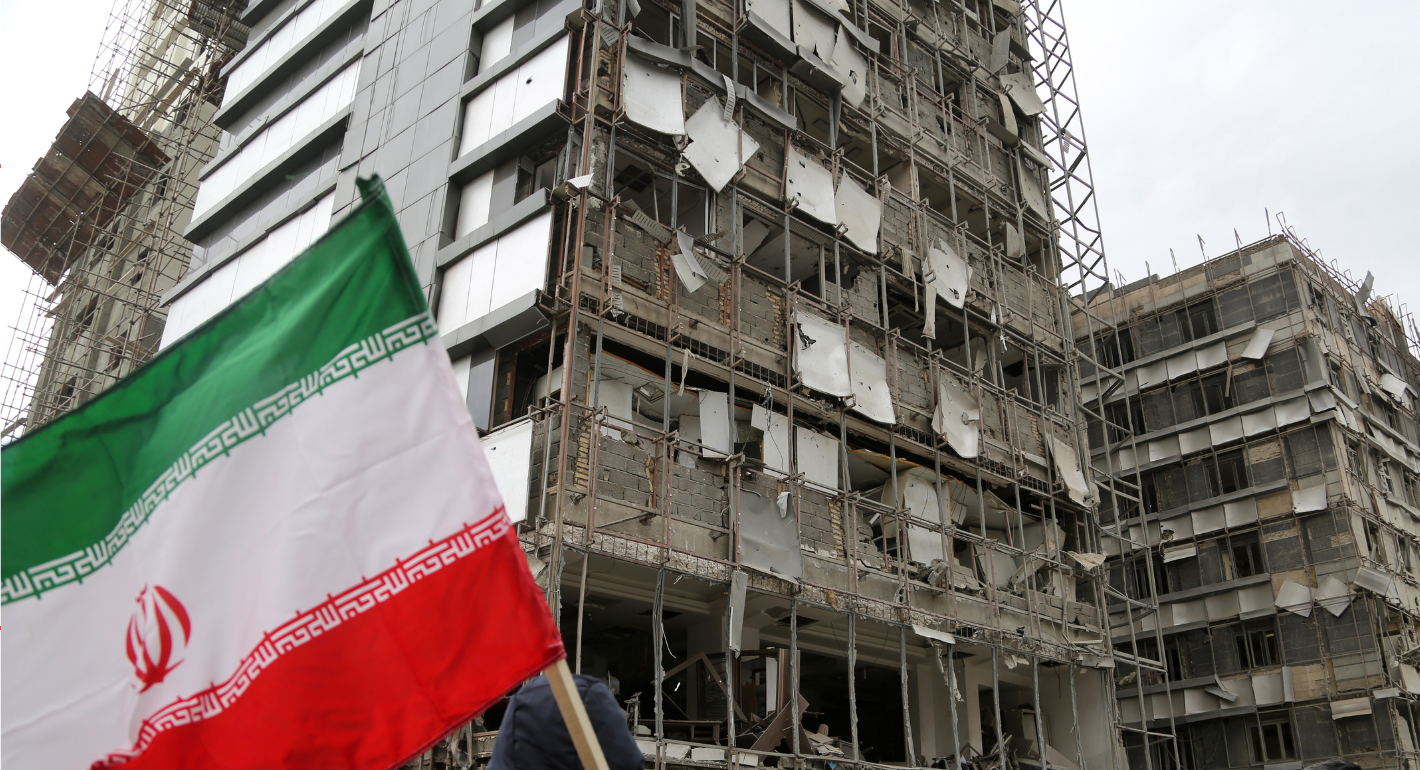
Europe’s reaction to the war in Iran has been disunited and meek, a far cry from its previously leading role in diplomacy with Tehran. To avoid being condemned to the sidelines while escalation continues, Brussels needs to stand up for international law.

Pierre Vimont
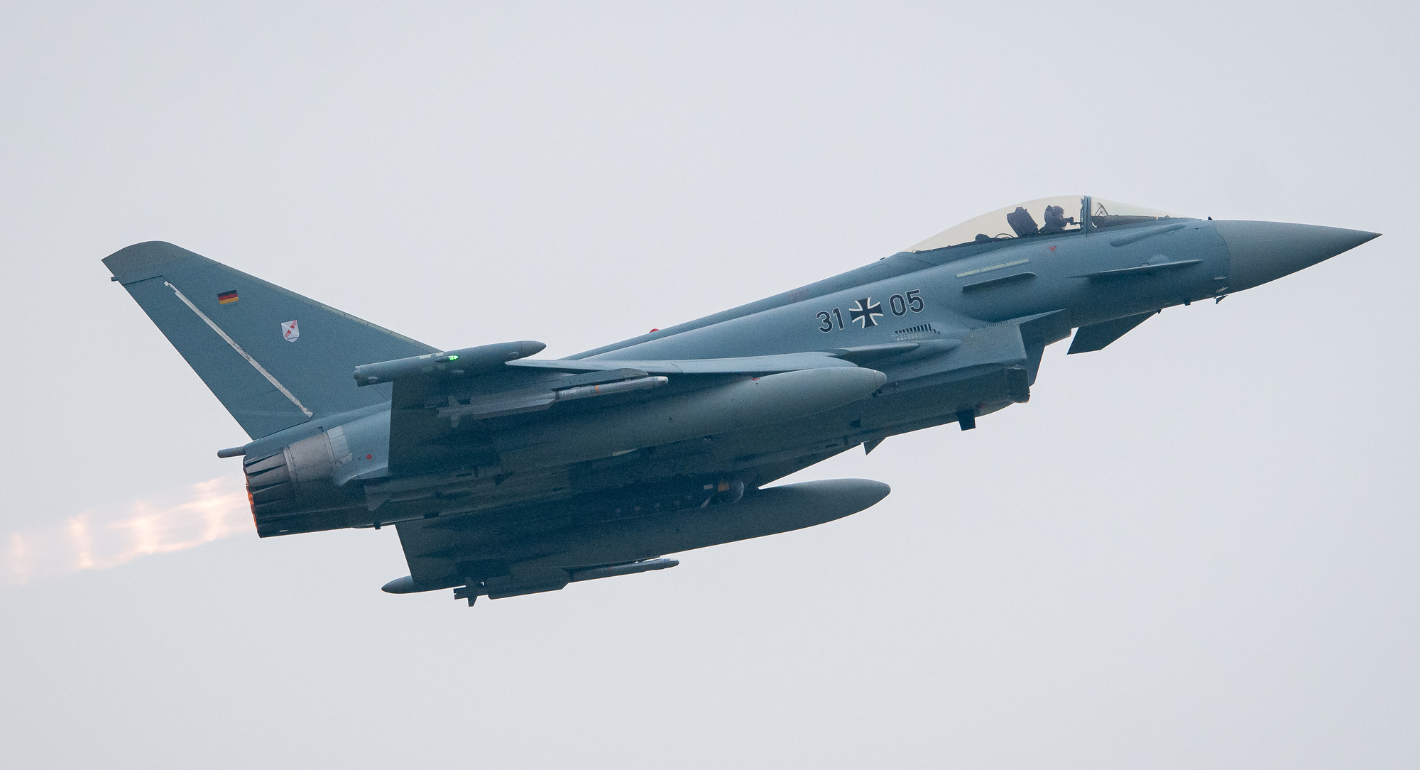
France and Germany’s failure to agree on the Future Combat Air System (FCAS) raises questions about European defense. Amid industrial rivalries and competing strategic cultures, what does the future of European military industrial projects look like?
Rym Momtaz, ed.