

Commentary
French President Emmanuel Macron has unveiled his country’s new nuclear doctrine. Are the changes he has made enough to reassure France’s European partners in the current geopolitical context?
Rym Momtaz, ed.
{
  "authors": [
    "Kathrin Hille"
  ],
  "type": "commentary",
  "blog": "Strategic Europe",
  "centerAffiliationAll": "",
  "centers": [
    "Carnegie Endowment for International Peace",
    "Carnegie Europe"
  ],
  "collections": [],
  "englishNewsletterAll": "",
  "nonEnglishNewsletterAll": "",
  "primaryCenter": "Carnegie Europe",
  "programAffiliation": "",
  "programs": [],
  "projects": [],
  "regions": [
    "Russia"
  ],
  "topics": [
    "Foreign Policy",
    "EU"
  ]
}
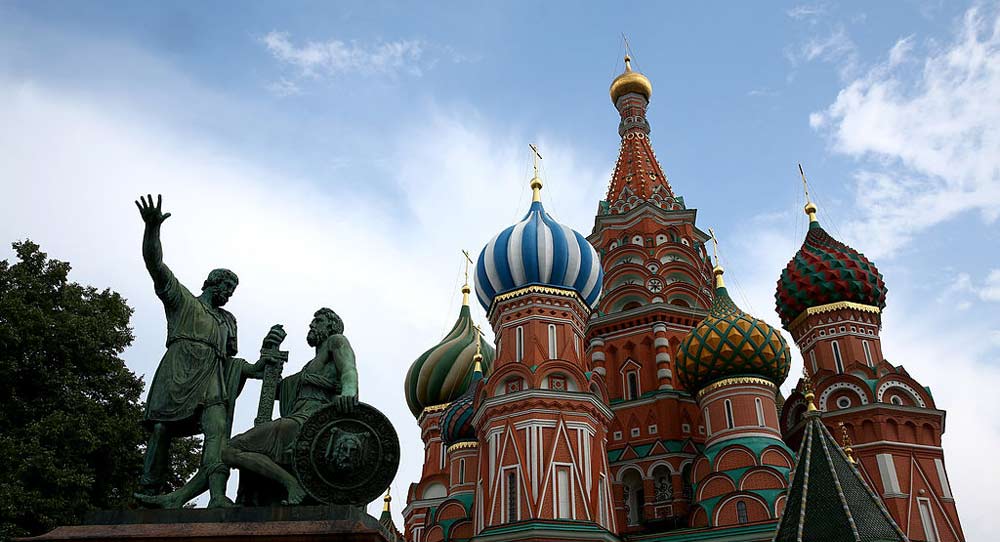
Source: Getty
Although they watch the upheaval in Europe with a sense of satisfaction, Russian officials are convinced that a collapse of the EU would not be in Moscow’s interest.
Strategic Europe continues its Capitals Series exploring how EU foreign policy is viewed by major non-European countries. We have asked each of our contributors to give a frank assessment of their country’s relations with the EU and rank five key issues in order of their importance in those relations. This week, the spotlight is on Russia.
*
Many Europeans living abroad cannot but watch their home countries with concern these days as Britain’s impending exit from the EU, terrorist attacks, U.S. President Donald Trump’s erratic attitude toward NATO, and the rise of populism across the continent raise the question of where the EU is heading.

Although Russian officials are careful not to voice open triumph at the challenges the EU is facing, many of them support the UK’s decision to leave the EU as a healthy assertion of national identity against an undemocratic, bureaucratic monster. The growing support for populist parties such as the Alternative for Germany (AfD) and France’s National Front are interpreted as the rightful rebellion of a popular will long surpressed and manipulated by a globalist elite that abandoned traditional beliefs for a set of postmodernist values. And the prospect of a weakening or even crumbling transatlantic security alliance is welcomed as an opportunity to extract Europe from servitude to the hegemonic United States and bring it back to the side of Russia.
As distorted as this perception seems to the European eye, it is very real for Russia’s political elite. The EU’s decision to join the United States in slapping sanctions on Russia for its annexation of Crimea in March 2014 and its stoking of separatist conflict in eastern Ukraine infuriated Russian President Vladimir Putin and many of those who staff his administration. While the Russian economy weathered the sanctions better than many in the West expected, thanks to prudent macroeconomic management, Russian politicians saw the measures as an act of political aggression.

The same sentiment is widespread in the broader population. This exceptionally destructive impact of the Ukraine crisis on Russia-EU relations is reflected in long-running opinion polls. According to the Levada Center, the country’s only independent pollster, the proportion of respondents who expressed an overall negative opinion of the United States exceeded those who had an overall positive view several times in the course of the past fifteen years. A majority with such negative feelings toward the EU appeared only in April 2014—the month after Moscow’s annexation of Crimea, when the EU joined the United States in sanctioning Russia. Negative sentiment toward the EU peaked at 71 percent in January 2015 and gradually sank back to 53 percent as of March 2017.
Although the Russian public’s attention on and emotional engagement in the Ukraine conflict is receding, Russia’s attitude toward the EU looks unlikely to return to the previous positive territory. Recent accusations of alleged Russian meddling in elections in France and Germany have already provided a new source of indignation in Moscow. Government officials and ordinary citizens are exasperated over what they say is deeply ingrained Russophobia, stoked by media they view as a propaganda tool of Western governments.
Moreover, exposed to a constant drumbeat of propaganda in state media, many Russians have adopted criticism of the EU that goes far beyond European capitals’ sanctions decisions. Echoing rhetoric embraced by Putin and reinforced by the growing influence of Orthodox Christian conservative circles, they believe that European societies are morally degraded and weakened and have lost their cultural identity.
Pointing to reports on Kremlin-controlled television, many Muscovites talk about the EU as a society in which sexual perverts count more than family values, violent migrants roam the streets raping and killing Europeans, and a corrupted political establishment leads the continent to economic and social ruin. Russia, compared with this image of terror, is a haven of strength and stability, and only by aligning with Russia will Europe have a better future.
This, of course, puts reality upside down. A glance at basic economic indicators shows that Russia needs the EU at least as much as the EU needs Russia. Despite toxic rhetoric, sanctions and countersanctions, and Russia’s proclaimed pivot to the East, the EU remains its most important economic partner by far. According to the Central Bank of Russia, almost three-quarters of Russia’s $405 billion in total inward foreign direct investment stock as of September 30, 2016, originated in EU countries. And even if you cut Cyprus, a conduit for the offshore holdings of many Russian investors, from the calculation, EU companies still account for two-thirds of all foreign investment in Russia.
In 2016, 43 percent of the country’s $471 billion in total foreign trade was with EU member countries. Natural gas, one of Russia’s most important commodities, accounted for the lion’s share of these exchanges: state-owned Gazprom supplies more than half of Russia’s exports to Europe.
Mindful of these close links, senior officials in Moscow are convinced that a collapse of the EU would not be in Russia’s interest. People in Putin’s inner circle believe that such a collapse would only help strengthen the United States, the country they see as Russia’s real geopolitical adversary. Moscow does, however, target the fissures in the EU as opportunities to grow its influence in the union.
Kathrin Hille is the Moscow bureau chief at the Financial Times.

Kathrin Hille
Carnegie does not take institutional positions on public policy issues; the views represented herein are those of the author(s) and do not necessarily reflect the views of Carnegie, its staff, or its trustees.
French President Emmanuel Macron has unveiled his country’s new nuclear doctrine. Are the changes he has made enough to reassure France’s European partners in the current geopolitical context?

Rym Momtaz, ed.
European reactions to the war in Iran have lost sight of wider political dynamics. The EU must position itself for the next phase of the crisis without giving up on its principles.

Richard Youngs
Europe isn’t as weak in the new geopolitics of power as many would believe. But to leverage its assets and claim a sphere of influence, Brussels must stop undercutting itself.

Dimitar Bechev
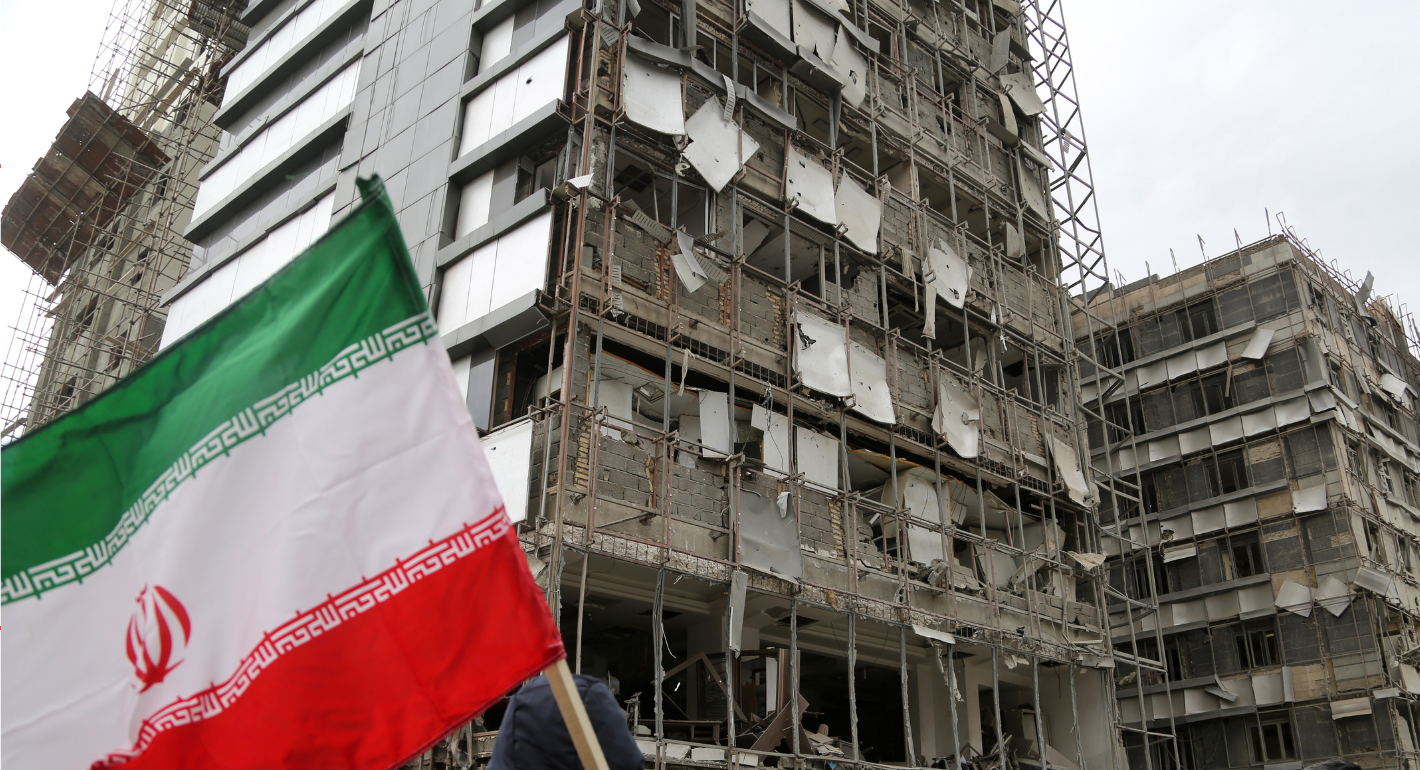
Europe’s reaction to the war in Iran has been disunited and meek, a far cry from its previously leading role in diplomacy with Tehran. To avoid being condemned to the sidelines while escalation continues, Brussels needs to stand up for international law.

Pierre Vimont
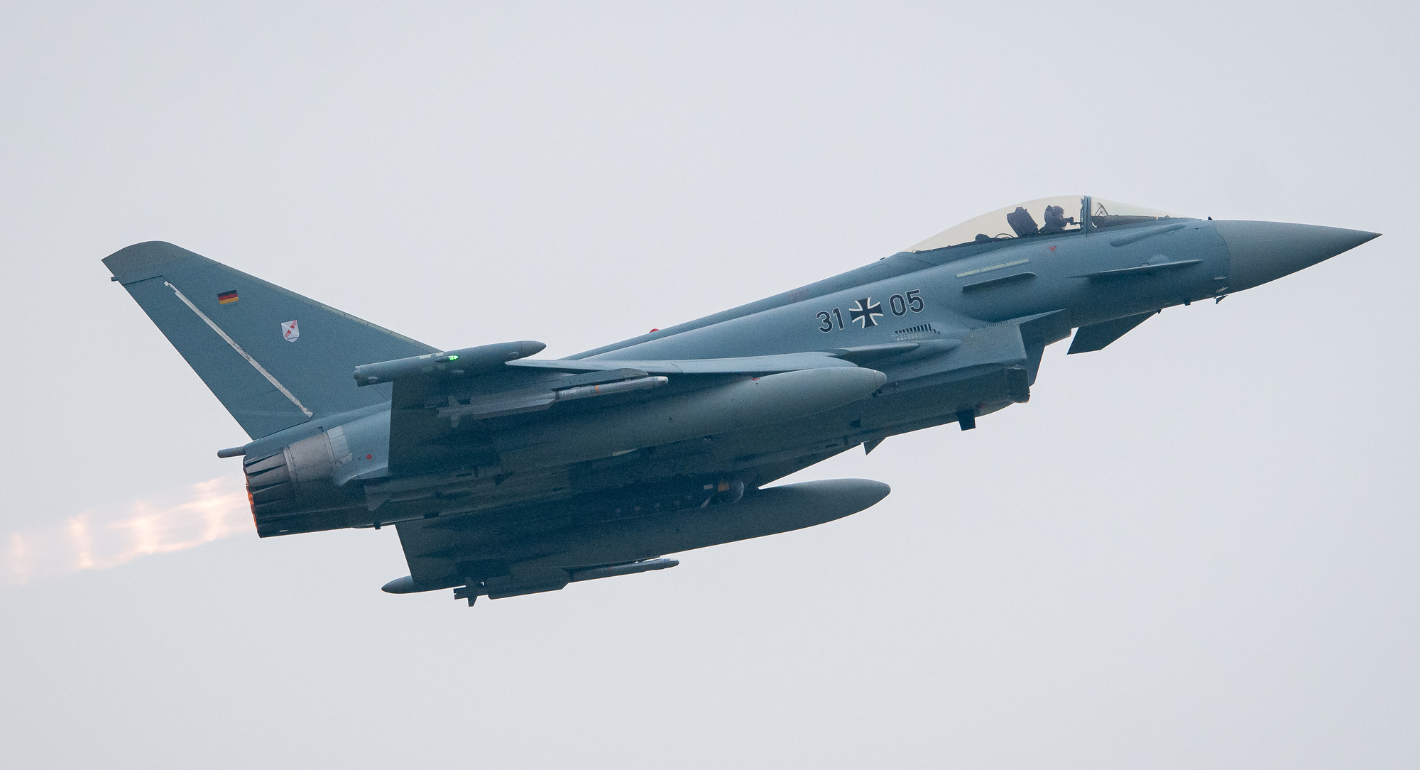
France and Germany’s failure to agree on the Future Combat Air System (FCAS) raises questions about European defense. Amid industrial rivalries and competing strategic cultures, what does the future of European military industrial projects look like?
Rym Momtaz, ed.