

Commentary
While the EU and European governments are embracing the much-lauded middle-power moment, this entails three difficult conundrums.
Richard Youngs
{
  "authors": [
    "Alexander Gabuev",
    "Judy Dempsey"
  ],
  "type": "commentary",
  "blog": "Strategic Europe",
  "centerAffiliationAll": "",
  "centers": [
    "Carnegie Endowment for International Peace",
    "Carnegie Europe"
  ],
  "collections": [
    "Europe’s Eastern Neighborhood",
    "Transatlantic Cooperation"
  ],
  "englishNewsletterAll": "",
  "nonEnglishNewsletterAll": "",
  "primaryCenter": "Carnegie Endowment for International Peace",
  "programAffiliation": "",
  "programs": [],
  "projects": [],
  "regions": [
    "Russia",
    "Europe"
  ],
  "topics": [
    "Security"
  ]
}
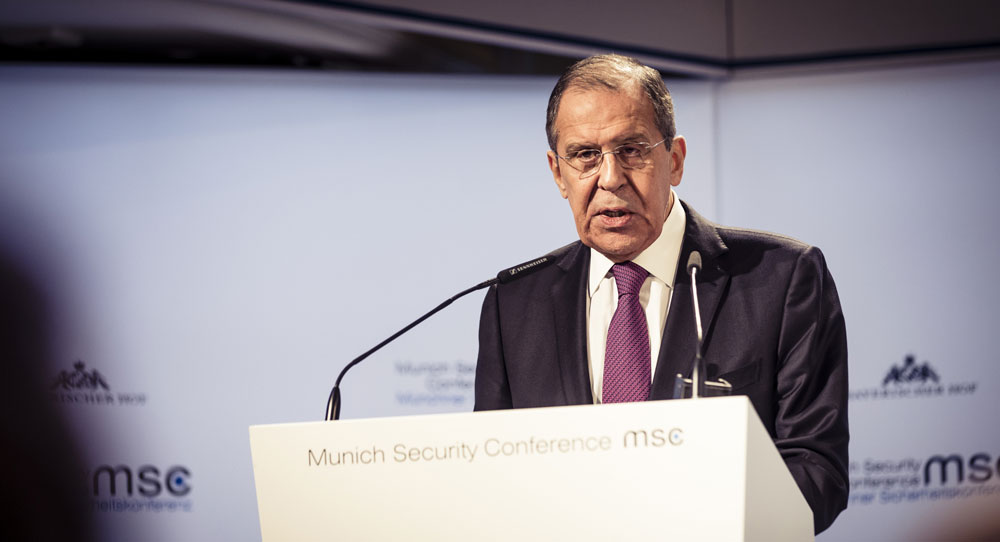
Source: Getty
In a time of transatlantic uncertainty, any further divergence between Europe and the United States becomes a net win for Russia.
Carnegie Europe is on the ground at the 2019 Munich Security Conference, offering readers exclusive access to the debates as they unfold and providing insights on today’s immense threats to international peace and stability.
***
In the margins of the 2019 Munich Security Conference, Judy Dempsey caught up with Alexander Gabuev, senior fellow and chair of the Russia in the Asia-Pacific Program at the Carnegie Moscow Center. They discussed Europe’s security architecture throughout a period of transatlantic uncertainty, Russia's relationship with a rising China, and the future of arms control.
Image source: MSC / Kuhlmann

Director, Carnegie Russia Eurasia Center
Alexander Gabuev is director of the Carnegie Russia Eurasia Center. Gabuev’s research is focused on Russian foreign policy with particular focus on the impact of the war in Ukraine and the Sino-Russia relationship. Since joining Carnegie in 2015, Gabuev has contributed commentary and analysis to a wide range of publications, including the Financial Times, the New York Times, the Wall Street Journal, and the Economist.

Nonresident Senior Fellow, Carnegie Europe
Judy Dempsey is a nonresident senior fellow at Carnegie Europe
While the EU and European governments are embracing the much-lauded middle-power moment, this entails three difficult conundrums.

Richard Youngs
Much has been said of the changes Brussels is trying to make to the EU enlargement process. Here’s why gradual integration might—or might not—be the answer.

Dimitar Bechev
The European Commissioner for Trade is headed to China. But after President Xi’s bridge-building visit to Washington, can a more isolated EU overcome Beijing’s stranglehold on critical raw materials? Who will blink first?

Rym Momtaz, ed.
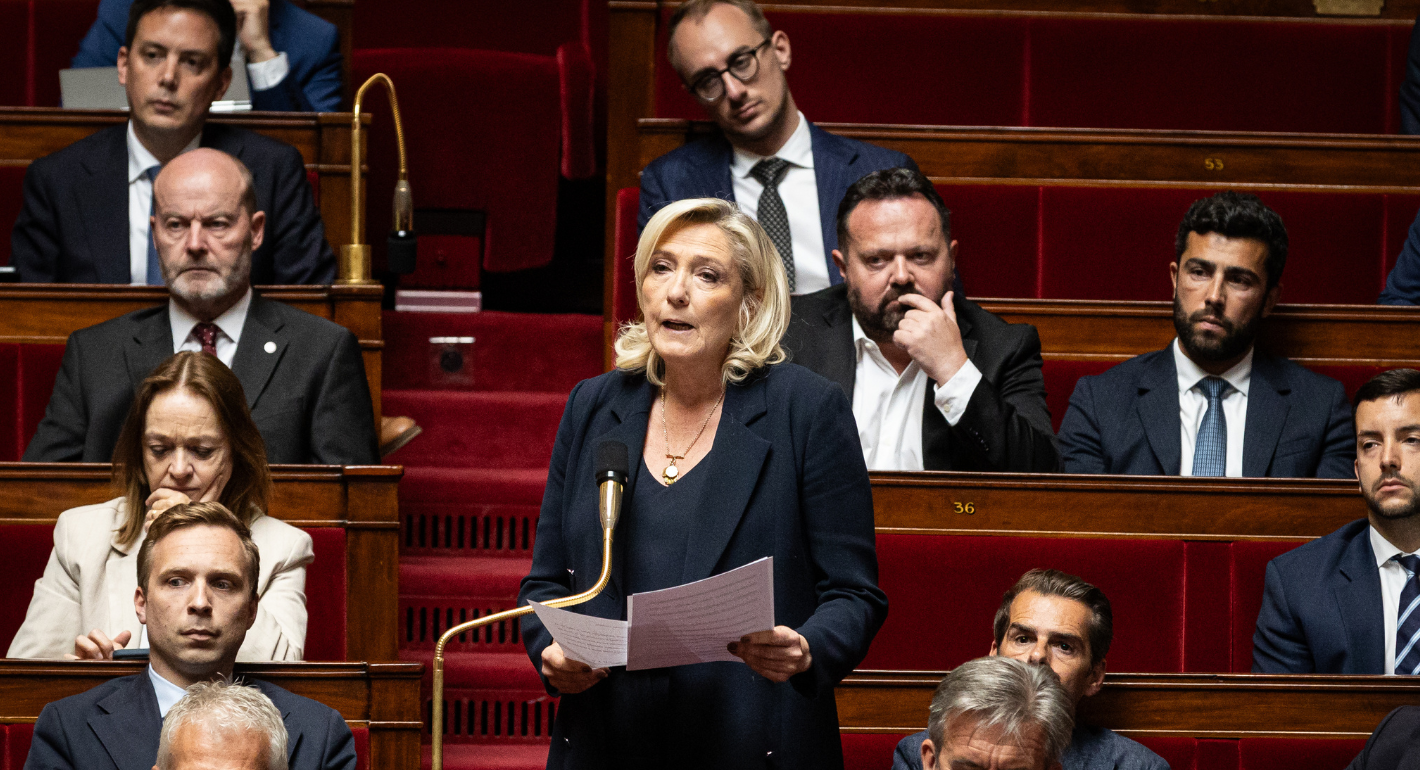
The domestic impacts of how long it is taking to end the war in Ukraine have pushed the French electorate to the political extremes and compromised the country’s diplomatic capacity.
Rym Momtaz
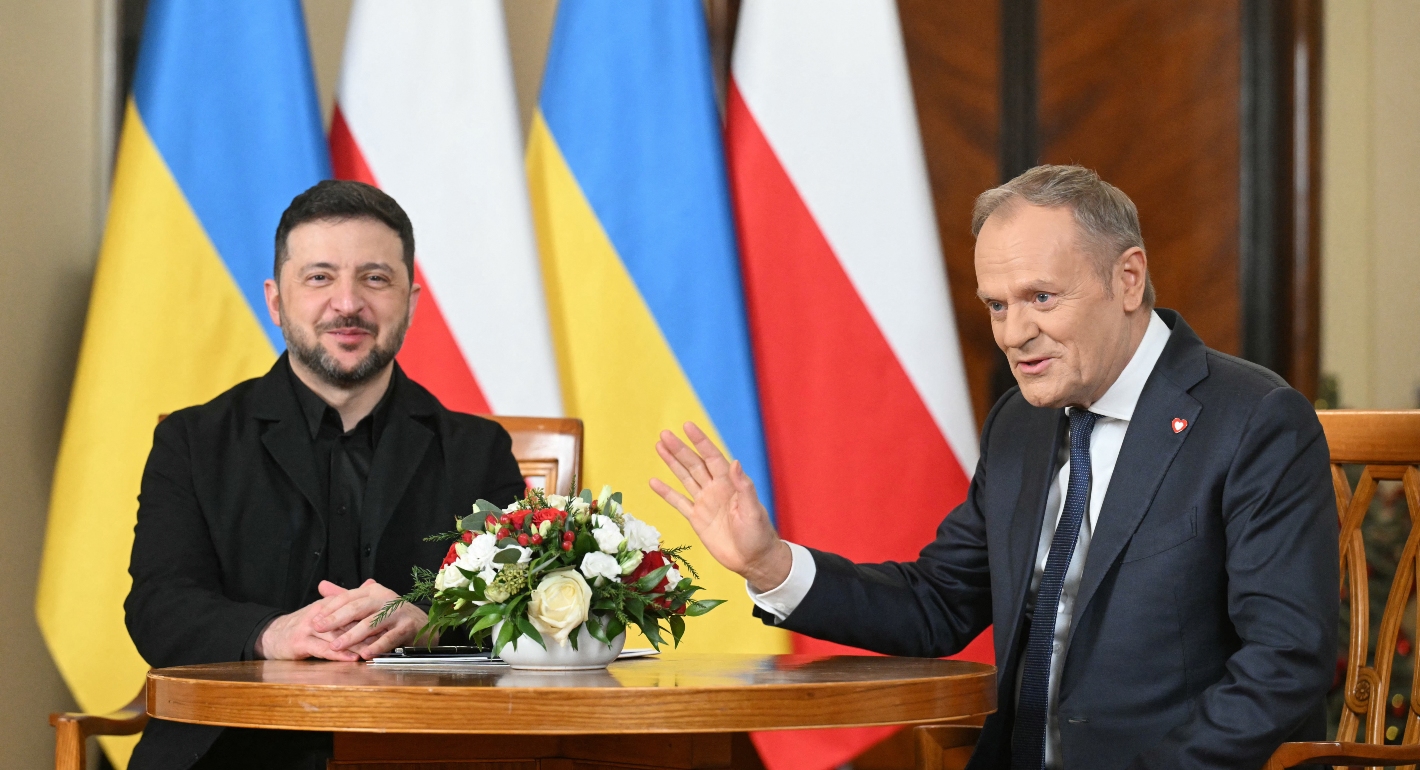
Before the next wave of EU enlargement takes place, the union needs to grapple with thorny questions of how power is distributed among its members.

Emil Sondaj Hansen, Ditte Brasso Sørensen