

Article
Stefan Lehne
{
  "authors": [
    "Stefan Lehne"
  ],
  "type": "commentary",
  "blog": "Strategic Europe",
  "centerAffiliationAll": "",
  "centers": [
    "Carnegie Endowment for International Peace",
    "Carnegie Europe"
  ],
  "englishNewsletterAll": "",
  "nonEnglishNewsletterAll": "",
  "primaryCenter": "Carnegie Europe",
  "programAffiliation": "",
  "programs": [],
  "projects": [],
  "regions": [
    "Central Europe",
    "Western Europe"
  ],
  "topics": [
    "Democracy",
    "Domestic Politics"
  ]
}
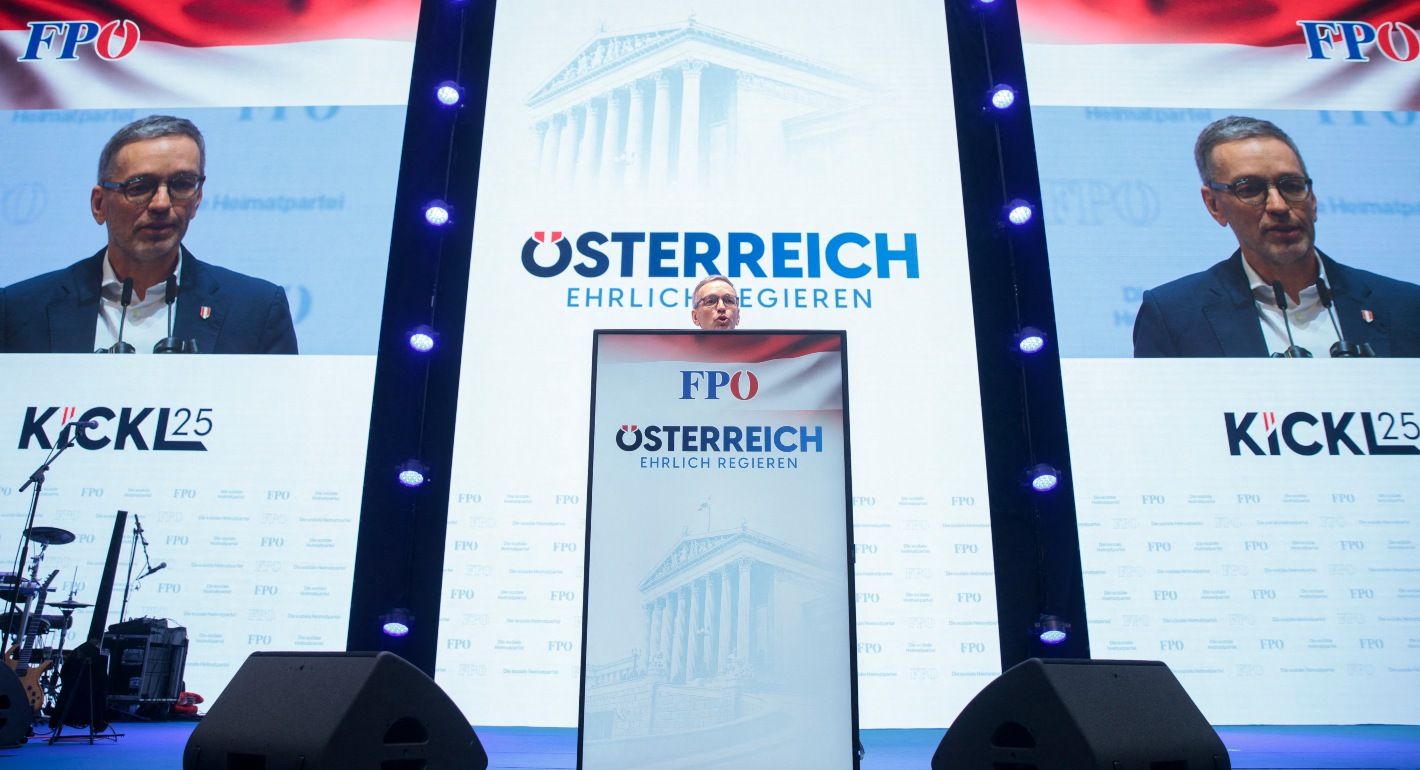
Source: Getty
Europe’s far right continues to gain ground as Austria edges toward an FPÖ-led coalition and the top contender for Germany’s chancellorship mirrors the AfD’s anti-immigration policies. To contain the far right, mainstream parties must focus on defending the core values of liberal democracy.
The far right in Europe is about to take two decisive steps forward. Herbert Kickl, the head of the FPÖ, appears about to become Austria’s chancellor and in Germany, AfD is succeeding in imposing its anti-migration policies on large parts of the German political mainstream.
In both cases—but in different ways—the firewalls that mainstream parties were trying to erect to keep the far right out of governing are crumbling.
In Austria’s case, the conservative Austrian People’s Party (ÖVP), like many other mainstream parties, adamantly rejected the idea of forming a government with Kickl’s FPÖ after the latter’s victory in the September 2024 elections. It claimed that Kickl had radicalized his party and constituted an unacceptable “security risk.”
Only three months later, after negotiations about an alternative coalition with the Social Democrats and the Liberals had broken down, the ÖVP changed course and entered into coalition talks with Kickl. As the FPÖ has already been in the national government twice in this century, the Austrian firewall was a rather artificial construction. In fact, the ÖVP’s rejection of Kickl as Austrian chancellor was partly also motivated by the hope of keeping this post for itself.
The ÖVP/FPÖ coalition is not yet a done deal. There are misgivings in parts of the ÖVP and its efforts to introduce guardrails for Austria’s future pro-EU course could still prevent an agreement. However, at this stage, a coalition led by Kickl is the most likely outcome.
This has repercussions at the EU level. A Chancellor Kickl would end Viktor Orbán’s isolation in the European Council. Together with Robert Fico of Slovakia, they could form a Euroskeptic alliance, which would be further reinforced, if—as is widely expected—Andrej Babiš wins the Czech parliamentary election this fall.
Such an alliance would hardly be able to realize Orbán’s vision of a “union of sovereign states,” where competencies are returned to member states and the European Commission’s powers are severely curtailed. However, it could block essential steps to strengthen the EU, such as collective investments to regain competitiveness, the deepening of the internal market, progress toward a capital markets union, and common defense. It could also severely hinder further support for Ukraine and frustrate any effort to develop a coherent European response to U.S. President Donald Trump’s “Make America Great Again” foreign policy.
Mainstream German parties are following the political developments in Austria with great attention. The leader of the Christian Democratic Union of Germany, Friedrich Merz, has called the coalition talks in Vienna a “disaster.” And indeed, the determination to keep the radical right out of government seems much more robust in Germany than in Austria. However, Merz’s firmness toward the AfD as a party does not extend to its illiberal policies. On the contrary, he is currently dismantling another firewall—the one between migration management based on EU legislation and international law on one hand, and the nationalistic, anti-immigration agenda of the AfD on the other.
In response to a horrific attack by a mentally ill Afghan man, Merz has proposed a drastically more restrictive migration and asylum policy, which would have severe consequences for people seeking protection. Among other measures, these proposals include permanently controlling Germany’s borders—in contravention of Schengen—and pushing back asylum seekers at the border, which many experts consider a violation of EU and international law. One of Merz’s parliamentary motions was adopted only due to the votes of the AfD, another breach of a long-standing taboos in German politics.
Merz’s action follows a well-known pattern. Center-right parties are often tempted to mimic policies of their right-wing competitors in the hopes of containing their success. As an electoral strategy, this frequently backfires and ultimately favors the far-right parties. Mainstream electors mostly see such maneuvers as legitimizing the far right, which turns them away from their traditional parties, while those who support these far-right policies prefer to vote for the original rather than the copy.
Friedrich Merz still has the best chances to become the next chancellor of Germany. If he wins, he intends to take on an active leadership role in the EU. Canceling part of the EU’s hard-won legislative framework on migration and asylum, and opting for highly restrictive national solutions seems an odd way to start.
Whether, as in Austria, mainstream politicians embrace far-right parties or whether, as in Germany, they embrace their policies, the result is always a weakening of the liberal democracy that has underpinned Europe’s security and prosperity for decades.
Austria and Germany are just two of many countries struggling to deal with the rise of the far right. Across the continent, mainstream politicians are kept awake at night by such worries. Pressure from outside, such as tech billionaire Elon Musk’s appearance at AfD rallies or Russian-influenced TikTok campaigns in Romania, complicates the situation further.
There is no silver bullet to deal with this challenge.
Building firewalls can be a useful strategy to keep far-right parties away from the levers of power, but as their presence in seven EU governments shows, this is not always a viable approach. A relentless focus on providing concrete solutions that address populations’ real concerns while remaining steadfast in defending the principles of democracy and the rule of law is surely the best approach.
With very few exceptions, far-right parties still represent a minority of the electorate. The center can still hold, but only if liberal politicians ramp up their efforts to keep it together.

Senior Fellow, Carnegie Europe
Stefan Lehne is a senior fellow at Carnegie Europe in Brussels, where his research focuses on the post–Lisbon Treaty development of the European Union’s foreign policy, with a specific focus on relations between the EU and member states.
Recent Work
Stefan Lehne
Stefan Lehne
Carnegie does not take institutional positions on public policy issues; the views represented herein are those of the author(s) and do not necessarily reflect the views of Carnegie, its staff, or its trustees.

An overwhelming victory by a far-right-wing party in a small state in eastern Germany will have major repercussions for Chancellor Friedrich Merz’s coalition.

Judy Dempsey

In supporting Europe’s far-right, MAGA and Russia both want the same thing: a weaker EU. Europe must defend itself without abandoning the openness these forces exploit.

Armida van Rij

As we close out another season of Strategic Europe, it is worth taking stock of the deep shifts underway.

Rym Momtaz
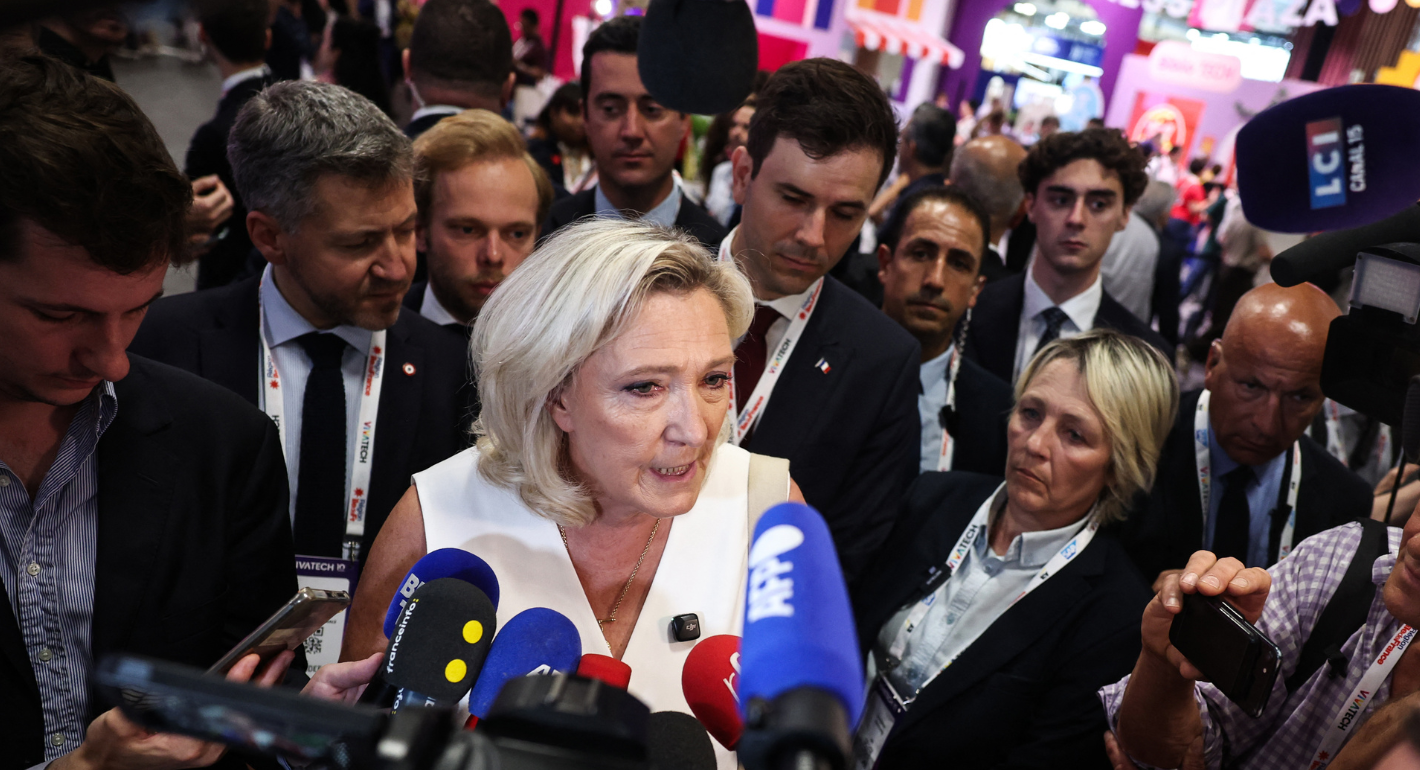
Far-right leader Marine Le Pen can—and will—run in France’s next presidential election. What does the outcome of her appeal against a 2025 embezzlement conviction mean for the country’s political future?
Catherine Fieschi
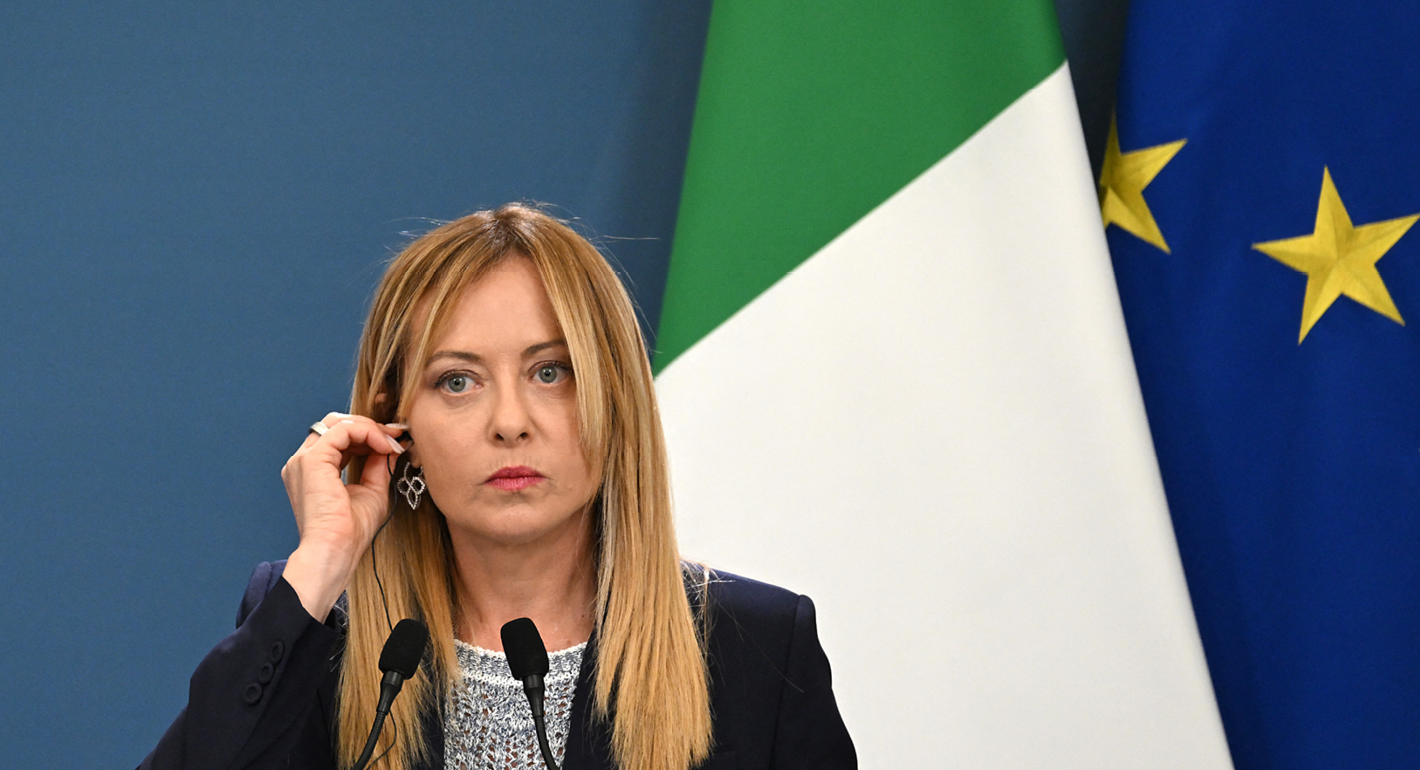
When Giorgia Meloni very publicly rebuked Donald Trump’s disparaging remarks about her, it surprised many who saw her as a European extension of Trumpism. Is the spat a sign of trouble in the radical right’s transatlantic axis?
Rym Momtaz, ed.