

{
  "authors": [
    "Toby Dalton",
    "Togzhan Kassenova",
    "Debak Das",
    "Mariana Plum",
    "Tong Zhao",
    "Adam Scheinman"
  ],
  "type": "event",
  "centerAffiliationAll": "dc",
  "centers": [
    "Carnegie Endowment for International Peace"
  ],
  "collections": [],
  "englishNewsletterAll": "ctw",
  "nonEnglishNewsletterAll": "",
  "primaryCenter": "Carnegie Endowment for International Peace",
  "programAffiliation": "NPP",
  "programs": [
    "Nuclear Policy"
  ],
  "projects": [],
  "regions": [
    "North America",
    "United States",
    "South America",
    "South Asia",
    "India",
    "Pakistan",
    "East Asia",
    "China",
    "Middle East",
    "Iran",
    "Afghanistan",
    "Caucasus",
    "Russia"
  ],
  "topics": [
    "Nuclear Policy",
    "Arms Control",
    "Security"
  ]
}
The Evolution of the Nuclear Order: A Global Perspective
Mon, June 6th, 2016
Washington, DC
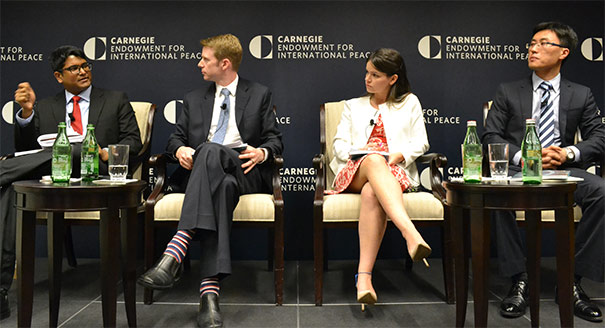
Tensions in the global nuclear order are rising. The sources are many, including disagreement among states about disarmament and nonproliferation priorities, regional insecurity that both contributes to proliferation concerns and increases the salience of nuclear deterrence, disenchantment about the lack of progress toward disarmament, and questions about integrating nuclear outlier states into the order. The new Carnegie report Perspectives on the Evolving Nuclear Order asks what role ‘middle ground,’ or emerging, nuclear states—particularly Argentina, Brazil, China, India, and Pakistan—will play in the global debate on these issues.
Debak Das, Mariana Nascimento Plum, and Tong Zhao discussed Indian, Brazilian, and Chinese views on the nuclear order. Carnegie’s Toby Dalton moderated. Immediately following, Adam Scheinman commented on themes presented in the first panel in the context of his experience leading the U.S. delegation to the 2015 Nuclear Nonproliferation Treaty (NPT) Review Conference. Carnegie’s Togzhan Kassenova moderated.
AGENDA
2:30 to 3:00 p.m.
Registration and Seating
3:00 to 4:15 p.m.
Perspectives From India, Brazil and China on the State of the Nuclear Order
Debak Das, Mariana Nascimento Plum, Tong Zhao
Moderator: Toby Dalton
4:15 to 5:00 p.m.
An Evolving Nuclear Order? Observations From an NPT Ambassador
Adam Scheinman
Moderator: Togzhan Kassenova
PARTICIPANTS
Debak Das
Debak Das is pursuing his PhD in political science in Cornell University’s Department of Government.
Mariana Nascimento Plum
Mariana Nascimento Plum is a research coordinator at the Brazilian Army Strategic Studies Center.
Tong Zhao
Tong Zhao is an associate in the Nuclear Policy Program at the Carnegie-Tsinghua Center for Global Policy in Beijing.
Adam M. Scheinman
Adam M. Scheinman is special representative of the president for Nuclear Nonproliferation in the Bureau of International Security and Nonproliferation at the U.S. Department of State.
Toby Dalton
Toby Dalton is co-director of the Nuclear Policy Program at the Carnegie Endowment for International Peace.
Togzhan Kassenova
Togzhan Kassenova is an associate in the Nuclear Policy Program at the Carnegie Endowment for International Peace.
Carnegie India does not take institutional positions on public policy issues; the views represented herein are those of the author(s) and do not necessarily reflect the views of Carnegie, its staff, or its trustees.
Event Speakers
Senior Fellow and Co-director, Nuclear Policy Program

Toby Dalton is a senior fellow and co-director of the Nuclear Policy Program at the Carnegie Endowment. An expert on nonproliferation and nuclear energy, his work addresses regional security challenges and the evolution of the global nuclear order.
Nonresident Fellow, Nuclear Policy Program
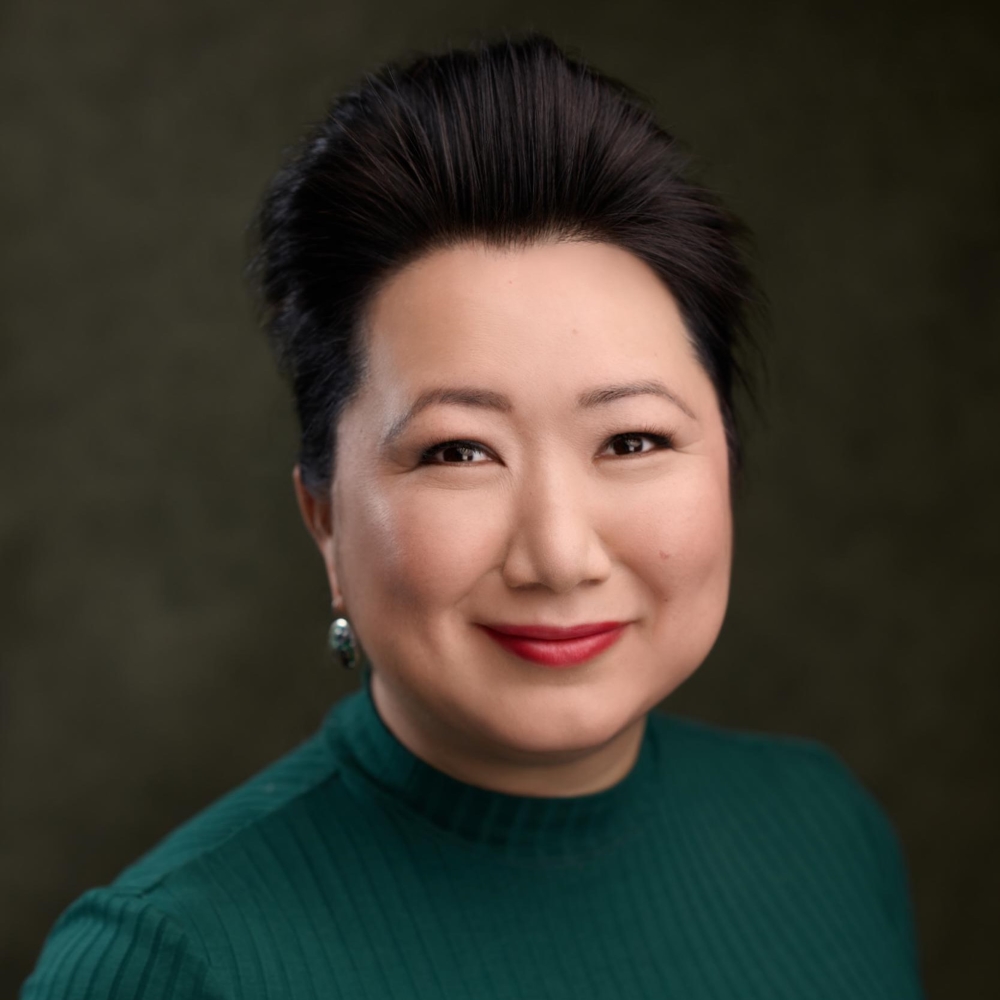
Kassenova is a nonresident fellow in the Nuclear Policy Program at the Carnegie Endowment.
Debak Das
Assistant Professor, University of Denver
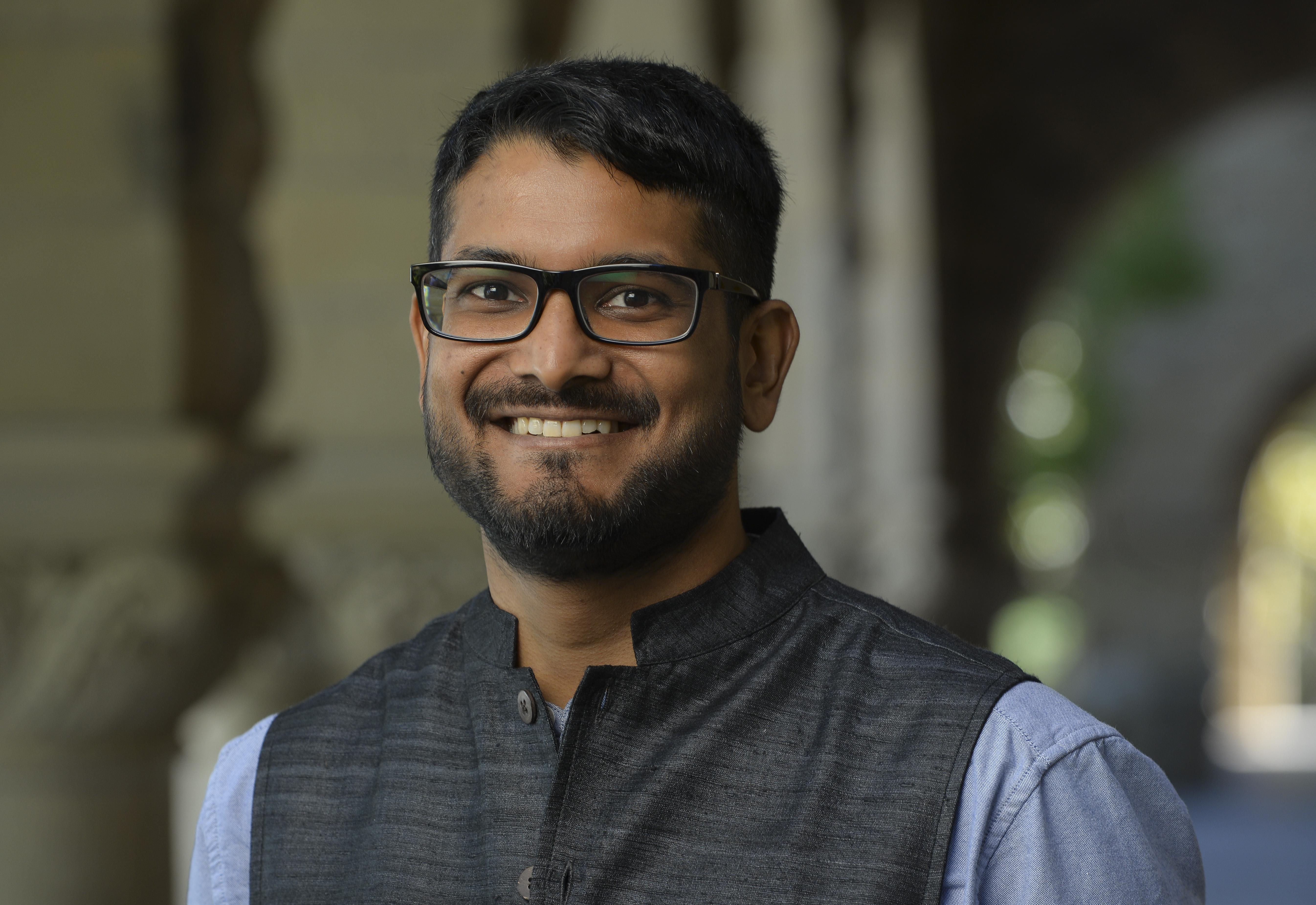
Debak Das is an assistant professor at the Josef Korbel School of Global and Public Affairs at the University of Denver. Previously, he held pre- & post-doctoral fellowships at the Center for International Security and Cooperation at Stanford University.
Mariana Plum
Senior Fellow with the Nuclear Policy Program and Carnegie China

Tong Zhao is a senior fellow with the Nuclear Policy Program and Carnegie China, Carnegie’s East Asia-based research center on contemporary China. Formerly based in Beijing, he now conducts research in Washington on strategic security issues.
Adam Scheinman