• Research
  • About
  • Experts
Carnegie India logoCarnegie lettermark logo
AI
{
  "authors": [
    "Alexey Malashenko"
  ],
  "type": "other",
  "centerAffiliationAll": "",
  "centers": [
    "Carnegie Endowment for International Peace",
    "Carnegie Russia Eurasia Center"
  ],
  "collections": [],
  "englishNewsletterAll": "",
  "nonEnglishNewsletterAll": "",
  "primaryCenter": "Carnegie Russia Eurasia Center",
  "programAffiliation": "",
  "programs": [],
  "projects": [],
  "regions": [
    "Caucasus",
    "Russia"
  ],
  "topics": [
    "Political Reform",
    "Domestic Politics"
  ]
}
Source: Getty

Other
Carnegie Russia Eurasia Center

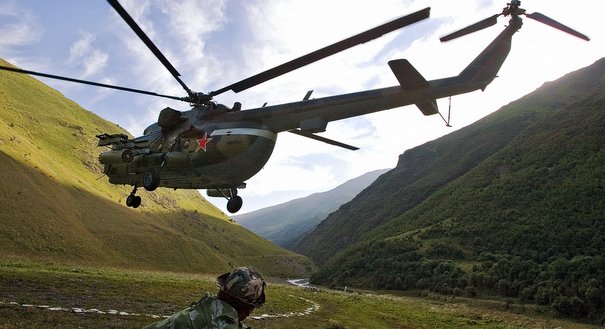
Losing the Caucasus

Despite the official end of Russia’s counter-terrorist operation in Chechnya, armed clashes and terrorist attacks continue to plague North Caucasus. Open conflict is on the verge of becoming inevitable.

Link Copied
By Alexey Malashenko
Published on Aug 26, 2009

Despite the official end of Russia’s counter-terrorist operation in Chechnya, armed clashes and terrorist attacks continue to plague the region. Open conflict in Russia’s North Caucasus is on the verge of becoming inevitable, warns Alexey Malashenko.

Malashenko identifies a number of factors that contribute to rising tensions:
  • Economic: Growing inequality and unemployment.
     
  • Ethnic: Competing clan interests and disputed borders between and within republics.
     
  • Societal: Rampant corruption and the increasing divide between the ruling elites and the general public.
The federal authorities have achieved some results over the last decade, namely ending the war in Chechnya and replacing a number of unpopular regional leaders with new faces. “As a result,” Malashenko writes, “the federal authorities have managed to achieve at least a fragile peace by offering the local elites an implicit agreement that can be summed up as follows: you give us your loyalty and obedience, and we will not meddle in the way you run your internal affairs.”
 
But Moscow’s policies and approaches have also brought continued instability and permanent political crisis, diminished political institutions and parties, an exaggerated emphasis on the power of individual leaders and a reliance on force, all of which threaten constantly to spin violently out of control. “The authorities’ biggest failure has been in institutionalizing instability,” Malashenko writes.
 
Looking forward, Malashenko explains that, while the North Caucasus will remain within Russia’s territory, they will continue to slip out of Moscow’s control. “It is not possible to resolve the problems of the North Caucasus overnight,” he writes. “Moscow can endlessly shuffle presidents, ‘wipe out’ extremists, threaten those guilty of corruption, and pour billions of rubles of federal money into the region. The North Caucasus remains part of Russia with all of its problems and woes, and with its own power vertical that imitates, after a fashion, the power structure devised by Moscow.”

About the Author

Alexey Malashenko

Former Scholar in Residence, Religion, Society, and Security Program

Malashenko is a former chair of the Carnegie Moscow Center’s Religion, Society, and Security Program.

    Recent Work

  • Commentary
    What Will Uzbekistan’s New President Do?

      Alexey Malashenko

  • Commentary
    Preserving the Calm in Russia’s Muslim Community

      Alexey Malashenko

Alexey Malashenko
Former Scholar in Residence, Religion, Society, and Security Program
Alexey Malashenko
Political ReformDomestic PoliticsCaucasusRussia

Carnegie India does not take institutional positions on public policy issues; the views represented herein are those of the author(s) and do not necessarily reflect the views of Carnegie, its staff, or its trustees.
More Work from Carnegie India

  • Commentary
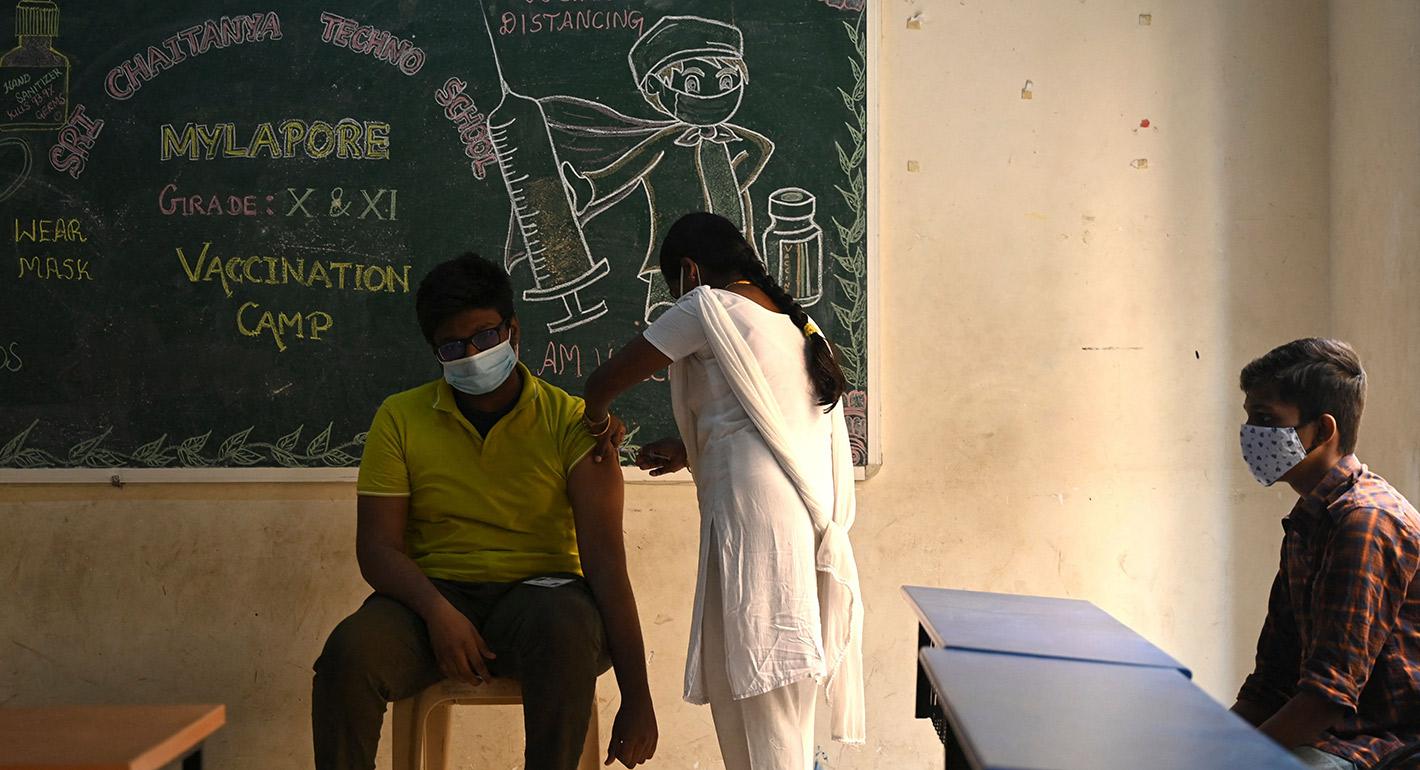
    Combating Vaccine Hesitancy in India

    Unless the government can up its communications game, anti-vax movements could prolong India’s pandemic effects.

      Shruti Sharma
  • Commentary
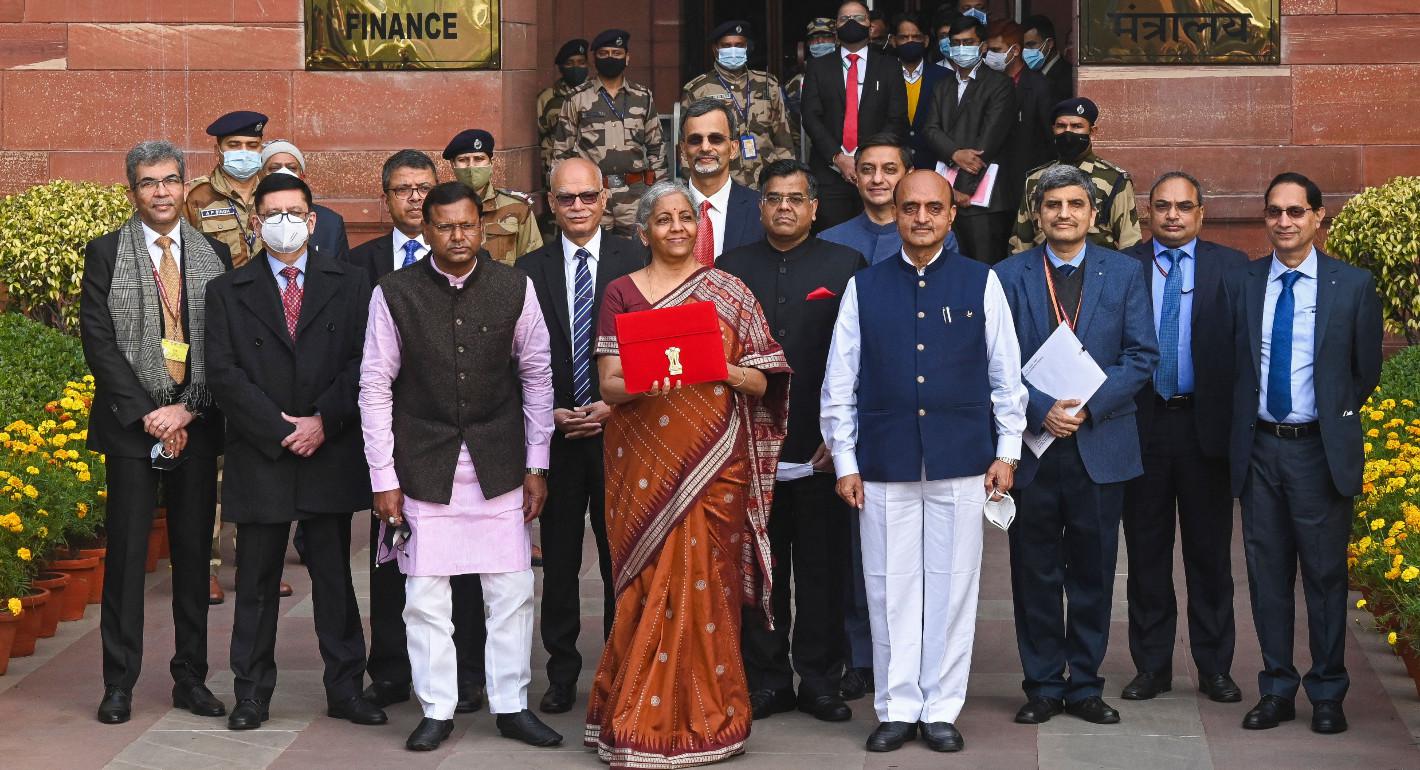
    India’s New Budget Reveals a Shift in Fiscal Strategy

    The proposal aims to produce high and sustained growth to get the country back on track after slowdowns that preceded the coronavirus pandemic.
      Suyash Rai
  • Commentary
    How India Can Take a Strategic Approach to Data Protection

    India’s proposed data protection law would create an enormous task for the new agency formed to regulate it. Given stretched resources, the new Data Protection Authority should take a strategic approach.

      Shivangi Tyagi
  • Commentary
    To Friends in the United States: Facilitate Global Vaccine Manufacturing

    The COVID-19 crisis in India is devastating. The Biden administration must consider exceptions to the Defense Production Act and ease the global vaccine supply chain.

      • +2

      Arvind Gupta, Rudra Chaudhuri, Harsh Pant, …
  • Paper
    India’s Sustained Economic Recovery Will Require Changes to Its Bankruptcy Law

    As India’s economy recovers from the coronavirus pandemic, Indian businesses need efficient financial structures to regain their ground. Key reforms to India’s Insolvency and Bankruptcy Code could fill these gaps.

      Anirudh Burman

Get more news and analysis from
Carnegie India
Carnegie India logo, white
Unit C-4, 5, 6, EdenparkShaheed Jeet Singh MargNew Delhi – 110016, IndiaPhone: 011-40078687
  • Research
  • About
  • Experts
  • Projects
  • Events
  • Contact
  • Careers
  • Privacy
  • For Media
Get more news and analysis from
Carnegie India
© 2026 Carnegie Endowment for International Peace. All rights reserved.