

In The Media
Martha Brill Olcott
{
  "authors": [
    "Martha Brill Olcott"
  ],
  "type": "legacyinthemedia",
  "centerAffiliationAll": "dc",
  "centers": [
    "Carnegie Endowment for International Peace",
    "Carnegie Russia Eurasia Center"
  ],
  "collections": [],
  "englishNewsletterAll": "ctw",
  "nonEnglishNewsletterAll": "",
  "primaryCenter": "Carnegie Endowment for International Peace",
  "programAffiliation": "russia",
  "programs": [
    "Russia and Eurasia"
  ],
  "projects": [
    "Eurasia in Transition"
  ],
  "regions": [
    "North America",
    "United States",
    "South Asia",
    "Afghanistan",
    "Pakistan",
    "Central Asia",
    "Kazakhstan",
    "Kyrgyz Republic",
    "Tajikistan",
    "Turkmenistan",
    "Uzbekistan"
  ],
  "topics": [
    "Political Reform",
    "Democracy",
    "Economy",
    "Security",
    "Military",
    "Foreign Policy"
  ]
}
Source: Getty
While the U.S.-led NATO operations in Afghanistan have resulted in somewhat enhanced security capacity for Central Asian countries, their long-term security challenges seem to be increasing, given the current situation in Afghanistan and the growing instability of Pakistan.
Source: Norwegian Peacebuilding Centre Policy Brief

While the US-led NATO operations in Afghanistan have resulted in somewhat enhanced security capacity in the Central Asian countries, most projects designed to strengthen the regional economy remain on the drawing board. In fact, the long-term security challenges faced by the Central Asian states seem to be increasing, given the current situation in Afghanistan and the growing instability of Pakistan.
As public pressure mounts in the US and in Europe to wind down their military involvement in Afghanistan, and to find other ways to protect their populations from the risks posed by al-Qaeda, Central Asian elites are left pondering how best to protect their own populations, in view of the limited regional, multilateral or bilateral assistance on offer.
Nato withdrawal would be very damaging for the Central Asian states and would greatly exacerbate the deteriorating economic and security conditions in some of these countries. Aid from the West is badly needed; however, in the past Western funding for projects in Central Asia has often fallen short. Given the financial climate, the current emphasis on smaller bilateral exchanges and cross-border production of electricity should be encouraged.
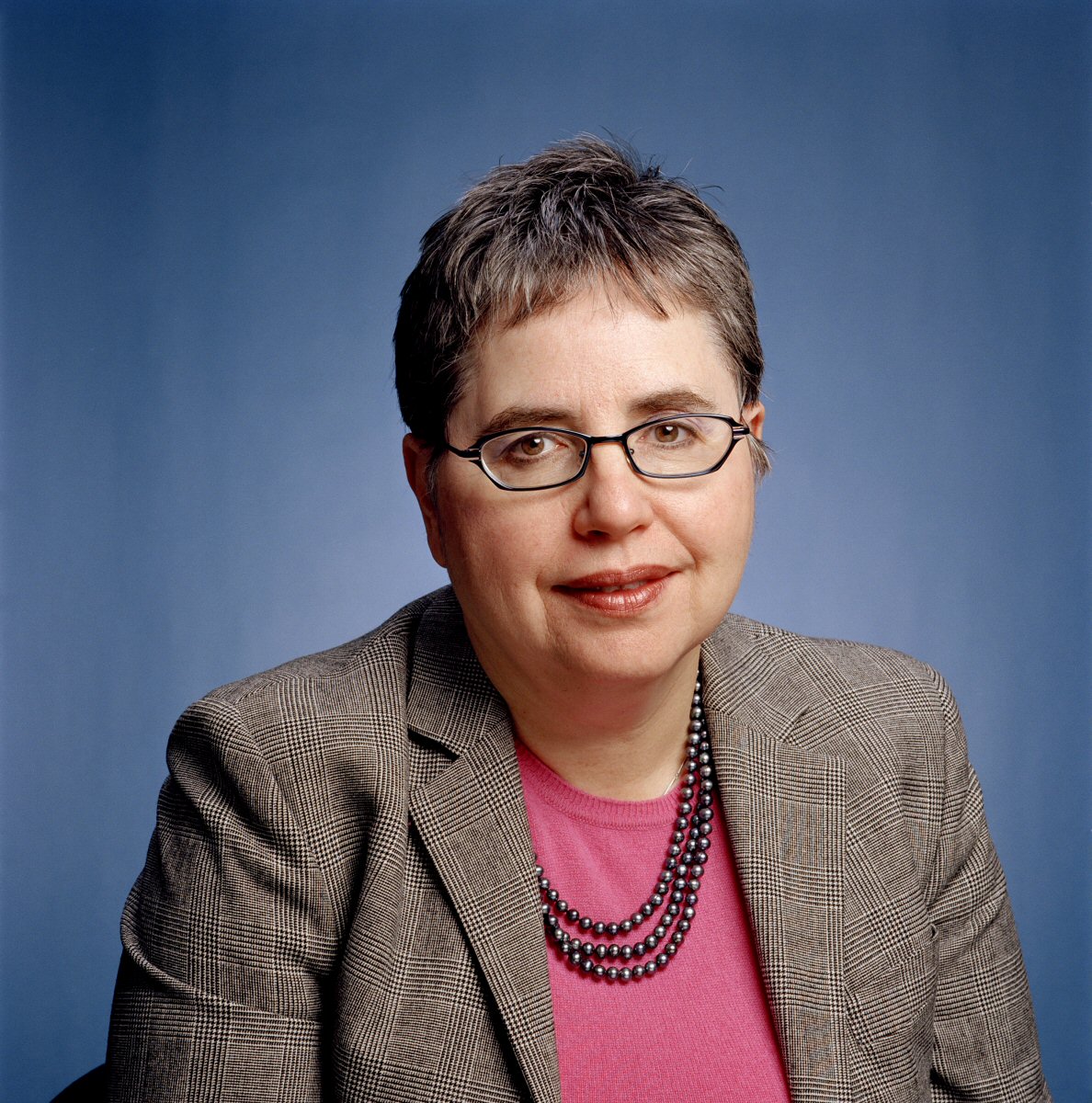
Former Senior Associate, Russia and Eurasia Program and, Co-director, al-Farabi Carnegie Program on Central Asia
Olcott is professor emerita at Colgate University, having taught political science there from 1974 to 2002. Prior to her work at the endowment, Olcott served as a special consultant to former secretary of state Lawrence Eagleburger.
Recent Work
Martha Brill Olcott
Martha Brill Olcott
Carnegie India does not take institutional positions on public policy issues; the views represented herein are those of the author(s) and do not necessarily reflect the views of Carnegie, its staff, or its trustees.

In any defense establishment, change is an ongoing process. However, despite the best of intentions, existing bureaucracies, bound by habit and years of socialization, have their limits in implementing transformative change.

Anit Mukherjee

How is AI reshaping space security, creating governance challenges, and where does international diplomacy stand today?


Tejas Bharadwaj, Almudena Azcárate Ortega

After the chill in ties between 2020 and 2024 that brought India–China relations to their lowest point in several decades, the two countries have engaged each other afresh. This paper argues that there are predominantly four imperatives guiding India’s approach to China, and they exist in an order of priority.

Saheb Singh Chadha

This piece argues that India’s central challenge is not managing a single flashpoint but resolving the underlying tension between expansion and institutional coherency of the BRICS grouping.

Vrinda Sahai

A partnership between India, a country of subcontinental size, and Africa, a continent of fifty-four countries, may seem asymmetric until one notes that both are home to nearly the same number of people—1.4 billion. This essay spells out the existing challenges to the partnership, its optimal potential, and the possible pathways to realize it over the next quarter-century.

Rajiv Bhatia