

Commentary
Reconciliation councils are emerging throughout the country to mediate in intracommunal disputes, many from the war years.
Natacha Danon
{
  "authors": [
    "Ghida Tayara"
  ],
  "type": "commentary",
  "blog": "Diwan",
  "centerAffiliationAll": "dc",
  "centers": [
    "Carnegie Endowment for International Peace",
    "Malcolm H. Kerr Carnegie Middle East Center"
  ],
  "collections": [],
  "englishNewsletterAll": "menaTransitions",
  "nonEnglishNewsletterAll": "",
  "primaryCenter": "Malcolm H. Kerr Carnegie Middle East Center",
  "programAffiliation": "MEP",
  "programs": [
    "Middle East"
  ],
  "projects": [],
  "regions": [
    "Levant",
    "Lebanon",
    "Middle East",
    "Caucasus",
    "Armenia",
    "Central Asia"
  ],
  "topics": [
    "Civil Society"
  ]
}
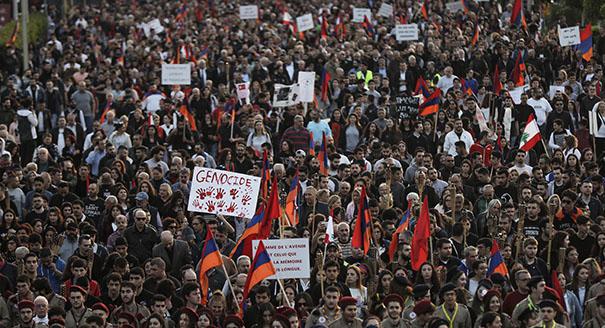
Source: Getty
Araz Bedross discusses her campaign in Lebanon to push for legislation commemorating the Armenian Genocide.
Araz Bedross is a program assistant at the Carnegie Middle East Center in Beirut. Recently, she succeeded in persuading Lebanese parliamentarians to present draft legislation to parliament that would set aside April 24 as a day to commemorate the Armenian Genocide of 1915, as well as other cases of mass deaths that have occurred in the region. Bedross’ efforts were complicated by the fact that there is an increasingly vocal pro-Turkish constituency in Lebanon that has actively sought to oppose Armenian efforts to commemorate their genocide. Diwan interviewed Bedross in late July to ask her about her campaign, those who tried to derail it, and what her expectations were for the legislation she helped to push in parliament.
Ghida Tayara
Senior Digital and Web Coordinator
Carnegie does not take institutional positions on public policy issues; the views represented herein are those of the author(s) and do not necessarily reflect the views of Carnegie, its staff, or its trustees.
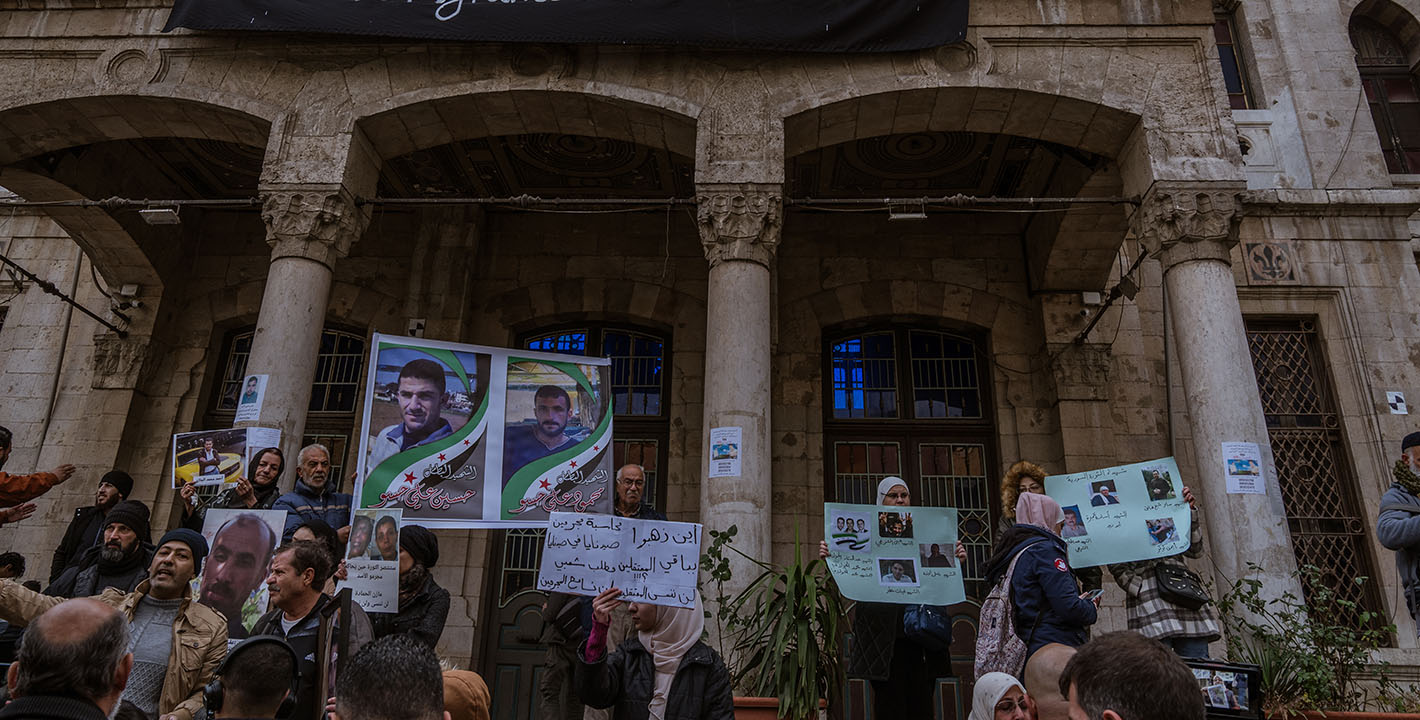
Reconciliation councils are emerging throughout the country to mediate in intracommunal disputes, many from the war years.
Natacha Danon
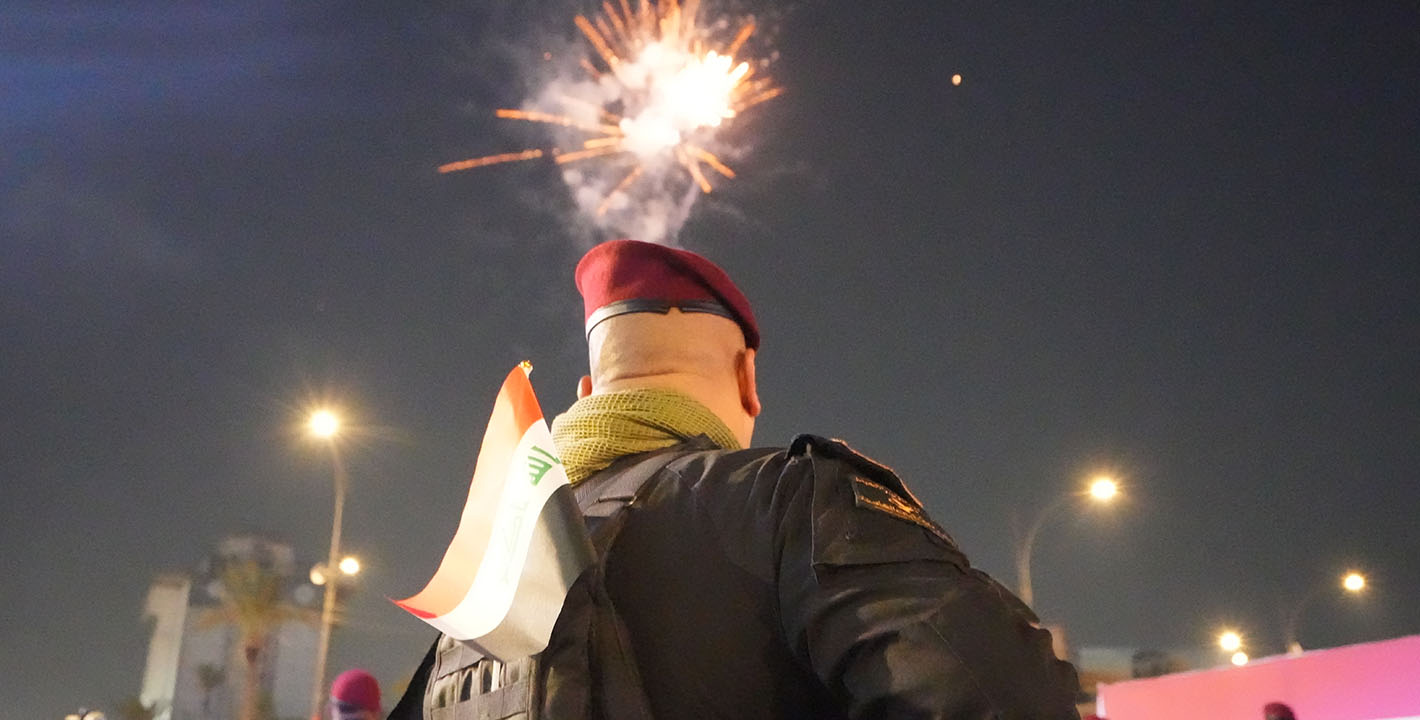
As the U.S.-led Coalition withdraws, the Kurds’ reliance on Baghdad, and on themselves, will only increase.
Wladimir van Wilgenburg

As the U.S. stumbles in its war with Iran, we are likely to see an acceleration of its disengagement from the region.

Michael Young
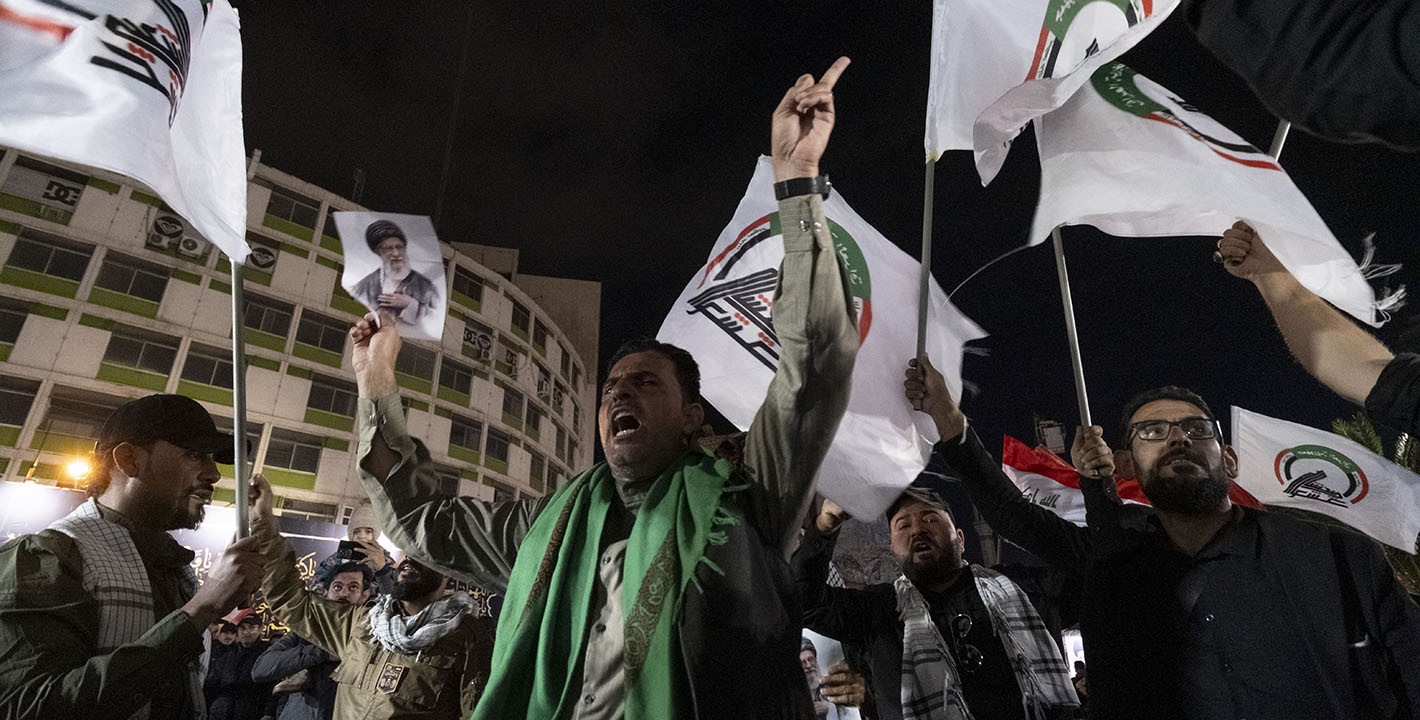
The Zaidi government’s objective to collect weapons is constrained by regional conflict, but it can take certain measures at home.
Ali Al-Mawlawi

The accord represents a pivotal moment in the region to avert a security vacuum in the Gulf.


Azeema Cheema, Mohanad Hage Ali