

{
  "authors": [
    "Katharine Adeney",
    "Alvin Camba",
    "Evan A. Feigenbaum",
    "Maiara Folly",
    "Niva Yau"
  ],
  "type": "event",
  "centerAffiliationAll": "dc",
  "centers": [
    "Carnegie Endowment for International Peace"
  ],
  "collections": [
    "China and the World",
    "China Local/Global: Central Asia",
    "China Local/Global: Latin America",
    "China Local/Global: South Asia",
    "China Local/Global: Southeast Asia"
  ],
  "englishNewsletterAll": "asia",
  "nonEnglishNewsletterAll": "",
  "primaryCenter": "Carnegie Endowment for International Peace",
  "programAffiliation": "AP",
  "programs": [
    "Asia"
  ],
  "projects": [
    "China Local/Global"
  ],
  "regions": [
    "North America",
    "South America",
    "South Asia",
    "Pakistan",
    "East Asia",
    "China",
    "Central Asia",
    "Kazakhstan",
    "Kyrgyz Republic",
    "Tajikistan",
    "Turkmenistan",
    "Uzbekistan",
    "Southeast Asia"
  ],
  "topics": [
    "Economy",
    "Trade",
    "Foreign Policy"
  ]
}
How to Make China Adapt to Local Needs
Thu, January 27th, 2022
Live Online
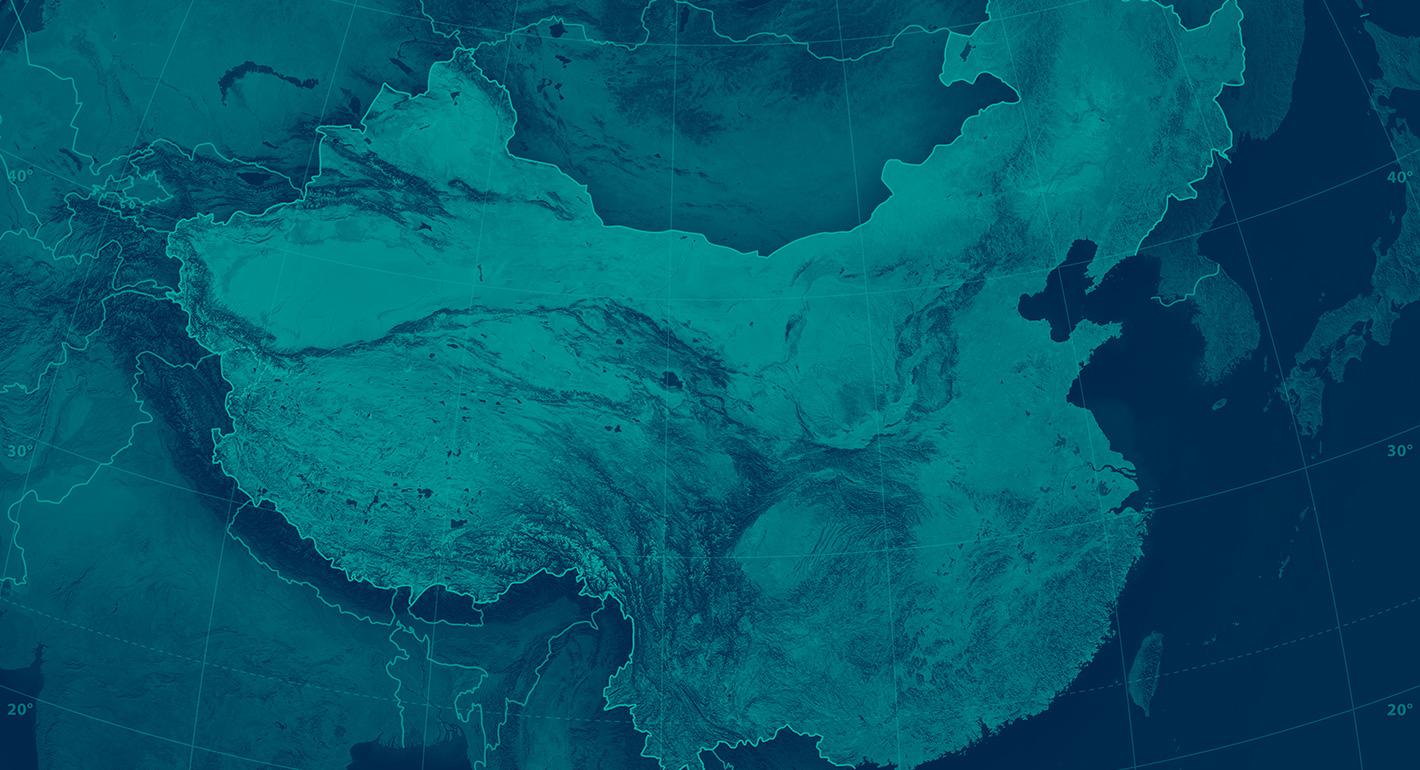
Many in the West, especially Washington, argue that China extends its global influence by exporting and imposing its developmental model on other countries. But this analysis ignores the ways in which China’s engagement accommodates local actors and institutions—adapting and assimilating local and traditional forms, norms, and practices—and ultimately reflects their demands. A multiyear Carnegie project explores adaptive strategies by Chinese actors in response to the demands of local partners across seven regions of the world. These strategies are mostly ignored by Western policymakers.
Join us for a lively discussion of powerful similarities and intriguing differences across four regions—Southeast Asia, Latin America, Central Asia, and South Asia—and what can be learned by comparing local strategies and Chinese responses around infrastructure, investment, and training
Carnegie does not take institutional positions on public policy issues; the views represented herein are those of the author(s) and do not necessarily reflect the views of Carnegie, its staff, or its trustees.
Event Speakers
Katharine Adeney

Katharine Adeney is a professor of comparative politics at the University of Nottingham. Her principal research interests include elections and democracy in South Asia, ethnic conflict regulation and institutional design, and the China-Pakistan Economic Corridor.
Alvin Camba
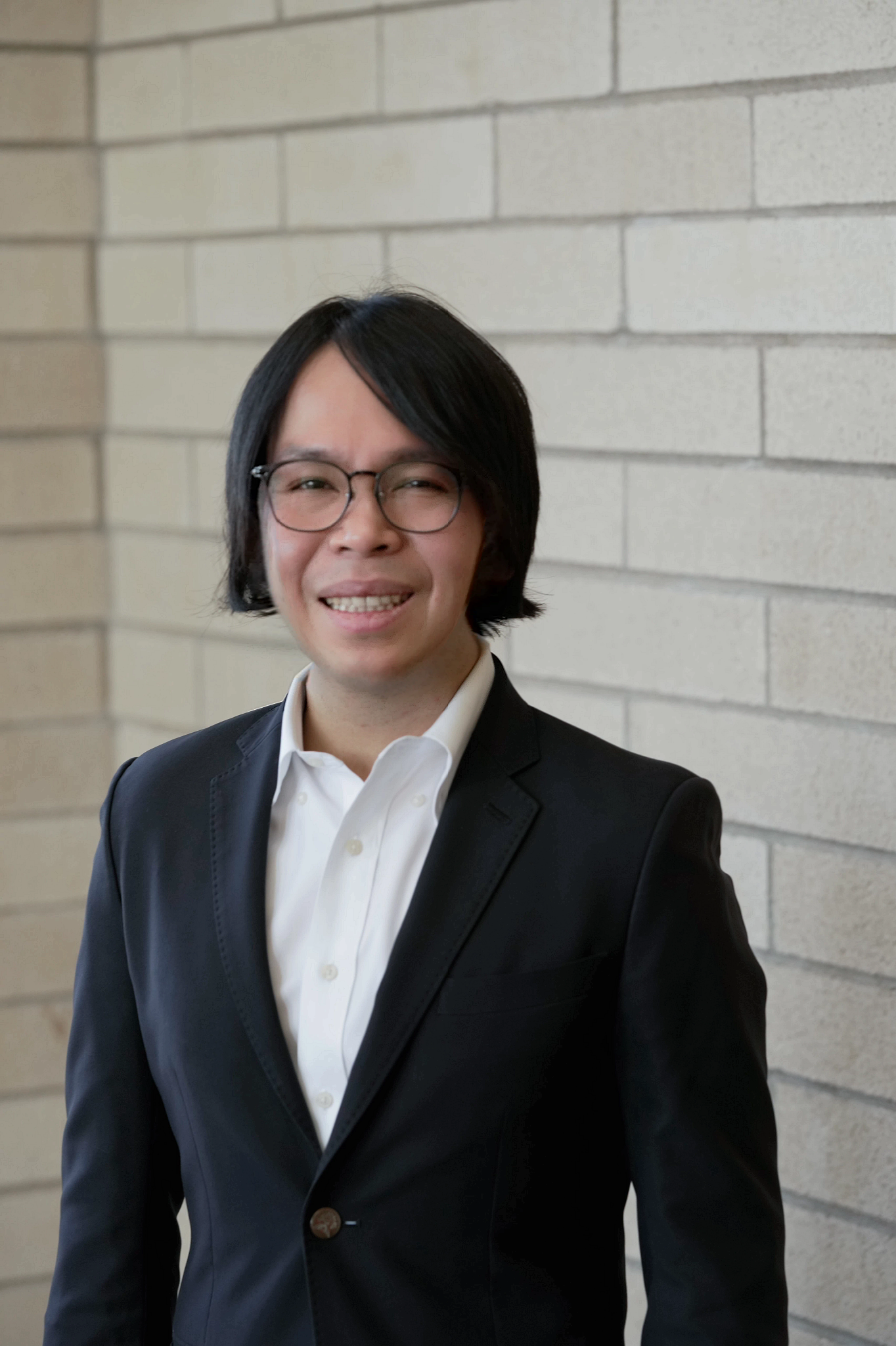
Alvin Camba is the lead scientist and director at Lyvi. He is also a nonresident fellow at the Indo Pacific Security Initiative at the Atlantic Council’s Scowcroft Center for Strategy and Security.
Evan A. Feigenbaum
Vice President for Studies
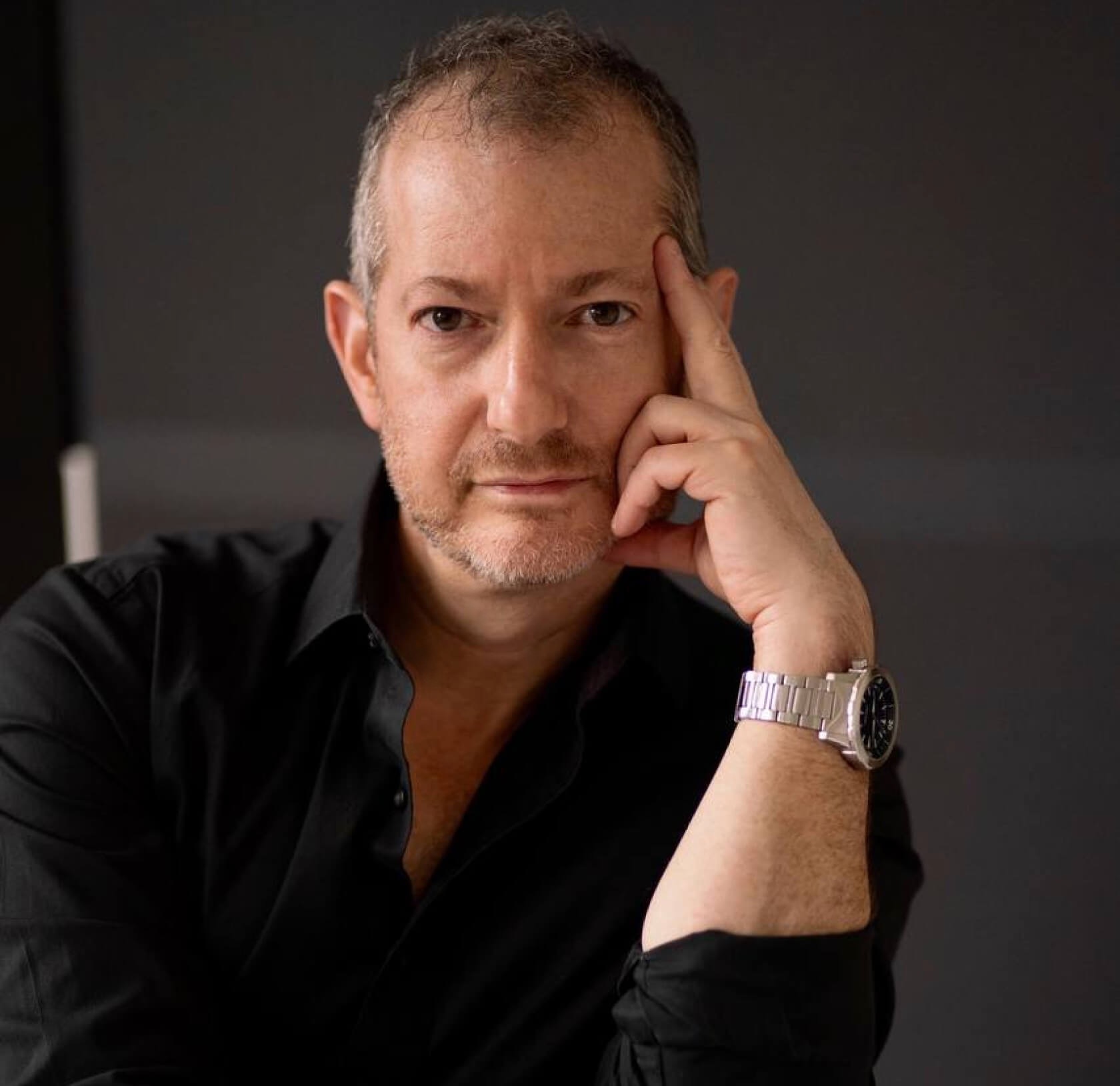
Evan A. Feigenbaum is vice president for studies at the Carnegie Endowment for International Peace, where he oversees work at its offices in Washington, New Delhi, and Singapore on a dynamic region encompassing both East Asia and South Asia. He served twice as Deputy Assistant Secretary of State and advised two Secretaries of State and a former Treasury Secretary on Asia.
Maiara Folly
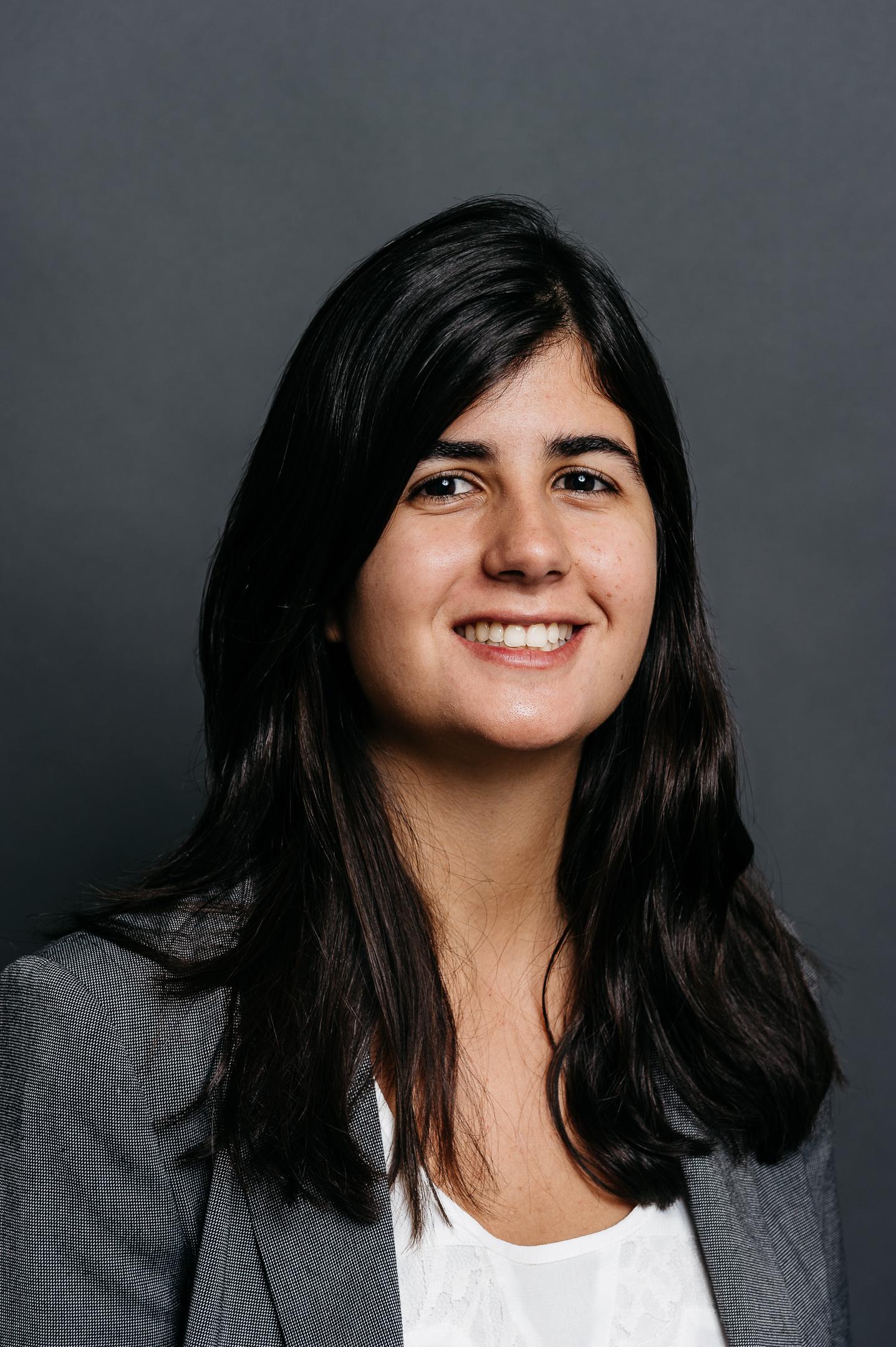
Maiara Folly is a co-founder and program director of Plataforma CIPÓ in Brazil. She leads research projects and advocacy initiatives in the areas of environmental crime, international peace and security, and climate justice.
Niva Yau