

Other
Mr. Shlomo Avineri
{
  "authors": [
    "Shlomo Avineri"
  ],
  "type": "legacyinthemedia",
  "centerAffiliationAll": "",
  "centers": [
    "Carnegie Endowment for International Peace"
  ],
  "collections": [],
  "englishNewsletterAll": "",
  "nonEnglishNewsletterAll": "",
  "primaryCenter": "Carnegie Endowment for International Peace",
  "programAffiliation": "",
  "programs": [],
  "projects": [],
  "regions": [
    "Middle East"
  ],
  "topics": [
    "Security"
  ]
}
REQUIRED IMAGE
Source: Carnegie
An Arab Marshall Plan© The Jerusalem Post, November 14, 2001
In a recent article in Al-Ahram, Edward Said raised, for once, a question which most Arab governments and intellectuals seldom address:
"We must start thinking about ourselves as responsible for the poverty, illiteracy, and repression that have come to dominate our societies, evils that we have allowed to grow despite our complaints about Zionism and imperialism."
With most of the terrorists who struck New York and Washington on September 11 being Saudis and Egyptians, this is the right question to ask. What is it - not in Islam, but in the realities of the Arab world - that drives so many young, relatively well-educated people, to such acts of criminality?
Said points in the right direction: It must be something within Arab societies - the internal gap between rich and poor Arab countries that is the cause of this anger.
The Arab world would undoubtedly be a different place today if over the last few decades the Saudis - rather than investing their oil income in the West, squandering it on superfluous and useless hi-tech armaments, or flaunting it in Cairo nightclubs - would have invested at least a part of it in helping poor Arab countries, especially Egypt, develop economically and socially. Jointly, Egypt and Saudi Arabia could have become the Japan or the South Korea of the Middle East, instead of the dysfunctional societies each of them now is.
What makes many young, socially motivated people in the Arab world so angry at the Saudis is also the fact that the House of Saud views itself as the guardian of the two holy shrines of Mecca and Medina. Many young Arab intellectuals must feel about this like the young Luther felt about the rich and hypocritical Renaissance papacy - the Whore of Babylon.
The same, of course, goes for the Kuwaitis, and explains why many educated Arabs, who might have otherwise felt disgust for Saddam's regime, still rejoiced when his legions invaded Kuwait: the rich Kuwaitis, unwilling to share their wealth, finally got their comeuppance.
Since September 11, pundits and scholars have pointed to poverty as one of the causes of terrorism. Yes, poverty is among the causes for Islamic fundamentalist terrorism: but it is not the gap between the West and the Third World which is crucial here, but the internal Arab gap. After all, the Arab region is home to some of the richest countries of the world, living next door to some of the poorest Arab societies. In the 1950s and 1960s, such gaps would turn young people to communism or Nasserism. These options are not relevant anymore - so they turn to extremist Islam.
Arab regimes are loath to address this issue. It is much easier to blame the Americans, the Zionists, the West, globalization. It is also easier to mouth platitudes about the plight of the Palestinians, and to distract attention from their own failings, so-called moderate Arab governments (e.g. Egypt and Saudi Arabia) call for a speedy resolution to the Israeli-Palestinian conflict. Granted, an Israeli-Palestinian agreement is advisable on its own merits, but would it alleviate poverty, injustice, and anger in the Arab world?
What should happen now, if one wants to address the root causes of terrorism, is to establish an Arab Marshall Plan, funded by the oil-rich Gulf states, primarily Saudi Arabia, which would invest in countries such as Egypt, and begin the process of the redistribution of wealth among and within the Arab countries themselves.
For once, one should listen to Said. In their ongoing dialogue with the Saudis, the US administration should tell their interlocutors clearly and unequivocally: "Reform, and quickly. You have exported your internal social injustices onto the world scene. It is in your own best interests not to have too many hungry and poor Arab societies next door to you. Share your wealth - or eventually, you will go under." Harsh words, but true.
So long as the oil flowed, and the regimes were stable, the West could close its eyes to the glaring injustices in the Arab world. No more. Now the time has come for a change, based on Arab solidarity.
If this does not happen, Saudi Arabia will continue to be a destabilizing element in the region, and any victory over Osama bin Laden would be a hollow one.
Former Visiting Scholar
Recent Work
Mr. Shlomo Avineri
Mr. Shlomo Avineri
Carnegie does not take institutional positions on public policy issues; the views represented herein are those of the author(s) and do not necessarily reflect the views of Carnegie, its staff, or its trustees.

Huawei pushed hard to enter the Egyptian data centers market, until the Americans made a better offer.

Angie Omar

The accord represents a pivotal moment in the region to avert a security vacuum in the Gulf.


Azeema Cheema, Mohanad Hage Ali
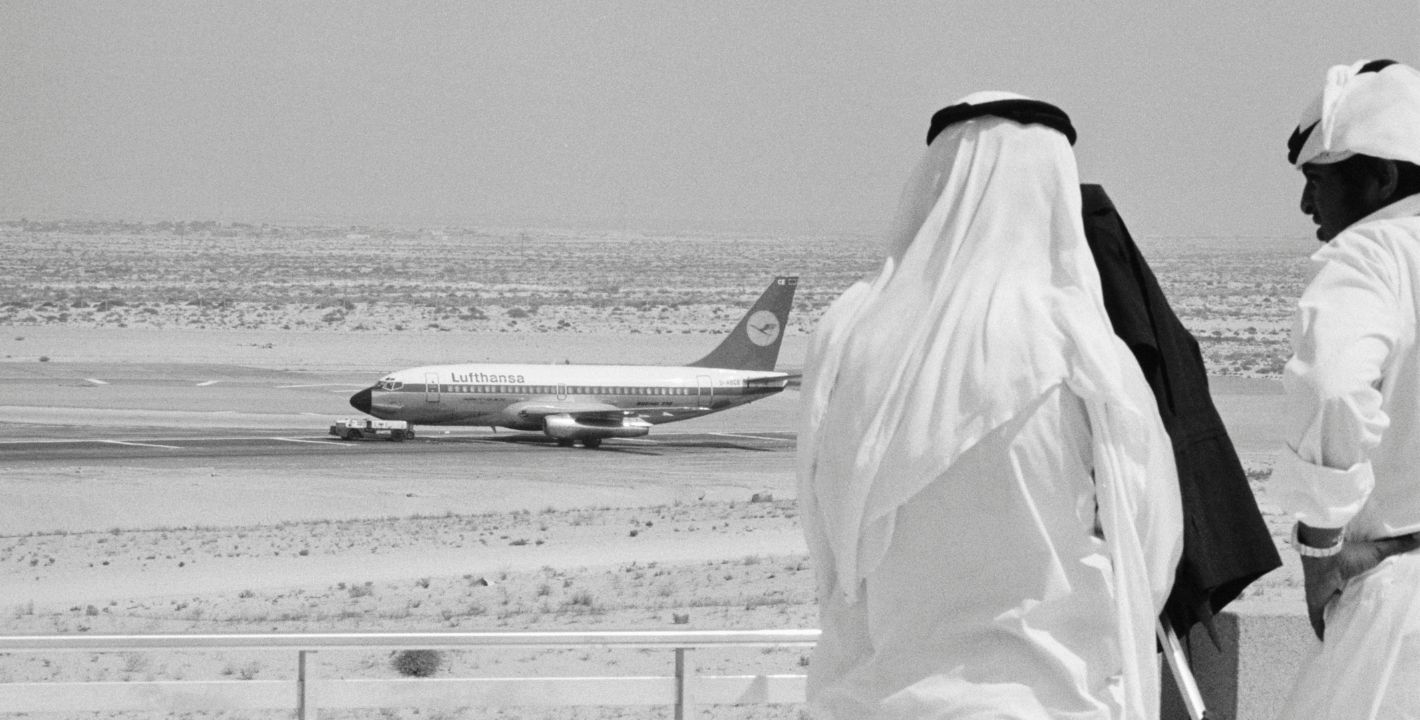
In an interview, Jason Burke discusses his sweeping account of the “revolutionists” who so shaped the 1970s and early 1980s.

Michael Young
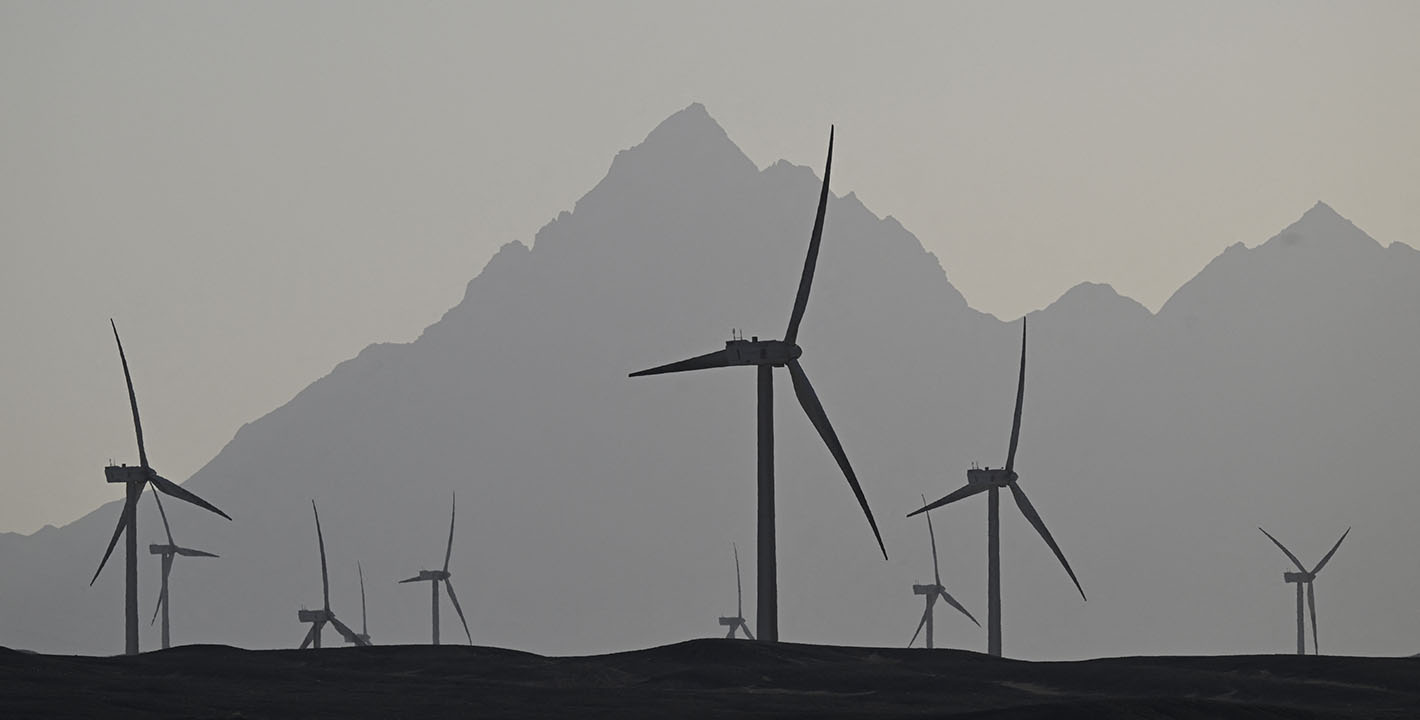
There is a disturbing structural parallel between the old global energy economy and the new green transition.
Angie Omar

Just look at Iraq in 1991.

Marwan Muasher