

Report
- +1
Dr. Demetrios Papademetriou, Mr. John Audley, Ms. Sandra Polaski, …
{
  "authors": [
    "John Audley"
  ],
  "type": "legacyinthemedia",
  "centerAffiliationAll": "",
  "centers": [
    "Carnegie Endowment for International Peace"
  ],
  "collections": [],
  "englishNewsletterAll": "",
  "nonEnglishNewsletterAll": "",
  "primaryCenter": "Carnegie Endowment for International Peace",
  "programAffiliation": "",
  "programs": [],
  "projects": [],
  "regions": [
    "North America",
    "United States",
    "South America"
  ],
  "topics": [
    "Economy",
    "Trade"
  ]
}
REQUIRED IMAGE
Source: Carnegie
Originally published in the International Herald Tribune, September 18, 2003
CANCUN, Mexico: The World Trade Organization talks here last week looked more
like a three-ring circus than the top-level negotiations they were billed as.
Unsurprisingly, negotiators went home unsuccessful. Who expects to secure a
deal under the big top?
In the first ring: the demonstrators. Their behavior in Seattle four years ago compelled Cancún organizers to put several miles between negotiations and demonstrations. Nevertheless, the demonstrators delivered their message that global trade rules harm poor people around the world. Say what you will about their tactics and their lack of details regarding the negotiations, but their enthusiasm made them the bright spot in an otherwise dull performance.
At the other end of the beaches, the second ring featured policy wonks and researchers who came to present their analyses of trade liberalization's impact on people, quality of life, and the environment. Using a vast array of analytical pyrotechnics, they painted a fearsome picture of trade: despite the promise that trade liberalization would lift people out of poverty around the world, poor people were living harder lives. No one could have picked a better country than Mexico to present these findings, as report after report showed that 20 years of trade liberalization has left rural Mexican farmers worse off.
Behind a steel fence, inside a vast and confusing convention center, the center ring featured government negotiators and their lieutenants - the supposed main event. The United States and the European Union patched up their differences of opinion over agriculture to perform an old story of a better world through trade liberalization.
But rather than offer a bold proposal that included ambitious timetables to end the farm supports and agricultural export subsidies that make trade in agricultural products impossible for poor countries, they fell far short even of the commitment they made at the last WTO meeting to promote development. Most reports accurately place the blame on the rich countries for their unwillingness to back up their free trade rhetoric and provide access to their markets for developing country products.
A new ringleader surprised the audience: developing countries. They put aside significant differences of opinion to form an alliance to steal the show from wealthy countries.
First, they fought off the U.S./EU agriculture position by insisting on product-specific support reductions and the total elimination of export subsidies.
This effort was coupled with a bold proposal by small Central and West African countries - home to the most efficient cotton farmers in the world - to eliminate cotton subsidies in three years, ending market-distorting support for rich cotton farmers.
Finally, they blocked efforts to negotiate new trade disciplines in four new areas: new rules to promote global investment, greater transparency in government procurement policies, commitments to create national antitrust policies, and efforts to facilitate global trade by removing complicating domestic policies.
The new ringleaders led the show by presenting sound, well-researched negotiating positions. Bolstered by their representation of more than half the earth's population, their tone was calm but firm, and they successfully resisted U.S and EU efforts to undermine the coalition. The United States and the European Union were bogged down by domestic interests that cared more about protecting their own positions than about using trade rules to thwart hunger throughout the world.
Negotiators could have used the Cancún meeting to bridge the gap between rich and poor countries by paying more attention to the performances in the other two rings. Instead, they chose to stick with worn-out acts, like more market access for rich country products.
Had developed countries listened to the policy wonks and garnered fresh ideas
to bring to the negotiation table, such as exchanging greater market access
to wealthy countries for improvements in environmental protection, the elimination
of corruption in government and greater public accountability in negotiations,
they might have gone home looking less like clowns.
Former Senior Associate
Recent Work
Dr. Demetrios Papademetriou, Mr. John Audley, Ms. Sandra Polaski, …

Mr. John Audley, George Perkovich, Ms. Sandra Polaski, …
Carnegie does not take institutional positions on public policy issues; the views represented herein are those of the author(s) and do not necessarily reflect the views of Carnegie, its staff, or its trustees.
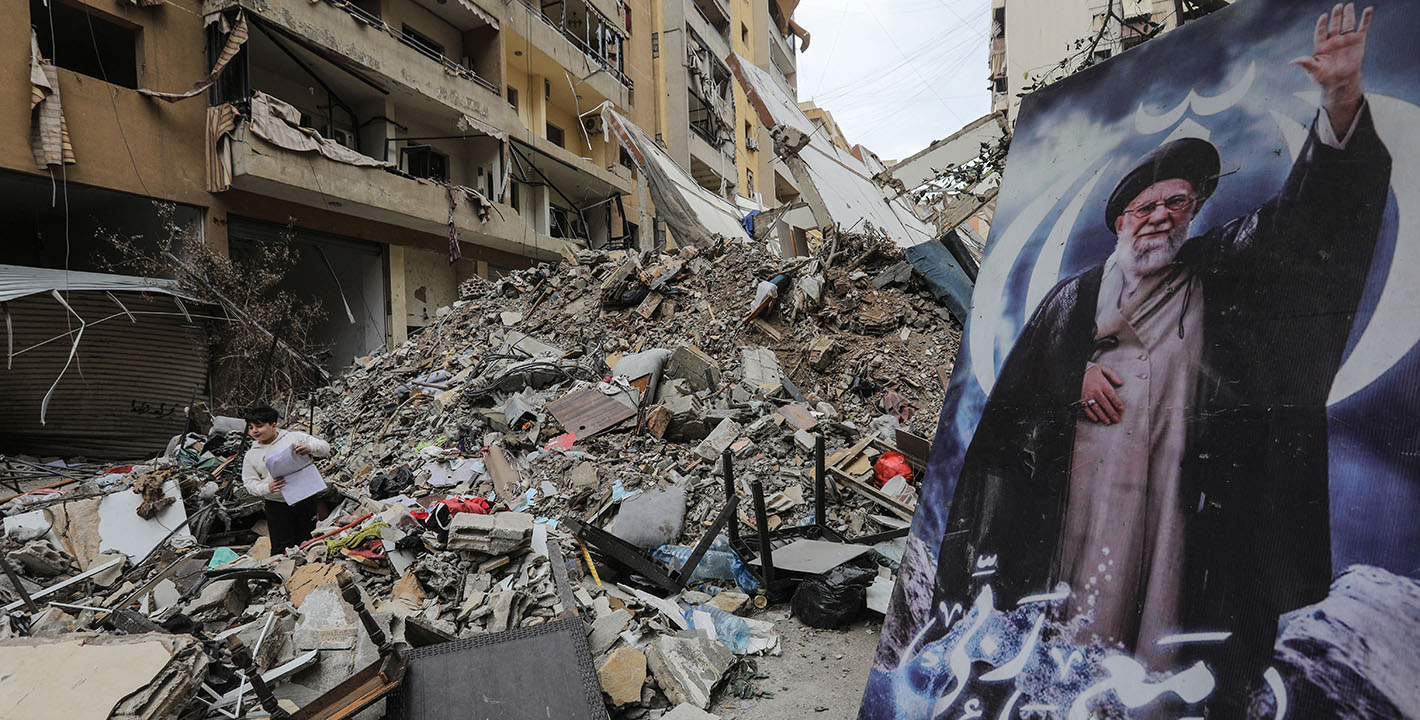
As talks begin between Washington and Tehran, Beirut has an opening to advance a regional plan for the party’s disarmament.

Michael Young
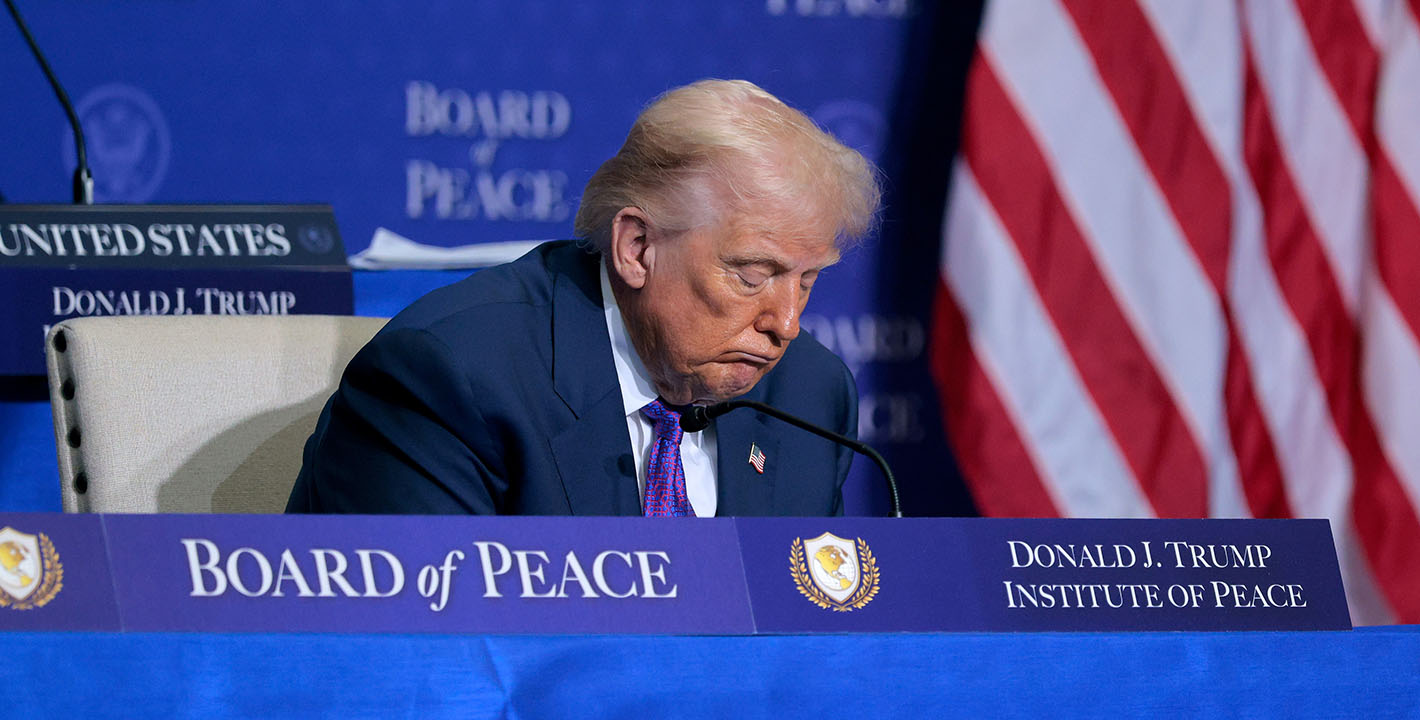
What is behind Marco Rubio’s announcement that the body is now an international nongovernmental organization?
Zaha Hassan
Policy discussion is ignoring that the Palestinian national project is hollowed out and apartheid is a present danger.

Nathan J. Brown
As negotiations with Iran and Lebanon continue, chaos is at the heart of the Netanyahu government’s calculations.
Michael Young
The party’s domestic and regional roles have changed, so Lebanon should devise a disarmament strategy that encompasses this.
Michael Young