• Research
  • Diwan
  • About
  • Experts
Carnegie Middle East logoCarnegie lettermark logo
LebanonIran
{
  "authors": [
    "Ashley J. Tellis"
  ],
  "type": "legacyinthemedia",
  "centerAffiliationAll": "dc",
  "centers": [
    "Carnegie Endowment for International Peace"
  ],
  "collections": [],
  "englishNewsletterAll": "ctw",
  "nonEnglishNewsletterAll": "",
  "primaryCenter": "Carnegie Endowment for International Peace",
  "programAffiliation": "NPP",
  "programs": [
    "Nuclear Policy",
    "South Asia"
  ],
  "projects": [],
  "regions": [
    "South Asia",
    "India"
  ],
  "topics": [
    "Economy",
    "Trade",
    "Foreign Policy",
    "Nuclear Policy",
    "Nuclear Energy"
  ]
}
Source: Getty

In The Media

Should the U.S. Sell Nuclear Technology to India? Part II

Link Copied
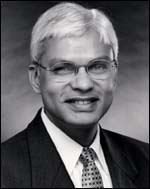
By Ashley J. Tellis
Published on Nov 10, 2005

Source: YaleGlobal Online

When US President Bush signed a deal in July with Indian Prime Minister Manmohan Singh allowing India access to civilian nuclear technology, naysayers complained that the administration had undermined the principles of the Non-Proliferation Treaty (NPT), which India has not signed. In Should the U.S. Sell Nuclear Technology to India? Part II Ashley J. Tellis argues that such critics fail to see the shrewdness of rewarding India’s record of voluntary non-proliferation with urgently needed civilian nuclear programs, while placing India’s future nuclear development within an international framework. By ensuring that India’s nuclear program enjoys the same benefits and is bound by the same obligations as the other powers in the non-proliferation regime, the US is invoking one of its top national security priorities: the prevention of nuclear commerce between India and a rogue state or non-state actor. Critics point out that other NPT non-signatories, like Pakistan or North Korea, will demand the same recognition and benefits for their nuclear programs that the deal has provided India. Tellis argues that such fears are groundless, since India, a democratic and rapidly developing nuclear power with a good non-proliferation track record outside the NPT, is almost universally acknowledged to be an exception, not the rule. Ultimately, Tellis calls for a global consensus supporting the Bush-Singh agreement, and encourages the critics, within the US Congress itself, to recognize the American national security benefits of bringing India into the recognized nuclear fold.
Click here for the full text

About the Author

Ashley J. Tellis

Former Senior Fellow

Ashley J. Tellis was a senior fellow at the Carnegie Endowment for International Peace.

    Recent Work

  • Paper
    Multipolar Dreams, Bipolar Realities: India’s Great Power Future

      Ashley J. Tellis

  • Commentary
    India Sees Opportunity in Trump’s Global Turbulence. That Could Backfire.

      Ashley J. Tellis

Ashley J. Tellis
Former Senior Fellow
EconomyTradeForeign PolicyNuclear PolicyNuclear EnergySouth AsiaIndia

Carnegie does not take institutional positions on public policy issues; the views represented herein are those of the author(s) and do not necessarily reflect the views of Carnegie, its staff, or its trustees.

More Work from Malcolm H. Kerr Carnegie Middle East Center

  • people watching smoke rising at sunrise from rooftops
    Commentary
    Emissary
    Bombing Campaigns Do Not Bring About Democracy. Nor Does Regime Change Without a Plan.

    Just look at Iraq in 1991.

      Marwan Muasher

  • Commentary
    Diwan
    Iran and the New Geopolitical Moment

    A coalition of states is seeking to avert a U.S. attack, and Israel is in the forefront of their mind.

      Michael Young

  • Commentary
    Carnegie Politika
    Baku Proceeds With Caution as Ethnic Azeris Join Protests in Neighboring Iran

    Baku may allow radical nationalists to publicly discuss “reunification” with Azeri Iranians, but the president and key officials prefer not to comment publicly on the protests in Iran.

      Bashir Kitachaev

  • Commentary
    Diwan
    Iran’s Woes Aren’t Only Domestic

    The country’s leadership is increasingly uneasy about multiple challenges from the Levant to the South Caucasus.

      Armenak Tokmajyan

  • Commentary
    Diwan
    Unpacking Lebanon’s Gap Law

    In an interview, Ishac Diwan looks at the merits and flaws in the draft legislation distributing losses from the financial collapse.

      Michael Young

Get more news and analysis from
Malcolm H. Kerr Carnegie Middle East Center
Carnegie Middle East logo, white
  • Research
  • Diwan
  • About
  • Experts
  • Projects
  • Events
  • Contact
  • Careers
  • Privacy
  • For Media
Get more news and analysis from
Malcolm H. Kerr Carnegie Middle East Center
© 2026 Carnegie Endowment for International Peace. All rights reserved.