• Research
  • Diwan
  • About
  • Experts
Carnegie Middle East logoCarnegie lettermark logo
LebanonIran
{
  "authors": [
    "Ashley J. Tellis"
  ],
  "type": "testimony",
  "centerAffiliationAll": "dc",
  "centers": [
    "Carnegie Endowment for International Peace"
  ],
  "collections": [],
  "englishNewsletterAll": "ctw",
  "nonEnglishNewsletterAll": "",
  "primaryCenter": "Carnegie Endowment for International Peace",
  "programAffiliation": "NPP",
  "programs": [
    "Nuclear Policy",
    "South Asia"
  ],
  "projects": [],
  "regions": [
    "South Asia",
    "India"
  ],
  "topics": [
    "Foreign Policy",
    "Nuclear Policy"
  ]
}
Source: Getty

Testimony

Ashley J. Tellis on President Bush's Visit to India

Ashley J. Tellis explains the strategic logic of a U.S.-India bilateral relationship, and provides an overview of the U.S.-India nuclear agreement, including India’s civilian-military nuclear separation plan.

Link Copied
By Ashley J. Tellis
Published on Mar 13, 2006

Source: Council on Foreign Relations

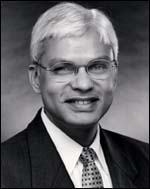
On March 13, 2006, Carnegie Senior Associate Ashley J. Tellis spoke at a Council on Foreign Relations meeting that discussed President Bush’s trip to India and the implications of the U.S.-India Nuclear Deal. Tellis explained the strategic logic of a U.S.-India bilateral relationship, and provided an overview of the U.S.-India nuclear agreement, including India’s civilian-military nuclear separation plan.

Click to the right for the event transcript by Federal News Service Inc.
 

About the Author

Ashley J. Tellis

Former Senior Fellow

Ashley J. Tellis was a senior fellow at the Carnegie Endowment for International Peace.

    Recent Work

  • Paper
    Multipolar Dreams, Bipolar Realities: India’s Great Power Future

      Ashley J. Tellis

  • Commentary
    India Sees Opportunity in Trump’s Global Turbulence. That Could Backfire.

      Ashley J. Tellis

Ashley J. Tellis
Former Senior Fellow
Foreign PolicyNuclear PolicySouth AsiaIndia

Carnegie does not take institutional positions on public policy issues; the views represented herein are those of the author(s) and do not necessarily reflect the views of Carnegie, its staff, or its trustees.

More Work from Malcolm H. Kerr Carnegie Middle East Center

  • people watching smoke rising at sunrise from rooftops
    Commentary
    Emissary
    Bombing Campaigns Do Not Bring About Democracy. Nor Does Regime Change Without a Plan.

    Just look at Iraq in 1991.

      Marwan Muasher

  • Commentary
    Diwan
    Iran and the New Geopolitical Moment

    A coalition of states is seeking to avert a U.S. attack, and Israel is in the forefront of their mind.

      Michael Young

  • Commentary
    Carnegie Politika
    Baku Proceeds With Caution as Ethnic Azeris Join Protests in Neighboring Iran

    Baku may allow radical nationalists to publicly discuss “reunification” with Azeri Iranians, but the president and key officials prefer not to comment publicly on the protests in Iran.

      Bashir Kitachaev

  • Commentary
    Diwan
    Iran’s Woes Aren’t Only Domestic

    The country’s leadership is increasingly uneasy about multiple challenges from the Levant to the South Caucasus.

      Armenak Tokmajyan

  • A municipal employee raises the US flag among those of other nations in Sharm el-Sheikh, as the Egyptian Red Sea resort town gets ready to receive international leaders, following a Gaza ceasefire agreement, on October 11, 2025.
    Article
    The Tragedy of Middle Eastern Politics

    The countries of the region have engaged in sustained competition that has tested their capacities and limitations, while resisting domination by rivals. Can a more stable order emerge from this maelstrom, and what would it require?

      • Mohamed Ali Adraoui

      Hamza Meddeb, Mohamed Ali Adraoui

Get more news and analysis from
Malcolm H. Kerr Carnegie Middle East Center
Carnegie Middle East logo, white
  • Research
  • Diwan
  • About
  • Experts
  • Projects
  • Events
  • Contact
  • Careers
  • Privacy
  • For Media
Get more news and analysis from
Malcolm H. Kerr Carnegie Middle East Center
© 2026 Carnegie Endowment for International Peace. All rights reserved.